
Vomiting and diarrhea in dogs are common signs of canine gastrointestinal distress. If your dog is vomiting and having diarrhea, the first steps involve assessing their overall behavior, checking for dehydration, and looking at the frequency and appearance of the episodes.
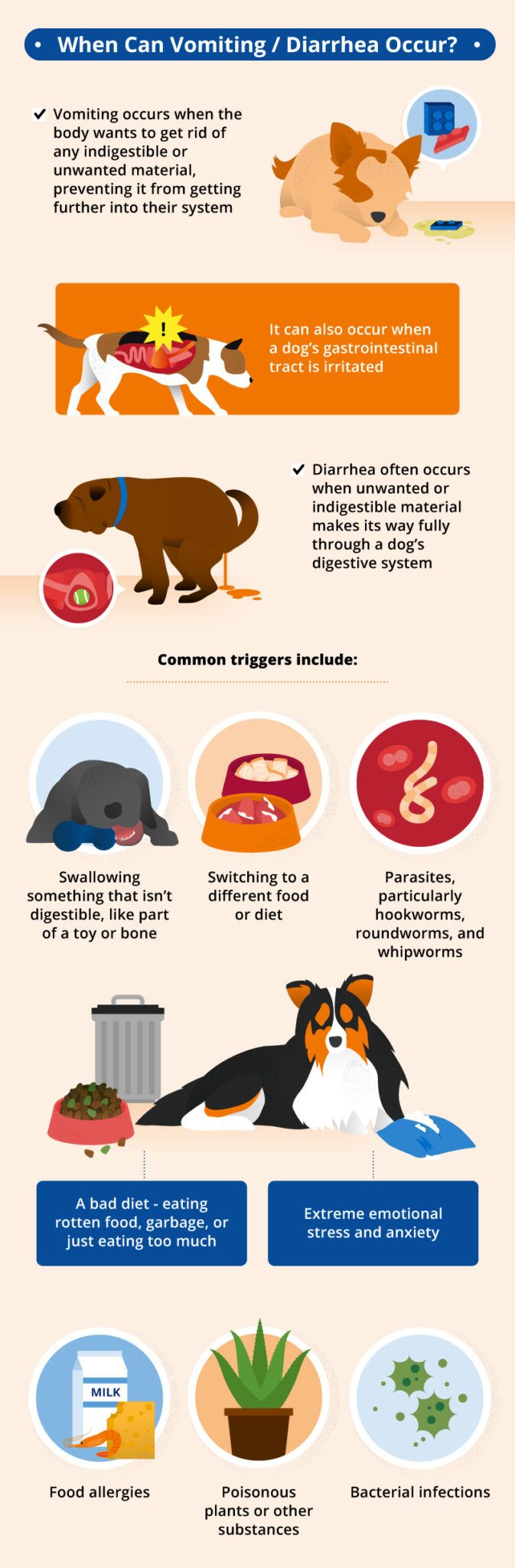
Image Source: cdn-ilbfemn.nitrocdn.com
Immediate Steps When Vomiting and Diarrhea Start
When your dog first starts vomiting and having loose stools, staying calm is important. You need to watch them closely. These symptoms often point to a mild stomach upset. However, they can quickly become serious, especially in small puppies or senior dogs.
Assessing Severity at Home
First, check how sick your dog seems. Are they still playful? Are they trying to drink water?
Signs that might allow for home care:
* Mild, single vomiting episode.
* Diarrhea is soft but not watery.
* The dog is still acting mostly normal.
* No blood in the vomit or stool.
Signs that need immediate vet attention:
* Vomiting multiple times in a short period.
* Vomiting that is persistent (keeps happening).
* Severe, watery, or bloody diarrhea in dogs.
* Signs of weakness, collapse, or severe pain.
* Known ingestion of a toxic item or foreign object.
We need to look at the causes of sudden vomiting in pets to know what to do next.
Common Reasons for Acute Vomiting and Diarrhea
Most acute (sudden) episodes of stomach upset in dogs are not life-threatening. They usually resolve on their own within a day or two.
Dietary Indiscretion (Garbage Gut)
This is the number one reason for sudden vomiting and diarrhea. Dogs eat something they shouldn’t—table scraps, spoiled food, grass, or garbage. This irritates the gut lining.
Sudden Diet Change
Switching your dog’s food too quickly can shock their system. This leads to loose stools and sometimes vomiting. Always transition to new food slowly over a week. This helps prevent dog food intolerance symptoms.
Stress and Anxiety
Big changes in routine, moving houses, or separation anxiety can cause physical symptoms. Stress often manifests as diarrhea in sensitive dogs.
Infections
Vomiting and diarrhea are common signs of infection.
Viral Infections
Parvovirus is very serious, especially in puppies. It causes severe, often bloody, diarrhea and intense vomiting. Immediate veterinary care is crucial if Parvo is suspected.
Bacterial Infections
Bacteria like Salmonella or Campylobacter can cause illness. These are sometimes linked to raw food diets or contact with contaminated surfaces. Symptoms often include fever along with the gut issues. A bacterial infection in canine stool needs testing and possibly antibiotics.
Parasites
Parasites are a major concern, especially for younger dogs. Common culprits include:
* Roundworms
* Hookworms
* Whipworms
* Giardia
* Coccidia
A parasitic infection in dogs often leads to chronic diarrhea, weight loss, and a dull coat if left untreated. Fecal testing is required for diagnosis.
When to Worry About Dog Vomiting and Diarrhea
Knowing when to worry about dog vomiting is vital for your pet’s safety. While many mild cases pass quickly, some signs signal a medical emergency requiring immediate care.
Dehydration Check
Vomiting and diarrhea cause the body to lose fluids rapidly. Dehydration is a major danger.
How to check for dehydration:
1. Skin Tent Test: Gently pull up the skin between your dog’s shoulder blades. In a well-hydrated dog, the skin snaps back immediately. If it stays tented up for even a second, dehydration is present.
2. Gum Check: Press your finger gently onto your dog’s gums. The gums should turn white briefly, then immediately return to pink. If the color returns slowly, the dog is dehydrated.
If dehydration is present, call your vet right away.
Warning Signs Requiring Emergency Vet Care
| Sign | Potential Serious Issue | Urgency Level |
|---|---|---|
| Persistent, non-stop vomiting (more than 3-4 times in 2 hours) | Obstruction, severe inflammation | Immediate Emergency |
| Lethargy, collapse, severe weakness | Shock, systemic infection, organ failure | Immediate Emergency |
| Bright red blood or dark “coffee grounds” in vomit | Internal bleeding, severe ulceration | Immediate Emergency |
| Black, tarry stools (melena) | Upper GI tract bleeding | Immediate Emergency |
| Severe, painful abdomen distension | Bloat (GDV) – life-threatening | Immediate Emergency |
| Known ingestion of toxins (chocolate, antifreeze, medication) | Poisoning | Immediate Emergency |
If you see bloody diarrhea in dogs, especially if they are also weak, seek help immediately.
Deeper Causes of Persistent Gastrointestinal Upset
If the vomiting and diarrhea last more than 24–48 hours, the cause is usually more complex than a simple stomach bug.
Foreign Body Obstruction
Dogs often chew and swallow things they shouldn’t—toys, socks, bones, or pieces of plastic. If a blockage occurs in the stomach or intestines, it causes intense vomiting. The dog may try to eat or drink but immediately bring it back up. This often requires surgery.
Inflammatory Bowel Disease (IBD)
IBD is a chronic condition where the immune system causes inflammation in the digestive tract. This leads to long-term, recurring vomiting and diarrhea. Diagnosis often involves blood tests, imaging, and sometimes a biopsy.
Pancreatitis
This is the painful inflammation of the pancreas. It is often triggered by eating a high-fat meal (like bacon grease or table scraps). Dog pancreatitis symptoms include severe abdominal pain, hunched posture, vomiting, and diarrhea. Pancreatitis can be very serious and often requires hospitalization for pain management and IV fluids.
Organ Disease
Severe vomiting and diarrhea can be secondary signs of problems elsewhere in the body, such as:
* Kidney failure
* Liver disease
* Adrenal gland issues (Addison’s disease)
If blood work suggests organ involvement, the GI symptoms are just one part of a larger health puzzle.
Toxin Ingestion
Many common household items are toxic to dogs. Ingestion leads to severe irritation, causing vomiting and diarrhea. Examples include certain plants, cleaning supplies, human medications, and rodenticides.
Fathoming Treatments for Canine Gastrointestinal Distress
Treatment depends entirely on the underlying cause. However, the initial goal is usually to rest the gut and prevent dehydration.
Initial Home Care for Mild Cases
If your dog is otherwise acting normal and the vomiting is stopping, you can try these dog upset stomach remedies for a short period:
Fasting Period
Stop feeding solid food for 12–24 hours (only for adult dogs, not puppies). This gives the stomach and intestines time to rest and recover from the irritation. Always ensure access to small amounts of fresh water during this time, unless the dog immediately vomits after drinking.
Reintroducing Food Blandly
After the fast, introduce a bland diet slowly. This diet should be easy to digest and low in fat.
Bland Diet Options:
* Protein Source: Plain, boiled, skinless, fat-free chicken breast OR lean ground beef (drained of all fat).
* Carbohydrate Source: Plain white rice (cooked until very soft) OR boiled, peeled sweet potato.
Feeding Schedule:
1. Start with a very small amount (about 1 tablespoon for a medium dog).
2. Wait 2 hours. If the dog keeps it down, offer a slightly larger amount.
3. Continue small, frequent meals (4-6 times a day) for 2-3 days.
4. If stools normalize, slowly mix in their regular food over the next 3-4 days.
Veterinary Treatments
For moderate to severe cases, your vet will provide specific therapies.
- Fluid Therapy: IV fluids are essential to correct dehydration caused by fluid loss and poor drinking.
- Medications: Vets may prescribe anti-nausea drugs (like Cerenia) to stop vomiting, probiotics to restore gut flora, or antibiotics if a bacterial infection is confirmed.
- Deworming: If parasites are found, specific deworming medications will be given.
Special Concerns: Puppy Vomiting and Diarrhea Treatment
Puppy vomiting and diarrhea treatment requires extra urgency. Puppies dehydrate much faster than adult dogs. They also have weaker immune systems.
High Risk Factors in Puppies
- Parvovirus: This is a massive threat. If a puppy has severe, bloody vomiting/diarrhea, testing for Parvo is the first priority.
- Worm Burden: High numbers of roundworms can cause blockages or severe irritation.
- Hypoglycemia: If puppies don’t eat, their small bodies quickly use up their sugar reserves, leading to weakness and potential seizures.
If a puppy has more than one episode of vomiting or diarrhea, call the veterinarian immediately. Do not attempt a 24-hour fast without professional guidance, as they need consistent calories.
Deciphering Stool Appearance
The look and consistency of the diarrhea tell the veterinarian a lot about where the problem lies in the digestive tract.
Small Intestine Diarrhea vs. Large Intestine Diarrhea
| Feature | Small Intestine Diarrhea | Large Intestine Diarrhea (Colitis) |
|---|---|---|
| Volume | Large amounts | Small, frequent amounts |
| Consistency | Watery, liquid, pudding-like | Mucus-covered, soft blobs |
| Frequency | Less frequent (maybe 2-3 times a day) | Very frequent (often urgently) |
| Color | Often light brown or yellowish | Normal color, sometimes dark |
| Key Sign | Often associated with vomiting | Straining (tenesmus) and fresh blood/mucus |
If you see bloody diarrhea in dogs, look closely. Bright red blood (hematochezia) usually means the issue is lower down (colon). Dark, tarry stool (melena) means bleeding higher up (stomach or small intestine).
Exploring Food Sensitivities and Intolerances
Sometimes, the issue is chronic rather than acute. If your dog repeatedly gets the runs or throws up after meals, you might be dealing with food sensitivities.
Distinguishing Intolerance vs. Allergy
- Intolerance: Usually digestive; the gut cannot properly break down an ingredient (e.g., lactose). Dog food intolerance symptoms often include gas, diarrhea, and vomiting after the specific food is eaten.
- Allergy: An immune system response. This can cause itching, skin issues, and sometimes GI upset.
Identifying the culprit often requires an elimination diet supervised by a veterinarian. You must feed only one novel protein source (like duck or venison) and one carbohydrate for 8–12 weeks to see if symptoms clear up.
The Role of Probiotics and Supplements
For mild cases following recovery from an upset stomach, probiotics are helpful. They help replenish the “good” bacteria in the gut that the illness may have wiped out.
Many vets recommend specific veterinary-grade probiotics, as they contain higher, more targeted concentrations of beneficial strains. These can be a great addition to puppy vomiting and diarrhea treatment recovery plans as well.
Preventing Future Episodes of Canine Gastrointestinal Distress
Prevention is always better than treatment. Being mindful of your dog’s habits can reduce emergency visits.
Strict Feeding Rules
- No Table Scraps: Human food is often too rich, fatty, or salty for dogs.
- Secure Garbage: Use heavy cans with secure lids.
- Supervise Outdoor Time: Watch what your dog sniffs and eats on walks. Keep them away from decaying matter or dead animals.
- Slow Food Transitions: When changing dog food brands or formulas, mix the old food with the new food gradually over 7 to 10 days.
Regular Veterinary Care
Regular wellness checks allow your vet to catch underlying issues early. Annual fecal testing helps rule out persistent parasitic infection in dogs or low-grade bacterial infection in canine stool that might be causing chronic mild symptoms.
If your dog is prone to digestive upset, discussing preventative measures like specific enzyme supplements or prescription diets with your vet is a good proactive step.
Frequently Asked Questions (FAQ)
Can I give my dog Pepto-Bismol or Imodium for diarrhea?
Never give your dog human medication without explicit direction from your veterinarian. Pepto-Bismol contains salicylates, which can be toxic to dogs, especially cats. Imodium (Loperamide) can be fatal to certain breeds (like collies) and can mask serious underlying issues. Always consult a vet first.
How long can I use dog upset stomach remedies like a bland diet before seeing a vet?
If your adult dog is eating, drinking, and has only had one or two episodes of vomiting or mild diarrhea, you can try a 24-hour fast followed by 2–3 days of a bland diet. If symptoms do not improve within 48 hours of starting home care, or if they worsen, call your veterinarian.
What does yellow vomit mean?
Yellow vomit often indicates the dog is vomiting bile. This happens when the stomach is empty (after prolonged fasting or if the dog vomits everything up). While sometimes benign if it happens once, frequent yellow vomiting means the dog needs to see a vet quickly to ensure there isn’t an obstruction or severe irritation.
Are puppies more susceptible to dog pancreatitis symptoms?
While pancreatitis is more common in middle-aged to senior dogs, puppies can develop it, especially if they consume very high-fat items (like fat trimmed from meat). However, puppies are far more vulnerable to severe dehydration and life-threatening viruses like Parvovirus, which also presents with vomiting and diarrhea.