
If your dog is throwing up blood, it is a serious medical emergency, and you must go to the emergency vet dog vomiting blood clinic right away. Bloody vomit in dogs, medically known as hematemesis in dogs, means there is bleeding in the upper part of the digestive tract, like the esophagus, stomach, or the first part of the small intestine. Finding blood in your dog’s vomit is scary, but knowing what might cause it and what to do next is vital for your pet’s safety.
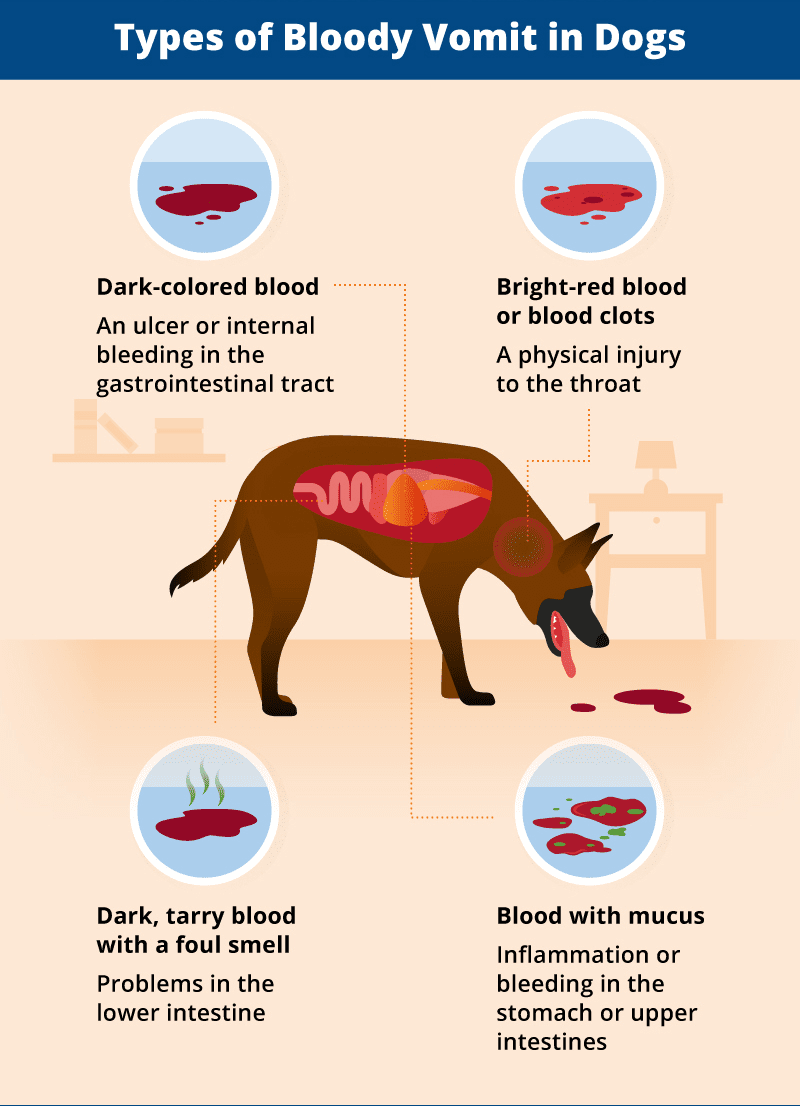
Image Source: cdn-ilbfemn.nitrocdn.com
Deciphering Bloody Vomit in Dogs
The color of the blood tells the vet a lot about where the bleeding is coming from. The appearance of the vomit can help you tell the difference between blood coming from the upper GI tract versus the lower GI tract (which usually shows up as bloody diarrhea, or hematochezia).
Types of Blood Seen in Vomit
Vomiting blood can look different depending on how long the blood has been in the stomach or how much it has been broken down by stomach acid.
- Fresh Red Blood (Hematemesis): This looks like bright red, fresh blood. It usually means the bleeding is very recent and fast. It might come from the mouth, throat, or esophagus, or it could be a large amount from the stomach.
- Dark, Coffee-Ground Appearance: This is often called “coffee-ground vomit.” It means the blood has been in the stomach for a while. Stomach acid breaks down the hemoglobin in the blood, turning it dark brown or black, much like used coffee grounds. This points to bleeding in the stomach or upper intestine.
- Black, Tarry Stool (Melena): While not vomit, black, sticky stool (melena) means digested blood has passed all the way through the intestines. This confirms a dog GI bleed symptoms issue higher up in the digestive system.
Common Dog Vomiting Blood Causes
There are many reasons why a dog might vomit blood. Some are minor irritations, but many are life-threatening emergencies. Knowing the potential dog vomiting blood causes helps stress the urgency of seeking professional care.
Severe Trauma and Foreign Objects
One of the most frightening causes is physical injury to the digestive tract.
- Dog Ate Something Sharp Vomiting Blood: If your dog swallows something sharp—like a piece of bone, a splinter, a sharp toy piece, or glass—it can cut the lining of the esophagus or stomach. This causes immediate, sometimes profuse, bleeding. This requires immediate surgical or endoscopic removal.
Infections and Viruses
Certain severe infections can damage the gut lining, leading to bloody vomit.
- Parvo Dog Vomiting Blood: Canine Parvovirus is extremely dangerous, especially in puppies or unvaccinated dogs. Parvo attacks the fast-growing cells in the intestines. This causes severe inflammation, ulceration, and profuse vomiting and diarrhea, often containing large amounts of bright red blood.
Ulcers and Inflammation
Inflammation and sores in the stomach lining are frequent culprits for hematemesis in dogs.
- Stomach Ulcer Dog Vomiting Blood: Ulcers are open sores in the stomach or intestinal lining. They can be caused by stress, certain medications (like NSAIDs given for pain), or underlying diseases. When an ulcer bleeds, the dog vomits blood, often looking like coffee grounds if the ulcer is in the stomach.
- Gastritis and Enteritis: Severe inflammation of the stomach (gastritis) or intestines (enteritis) can cause bleeding. This is often linked to dietary indiscretion or infections.
Toxins and Poisons
Exposure to certain poisons causes rapid and widespread internal bleeding.
- Dog Poisoning Vomiting Blood: Many toxins are corrosive or cause the blood not to clot properly.
- Rodenticides (Rat Poisons): Many common rat baits are anticoagulants. They stop the blood from clotting, leading to bleeding everywhere, including the GI tract, causing bloody vomit and dark stools.
- Certain Plants or Chemicals: Ingesting caustic chemicals or toxic plants can burn the digestive tract lining, leading to bloody vomit.
Systemic Diseases and Organ Failure
Sometimes, the vomiting blood is a sign that a major organ system is failing.
- Kidney or Liver Disease: Severe failure in these organs can lead to a buildup of toxins or problems with blood clotting, resulting in gastrointestinal bleeding.
- Coagulation Disorders: Conditions where the blood doesn’t clot (like hemophilia or low platelet counts) can lead to spontaneous bleeding anywhere, including the stomach.
Canine Hemorrhagic Gastroenteritis (HGE)
This is a specific, sudden, and severe condition.
- Canine Hemorrhagic Gastroenteritis (HGE): HGE causes sudden, severe vomiting and bloody diarrhea. While the exact cause is often unknown, it results in massive fluid loss and blood loss into the gut. Dogs with HGE often appear very sick, weak, and their vomit or diarrhea looks like raspberry jam. This condition requires immediate IV fluids.
Cancer
Tumors in the esophagus, stomach, or intestines can erode healthy tissue and bleed heavily. This is more common in older dogs but can happen at any age.
Recognizing the Red Flags: Dog GI Bleed Symptoms
Vomiting blood is a major symptom itself, but other signs often appear alongside it. Recognizing these dog GI bleed symptoms helps you decide how quickly you need to rush to the hospital.
| Symptom | Severity Indicator | What It Might Mean |
|---|---|---|
| Bright Red Blood in Vomit | High Urgency | Fresh, fast bleeding from the upper tract. |
| Coffee Ground Vomit | High Urgency | Digested blood, suggesting stomach source. |
| Lethargy/Weakness | High Urgency | Significant blood loss is affecting energy levels. |
| Pale Gums | Extreme Emergency | Sign of severe anemia due to rapid blood loss. |
| Restlessness or Pain | High Urgency | Abdominal irritation or cramping. |
| Collapse or Shock | Critical Emergency | Massive internal bleeding leading to low blood pressure. |
If you see any of these signs, do not wait for your regular appointment; call the emergency vet dog vomiting blood clinic immediately.
Immediate First Steps When Your Dog Vomits Blood
When you see blood, your natural reaction might be panic. Stay calm. Your actions in the first few minutes are crucial.
Step 1: Assess and Secure the Area
- Move Away from Food/Water: If your dog is actively vomiting, gently move them to an easy-to-clean area. Do not force them to drink water, as this might trigger more vomiting.
- Check Breathing: Make sure your dog is breathing normally. If they choke or struggle to breathe, gently check their mouth for an object, but do not put your fingers deep inside if they are aggressive or panicked.
Step 2: Document Everything
Veterinarians rely heavily on what you saw. Take clear photos or videos of the vomit.
- Note the Color and Amount: Was it bright red? Coffee grounds? How much was there?
- Note Frequency: How many times has your dog vomited?
- Look for Other Signs: Did they pass any bloody stool (diarrhea)? Are their gums pale? Are they acting weak?
- Recall Recent Events: Did your dog eat anything unusual? Did they get into the trash? Did they get into any rodent poison? Did they take any human medication?
Step 3: Contact the Veterinarian Immediately
This is not a “wait and see” situation. Bloody vomit in dogs is an emergency.
- Call your regular vet first. If it is after hours, call the nearest 24-hour emergency animal hospital.
- Tell them clearly: “My dog is vomiting blood.”
- Provide the details you gathered (color, frequency, any known ingestion).
Step 4: Follow Emergency Instructions
The vet will likely tell you to bring the dog in immediately.
- Do Not Give Medications: Never give human pain relievers or stomach remedies without explicit instruction from your vet. Some medications, like aspirin or ibuprofen, can make stomach bleeding much worse.
- Transport Safely: Keep your dog calm during the ride. If they are very weak, support their body as you place them in the car.
Medical Diagnostics at the Emergency Clinic
Once you arrive at the clinic, the team will stabilize your dog first, then work quickly to find the cause of the bleeding.
Initial Stabilization
The vet’s first priority is ensuring your dog is stable. This often involves:
- Assessing Vitals: Checking heart rate, breathing, temperature, and gum color (to assess circulation).
- Intravenous (IV) Catheter Placement: This allows immediate access to the bloodstream for administering fluids and medications.
- Fluid Therapy: IV fluids are crucial to combat shock caused by dehydration from vomiting and blood loss.
- Blood Tests: Full blood work is essential. This checks red and white blood cell counts (to gauge anemia and infection) and clotting times (to check for toxins like rat poison).
Determining the Source of Bleeding
After stabilization, the vet will use diagnostic tools to pinpoint the source of the dog vomiting blood causes.
Imaging Studies
- X-rays (Radiographs): These can show if a foreign object is stuck in the stomach or esophagus, or if there are signs of masses or obstructions.
- Ultrasound: This gives a detailed look at the abdominal organs, helping to check the stomach, intestines, liver, and spleen for ulcers, inflammation, or tumors.
Endoscopy
If the bleeding appears active and the dog is stable enough, endoscopy is the best tool for hematemesis in dogs.
- A flexible tube with a camera is passed down the throat into the esophagus and stomach.
- This allows the vet to see the exact source of the bleeding, take biopsies (tissue samples), and sometimes even stop the bleeding right then (e.g., by applying a clip to a bleeding vessel or removing a foreign body).
Treatment Options Based on Diagnosis
Treatment varies widely depending on what is making the dog throw up blood.
Treating Infectious Causes (Like Parvovirus)
If parvo dog vomiting blood is diagnosed, aggressive supportive care is necessary:
- Hospitalization for IV fluids to correct dehydration.
- Anti-nausea medications to stop the vomiting.
- Antibiotics to prevent secondary bacterial infections in the damaged gut.
- Pain management.
Managing Ulcers and Inflammation
For a stomach ulcer dog vomiting blood scenario:
- Medications: Proton pump inhibitors (like omeprazole) or H2 blockers are given to reduce stomach acid production, allowing the ulcer to heal.
- GI Protectants: Medications like sucralfate coat the ulcer surface, protecting it from acid.
- Dietary Changes: Feeding small, bland meals once vomiting stops helps soothe the stomach.
Addressing Trauma and Foreign Bodies
If the dog ate something sharp vomiting blood:
- If the object is visible and accessible during endoscopy, it is removed immediately.
- If the object has perforated the bowel or is too large, emergency surgery is required to repair the damage and remove the item.
Dealing with Poisoning
If the cause is dog poisoning vomiting blood (especially anticoagulant rodenticide):
- The vet will induce vomiting only if the ingestion was very recent (within an hour) and the dog is stable.
- The antidote (Vitamin K1) must be given, often for several weeks, and clotting times must be monitored closely.
Long-Term Outlook and Prevention
The prognosis (outlook) for a dog vomiting blood depends entirely on the underlying cause. A dog that swallowed a small piece of plastic that is easily removed has a very good prognosis. A dog with severe systemic disease or massive internal trauma has a guarded or poor prognosis.
Reducing Risk Factors
While accidents happen, you can reduce some risks associated with dog vomiting blood causes:
- Secure Your Home: Keep all medications (human and veterinary), cleaning supplies, and garbage securely locked away. Never leave rat bait accessible.
- Supervision: Supervise your dog closely when they are outside or playing with toys that could break apart.
- Vaccinations: Ensure your dog is up-to-date on vaccinations, especially the Parvovirus vaccine, to prevent deadly infections.
- Medication Awareness: Be cautious when giving your dog NSAIDs or other human medications. Always consult your vet first, as these can easily lead to a stomach ulcer dog vomiting blood situation.
If your dog has had a bout of bloody vomiting, follow-up care is essential. This might include follow-up blood tests, dietary adjustments, or regular check-ups to ensure the initial problem is fully resolved and hasn’t recurred.
Frequently Asked Questions About Bloody Vomit in Dogs
Is coffee-ground vomit always serious in dogs?
Yes. Coffee-ground vomit means blood has been partially digested by stomach acid. This indicates bleeding in the upper digestive tract (stomach or duodenum) and requires immediate veterinary attention, as it confirms an active or recent GI bleed.
Can stress cause my dog to throw up blood?
Severe stress can sometimes trigger vomiting or cause inflammation (gastritis) that leads to minor bleeding. However, severe, frank bloody vomit is usually due to a more serious physical cause, like an ulceration, trauma, or infection, rather than just simple stress.
My dog threw up once, and it was just a little pink foam. Should I still go to the emergency vet?
Even a small amount of pink, frothy vomit suggests irritation in the upper airway or esophagus, possibly mixed with mucus and a trace of blood. While less severe than large amounts of dark blood, it warrants a call to the vet immediately. If it happens again, an emergency visit is mandatory to rule out serious dog GI bleed symptoms.
How can I tell the difference between bloody vomit and bloody diarrhea?
Vomit comes up from the mouth. Bloody vomit (hematemesis in dogs) means the problem is in the esophagus, stomach, or upper small intestine. Bloody diarrhea (hematochezia) means the blood comes out the back end and indicates a lower intestinal problem (colon or rectum). However, if the blood is digested and comes out as black, tarry stool (melena), the bleeding source is still high up in the GI tract.
If my dog is not showing other symptoms but vomited blood, is it still an emergency?
Yes. Even if your dog seems fine immediately after, vomiting blood suggests internal damage or disease that will likely worsen without treatment. Conditions like internal perforation from a dog ate something sharp vomiting blood incident or internal bleeding from poisoning can cause a dog to crash quickly. Treat all instances of vomiting blood as an emergency vet dog vomiting blood situation.