
If a dog is altered, it means the dog has undergone a surgical procedure to prevent it from reproducing. For male dogs, this surgery is called castration (or neutering), where both testicles are removed. For female dogs, this surgery is called spaying, where the ovaries and often the uterus are removed. This practice is crucial for managing the dog population control and offers many health and behavioral perks for the pet.
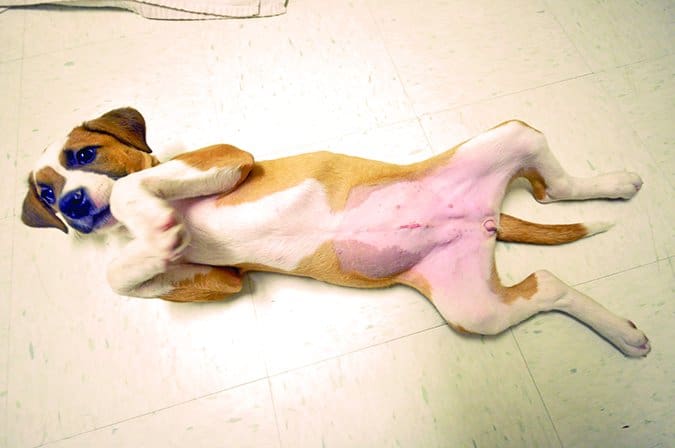
Image Source: cdn.whole-dog-journal.com
Grasping the Basics of Canine Alteration
Altering a dog is a common procedure in veterinary medicine. It is a permanent form of birth control for pets. Vets perform these surgeries routinely. They are safe when done by a trained professional. The goal is simple: stop unwanted puppies and kittens.
The Surgical Process: What Happens During Alteration?
The actual surgery differs slightly between male and female dogs. Both procedures require general anesthesia. This keeps the dog comfortable and pain-free during the operation.
Dog Castration Meaning: The Male Procedure
Dog castration meaning involves removing the testicles. These organs produce sperm and testosterone. The surgery is usually quicker than spaying. The incision is small. It heals fast for most dogs.
The Spayed Female Dog Procedure
A spayed female dog has had her ovaries and sometimes her uterus removed. This is a more involved surgery. It requires opening the abdominal cavity. The recovery time might be slightly longer than for a male dog.
Timing is Key: When to Spay a Dog
Deciding when to spay a dog is important. Vets often suggest different times based on the breed, size, and individual health of the dog.
- Traditional Advice: Many shelters and vets still recommend fixing pets before six months of age. This prevents early, accidental litters.
- Modern Considerations: Some research suggests waiting a bit longer for certain large breeds. This allows growth plates in their bones to close fully. However, waiting too long increases risks related to reproductive cancers. Always discuss the best timeline with your veterinarian.
Health Advantages of Altering Pets
The benefits of altering pets extend far beyond just stopping breeding. These surgeries offer significant advantages for the dog’s long-term health. They play a major role in promoting reproductive health in dogs.
Enhancing Health for Male Dogs (Neutered Dog Benefits)
Castration offers clear health perks for male dogs. Removing the testicles eliminates the source of certain hormones.
Reduced Cancer Risk
One major plus of neutered dog benefits is the protection against specific cancers.
- Testicular Cancer: This cancer is virtually eliminated after castration.
- Prostate Issues: Neutered males have a much lower risk of prostate enlargement (Benign Prostatic Hyperplasia or BPH). They also have a lower chance of prostate infections.
Decreased Risk of Certain Diseases
Castration can lower the risk of other severe health issues. This improves the overall well-being and longevity of the pet.
Boosting Health for Female Dogs (Spayed Female Dog Advantages)
For female dogs, spaying provides some of the most dramatic health improvements. A spayed female dog enjoys protection against serious uterine and ovarian diseases.
Preventing Pyometra
Pyometra is a very serious uterine infection. It affects unspayed females, often later in life. It requires emergency surgery and can be fatal. Spaying removes the uterus, thus eliminating the risk of pyometra entirely.
Lowering Cancer Risk
Spaying removes the ovaries, which greatly reduces the chance of ovarian cancer. Furthermore, if a female dog is spayed before her first heat cycle, the risk of mammary (breast) cancer drops dramatically. This is one of the strongest advantages of dog desexing.
| Health Issue Prevented | Unaltered Female Risk | Altered Female Risk |
|---|---|---|
| Pyometra (Uterine Infection) | High | Zero |
| Ovarian Cancer | Present | Zero |
| Mammary Cancer (Before first heat) | Significant | Very Low |
Behavioral Improvements Following Alteration
Many owners seek alteration to help manage unwanted or difficult behaviors. While surgery is not a cure-all for every bad habit, the canine sterilization impact on behavior can be substantial, especially when done early.
Changes in Male Dog Behavior
Testosterone drives many male dog behaviors. Removing the source of this hormone often calms things down.
- Roaming: Neutered males have less drive to escape the yard to search for females in heat. This lowers the risk of getting lost or injured.
- Marking Territory: While not always eliminated, urine marking indoors often decreases significantly after castration.
- Aggression Towards Other Males: Hormonally driven aggression towards intact males often lessens. This can lead to better socialization.
Changes in Female Dog Behavior
While female hormonal swings are less overtly aggressive than male roaming, spaying eliminates heat-related behaviors.
- Heat Cycles: Unspayed females go into heat roughly every six months. This involves restlessness, messiness (bleeding), and attracting unwanted male attention. Spaying stops this cycle completely.
It is vital to remember that surgery manages hormone-driven behavior. It will not fix learned behaviors like chewing, barking, or leash pulling. Training remains essential for a well-behaved companion.
The Societal Role: Dog Population Control
Perhaps the most important reason for altering pets is the fight against pet homelessness. Dog population control is a massive task globally. Millions of unwanted dogs end up in shelters every year.
Reducing Shelter Overload
Every litter born adds more strain to rescue systems. If dogs are not intentionally bred by responsible, licensed breeders, the overall number of homeless pets decreases. Sterilization is the single most effective tool owners have to prevent adding to this cycle.
Supporting Responsible Pet Ownership
Choosing to alter a pet shows a commitment to responsible pet ownership. It means you are not contributing, even accidentally, to the homeless pet crisis. The advantages of dog desexing directly benefit the community by reducing the number of strays needing care, food, and rehoming efforts.
Identifying an Altered Dog: Signs a Dog is Fixed
If you adopt a dog or acquire a new pet, you might wonder if they have been altered. Knowing the signs a dog is fixed can save you from unnecessary vet visits or surprise heat cycles.
Examining Male Dogs
For a neutered male dog, the most obvious sign is the absence of testicles in the scrotum.
- Physical Check: The scrotum will usually be present but empty, or it may appear slightly shrunken or deflated.
- Microchip or Tattoo: Shelters often place a small tattoo, usually green or blue, inside the abdomen or near the incision site, confirming sterilization.
- Vet Records: The easiest way is always checking the adoption or previous owner’s veterinary records.
Examining Female Dogs
Identifying a spayed female dog is sometimes less obvious externally.
- Surgical Scar: Look carefully along the midline of her underside, between the rear legs and the belly button area. A small, healed surgical scar indicates a spay operation. The incision location and appearance vary depending on the surgeon.
- No Heat Cycles: If a female dog has never had a heat cycle (swollen vulva, restlessness, attracting males) since a certain age, she is likely altered.
- Records: As with males, veterinary records provide the definitive answer regarding a spayed female dog.
Addressing Common Concerns About Alteration
Many myths surround the alteration process. Clearing up these misconceptions helps owners make informed decisions about their pet’s care.
Does Alteration Cause Weight Gain?
This is one of the most common worries. Altered dogs do not automatically get fat. Weight gain happens when calorie intake exceeds energy output. Hormonal changes after dog castration meaning can slightly lower the dog’s metabolism. This means owners must adjust food portions and ensure regular exercise. It is about management, not an inevitable side effect.
Will My Dog’s Personality Change Drastically?
A dog’s core personality—their temperament, intelligence, and bond with you—will not change. Alteration primarily targets reproductive instincts. Minor behavioral shifts, as noted before (less roaming, less heat distress), are common. Major negative personality swings are usually linked to other factors, not the surgery itself.
Is It Too Late to Alter an Older Dog?
No, it is rarely too late. While the benefits against certain cancers are greatest when done young, older dogs still benefit immensely from prevention of pyometra (if female) or prostate issues (if male). Older dogs may require more pre-surgical testing (bloodwork) to ensure their organs can safely handle anesthesia, but the neutered dog benefits still apply.
The Surgical Recovery Process
Recovery is a critical part of the canine sterilization impact. Owners must follow their vet’s post-operative instructions carefully to ensure quick healing.
Immediate Post-Surgery Care
The dog will be groggy initially from the anesthesia. Keep them warm and quiet. They should stay indoors in a confined, comfortable space for the first few days.
Managing Incisions and Activity Restriction
- E-Collars (The Cone): The dog must wear an Elizabethan collar or a recovery suit. This prevents licking or chewing the incision. Licking introduces bacteria and can pull out stitches.
- Activity Restriction: Limit running, jumping, and rough play for 10 to 14 days. This is essential to let internal sutures heal properly. For females, restricting jumping is especially important after spaying.
- Monitoring: Check the incision daily for excessive redness, swelling, or discharge. A small amount of clear discharge or a tiny scab is usually normal.
Pain Management
Vets prescribe pain medication for a few days after the surgery. Giving this medicine as directed is key to a smooth recovery. A dog in less pain rests better and heals faster.
Long-Term Advantages of Dog Desexing
Looking at the long term, the advantages of dog desexing cement its place as a standard part of responsible pet care.
Better Socialization and Public Safety
When fewer intact dogs are roaming, public safety improves. Stray intact males can be defensive or aggressive. Fewer heat cycles mean less unwanted attention at dog parks or on walks.
Financial Benefits
While the surgery costs money upfront, avoiding certain health crises saves money later. Treating pyometra in an emergency setting is extremely expensive. Preventing unwanted litters saves the immense cost associated with raising, vaccinating, and rehoming puppies. This preventative measure provides real financial relief over a pet’s lifetime.
The decision to alter your pet is a major health and ethical choice. It supports the reproductive health in dogs by eliminating disease risks and supports the wider community through effective dog population control.
Frequently Asked Questions (FAQ) About Dog Alteration
Q1: How soon after surgery can my dog exercise normally?
Generally, most dogs can resume normal activity levels about two weeks after the surgery. Females require stricter rest due to the abdominal incision. Always wait for your veterinarian’s final approval, usually after the incision checkup.
Q2: Will altering my female dog stop her “mood swings”?
Spaying eliminates the hormonal fluctuations caused by the heat cycle. This often results in a more stable temperament, as the stress and discomfort of heats are removed. However, it will not correct behavioral problems stemming from training issues or anxiety.
Q3: What is the difference between neutering and castration?
In common veterinary practice, these terms are often used interchangeably when discussing male dogs. Both refer to the removal of the testicles. Castration is the technical term, while neutering is the broader term used for altering both sexes.
Q4: Can a dog that has been spayed or neutered still get pregnant or impregnate?
No. Once the appropriate reproductive organs are removed (testicles for males, ovaries/uterus for females), the dog is permanently sterile and cannot reproduce. This is a key component of dog population control.
Q5: Are there any disadvantages to altering my dog?
The primary disadvantage often cited is the small risk associated with anesthesia and surgery itself, though modern veterinary standards make this risk very low. Some research suggests a possible slight increase in orthopedic issues or certain cancers in specific large breeds if altered very early, which is why timing should be discussed with your vet. For the vast majority of pets, the neutered dog benefits strongly outweigh these minimal risks.