
Did you know that a tiny pup’s needs are very different from a big dog’s? When you bring home a little furry friend, you want to give them the very best start in life. But choosing the right food for your small breed puppy can feel like navigating a maze. There are so many brands and ingredients, and it’s easy to get overwhelmed trying to figure out what’s truly good for their delicate tummies and growing bodies.
You might worry about whether they’re getting enough nutrients, if the kibble size is right for their little mouths, or if certain ingredients could cause tummy troubles. It’s a common challenge for new puppy parents! This is why focusing on small breed puppy food is so important – it’s specially made to meet those unique needs.
By reading on, you’ll learn exactly what to look for in a small breed puppy food. We’ll break down the key ingredients that help them grow strong, explain why kibble size matters, and help you avoid common pitfalls. Get ready to confidently pick the perfect meal that will fuel your little one’s adventures and keep them happy and healthy!
Top Puppy Dog Food Small Breed Recommendations

- REAL MEAT FIRST: Chicken is the #1 ingredient in this High-Protein Blue Buffalo puppy food
- ESSENTIAL NUTRITION FOR PUPPIES: This puppy dog food supports cognitive development with DHA, and it provides energy for growth and play
- IMMUNE SYSTEM SUPPORT: High protein dry dog food that contains exclusive, antioxidant-rich LifeSource Bits
- HEALTHY, WHOLESOME INGREDIENTS: This Blue Buffalo dog food is made with no chicken (or poultry) by-product meals and no corn, wheat, or soy
- Contains: One (1) 4-lb bag of Baby BLUE Healthy Growth Small Breed Puppy Dry Dog Food, Chicken and Oatmeal Recipe


- High in protein to meet the needs of highly active small dogs
- Real chicken is the first ingredient
- Fortified with guaranteed live probiotics for digestive and immune health
- Used to be known as FOCUS Chicken and Rice Formula
- DHA from omega-rich fish oil nourishes brain and vision development

- REAL CHICKEN FIRST: Blue Buffalo dry dog food starts with real chicken as the first ingredient to help support healthy muscle development in puppies from 2–12 months
- COMPLETE NUTRITION: This BLUE dog food provides balanced daily nutrition for puppies with chicken for protein, wholesome carbohydrates for energy, and other natural ingredients
- EXPERT-LED NUTRITION: Designed to help your pet thrive from the inside out, Blue Buffalo dog food formulas are developed by a dedicated team of veterinarians and animal nutritionists
- SUPPORTS IMMUNE SYSTEM HEALTH: BLUE Life Protection Formula dry puppy food features exclusive LifeSource Bits, a precise blend of antioxidants, vitamins, and minerals that are formed at a lower temperature to ensure optimal potency
- WHOLESOME GRAINS: A delicious dry dog food made with brown rice, barley, and oatmeal to support gentle, regular digestion and steady energy for active young dogs

- REAL CHICKEN FIRST: Blue Buffalo dry dog food starts with real chicken as the first ingredient to help support healthy muscle development in puppies from 2–12 months
- COMPLETE NUTRITION: This BLUE dog food provides balanced daily nutrition for small breed puppies with chicken for protein, wholesome carbohydrates for energy, and other natural ingredients
- EXPERT-LED NUTRITION: Designed to help your pet thrive from the inside out, Blue Buffalo dog food formulas are developed by a dedicated team of veterinarians and animal nutritionists
- SUPPORTS IMMUNE SYSTEM HEALTH: BLUE Life Protection Formula dry puppy food features exclusive LifeSource Bits, a precise blend of antioxidants, vitamins, and minerals that are formed at a lower temperature to ensure optimal potency
- WHOLESOME GRAINS: A delicious dry dog food made with brown rice, barley, and oatmeal to support gentle, regular digestion and steady energy for active small dogs

- High-Quality Protein: This Pedigree puppy dry dog food is made with high-quality protein sources to support muscle development in growing pups
- Support Healthy Vitality: This Pedigree puppy food recipe is made with 36 vitamins, minerals, and amino acids to support your puppy’s health and vitality
- Immune Health: Pedigree Puppy Dry Food Grilled Steak and Vegetable Flavor is fortified with vitamins & minerals to support a healthy immune system
- Complete and Balanced: Pedigree puppy dog food with Grilled Steak and Vegetable Flavor is specifically designed for puppies, providing 100% complete and balanced nutrition to your pet
- Made with Key Nutrients: Pedigree Puppy dog food is packed with key nutrients similar to mother's milk and essential for puppy development

- Growing bones and teeth supported by balanced minerals
- Healthy brain and eye development supported by DHA and Fish Oil
- Developing immune system supported by antioxidant blend
- Growing muscles fueled by high quality proteins
- Made with natural ingredients

- Real chicken is the first ingredient in this dog food for puppies to help provide the protein he needs for strong, growing muscles, including a healthy heart
- Purina ONE puppy kibble made with DHA, a nutrient found in mothers' milk, to support vision and brain development and four antioxidant sources to support a healthy immune system
- Easily digestible puppy dog food featuring a SmartBlend of high-quality ingredients, including omega-6 fatty acids, vitamins and minerals, for a shiny coat and healthy skin
- Deliciously crunchy bites and tender meaty morsels deliver great taste in this Purina puppy dry food formula made with no artificial flavors or preservatives
- Purina ONE dry dog food for puppies crafted in Purina-owned, U.S. facilities provides 100 percent nutrition for puppies with 0 percent fillers, so every ingredient has a purpose
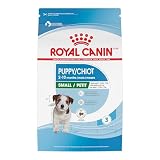
- SMALL BREED PUPPY FOOD: Royal Canin Small Breed Dry Puppy Food for puppies 2 to 10 months with an expected adult weight of 9 to 22 lbs
- CRUNCHY KIBBLE: Crunchy kibble texture is simple to serve and pairs perfectly with Royal Canin Small Puppy Thin Slices in Gravy canned puppy food
- GROWTH AND DEVELOPMENT: Small breed dog food for puppies supports brain development and energy needs during growth
- IMMUNE SUPPORT AND DIGESTIVE HEALTH: Antioxidants support the immune system, while prebiotics and proteins promote gut health
- MIXED FEEDING: Give your dog a savory textured meal by mixing in Royal Canin Small Puppy Thin Slices in Gravy canned puppy food
The Ultimate Buying Guide: Finding the Best Small Breed Puppy Food
Bringing home a new puppy is an exciting time! You want to give your tiny friend the best start in life, and that begins with proper nutrition. Small breed puppies have unique needs, so choosing the right food is crucial. This guide will help you navigate the world of small breed puppy food.
Key Features to Look For
When you’re looking at puppy food bags, keep an eye out for these important features:
- High-Quality Protein Source: Protein is essential for building strong muscles and a healthy body. Look for food where the first ingredient is a named meat, like chicken, lamb, or fish. This means it’s the main ingredient.
- Appropriate Calorie Density: Small breeds have fast metabolisms. They need food that packs a lot of energy into small kibble pieces. This helps them get enough calories without overstuffing their tiny tummies.
- Smaller Kibble Size: Little dogs have little mouths! The kibble should be small enough for them to chew easily. This prevents choking and makes mealtime more enjoyable.
- Nutrient Balance: Puppy food needs to be perfectly balanced for growth. It should have the right amounts of vitamins, minerals, and other nutrients. Look for formulas specifically made for puppies.
- Digestive Support: Some foods include ingredients like prebiotics and probiotics. These can help your puppy’s sensitive tummy digest food better and reduce upset stomachs.
Important Materials (Ingredients)
The ingredients list tells you what’s actually in the food. Here’s what to prioritize:
- Real Meat: As mentioned, named meat sources are best. Avoid generic “meat by-products” if possible.
- Whole Grains or Healthy Carbohydrates: Grains like brown rice or barley provide energy. Sweet potatoes or peas are also good carbohydrate sources.
- Healthy Fats: Omega-3 and Omega-6 fatty acids are important for a shiny coat and healthy skin. You’ll often find these from sources like fish oil or flaxseed.
- Vitamins and Minerals: These are vital for overall health. The food should be fortified with essential vitamins like A, D, and E, and minerals like calcium and phosphorus.
Factors That Improve or Reduce Quality
Not all puppy foods are created equal. Here’s what makes a difference:
- Improves Quality:
- Named Protein Sources: Knowing exactly what meat your puppy is eating is a good sign.
- Limited Artificial Additives: Foods with fewer artificial colors, flavors, and preservatives are generally better.
- Specific Formulas: Foods designed for small breeds often have more tailored nutrition.
- Reputable Brands: Well-known brands often invest more in research and quality control.
- Reduces Quality:
- Fillers: Ingredients like corn, wheat, or soy can sometimes be used as fillers. While not always bad, they should not be the primary ingredients.
- Artificial Ingredients: These offer no nutritional value and can sometimes cause sensitivities.
- Vague Ingredient Lists: If you can’t tell what an ingredient is, it’s a red flag.
User Experience and Use Cases
Choosing the right food leads to a happy, healthy puppy.
- User Experience: Owners often report that their puppies have more energy, better digestion, and shinier coats when eating high-quality small breed puppy food. Easy-to-digest formulas mean fewer tummy troubles and less mess. The smaller kibble size makes feeding easier and more enjoyable for the puppy.
- Use Cases:
- Daily Nutrition: This is the primary use – providing all the nutrients a growing small breed puppy needs.
- Transitioning from Mother’s Milk: Puppy food is designed to be the next step after weaning.
- Supporting Growth and Development: The specific nutrient profiles help puppies reach their full potential.
- Managing Sensitive Stomachs: Foods with added digestive aids can be very helpful for puppies prone to upset tummies.
Frequently Asked Questions (FAQ) about Small Breed Puppy Food
Q: What are the main key features I should look for in small breed puppy food?
A: You should look for high-quality protein sources, appropriate calorie density, smaller kibble size, a balanced nutrient profile for puppies, and ingredients that support digestion.
Q: What are the most important ingredients to have in small breed puppy food?
A: The most important ingredients are named meat sources (like chicken or lamb), whole grains or healthy carbohydrates, healthy fats like omega fatty acids, and essential vitamins and minerals.
Q: What factors can make small breed puppy food better in quality?
A: Factors that improve quality include named protein sources, limited artificial additives, formulas specifically for small breeds, and products from reputable brands.
Q: What factors can make small breed puppy food lower in quality?
A: Factors that reduce quality include fillers like excessive corn or wheat, artificial colors and flavors, and vague ingredient lists.
Q: How does user experience differ with good quality small breed puppy food?
A: Users often report puppies having more energy, better digestion, and shinier coats with high-quality food. Mealtime is also more enjoyable due to the kibble size.
Q: What are the main use cases for feeding small breed puppy food?
A: The main uses are providing daily nutrition for growing puppies, transitioning from mother’s milk, supporting overall development, and helping puppies with sensitive stomachs.
Q: How much protein should small breed puppy food have?
A: Puppy food, especially for small breeds, should generally have at least 25-30% protein to support their rapid growth.
Q: Is it okay to feed my small breed puppy adult food?
A: No, it is not recommended. Puppy food has specific nutrient levels needed for growth that adult food lacks.
Q: When should I switch from puppy food to adult food?
A: Small breeds typically transition to adult food around 9-12 months old, but always check with your veterinarian.
Q: How do I know if my puppy is sensitive to their food?
A: Signs of sensitivity include vomiting, diarrhea, itchy skin, or excessive ear infections.