
Does your furry friend often experience tummy troubles after meals? It can be heartbreaking to see your dog uncomfortable, and finding the right food can feel like a puzzle. Many owners struggle with gas, vomiting, or diarrhea, and navigating the vast world of dog food to find something gentle can be overwhelming. You want to give them the best, but what if the “best” is causing them pain?
Choosing the wrong food can lead to a cycle of discomfort for your dog and frustration for you. You worry about their health, and the sheer number of brands and ingredients makes it hard to know where to start. This post is here to help you cut through the confusion. We’ll explore what makes a dog food “sensitive stomach friendly” and what key ingredients to look for, and importantly, which ones to avoid.
By the end of this guide, you’ll have a clearer understanding of what your dog needs to feel their best. We’ll equip you with the knowledge to confidently choose a food that soothes their digestive system, leading to a happier, healthier pup. Let’s dive into the world of sensitive stomach dog foods and find the perfect fit for your canine companion.
Top Dog Foods For Sensitive Stomach Recommendations

- Oat meal is easily digestible and gentle on the digestive system
- High protein formula, with real salmon as the first ingredient
- Fortified with guaranteed live probiotics for digestive and immune health
- Used to be known as FOCUS Sensitive Skin and Stomach Salmon and Rice Formula
- Sunflower oil rich in omega-6 fatty acids for healthy skin and coat


- Triple support for stomach, skin and immune system health
- Highly digestible formula with prebiotic fiber that is gentle on the stomach for optimal nutrient absorption
- Enriched with Vitamin E and Omega-3 & 6 fatty acids, for healthy skin and a lustrous coat
- Clinically proven antioxidants, Vitamin C+E, for a healthy immune system
- 27 key nutrients, including essential vitamins, minerals, and omega 3 & 6 fatty acids. Complete and balanced nutrition for adult dogs’ health

- Triple support for stomach, skin and immune system health
- Highly digestible formula with prebiotic fiber that is gentle on the stomach for optimal nutrient absorption
- Enriched with Vitamin E and Omega-3 & 6 fatty acids, for healthy skin and a lustrous coat
- Clinically proven antioxidants, Vitamin C+E, for a healthy immune system
- 27 key nutrients, including essential vitamins, minerals, and omega 3 & 6 fatty acids. Complete and balanced nutrition for adult dogs’ health
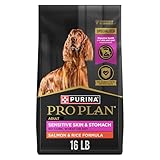
- Oat meal is easily digestible and gentle on the digestive system
- High protein formula, with real salmon as the first ingredient
- Fortified with guaranteed live probiotics for digestive and immune health
- Used to be known as FOCUS Sensitive Skin and Stomach Salmon and Rice Formula
- Sunflower oil rich in omega-6 fatty acids for healthy skin and coat

- Triple support for stomach, skin and immune system health
- Highly digestible formula with prebiotic fiber that is gentle on the stomach for optimal nutrient absorption
- Enriched with Vitamin E and Omega-3 & 6 fatty acids, for healthy skin and a lustrous coat
- Clinically proven antioxidants, Vitamin C+E, for a healthy immune system
- 27 key nutrients, including essential vitamins, minerals, and omega 3 & 6 fatty acids. Complete and balanced nutrition for adult dogs’ health

- Formulated high in protein to meet the needs of highly active small dogs
- High protein formula, with real salmon as the first ingredient
- Fortified with guaranteed live probiotics for digestive and immune health
- Used to be known as FOCUS Sensitive Skin and Stomach Salmon
- Sunflower oil rich in omega-6 fatty acids for healthy skin and coat

- Formulated to provide optimal digestive health in adult dogs
- Slow-cooked stew in a mouthwatering turkey flavor grown dogs love
- Promotes easier stool pickup with easily digestible ingredients
- Nourishes your grown dog's skin and coat with vitamin E and omega-6 fatty acids
- Add variety to meal time with Hill's Science Diet Adult Sensitive Stomach & Skin Chicken & Vegetable Entrée

- UPDATED FORMULA: Triple support for stomach, skin and immune system health
- Highly digestible formula with prebiotic fiber that is gentle on the stomach for optimal nutrient absorption
- Enriched with Vitamin E and Omega-3 & 6 fatty acids, for healthy skin and a lustrous coat
- Clinically proven antioxidants, Vitamin C+E, for a healthy immune system
- 27 key nutrients, including essential vitamins, minerals, and omega 3 & 6 fatty acids. Complete and balanced nutrition for adult dogs’ health
Choosing the Best Dog Food for Sensitive Stomachs
Does your furry friend often have tummy troubles? You’re not alone. Many dogs experience digestive issues, from gas and bloating to diarrhea and vomiting. Luckily, there are special dog foods designed to be gentle on their sensitive stomachs. This guide will help you find the perfect food for your pup.
Key Features to Look For
When picking a sensitive stomach dog food, focus on these important features:
Easily Digestible Proteins
- What to look for: Ingredients like lamb, duck, salmon, or hydrolyzed proteins. These are less likely to cause upset than common proteins like chicken or beef. Hydrolyzed proteins are broken down into tiny pieces, making them easier for dogs to digest.
- Why it matters: A sensitive stomach can’t handle tough proteins. Easier-to-digest options mean less work for their gut.
Limited Ingredient Diets (LID)
- What to look for: Foods with a short, simple ingredient list. This means fewer potential irritants.
- Why it matters: If your dog has a sensitive stomach, too many ingredients can be overwhelming. LID helps pinpoint what might be causing problems.
Prebiotics and Probiotics
- What to look for: Look for these good bacteria and fibers on the ingredient list.
- Why it matters: These help balance your dog’s gut health. They support good bacteria, which aids digestion and can reduce tummy upset.
Gentle Carbohydrates
- What to look for: Sources like sweet potatoes, rice, or oats. Avoid corn and wheat if your dog is sensitive.
- Why it matters: Some dogs struggle to digest certain grains. These gentler carbs offer energy without the digestive drama.
No Artificial Additives
- What to look for: Foods free from artificial colors, flavors, and preservatives.
- Why it matters: These additives can sometimes trigger allergic reactions or stomach upset in sensitive dogs.
Important Materials (Ingredients)
The ingredients in your dog’s food are crucial. Here’s what to prioritize:
- High-Quality Protein Sources: As mentioned, easily digestible proteins are key. Think single-source proteins if possible.
- Fiber Sources: Fiber helps move food through the digestive tract smoothly. Sweet potatoes, pumpkin, and certain grains provide this.
- Healthy Fats: Omega-3 and Omega-6 fatty acids support overall health, including skin and coat, which can sometimes be linked to digestive issues. Fish oil is a great source.
- Vitamins and Minerals: A balanced blend ensures your dog gets all the nutrients they need for good health.
Factors That Improve or Reduce Quality
Understanding what makes a dog food great or not-so-great helps you make informed choices.
What Improves Quality:
- Transparency: Brands that clearly list all their ingredients and where they source them often have higher quality products.
- Veterinarian Formulated: Foods developed with input from veterinary nutritionists tend to be well-balanced and effective.
- AAFCO Statement: Look for a statement on the packaging that says the food meets the nutritional levels established by the Association of American Feed Control Officials (AAFCO). This ensures it’s complete and balanced.
What Reduces Quality:
- Fillers: Ingredients like excessive corn, wheat, or soy can be used to bulk up food but offer little nutritional value and can cause digestive problems.
- Artificial Ingredients: As noted, these can be problematic.
- Vague Ingredient Lists: Terms like “meat by-products” without specifying the type of meat are a red flag.
User Experience and Use Cases
Many dog owners have found success with sensitive stomach formulas.
- Common Use Cases:
- Dogs with recurring diarrhea or constipation.
- Pups who experience frequent gas and bloating.
- Dogs with known food allergies or sensitivities.
- Puppies and senior dogs who might have more delicate digestive systems.
- User Experience: Owners often report a noticeable improvement in their dog’s stool quality, reduced gas, and increased comfort after switching to a sensitive stomach formula. They also mention their dogs seem happier and more energetic.
Frequently Asked Questions (FAQ)
Q: What are the main Key Features of sensitive stomach dog food?
A: The main key features include easily digestible proteins, limited ingredients, prebiotics and probiotics for gut health, gentle carbohydrates, and no artificial additives.
Q: What are some important materials or ingredients I should look for?
A: Look for high-quality, easily digestible proteins like lamb or duck, gentle fiber sources like sweet potatoes or pumpkin, healthy fats, and a balanced mix of vitamins and minerals.
Q: What factors can make sensitive stomach dog food better or worse?
A: Transparency in ingredient sourcing, veterinarian formulation, and AAFCO statements improve quality. Fillers, artificial ingredients, and vague ingredient lists reduce quality.
Q: How do I know if my dog has a sensitive stomach?
A: Signs include frequent vomiting, diarrhea, gas, bloating, or skin issues. If you notice these, talk to your vet.
Q: Can I switch my dog’s food abruptly?
A: No. It’s best to transition your dog to new food slowly over 7-10 days to avoid upsetting their stomach.
Q: Are grain-free foods always better for sensitive stomachs?
A: Not necessarily. Some dogs are sensitive to grains, but others are not. The key is finding a gentle carbohydrate source that works for your individual dog.
Q: How long does it take to see results after switching food?
A: Many owners notice improvements within a week or two, but it can sometimes take up to a month for your dog’s digestive system to fully adjust.
Q: What if my dog doesn’t like the taste of sensitive stomach food?
A: Some sensitive stomach formulas have different flavors. You can also try adding a small amount of plain, cooked pumpkin or a veterinarian-approved topper to make it more appealing.
Q: Should I consult my veterinarian before choosing a sensitive stomach dog food?
A: Yes, absolutely. Your vet can help diagnose the cause of your dog’s stomach issues and recommend the best food for their specific needs.
Q: What are some common ingredients that dogs with sensitive stomachs should avoid?
A: Dogs with sensitive stomachs often need to avoid common allergens like chicken and beef, as well as artificial colors, flavors, preservatives, and sometimes grains like corn and wheat.