
Does your furry friend suffer from itchy skin, upset stomachs, or other mysterious ailments? You’re not alone. Many dog owners face the challenging puzzle of figuring out exactly what’s making their beloved companion uncomfortable. When the usual dog food just doesn’t cut it, and you’re looking for answers, you might hear about “hydrolyzed protein” dog food. But what does that really mean, and is it the right choice for your dog?
Navigating the world of specialized dog food can feel overwhelming. You want the best for your dog, but the sheer number of options and technical terms can leave you feeling confused and frustrated. You’re probably wondering if hydrolyzed protein is just a fad, or if it’s a genuine solution for common dog health issues. This post is here to clear the air and give you the information you need.
By the end of this article, you’ll understand what hydrolyzed protein is, why it’s used in dog food, and how it can potentially help your dog feel their best. We’ll break down the benefits and help you understand if this type of food is the missing piece to your dog’s health puzzle. Let’s dive in and discover how hydrolyzed protein might be the key to a happier, healthier pup.
Top Dog Food With Hydrolyzed Protein Recommendations

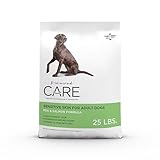
- DOGS WITH FOOD SENSITIVITIES: Veterinary-exclusive dry dog food made with hydrolyzed protein for adult dogs with food sensitivities
- HYDROLYZED PROTEIN: Hydrolyzed soy protein, composed of low molecular weight peptides, is highly digestible and supports gastrointestinal and dermatological health
- SKIN BARRIER: Formulated to support the skin’s natural protective barrier
- EPA AND DHA: Enriched with EPA+DHA fatty acids to help maintain a healthy skin & digestion
- DIGESTIVE HEALTH: Helps regulate intestinal transit and supports a balanced digestive flora

- A NEW PREMIUM alternative to hydrolyzed protein veterinary diets at a GREAT VALUE without the need for a prescription.
- VETERINARIAN FORMULATED for dogs with food sensitivities and other skin/haircoat or digestive concerns.
- Features HYDROLYZED PROTEIN which can help limit skin & GI reactions found with other common proteins ingredients.
- A LIMITED INGREDIENT DIET made with high-quality protein & one primary carbohydrate source.
- CRUCIAL OMEGA 3 & 6 FATTY ACIDS INCLUDING DHA & EPA support healthy skin and a shiny coat, immune system health and brain function.

- DOGS WITH FOOD SENSITIVITIES: Veterinary-exclusive dry dog food made with hydrolyzed protein for adult dogs with food sensitivities
- HYDROLYZED PROTEIN: Hydrolyzed soy protein, composed of low molecular weight peptides, is highly digestible and supports gastrointestinal and dermatological health
- SKIN BARRIER: Formulated to support the skin’s natural protective barrier
- EPA AND DHA: Enriched with EPA+DHA fatty acids to help maintain a healthy skin & digestion
- DIGESTIVE HEALTH: Helps regulate intestinal transit and supports a balanced digestive flora

- Hill's Prescription Diet z/d Hydrolyzed Dry Dog Food is specially formulated by Hill’s nutritionists and veterinarians to manage dogs' food sensitivities.
- Nutrition clinically proven to help avoid skin and digestive signs of adverse food reactions.
- Made with highly hydrolyzed proteins that are broken down to avoid detection by the immune system.
- Rich in Omega-6 & 3 fatty acids to promote skin health and regeneration.
- Continued feeding reduces risk of adverse food reactions & promotes healthy skin and digestion.
- Protein from a single source hydrolyzed salmon and added Omega fatty acids; These acids are Guaranteed for For this condition; ideal for L.I.D diets
- Because of their importance we GUARANTEE the levels antioxidants (vitamin E) for the IMMUNE system and omega fatty acids for healthy skin and shiny coat
- Nutrient rich and HIGHLY digestible with PROPRIETARY, PROBIOTICS that survive and thrive in the GI tract; also at guaranteed levels
- FAMILY OWNED, MADE in the USA with quality ingredients from local and global sources

- Formula contains hydrolyzed protein sources
- Single carbohydrate source
- Highly digestible to promote optimal nutrient absorption
- High-quality protein
- Contains antioxidants

- Formula contains hydrolyzed protein sources
- Single carbohydrate source
- Highly digestible to promote optimal nutrient absorption
- High-quality protein
- Contains antioxidants
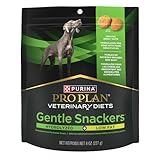
- Hydrolyzed dog treats formulated for dogs with food sensitivities
- Low fat Purina dog treats for dogs on a weight loss plan
- An excellent choice for dog owners searching for sensitive stomach dog treats
- Great-tasting weight management treats with an enticing, crunchy texture
- Purina Pro Plan Veterinary Diets treats made with a single hydrolyzed protein source
Choosing the Best Hydrolyzed Protein Dog Food: A Complete Guide
Why Hydrolyzed Protein Dog Food?
Sometimes, our furry friends have sensitive tummies or allergies. Hydrolyzed protein dog food can be a game-changer for them. This special food breaks down proteins into tiny pieces. This makes it harder for a dog’s body to recognize them as allergens. This can help soothe itchy skin and upset stomachs.
Key Features to Look For
- Single Novel Protein Source: Look for foods that use one type of protein your dog hasn’t had much of before. This makes it easier to pinpoint what might be causing issues.
- Limited Ingredient List: Fewer ingredients mean fewer chances for a reaction. A simple recipe is often better.
- No Artificial Additives: Avoid artificial colors, flavors, and preservatives. These can sometimes cause problems.
- Guaranteed Analysis: This tells you the protein, fat, and fiber content. Make sure it meets your dog’s nutritional needs.
- Palatability: Even the best food won’t help if your dog won’t eat it! Many hydrolyzed foods are made to taste good.
Important Materials
The “hydrolyzed” part is key. This means the protein source has been broken down. Common protein sources in hydrolyzed foods include:
- Chicken: Often broken down into very small pieces.
- Soy: Another common option for creating hypoallergenic formulas.
- Fish: Like salmon or whitefish, which can be good for skin and coat health.
- Lamb: Sometimes used for dogs sensitive to chicken.
Carbohydrate sources are also important. Many hydrolyzed foods use:
- Rice: A common and easily digestible carbohydrate.
- Potato: Another good option for sensitive dogs.
- Peas: A good source of fiber and nutrients.
Factors That Improve Quality
- Veterinarian Recommended: If your vet suggests a specific brand or type, it’s usually a good sign.
- High-Quality Ingredients: Even though the protein is broken down, the quality of the original ingredients matters.
- Added Omega-3 Fatty Acids: These can help with skin and coat health, which is often a problem for dogs with allergies.
- Probiotics: These good bacteria help support a healthy gut, which is important for digestion.
Factors That Reduce Quality
- Fillers: Ingredients like corn or wheat can sometimes cause allergies or aren’t as nutritious.
- Excessive Artificial Ingredients: These offer no nutritional value and can be problematic.
- Poor Protein Source Quality: If the original protein isn’t high quality, the hydrolyzed version might still be less effective.
User Experience and Use Cases
Many dog owners turn to hydrolyzed protein food when their dogs show signs of allergies. These signs include:
- Excessive scratching
- Skin redness or rashes
- Gastrointestinal upset (vomiting, diarrhea)
- Ear infections
Owners often report seeing a noticeable improvement in their dog’s comfort and health within a few weeks of switching to a hydrolyzed protein diet. It’s a great choice for dogs undergoing elimination diets to identify specific food allergens.
Frequently Asked Questions about Hydrolyzed Protein Dog Food
Q: What exactly is hydrolyzed protein?
A: Hydrolyzed protein is protein that has been broken down into very small pieces. This makes it less likely for a dog’s immune system to react to it.
Q: When should I consider feeding my dog hydrolyzed protein food?
A: You should consider it if your dog has food allergies or sensitivities that cause skin irritation, itching, or digestive problems.
Q: Is hydrolyzed protein food good for all dogs?
A: It’s not necessary for all dogs. It’s best for dogs with specific dietary needs or diagnosed allergies.
Q: How long does it take to see results from hydrolyzed protein food?
A: Many owners see improvements within 4 to 8 weeks, but it can vary for each dog.
Q: Can my dog eat regular treats while on a hydrolyzed protein diet?
A: It’s best to stick to hydrolyzed protein treats or those with a single, novel ingredient to avoid triggering allergies.
Q: Does hydrolyzed protein taste bad?
A: While some dogs might be picky, many brands work hard to make their hydrolyzed protein foods palatable and appealing to dogs.
Q: Where can I buy hydrolyzed protein dog food?
A: You can find it at most pet specialty stores, online retailers, and sometimes at your veterinarian’s office.
Q: Is hydrolyzed protein food more expensive?
A: Yes, it can be more expensive than regular dog food because of the specialized processing involved.
Q: Can I switch my dog to hydrolyzed protein food on my own?
A: It’s always best to talk to your veterinarian before making a big change to your dog’s diet, especially if you suspect allergies.
Q: What is a “novel protein” in dog food?
A: A novel protein is a protein source that your dog hasn’t been exposed to much before, making it less likely to cause an allergic reaction.