
Imagine a tiny ball of fluff, all clumsy paws and boundless energy, who will one day grow into a magnificent, towering companion. Welcoming a large breed puppy into your home is an exciting adventure, but it also comes with a unique set of responsibilities. One of the biggest challenges for new owners is figuring out what to feed their growing giant.
Choosing the right dog food for a large breed puppy can feel overwhelming. There are so many brands and formulas, each promising to be the best. You might worry about giving them too much or too little, or if you’re picking something that will support their rapid growth without causing health problems later on. It’s a common concern that many new puppy parents face.
But don’t worry, you’re not alone! By reading on, you’ll discover the key ingredients to look for, understand the specific nutritional needs of these fast-growing pups, and learn how to avoid common mistakes. We’ll break down the confusing labels and help you feel confident in your choice, ensuring your furry friend gets the best start possible.
Top Dog Food Large Breed Puppies Recommendations

- Diamond Naturals Large Breed Puppy Lamb and Rice dry dog food; REAL PASTURE-RAISED LAMB is the #1 ingredient; specially formulated with carefully determined protein and mineral content to support the needs of LARGE BREED PUPPIES

- Real chicken is the number 1 ingredient in this dry puppy food to help provide the protein he needs for strong, growing muscles, including a healthy heart
- Purina ONE puppy food made with DHA, a nutrient found in mothers' milk, to support vision and brain development and four antioxidant sources for immune support for dogs
- Purina large breed dry puppy food with high protein and glucosamine for dogs helps maintain an appropriate growth rate and supports dog joint health
- Deliciously crunchy bites and tender meaty morsels deliver great taste in this Purina ONE dry dog food for large breed puppies made with no artificial flavors or preservatives
- Crafted in Purina-owned, U.S. facilities with a SmartBlend of high-quality ingredients, including omega-6 fatty acids, vitamins and minerals to support a shiny, healthy skin and coat for dogs
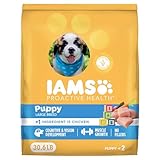
- Veterinarians Recommend IAMS: IAMS large breed dog food recipe is made with real chicken as the #1 ingredient and contains no fillers or artificial flavors; ingredients are natural as defined by the Association of American Feed Control Officials (AAFCO)
- Healthy Cognitive & Vision Development: IAMS Dog Food Proactive Health Large Breed Dry Puppy Food is formulated with Omega-3 DHA to support smarter, more trainable puppies, providing a great start with essential nutrients
- Healthy Bones & Joints: IAMS dog food large breed puppy dry is formulated with essential nutrients and optimal calcium levels to support healthy bones & joints
- Immune System Support: IAMS proactive health dog food is enriched with essential antioxidants Vitamin E and Selenium to help develop a strong immune system
- The Proactive 5 Difference: The Proactive 5 health benefits for IAMS Dog Food Dry Recipe for Large Breed Puppies are scientifically designed to support five key areas of your dog's health, keeping them full of life, for more of life

- Growing bones and teeth supported by balanced minerals
- Healthy brain and eye development supported by DHA and Fish Oil
- Developing immune system supported by antioxidant blend
- Growing muscles fueled by high quality proteins
- Made with natural ingredients

- Formulated to support an appropriate growth rate for large breed puppies
- Glucosamine supports developing joints and cartilage
- Vitamin A and omega-6 fatty acids to nourish skin and coat
- High protein formula, with real chicken as the first ingredient
- DHA from omega-rich fish oil nourishes brain and vision development
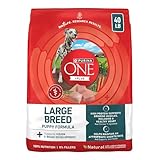
- Real chicken is the number one ingredient in this dry food for puppies to help provide the protein he needs for strong, growing muscles, including a healthy heart
- Purina ONE large breed puppy food made with DHA, a nutrient found in mothers' milk, to support vision and brain development and four antioxidant sources to support a strong immune system
- High protein Purina dry puppy food with glucosamine helps maintain an appropriate growth rate and supports joint health for dogs
- Deliciously crunchy bites and tender meaty morsels deliver great taste in this Purina ONE large breed puppy dog dry food formula made with no artificial flavors or preservatives
- Crafted in Purina-owned, U.S. facilities with a SmartBlend of high-quality ingredients, including omega-6 fatty acids, vitamins and minerals to support a shiny coat and healthy skin

- Diamond Naturals Large Breed Puppy Lamb and Rice dry dog food; REAL PASTURE-RAISED LAMB is the #1 ingredient; specially formulated with carefully determined protein and mineral content to support the needs of LARGE BREED PUPPIES

- Growing bones and teeth supported by balanced minerals
- Healthy brain and eye development supported by DHA and Fish Oil
- Developing immune system supported by antioxidant blend
- Growing muscles fueled by high quality proteins
- Made with natural ingredients
Choosing the Best Food for Your Large Breed Puppy
Bringing a big, bouncy large breed puppy home is an exciting time! These growing giants need special nutrition to support their rapid development and prevent common health issues. Finding the right food is crucial for their long-term well-being. This guide will help you navigate the world of large breed puppy food.
Key Features to Look For
When you’re shopping for large breed puppy food, keep these important features in mind:
- Controlled Growth: Large breed puppies grow very quickly. The food should help them grow at a healthy pace, not too fast. This helps protect their bones and joints.
- Specific Calcium and Phosphorus Levels: These minerals are vital for bone health. The right balance prevents problems like rickets or developmental orthopedic disease.
- Joint Support Ingredients: Look for added glucosamine and chondroitin. These natural compounds help build and maintain healthy cartilage in their joints.
- Appropriate Calorie Density: Large breed puppies need fewer calories per pound than smaller breeds. Overfeeding can lead to obesity and joint strain.
- High-Quality Protein Source: Protein builds strong muscles. Look for a named meat source like chicken, lamb, or fish as the first ingredient.
Important Ingredients to Prioritize
The ingredients list tells the story of your puppy’s food. Here’s what to look for:
- Named Meat Meal or Meat as the First Ingredient: This is the primary source of protein and essential amino acids. Examples include chicken meal, lamb meal, or deboned salmon.
- Whole Grains or Complex Carbohydrates: These provide energy and fiber. Good options include brown rice, barley, and oats.
- Healthy Fats: Omega-3 and Omega-6 fatty acids are important for skin, coat, and brain health. Fish oil and flaxseed are good sources.
- Vitamins and Minerals: A balanced blend of essential vitamins and minerals supports overall health and immune function.
- Antioxidants: Ingredients like berries or vitamin E help protect your puppy’s cells from damage.
Factors That Improve or Reduce Quality
Some things make a dog food great, while others can make it less ideal.
-
What Improves Quality:
- Limited, recognizable ingredients: This means fewer fillers and more of what your puppy needs.
- AAFCO Statement: Look for a statement on the packaging that says the food is “complete and balanced” for large breed puppies, according to the Association of American Feed Control Officials (AAFCO).
- Veterinarian Recommended: Many brands work with vets to develop their formulas.
-
What Reduces Quality:
- Artificial colors, flavors, and preservatives: These offer no nutritional value and can sometimes cause sensitivities.
- Generic meat by-products: These are less digestible and nutritious than named meat sources.
- Excessive fillers: Ingredients like corn, wheat, or soy in large amounts can be less beneficial for some puppies.
User Experience and Use Cases
Many owners find that feeding a good quality large breed puppy food leads to visible improvements. Their puppies have more energy, a shinier coat, and fewer digestive issues. The food is designed for their specific growth stage, helping to prevent common problems like hip dysplasia or elbow dysplasia.
Choosing the right food is an investment in your puppy’s future health and happiness. By understanding these key features and ingredients, you can make an informed decision that sets your large breed puppy up for a lifetime of good health.
Frequently Asked Questions about Large Breed Puppy Food
Q: Why do large breed puppies need special food?
A: Large breed puppies grow very fast. Special food helps them grow at a healthy pace to protect their bones and joints.
Q: What is AAFCO, and why is it important?
A: AAFCO is an organization that sets standards for pet food. The AAFCO statement on the bag means the food is complete and balanced for your puppy.
Q: How much should I feed my large breed puppy?
A: The amount varies by food and your puppy’s age and activity level. Always check the feeding guide on the food bag and ask your vet.
Q: Can I feed my large breed puppy adult dog food?
A: No, you shouldn’t. Puppy food has the right nutrients for growing puppies. Adult food doesn’t have what they need.
Q: What are the signs of a good large breed puppy food?
A: Your puppy will have good energy, a shiny coat, and healthy digestion. They will grow steadily.
Q: How long should I feed my puppy large breed food?
A: Most large breed puppies eat puppy food until they are about 12-18 months old. Your vet can give you the best advice.
Q: What if my puppy is a picky eater?
A: Try warming the food slightly or adding a small amount of plain, boiled chicken. If the problem continues, talk to your vet.
Q: Are grain-free foods better for large breed puppies?
A: Not necessarily. Many puppies do well on foods with grains. Grain-free is only needed if your vet advises it due to allergies.
Q: What are common health issues in large breed puppies that food can help prevent?
A: Food can help prevent joint problems like hip and elbow dysplasia by controlling growth and providing joint support ingredients.
Q: When should I transition my puppy to adult food?
A: You should transition your puppy to adult food when they reach their adult size, usually between 12 and 18 months old. Discuss this with your veterinarian.