
Does your little furry friend often have tummy troubles after meals? It can be heartbreaking to see your small dog uncomfortable. Choosing the right food for a sensitive stomach is a big challenge. You worry about what ingredients might upset them, and the sheer variety of options can feel overwhelming. It’s tough to know which brands truly cater to delicate digestive systems.
But what if you could find a food that not only soothes their tummy but also provides all the nutrition they need to thrive? This post is here to help. We’ll explore what makes a dog food ideal for small breeds with sensitive stomachs. By understanding these key factors, you’ll gain the confidence to pick the perfect meal for your beloved pup.
Get ready to discover the secrets to a happy, healthy gut for your small dog. We’ll break down what to look for and what to avoid, so you can say goodbye to those upset tummies and hello to a more energetic, joyful companion.
Top Dog Food For Small Dogs With Sensitive Stomach Recommendations
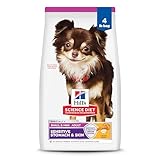
- UPDATED FORMULA: Triple support for stomach, skin and immune system health
- Highly digestible formula with prebiotic fiber that is gentle on the stomach for optimal nutrient absorption
- Enriched with Vitamin E and Omega-3 & 6 fatty acids, for healthy skin and a lustrous coat
- Clinically proven antioxidants, Vitamin C+E, for a healthy immune system
- 27 key nutrients, including essential vitamins, minerals, and omega 3 & 6 fatty acids. Complete and balanced nutrition for adult dogs’ health

- UPDATED FORMULA: Triple support for stomach, skin and immune system health
- Highly digestible formula with prebiotic fiber that is gentle on the stomach for optimal nutrient absorption
- Enriched with Vitamin E and Omega-3 & 6 fatty acids, for healthy skin and a lustrous coat
- Clinically proven antioxidants, Vitamin C+E, for a healthy immune system
- 27 key nutrients, including essential vitamins, minerals, and omega 3 & 6 fatty acids. Complete and balanced nutrition for adult dogs’ health

- Triple support for stomach, skin and immune system health
- Highly digestible formula with prebiotic fiber that is gentle on the stomach for optimal nutrient absorption
- Enriched with Vitamin E and Omega-3 & 6 fatty acids, for healthy skin and a lustrous coat
- Clinically proven antioxidants, Vitamin C+E, for a healthy immune system
- 27 key nutrients, including essential vitamins, minerals, and omega 3 & 6 fatty acids. Complete and balanced nutrition for adult dogs’ health

- REAL MEAT TURKEY FIRST: This Blue Buffalo dry dog food is made with real, high-quality turkey as the #1 ingredient
- ADULT SMALL BREED FORMULA: This natural dog food for small breeds supports gentle digestion and is balanced to support higher energy needs
- IMMUNE SYSTEM SUPPORT: This dry dog food contains exclusive, antioxidant-rich LifeSource Bits
- HEALTHY, WHOLESOME INGREDIENTS: This Blue Buffalo dog food is made with no chicken (or poultry) by-product meals, and no corn, wheat, or soy
- Contains: One (1) 4-lb bag of BLUE Basics Skin & Stomach Care Adult Small Breed Dry Dog Food, Turkey & Potato Recipe

- SENSITIVE SKIN & STOMACH DOG FOOD: Made with gluten free grains and no chicken, this kibble is ideal for sensitive dogs prone to allergies. It is formulated with proper levels of Omega 3, Omega 6 and Vitamin E to nourish a healthy skin and coat.
- SUPPORTS GUT HEALTH: This complete and balanced recipe is fortified with prebiotics and probiotics that strengthen gut health and nourish your pup's microbiome. Probiotics support a healthy digestion as well as a strong immune system, both of which are vital for good health and longevity.
- QUALITY INGREDIENTS: High-quality salmon meal is the first ingredient in this nutrient dense recipe. With high amounts of animal protein, we proudly share the percentage of all protein sources on the front of our bag. The high-quality proteins in this recipe help build and maintain lean muscle, sustain energy and promote stamina for a full and healthy life.
- PROPRIETARY VPRO BLEND: This super premium dry dog food has been formulated with our exclusive mix of supplements, vitamins and minerals which help maximize the genetic potential of every dog, regardless of breed, age, or activity level, and promote superior digestibility and immune system function.
- MADE IN THE USA: We proudly produce every bag of VICTOR kibble in our own Texas-based facility and do not waver in our commitment to high-quality nutrition. A majority of ingredients of our pet food come from ranches, farms and other trusted suppliers who are within a day’s drive of our East Texas plant.

- Formulated high in protein to meet the needs of highly active small dogs
- High protein formula, with real salmon as the first ingredient
- Fortified with guaranteed live probiotics for digestive and immune health
- Used to be known as FOCUS Sensitive Skin and Stomach Salmon
- Sunflower oil rich in omega-6 fatty acids for healthy skin and coat

- Formulated to provide optimal digestive health in adult dogs
- Slow-cooked stew in a mouthwatering turkey flavor grown dogs love
- Promotes easier stool pickup with easily digestible ingredients
- Nourishes your grown dog's skin and coat with vitamin E and omega-6 fatty acids
- Add variety to meal time with Hill's Science Diet Adult Sensitive Stomach & Skin Chicken & Vegetable Entrée

- FOR SMALL DOGS WITH SENSITIVE STOMACHS: Royal Canin Small Digestive Care Dry Dog Food is formulated for small dogs 10 months and older weighing up to 22 lb with a sensitive stomach
- HEALTHY DIGESTION: Optimal blend of highly digestible proteins, prebiotics, and dietary fibers promotes healthy digestion
- OPTIMAL STOOL: Aids digestion and supports a balanced intestinal flora that also promotes optimal stool quality
- DIGESTIBLE FORMULA: Highly digestible proteins support digestive health
- MIX WITH WET FOOD: Perfect complement to Royal Canin Wet Dog Food formulas
Choosing the Best Dog Food for Small Dogs with Sensitive Stomachs
Finding the right food for your small dog with a sensitive stomach can feel like a challenge. You want to ensure they get the nutrition they need without causing tummy troubles. This guide will help you navigate the options and pick a food that keeps your furry friend happy and healthy.
Key Features to Look For
When searching for sensitive stomach food for small breeds, several features stand out.
Easily Digestible Proteins
Look for foods with single, novel protein sources. This means the protein comes from one type of meat that your dog hasn’t eaten much before. Good options include duck, lamb, rabbit, or fish. Avoid common allergens like chicken or beef if you suspect they cause issues.
Limited Ingredient Diets (LID)
These foods have fewer ingredients. This makes it easier to pinpoint what might be bothering your dog’s stomach. Fewer ingredients also mean less chance of an ingredient causing a reaction.
Prebiotics and Probiotics
These are good for your dog’s gut health. Prebiotics feed the good bacteria in their stomach. Probiotics are the good bacteria themselves. They help balance your dog’s digestive system.
Gentle Carbohydrates
Opt for easily digestible carbs like sweet potatoes, rice, or oats. Avoid common fillers like corn or wheat, which can sometimes upset sensitive stomachs.
Appropriate Size and Texture
Small dogs have smaller mouths and teeth. Look for kibble that is small and easy for them to chew. This prevents choking and aids digestion.
Important Materials to Consider
The ingredients in your dog’s food are crucial.
High-Quality Protein Sources
As mentioned, novel proteins are key. Look for them listed as the first ingredient. This shows they make up a significant portion of the food.
Wholesome Grains or Grain-Free Options
Some dogs do well with gentle grains like rice or oats. Others may need grain-free options. If your vet recommends a grain-free diet, ensure it uses safe alternatives.
Natural Fiber
Fiber helps move food through the digestive tract. Ingredients like pumpkin or psyllium husk can be beneficial.
Healthy Fats
Omega-3 and Omega-6 fatty acids support skin and coat health, which can sometimes be affected by digestive issues. Fish oil is a great source.
Factors That Improve or Reduce Quality
Certain things make dog food better or worse for sensitive tummies.
What Improves Quality:
- **Natural Preservatives:** Foods preserved with vitamin E (tocopherols) or rosemary extract are better than those with artificial preservatives.
- **No Artificial Colors or Flavors:** These offer no nutritional value and can sometimes trigger sensitivities.
- **Vet Recommended Formulas:** Many brands offer formulas specifically designed for digestive health and are often recommended by veterinarians.
What Reduces Quality:
- **Fillers:** Ingredients like corn, wheat, and soy can be hard to digest for some dogs.
- **Artificial Additives:** Colors, flavors, and preservatives can cause stomach upset.
- **By-products:** While not always bad, vague “meat by-products” can be lower quality and harder to digest than specific protein sources.
User Experience and Use Cases
Many owners report positive changes when switching to specialized food.
Improved Digestion
Owners often see a reduction in vomiting, diarrhea, and gas. Their dogs seem more comfortable and less bloated.
Increased Energy Levels
When a dog’s stomach is happy, they have more energy to play and enjoy life. They absorb nutrients better.
Healthier Skin and Coat
Sensitive stomachs can sometimes lead to skin issues. A good diet can improve coat shine and reduce itching.
Use Cases:
- **Transitioning a new puppy:** Puppies often have sensitive stomachs as they adjust to new foods.
- **Dogs with known allergies:** If your dog has a diagnosed food allergy, LID is essential.
- **Senior dogs:** Older dogs may have slower digestion and benefit from easily digestible formulas.
- **Post-illness recovery:** After a bout of stomach upset, a gentle diet helps them recover.
Frequently Asked Questions (FAQ)
Q: How do I know if my small dog has a sensitive stomach?
A: Signs include frequent vomiting, diarrhea, gas, bloating, and sometimes skin issues or a dull coat. A vet can help confirm if your dog has a sensitive stomach.
Q: How quickly should I see improvements in my dog’s digestion after switching food?
A: You might see some changes within a week, but it can take up to 4-6 weeks for their system to fully adjust and for you to see the best results.
Q: Can I mix sensitive stomach food with my dog’s regular food?
A: It’s best not to mix. Transition to the new food gradually over 7-10 days to avoid overwhelming their sensitive system.
Q: Are grain-free foods always better for sensitive stomachs?
A: Not necessarily. Some dogs tolerate gentle grains like rice or oats well. It depends on the individual dog. Consult your vet.
Q: What are “novel proteins”?
A: Novel proteins are protein sources that your dog has not been exposed to much before. This helps reduce the chance of an allergic reaction.
Q: How much should I feed my small dog with a sensitive stomach?
A: Follow the feeding guidelines on the food bag, but adjust based on your dog’s age, activity level, and metabolism. Your vet can give you specific advice.
Q: What if my dog doesn’t like the taste of the sensitive stomach food?
A: Some sensitive stomach foods can have a less appealing taste. You can try warming the food slightly or adding a small amount of plain, cooked chicken broth (if it doesn’t contain ingredients your dog reacts to).
Q: Can I give my dog treats if they have a sensitive stomach?
A: Yes, but choose treats with simple, limited ingredients that match their sensitive stomach food. Avoid common allergens and artificial ingredients.
Q: What are some common ingredients that cause stomach upset in dogs?
A: Common culprits include corn, wheat, soy, dairy, artificial colors, flavors, and preservatives. Some dogs are also sensitive to specific proteins like chicken or beef.
Q: When should I see a veterinarian about my dog’s sensitive stomach?
A: You should see a vet if your dog has persistent digestive issues, if they are losing weight, seem lethargic, or if you notice blood in their stool. A vet can rule out serious health problems.