
Does your furry friend’s tummy rumble more than it should? Watching your beloved dog suffer from digestive upset – think gas, diarrhea, or vomiting – is heartbreaking. You want to give them the best, but navigating the world of dog food for sensitive stomachs can feel like a minefield. So many brands claim to be the answer, but how do you know which one will truly bring them relief?
It’s tough when every mealtime becomes a gamble, and you worry about what’s causing their discomfort. The sheer number of ingredients, special formulas, and conflicting advice can leave you feeling overwhelmed and unsure. You’re not alone in this quest for a happy, healthy gut for your dog. Many pet parents face these same challenges, desperately searching for a solution that brings peace to both their dog’s belly and their own mind.
In this post, we’ll break down what makes a dog’s stomach sensitive and what to look for in a food that will soothe it. We’ll explore key ingredients, common triggers to avoid, and practical tips to help you make a confident choice. Get ready to discover how to finally find that perfect kibble that will have your dog’s tail wagging with digestive joy!
Top Dog Food For Sensitive Stomach Dogs Recommendations

- Triple support for stomach, skin and immune system health
- Highly digestible formula with prebiotic fiber that is gentle on the stomach for optimal nutrient absorption
- Enriched with Vitamin E and Omega-3 & 6 fatty acids, for healthy skin and a lustrous coat
- Clinically proven antioxidants, Vitamin C+E, for a healthy immune system
- 27 key nutrients, including essential vitamins, minerals, and omega 3 & 6 fatty acids. Complete and balanced nutrition for adult dogs’ health

- Triple support for stomach, skin and immune system health
- Highly digestible formula with prebiotic fiber that is gentle on the stomach for optimal nutrient absorption
- Enriched with Vitamin E and Omega-3 & 6 fatty acids, for healthy skin and a lustrous coat
- Clinically proven antioxidants, Vitamin C+E, for a healthy immune system
- 27 key nutrients, including essential vitamins, minerals, and omega 3 & 6 fatty acids. Complete and balanced nutrition for adult dogs’ health

- Oat meal is easily digestible and gentle on the digestive system
- High protein formula, with real salmon as the first ingredient
- Fortified with guaranteed live probiotics for digestive and immune health
- Used to be known as FOCUS Sensitive Skin and Stomach Salmon and Rice Formula
- Sunflower oil rich in omega-6 fatty acids for healthy skin and coat

- Triple support for stomach, skin and immune system health
- Highly digestible formula with prebiotic fiber that is gentle on the stomach for optimal nutrient absorption
- Enriched with Vitamin E and Omega-3 & 6 fatty acids, for healthy skin and a lustrous coat
- Clinically proven antioxidants, Vitamin C+E, for a healthy immune system
- 27 key nutrients, including essential vitamins, minerals, and omega 3 & 6 fatty acids. Complete and balanced nutrition for adult dogs’ health

- Oat meal is easily digestible and gentle on the digestive system
- High protein formula, with real salmon as the first ingredient
- Fortified with guaranteed live probiotics for digestive and immune health
- Used to be known as FOCUS Sensitive Skin and Stomach Salmon and Rice Formula
- Sunflower oil rich in omega-6 fatty acids for healthy skin and coat
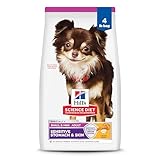
- UPDATED FORMULA: Triple support for stomach, skin and immune system health
- Highly digestible formula with prebiotic fiber that is gentle on the stomach for optimal nutrient absorption
- Enriched with Vitamin E and Omega-3 & 6 fatty acids, for healthy skin and a lustrous coat
- Clinically proven antioxidants, Vitamin C+E, for a healthy immune system
- 27 key nutrients, including essential vitamins, minerals, and omega 3 & 6 fatty acids. Complete and balanced nutrition for adult dogs’ health

- Formulated to provide optimal digestive health in adult dogs
- Slow-cooked stew in a mouthwatering turkey flavor grown dogs love
- Promotes easier stool pickup with easily digestible ingredients
- Nourishes your grown dog's skin and coat with vitamin E and omega-6 fatty acids
- Add variety to meal time with Hill's Science Diet Adult Sensitive Stomach & Skin Chicken & Vegetable Entrée
Finding the Best Dog Food for Sensitive Stomachs
Does your furry friend get an upset tummy easily? It’s tough seeing them uncomfortable. Luckily, there are special dog foods designed to be gentle on their digestive systems. This guide will help you pick the right food for your sensitive dog.
Key Features to Look For
When you’re shopping for sensitive stomach dog food, keep an eye out for these important things.
Easily Digestible Proteins
- What to look for: Foods with single, novel protein sources. Think duck, lamb, rabbit, or fish. These are less likely to cause a reaction than common proteins like chicken or beef.
- Why it matters: Some dogs react to common proteins. Novel proteins are new to their bodies, so their stomachs are less likely to get upset.
Limited Ingredient Diets (LID)**
- What to look for: Foods with a short, simple ingredient list. Fewer ingredients mean fewer chances of finding something that bothers your dog.
- Why it matters: When there are only a few ingredients, it’s easier to pinpoint what works for your dog. It also reduces the risk of hidden allergens.
Prebiotics and Probiotics
- What to look for: Added prebiotics and probiotics. These are good bacteria that help balance your dog’s gut.
- Why it matters: A healthy gut makes digestion easier. Prebiotics feed the good bacteria, and probiotics are the good bacteria themselves. They work together to keep your dog’s stomach happy.
Gentle Carbohydrates
- What to look for: Foods made with digestible carbohydrates like sweet potatoes, peas, or brown rice. Avoid foods with a lot of corn or wheat if your dog is sensitive.
- Why it matters: Some dogs have trouble digesting certain grains. These alternative carbs are easier on their tummies.
Important Materials to Consider
The ingredients in your dog’s food are super important.
- High-Quality Protein Source: This is the first ingredient. It should be a named meat source, not “meat by-products.”
- Digestible Carbohydrates: These give your dog energy. Sweet potatoes and peas are good choices.
- Healthy Fats: Omega-3 and omega-6 fatty acids are good for skin and coat health. They also help with inflammation.
- Vitamins and Minerals: These are essential for overall health.
Factors That Improve or Reduce Quality
Some things make a dog food better, and some make it worse.
Quality Boosters
- Natural Preservatives: Look for foods preserved with Vitamin E (tocopherols) or rosemary extract.
- Whole Food Ingredients: Foods that use real meat and vegetables are generally higher quality.
- Reputable Brands: Brands that invest in research and quality control often make better food.
Quality Reducers
- Artificial Colors, Flavors, and Preservatives: These offer no nutritional value and can sometimes cause stomach upset.
- Fillers: Ingredients like corn, wheat, and soy can be hard to digest for some dogs.
- Generic Protein Sources: “Meat by-products” are less digestible and of lower quality than named meat meals.
User Experience and Use Cases
Owners choose sensitive stomach food for many reasons.
- Vomiting and Diarrhea: The most common reason. Sensitive stomach formulas help reduce these issues.
- Gas and Bloating: These foods can help calm an upset gut and reduce uncomfortable gas.
- Food Allergies and Intolerances: When a dog has a known allergy, LID or novel protein foods are essential.
- Puppies and Senior Dogs: Younger and older dogs can sometimes have more sensitive digestive systems.
Tips for Success
- Transition Slowly: When switching to a new food, mix it with the old food over 7-10 days. This helps prevent stomach upset.
- Consult Your Vet: Always talk to your veterinarian before changing your dog’s diet. They can help you choose the best food for your dog’s specific needs.
- Monitor Your Dog: Watch for any changes in your dog’s stool, energy levels, and overall comfort.
Frequently Asked Questions (FAQ)
Q: What are the main Key Features of sensitive stomach dog food?
A: Key features include easily digestible proteins like duck or lamb, limited ingredient lists, added prebiotics and probiotics for gut health, and gentle carbohydrates such as sweet potatoes.
Q: What are some good protein sources for dogs with sensitive stomachs?
A: Good protein sources are novel proteins that your dog hasn’t eaten much before, like duck, lamb, rabbit, or fish.
Q: Why are limited ingredient diets important for sensitive stomachs?
A: Limited ingredient diets have fewer ingredients, which makes it easier to avoid things that might upset your dog’s stomach. It also helps pinpoint if a specific ingredient is causing problems.
Q: What are prebiotics and probiotics, and why are they in dog food?
A: Prebiotics are food for good gut bacteria, and probiotics are the good bacteria themselves. They help balance your dog’s digestive system, making it work better.
Q: Are corn and wheat always bad for dogs with sensitive stomachs?
A: Corn and wheat can be hard for some dogs to digest. Many sensitive stomach foods use alternative carbs like sweet potatoes or peas instead.
Q: What kind of fats are good for sensitive stomach dog food?
A: Omega-3 and omega-6 fatty acids are good. They support healthy skin and coat and can help reduce inflammation in the gut.
Q: What should I avoid in sensitive stomach dog food?
A: You should avoid artificial colors, flavors, and preservatives. Also, watch out for generic protein sources like “meat by-products” and common fillers like corn and soy.
Q: How long does it take to see results after switching food?
A: It can take a few days to a couple of weeks to see improvement. It’s important to transition the food slowly.
Q: Can puppies or senior dogs benefit from sensitive stomach food?
A: Yes, puppies and senior dogs can have more sensitive digestive systems. These foods can help them digest their food better.
Q: Should I talk to my vet before buying sensitive stomach dog food?
A: Yes, always consult your veterinarian. They can help you choose the best food based on your dog’s specific health needs and any known sensitivities.