
Imagine your adorable Labrador puppy, a furry bundle of energy and love, bounding into your life. You want to give them the very best, and that starts with their food. But when you walk down the pet food aisle, it’s easy to feel overwhelmed. There are so many brands and types of puppy food, and you’re wondering, “What’s truly good for my growing Lab?”
Choosing the right food for your Labrador Retriever puppy is super important. It’s not just about filling their bowl; it’s about building a strong foundation for their health. The wrong food can lead to tummy troubles, slow growth, or even long-term health problems. You want your puppy to thrive, and figuring out the perfect kibble can feel like a big puzzle.
That’s where this post comes in handy! We’ll break down exactly what your Labrador puppy needs to grow into a happy, healthy adult dog. You’ll learn about the key ingredients to look for, what to avoid, and how to pick a food that will support their rapid development. Get ready to feel confident in your choice and see your puppy flourish!
Top Dog Food For Labrador Retriever Puppies Recommendations

- BREED HEALTH PUPPY FOOD: Royal Canin Breed Health Nutrition Labrador Retriever Puppy Dog Food Dry Formula for purebred Labrador Retrievers 8 weeks to 15 months old
- CRUNCHY KIBBLE: Specialized donut-shaped kibble designed for a Labrador Retriever puppy's fast-eating habits
- GROWTH SUPPORT: Antioxidants and vitamin E support their developing immune system and keep their puppy body growing strong
- BONES AND JOINTS: Healthy dog food with calcium and phosphorus to help provide bone and joint support
- DIGESTIVE SYSTEM HEALTH: High-quality proteins and prebiotics in Royal Canin dog food help promote optimal stool quality
- BREED HEALTH PUPPY FOOD: Royal Canin Breed Health Nutrition Labrador Retriever Puppy Dog Food Dry Formula for purebred Labrador Retrievers 8 weeks to 15 months old
- CRUNCHY KIBBLE: Specialized donut-shaped kibble designed for a Labrador Retriever puppy's fast-eating habits
- GROWTH SUPPORT: Antioxidants and vitamin E support their developing immune system and keep their puppy body growing strong
- BONES AND JOINTS: Healthy dog food with calcium and phosphorus to help provide bone and joint support
- DIGESTIVE SYSTEM HEALTH: High-quality proteins and prebiotics in Royal Canin dog food help promote optimal stool quality
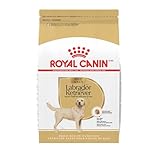
- FORMULATED FOR PUREBRED LABRADOR RETRIEVERS: Royal Canin Labrador Retriever Adult Dry Dog Food is designed to meet the nutritional needs of purebred Labrador Retrievers 15 months and older
- SPECIALIZED KIBBLE: Unique kibble shape is designed to help quick eaters to chew slowly
- WEIGHT MANAGEMENT: Promotes an ideal weight with precise calorie and fat content for weight management in large dogs
- BONE AND JOINT: EPA, DHA, and glucosamine provide bone and joint support for big Lab bodies
- SKIN AND COAT: Adult dog food reinforces the skin barrier with essential nutrients to support healthy skin and dense undercoats

- BREED HEALTH DOG FOOD: Royal Canin Breed Health Nutrition Golden Retriever Puppy Dog Food Dry Formula for purebred Golden Retrievers 8 weeks to 15 months old
- CRUNCHY KIBBLE: Specialized kibble shape and texture designed for a Golden Retriever puppy's straight muzzle and scissor bite
- IMMUNE SYSTEM SUPPORT: Antioxidants and vitamin E help support healthy development of your puppy's immune system
- DIGESTIVE HEALTH: Healthy dog food with high-quality proteins and prebiotics helps support your dog's digestive system and promote optimal stool quality
- HEALTHY SKIN & COAT: Coat condition is a reflection of the dog's state of health and overall well-being

- BREED HEALTH DOG FOOD: Royal Canin Breed Health Nutrition Labrador Retriever Adult Dog Food Dry Formula for purebred Labrador Retrievers 15 months and older
- CRUNCHY KIBBLE: Specialized donut-shaped kibble designed for a Labrador Retriever's fast-eating habits
- HEALTHY WEIGHT: A precise amount of calories and fat helps maintain your Labrador Retriever at a healthy weight
- JOINT HEALTH: Royal Canin dog food with EPA, DHA and glucosamine helps support bone and joint health
- SKIN HEALTH: Healthy dog food with exclusive nutrients that help support the skin barrier to maintain skin health and a beautiful coat

- Crunchy kibble combined with tender, shredded pieces for delicious taste and texture
- DHA from omega-rich fish oil nourishes brain and vision development
- Antioxidants support a puppy's developing immune system
- Used to be known as SAVOR Shredded Blend Chicken and Rice Formula
- Calcium, phosphorus and other minerals build strong bones and teeth
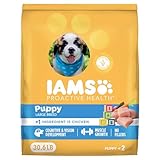
- Veterinarians Recommend IAMS: IAMS large breed dog food recipe is made with real chicken as the #1 ingredient and contains no fillers or artificial flavors; ingredients are natural as defined by the Association of American Feed Control Officials (AAFCO)
- Healthy Cognitive & Vision Development: IAMS Dog Food Proactive Health Large Breed Dry Puppy Food is formulated with Omega-3 DHA to support smarter, more trainable puppies, providing a great start with essential nutrients
- Healthy Bones & Joints: IAMS dog food large breed puppy dry is formulated with essential nutrients and optimal calcium levels to support healthy bones & joints
- Immune System Support: IAMS proactive health dog food is enriched with essential antioxidants Vitamin E and Selenium to help develop a strong immune system
- The Proactive 5 Difference: The Proactive 5 health benefits for IAMS Dog Food Dry Recipe for Large Breed Puppies are scientifically designed to support five key areas of your dog's health, keeping them full of life, for more of life
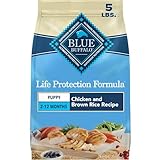
- REAL CHICKEN FIRST: Blue Buffalo dry dog food starts with real chicken as the first ingredient to help support healthy muscle development in puppies from 2–12 months
- COMPLETE NUTRITION: This BLUE dog food provides balanced daily nutrition for puppies with chicken for protein, wholesome carbohydrates for energy, and other natural ingredients
- EXPERT-LED NUTRITION: Designed to help your pet thrive from the inside out, Blue Buffalo dog food formulas are developed by a dedicated team of veterinarians and animal nutritionists
- SUPPORTS IMMUNE SYSTEM HEALTH: BLUE Life Protection Formula dry puppy food features exclusive LifeSource Bits, a precise blend of antioxidants, vitamins, and minerals that are formed at a lower temperature to ensure optimal potency
- WHOLESOME GRAINS: A delicious dry dog food made with brown rice, barley, and oatmeal to support gentle, regular digestion and steady energy for active young dogs
Choosing the Best Food for Your Labrador Puppy
Bringing home a Labrador Retriever puppy is a joyous occasion! These playful, energetic pups need the right nutrition to grow into healthy, happy adults. Choosing the right food is one of the most important decisions you’ll make. This guide will help you find the perfect kibble for your furry friend.
Key Features to Look For
High-Quality Protein Source
Puppies need protein to build strong muscles and bones. Look for foods where the first ingredient is a real meat source like chicken, lamb, or fish. Avoid foods that list “meat by-products” as the primary protein. This means the protein comes from parts of the animal that might not be as nutritious.
DHA for Brain and Eye Development
Docosahexaenoic acid (DHA) is a type of omega-3 fatty acid. It’s crucial for your puppy’s developing brain and vision. Many quality puppy foods include DHA, often from fish oil.
Balanced Calcium and Phosphorus
Labrador Retrievers are prone to certain bone issues. A balanced ratio of calcium and phosphorus is vital for healthy skeletal development. Too much or too little of either can cause problems.
Omega Fatty Acids for Skin and Coat
Omega-3 and omega-6 fatty acids help keep your puppy’s skin healthy and their coat shiny. You’ll often find these in ingredients like fish oil, flaxseed, and chicken fat.
Appropriate Kibble Size
Puppy kibble should be easy for them to chew and swallow. Lab puppies’ mouths grow quickly, so a size that’s not too small or too large is best.
Important Ingredients
- Real Meat: Chicken, lamb, beef, fish (salmon, whitefish).
- Whole Grains: Brown rice, barley, oats. These provide energy and fiber.
- Fruits and Vegetables: Sweet potatoes, peas, carrots, blueberries. They offer vitamins, minerals, and antioxidants.
- Fish Oil/Flaxseed: Sources of DHA and other omega fatty acids.
- Vitamins and Minerals: Essential for overall health.
Factors That Improve or Reduce Quality
What Improves Quality?
- Named Meat Sources: “Chicken” is better than “poultry meal.”
- Natural Preservatives: Vitamin E (tocopherols) and Vitamin C.
- Limited Ingredient Diets: Good for puppies with sensitivities.
- Foods Specifically Formulated for Large Breeds: These often have controlled calcium and phosphorus levels.
What Reduces Quality?
- Artificial Colors, Flavors, and Preservatives: These offer no nutritional value and can cause sensitivities.
- Fillers: Corn, wheat, and soy can be used as fillers. While not inherently bad, they should not be the main ingredients.
- Vague Ingredient Lists: “Meat by-products” or “animal digest” are less desirable.
- Excessive Carbohydrates: Too many simple carbs can lead to weight gain.
User Experience and Use Cases
Many owners find that Labrador puppies thrive on foods with high-quality animal protein as the first ingredient. They notice shinier coats, more energy, and fewer digestive issues. Some owners choose specific formulas to address common Labrador traits, like large-breed puppy food to support joint health.
If your puppy has a sensitive stomach, you might look for foods with limited ingredients or novel proteins (like duck or venison). Always consult your veterinarian if you notice any adverse reactions like vomiting, diarrhea, or skin irritation.
Frequently Asked Questions (FAQ)
Q: What is the most important thing to look for in Labrador puppy food?
A: The most important thing is high-quality protein from a real meat source as the first ingredient. This helps your puppy build strong muscles and grow.
Q: Should I feed my Labrador puppy a large-breed puppy food?
A: Yes, it’s generally recommended. Large-breed puppy foods have specific nutrient balances, especially for calcium and phosphorus, to support the slower growth of large breeds and help prevent bone problems.
Q: How much should I feed my Labrador puppy?
A: This varies based on the food’s calorie content and your puppy’s age, weight, and activity level. Always follow the feeding guidelines on the food packaging, and adjust as needed. Your vet can also give you personalized advice.
Q: When should I switch from puppy food to adult dog food?
A: Most large breeds, including Labradors, should switch to adult food around 12 to 18 months of age. Your veterinarian will advise you on the best time for your specific dog.
Q: Can my Labrador puppy eat wet food?
A: Yes, wet food can be given to puppies. Some owners mix it with kibble to make it more appealing or for added moisture. However, dry kibble is often better for dental health and can be more cost-effective.
Q: What are common allergies in Labrador puppies?
A: Common allergies include chicken, beef, dairy, and sometimes grains like wheat. If you suspect an allergy, talk to your vet about an elimination diet or hypoallergenic food.
Q: How long can I store opened dog food?
A: Opened dry dog food should ideally be used within 4-6 weeks when stored properly in an airtight container in a cool, dry place. This helps maintain freshness and nutrients.
Q: What does “grain-free” mean for puppy food?
A: Grain-free food does not contain corn, wheat, barley, or rice. While some dogs do well on grain-free diets, it’s not always necessary. Consult your vet to see if it’s right for your puppy.
Q: How do I introduce new food to my puppy?
A: Introduce new food gradually over 7-10 days. Mix a small amount of the new food with the old food, slowly increasing the new food and decreasing the old food each day.
Q: What if my puppy doesn’t seem to like the food?
A: Ensure you’ve followed the gradual transition process. Sometimes puppies are picky. If they consistently refuse to eat, it’s best to consult your veterinarian to rule out any underlying health issues.