
Does your furry friend’s tummy rumble more than usual? Watching your dog experience digestive upset can be heartbreaking, and it often leaves you wondering what you can do to help. You want to give them the best, but navigating the world of dog food for sensitive stomachs feels like a maze.
You’re not alone. Many dog owners face the same challenges. The sheer number of special diets, ingredients to avoid, and conflicting advice can be overwhelming. It’s hard to know which foods will truly soothe their upset stomach and which might make things worse. The goal is to find a food that is gentle, nutritious, and helps your dog feel like themselves again.
In this post, we’ll break down what makes a dog food a good choice for gastrointestinal issues. You’ll learn about key ingredients to look for and what to steer clear of. By the end, you’ll feel more confident in choosing a food that can bring comfort and relief to your beloved companion’s digestive system.
Top Dog Food For Dogs With Gastrointestinal Problems Recommendations

- Hill's Prescription Diet Gastrointestinal Biome Digestive/Fiber Care with Chicken Dry Dog food is specially formulated by Hill’s nutritionists and veterinarians to support your dog’s digestive health.
- Clinically shown to help firm loose stool in 24 hours and reduce risk of recurrence.
- Made with proprietary ActivBiome+ ingredient technology shown to rapidly activate beneficial gut bacteria and support a healthy GI microbiome balance.
- Unique blend of prebiotic fibers to promote regular bowel movements and help balance digestive function.
- High levels of omega-3 fatty acids (DHA & EPA)


- DOGS WITH DIGESTIVE CONCERNS: Royal Canin Gastrointestinal low fat dog food loaf is a veterinary-exclusive dog wet food for digestive health concerns
- LOW FAT DOG FOOD: Specialized sensitive digestion wet dog food that is low in fat and easy to digest
- PREBIOTICS FOR DOGS: Royal Canin gastrointestinal dog food made with prebiotics to help support healthy bacteria in the gut
- FIBER FOR DOGS: Low fat dog food contains a blend of dietary fibers to help support healthy digestion for optimal stool quality
- HIGHLY FLAVORFUL: Pate dog food loaf is highly flavorful and appeals to dogs, including those with picky appetites

- Hill's Prescription Diet Gastrointestinal Biome Digestive/Fiber Care with Chicken Dry Dog food is specially formulated by Hill’s nutritionists and veterinarians to support your dog’s digestive health.
- Clinically shown to help firm loose stool in 24 hours and reduce risk of recurrence.
- Made with proprietary ActivBiome+ ingredient technology shown to rapidly activate beneficial gut bacteria and support a healthy GI microbiome balance.
- Unique blend of prebiotic fibers to promote regular bowel movements and help balance digestive function.
- High levels of omega-3 fatty acids (DHA & EPA)

- Hill's Prescription Diet Gastrointestinal Biome Digestive/Fiber Care with Chicken Dry Dog food is specially formulated by Hill’s nutritionists and veterinarians to support your dog’s digestive health.
- Clinically shown to help firm loose stool in 24 hours and reduce risk of recurrence.
- Made with proprietary ActivBiome+ ingredient technology shown to rapidly activate beneficial gut bacteria and support a healthy GI microbiome balance.
- Unique blend of prebiotic fibers to promote regular bowel movements and help balance digestive function.
- High levels of omega-3 fatty acids (DHA & EPA)

- Hill's Prescription Diet Gastrointestinal Biome Digestive/Fiber Care Chicken & Vegetable Stew Wet Dog food is specially formulated by Hill’s nutritionists and veterinarians to support your dog’s digestive health.
- Formulated to promote regular healthy stool and support digestive health
- Made with breakthrough ActivBiome+ ingredient technology shown to rapidly activate beneficial gut bacteria and support a healthy GI microbiome balance.
- Optimally balanced soluble and insoluble fibers to promote regular bowel movements and help balance digestive function
- High levels of omega-3 fatty acids (DHA & EPA)

- DOGS WITH DIGESTIVE CONCERNS: Royal Canin Gastrointestinal low fat dog food loaf is a veterinary-exclusive dog wet food for digestive health concerns
- LOW FAT DOG FOOD: Specialized sensitive digestion wet dog food that is low in fat and easy to digest
- PREBIOTICS FOR DOGS: Royal Canin gastrointestinal dog food made with prebiotics to help support healthy bacteria in the gut
- FIBER FOR DOGS: Low fat dog food contains a blend of dietary fibers to help support healthy digestion for optimal stool quality
- HIGHLY FLAVORFUL: Pate dog food loaf is highly flavorful and appeals to dogs, including those with picky appetites
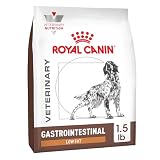
- DOGS WITH DIGESTIVE CONCERNS: Royal Canin Gastrointestinal dog food is a veterinary-exclusive dog dry food for digestive health concerns
- LOW FAT DOG FOOD: Specialized sensitive digestion dog food that is low in fat and easy to digest
- PREBIOTICS FOR DOGS: Sensitive digestion dog food made with prebiotics to help support good bacteria in the gut
- FIBER FOR DOGS: Low fat dog food contains a blend of dietary fibers to help support healthy digestion for optimal stool quality
- HIGHLY FLAVORFUL: Dog kibble texture is highly flavorful and appeals to dogs, including those with picky appetites

- DOGS WITH DIGESTIVE CONCERNS: Royal Canin Gastrointestinal low fat dog food loaf is a veterinary-exclusive dog wet food for digestive health concerns
- LOW FAT DOG FOOD: Specialized sensitive digestion wet dog food that is low in fat and easy to digest
- PREBIOTICS FOR DOGS: Royal Canin gastrointestinal dog food made with prebiotics to help support healthy bacteria in the gut
- FIBER FOR DOGS: Low fat dog food contains a blend of dietary fibers to help support healthy digestion for optimal stool quality
- HIGHLY FLAVORFUL: Pate dog food loaf is highly flavorful and appeals to dogs, including those with picky appetites
Choosing the Right Food for Your Dog’s Upset Tummy
It can be tough when your furry friend isn’t feeling their best. Digestive issues in dogs are common. They can cause discomfort for your dog and worry for you. Thankfully, specialized dog food can make a big difference. This guide will help you find the best food for your dog’s sensitive stomach.
Key Features to Look For
Easily Digestible Ingredients
Look for foods with ingredients that are easy for your dog to break down. This means avoiding common allergens and focusing on simple, wholesome components. Ingredients like deboned chicken, lamb, or whitefish are often good choices. They are lean proteins that are easier on the stomach.
Limited Ingredient Diets (LID)
These foods have fewer ingredients. This helps pinpoint what might be upsetting your dog’s stomach. They often have a single protein source and a single carbohydrate source. This makes it easier to manage food sensitivities.
Added Prebiotics and Probiotics
These are beneficial bacteria. They help balance your dog’s gut. Prebiotics feed the good bacteria. Probiotics are the good bacteria themselves. They promote a healthy digestive system and can reduce gas and diarrhea.
Fiber Content
The right amount of fiber is important. Soluble fiber can help firm up stool. Insoluble fiber helps move things along. Foods with sources like pumpkin or beet pulp provide good fiber. Too much fiber can sometimes cause problems, so balance is key.
Omega-3 Fatty Acids
These healthy fats help reduce inflammation. This can be helpful for dogs with inflammatory bowel disease (IBD). Look for sources like fish oil.
Important Materials and Ingredients
Protein Sources
Choose novel proteins if your dog has allergies. This means proteins they haven’t eaten before, like duck, venison, or rabbit. For dogs without allergies, lean chicken or lamb are good options. Avoid common allergens like beef or dairy.
Carbohydrate Sources
Simple carbohydrates are best. Sweet potatoes, rice, and oats are good choices. They are easier to digest than complex grains. Avoid corn and wheat if your dog has sensitivities.
Fats
Healthy fats are crucial. Fish oil is a great source of Omega-3s. Chicken fat is also a common and digestible fat source.
Vitamins and Minerals
Ensure the food is complete and balanced. It should have all the necessary vitamins and minerals for your dog’s overall health.
Factors That Improve or Reduce Quality
What Makes Food Better?
- High-quality protein sources: Real meat should be the first ingredient.
- Natural preservatives: Look for mixed tocopherols (Vitamin E) instead of artificial preservatives.
- Limited fillers: Avoid excessive grains, corn, and soy, especially if your dog is sensitive.
- Veterinarian-approved formulas: Many brands work with vets to create specialized diets.
What Makes Food Worse?
- Artificial colors, flavors, and preservatives: These can irritate a sensitive stomach.
- By-products: While not always bad, lower-quality by-products can be hard to digest.
- Excessive fillers: Ingredients like corn, wheat, and soy can be common triggers for digestive upset.
- High fat content: Too much fat can be difficult for some dogs to process.
User Experience and Use Cases
When to Use These Foods
These specialized foods are great for dogs experiencing:
- Vomiting
- Diarrhea
- Gas
- Loss of appetite
- Food allergies or sensitivities
- Inflammatory Bowel Disease (IBD)
- Pancreatitis
- Recovery from surgery or illness
What to Expect
When you switch to a good gastrointestinal dog food, you should notice improvements in your dog’s stool consistency. Their energy levels might increase, and they may seem more comfortable. It’s important to transition to new food slowly over 7-10 days. This helps their digestive system adjust. Always consult your veterinarian before making significant changes to your dog’s diet.
Frequently Asked Questions (FAQ)
Q: How do I know if my dog has a gastrointestinal problem?
A: Signs include vomiting, diarrhea, loss of appetite, gas, and stomach noises. If you see these, talk to your vet.
Q: What kind of protein is best for dogs with sensitive stomachs?
A: Novel proteins like duck, venison, or rabbit are often good. Simple proteins like chicken or lamb can also work well.
Q: Should I choose wet or dry food for my dog’s digestive issues?
A: Both can be good. Wet food has more moisture, which can help some dogs. Dry food is convenient. Your vet can recommend the best type.
Q: How long does it take for gastrointestinal dog food to work?
A: You might see improvements in a few days, but it can take a few weeks for your dog’s system to fully adjust.
Q: Can I feed my dog human food if they have digestive problems?
A: Generally, no. Human food can upset their stomach even more. Stick to vet-approved dog food.
Q: What are prebiotics and probiotics?
A: Prebiotics feed good gut bacteria. Probiotics are the good bacteria themselves. They help keep your dog’s tummy healthy.
Q: How much fiber should be in my dog’s food?
A: The right amount of fiber is important. Too much or too little can cause issues. Look for foods with balanced fiber sources.
Q: What if my dog doesn’t like the taste of the new food?
A: Try warming it slightly or adding a small amount of plain, boiled chicken (if approved by your vet). You can also try different brands or flavors.
Q: Can I mix different brands of sensitive stomach food?
A: It’s best to stick to one food to avoid further upsetting your dog’s stomach. If you need to switch, do it slowly.
Q: Do I need a prescription for gastrointestinal dog food?
A: Some specialized diets require a prescription from your vet. Others are available over-the-counter. Your vet will guide you.