
Imagine your furry best friend, full of life and wagging tails, suddenly facing a chronic condition like diabetes. It’s a scary thought for any dog owner, and one of the first big questions that pops up is: “What should I feed them?”
Navigating the world of diabetic dog food can feel like a minefield. You want to do the absolute best for your dog, but the sheer number of choices, the confusing labels, and the fear of making the wrong decision can leave you feeling overwhelmed and stressed. It’s tough knowing which ingredients are good, which ones to avoid, and how to manage their blood sugar through diet alone.
But don’t worry! By the end of this post, you’ll have a much clearer understanding of what makes a good diabetic dog food. We’ll break down the essential components, discuss key ingredients to look for, and highlight what to steer clear of. You’ll gain the confidence to choose a food that supports your dog’s health and helps them live a happy, active life.
Let’s dive in and discover how the right food can make a real difference for your diabetic dog.
Top Dog Food For Diabetic Dog Recommendations

- Prescription Diet w/d Multi-Benefit is specially formulated by Hill’s nutritionists and veterinarians to helps manage multiple conditions that respond to fiber, weight & glucose management, digestive issues, and urinary health.
- Helps manage glucose and weight, support urinary health and healthy digestion
- Therapeutic L-carnitine levels helps metabolize fat and maintain lean muscle
- Optimal blend of soluble and insoluble fiber, along with low calories helps maintain healthy weight
- Controlled levels of magnesium and sodium promotes urinary tract health


- A combination of prebiotics and both soluble and insoluble fibers helps minimize glucose fluctuations
- Complex carbohydrates that help moderate your dog's blood sugar
- Controlled amounts of fat
- Balanced fiber blend to moderate your pet's glycemic response and reduce the symptoms of fiber-responsive conditions

- REAL CHICKEN FIRST: Blue Buffalo dry dog food starts with real chicken as the first ingredient to help support healthy, lean muscles in adult dogs
- BALANCED NUTRITION TO HELP WEIGHT MANAGEMENT: This BLUE dog food provides the ideal caloric balance and complete daily nutrition for adult dogs with chicken for protein, wholesome carbohydrates for energy, and other natural ingredients
- EXPERT-LED NUTRITION: Designed to help your pet thrive from the inside out, Blue Buffalo dog food formulas are developed by a dedicated team of veterinarians and animal nutritionists
- COMPLETE NUTRITION: This BLUE dog food without grains provides balanced daily nutrition for adult dogs with chicken for protein, wholesome carbohydrates for energy, and other natural ingredients
- SUPPORTS IMMUNE SYSTEM HEALTH: BLUE Life Protection Formula grain free dog food features exclusive LifeSource Bits, a precise blend of antioxidants, vitamins, and minerals that are formed at a lower temperature to ensure optimal potency

- Prescription Diet w/d Multi-Benefit is specially formulated by Hill’s nutritionists and veterinarians to helps manage multiple conditions that respond to fiber, weight & glucose management, digestive issues, and urinary health
- Helps manage glucose and weight, support urinary health and healthy digestion
- Therapeutic L-carnitine levels helps metabolize fat and maintain lean muscle
- Optimal blend of soluble and insoluble fiber, along with low calories helps maintain healthy weight
- Controlled levels of magnesium and sodium promotes urinary tract health

- Reduced carbohydrate recipe supports glucose and weight management
- Balanced fat content helps maintain a healthy body weight.
- High protein nutrition to help maintain lean muscle.
- L-Carnitine to help support fat metabolism and energy efficiency
- Made in the USA, reviewed by Board Certified Veterinarian Nutritionists. No prescription needed.

- FOR ADULT DOGS WITH DIABETES: Royal Canin Glycobalance is formulated to meet the nutritional needs of diabetic adult dogs
- SUPPORTS HEALTHY BLOOD GLUCOSE LEVELS: Formulated with a reduced level of starch, which contributes to maintaining healthy blood glucose levels
- HIGHLY PALATABLE POULTRY-BASED PATE: Soft loaf in a delicious sauce that also helps with hydration
- WEIGHT MANAGEMENT: Helps maintain a stable healthy body weight, which is important for diabetic dogs
- PRECISE PROTEIN CONTENT: Helps maintain muscle mass
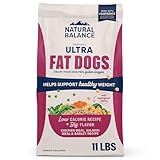
- CHICKEN MEAL IS THE FIRST INGREDIENT providing essential protein and amino acids to help maintain strong muscles; Peas, oat groats, and barley are included as a healthy and rich source of fiber for digestive health; Contains (1) 11-Pound bag
- TARGETED NUTRITION Formulated with quality protein, wholesome grains, added vitamins, and a special fiber blend to help your dog feel full and satisfied
- ULTRA REDUCED CALORIES Scale back on the calories, not the taste! Made with the same whole ingredients your dog loves, this delicious, reduced calorie formula has fewer calories to help your dog maintain a healthy weight
- NUTRITION FOR EVERY TYPE OF DOG Any dog can enjoy our delicious recipes, not just dogs with sensitive stomachs, irritable skin or allergies; Our purposefully crafted formulas reduce the number of ingredients without sacrificing taste or nutrition
- SAFETY & TRANSPARENCY Natural Balance's 'Feed with Confidence' program tests every batch of food from start to finish, ensuring safety with every bite; Validate bag on our site or call our Customer Care Team of Registered Veterinary Technicians

- Delicious ingredients for choosy dogs
- Organic treats made from limited natural ingredients
- Additives and preservatives free
- Treats developed to keep glucose levels stable
Choosing the Best Dog Food for Your Diabetic Friend
Owning a dog with diabetes can feel overwhelming, but the right food makes a huge difference. This guide helps you find the best food for your furry pal. We’ll cover what to look for, important ingredients, what makes food good or not so good, and how other owners use it.
1. Key Features to Look For
When you shop for diabetic dog food, keep these features in mind.
- Low Glycemic Index (GI) Ingredients: This means the food releases sugar slowly into your dog’s blood. This helps keep blood sugar levels steady.
- High Fiber Content: Fiber helps slow down digestion. This also helps prevent sudden spikes in blood sugar.
- Moderate Protein Levels: Protein is important for muscle health. It should be good quality protein.
- Healthy Fat Sources: Healthy fats provide energy and support overall health.
- Limited Simple Carbohydrates: Foods with lots of simple carbs, like corn or white rice, can make blood sugar jump.
- No Artificial Additives: Colors, flavors, and preservatives can sometimes cause issues.
2. Important Materials (Ingredients)
The ingredients list tells you what’s in the food.
- Whole Grains: Brown rice, barley, and oats are good choices. They offer fiber and slow-release energy.
- Lean Protein Sources: Chicken, turkey, lamb, and fish are excellent. They build and repair muscles.
- Vegetables: Sweet potatoes, peas, and green beans add fiber and nutrients.
- Healthy Fats: Fish oil, flaxseed, and chicken fat offer omega fatty acids. These are good for skin, coat, and brain health.
- Vitamins and Minerals: These are essential for many body functions.
What to Avoid
- Corn, Wheat, and Soy: These can be common allergens and high in simple carbs.
- Sugar and Sweeteners: These are a big no-no for diabetic dogs.
- Meat By-products: These are lower quality parts of the animal.
3. Factors That Improve or Reduce Quality
What makes a food great or not so great?
-
Improved Quality:
- Natural Ingredients: Foods made with real meat and vegetables are usually better.
- Balanced Nutrition: The food provides all the nutrients your dog needs.
- Veterinarian Recommended: Foods endorsed by vets often meet high standards.
- Specific Formulas: Some brands create food specifically for diabetic dogs. These are often the best choice.
-
Reduced Quality:
- Fillers: Ingredients like corn, wheat, or soy that don’t offer much nutrition.
- Artificial Additives: These can sometimes cause digestive upset or allergic reactions.
- High Amount of Simple Carbs: This can lead to blood sugar spikes.
- Low-Quality Protein: This doesn’t support muscle health well.
4. User Experience and Use Cases
How do dog owners find success with diabetic dog food?
- Owner Feedback: Many owners report that their dogs are more energetic and stable when on the right diabetic food. They see fewer signs of diabetes, like increased thirst or urination.
- Veterinary Guidance: It’s crucial to talk to your vet. They can recommend specific brands or types of food based on your dog’s needs. They also help you adjust food amounts.
- Transitioning Food: When you switch foods, do it slowly. Mix the new food with the old food over a week. This helps your dog’s tummy adjust.
- Regular Monitoring: Even with the best food, you need to monitor your dog’s blood sugar. Regular vet check-ups are also important.
- Use Cases:
- Daily Diet: This food becomes your dog’s main meal.
- Weight Management: Some diabetic foods help dogs maintain a healthy weight, which is important for diabetes control.
- Improved Digestion: High fiber content can lead to better digestion.
Frequently Asked Questions (FAQ)
We answer your top questions about diabetic dog food.
Q: What are the main Key Features to look for in diabetic dog food?
A: Key features include low glycemic index ingredients, high fiber, moderate protein, healthy fats, and limited simple carbohydrates. Avoid artificial additives.
Q: What are some important ingredients to find in diabetic dog food?
A: Look for whole grains like brown rice, lean protein like chicken or turkey, vegetables, and healthy fats like fish oil.
Q: What ingredients should I avoid in diabetic dog food?
A: Avoid corn, wheat, soy, sugar, sweeteners, and meat by-products.
Q: How does high fiber content help a diabetic dog?
A: High fiber slows down digestion. This helps prevent sudden spikes in blood sugar.
Q: Can any dog food be used for a diabetic dog?
A: No, it’s best to use food specifically made for diabetic dogs or recommended by your vet. Regular dog food might cause blood sugar problems.
Q: How do I transition my dog to a new diabetic food?
A: Transition slowly over about a week. Mix small amounts of the new food with the old food, gradually increasing the new food.
Q: What is the role of protein in diabetic dog food?
A: Protein is important for muscle health. Diabetic dog food should have moderate levels of good quality protein.
Q: Are artificial additives bad for diabetic dogs?
A: Yes, artificial colors, flavors, and preservatives can sometimes cause issues or are not ideal for dogs with health conditions.
Q: How often should I feed my diabetic dog?
A: This depends on your dog and their insulin treatment. Your vet will give you specific feeding schedules, often two meals a day.
Q: Can I give my diabetic dog treats?
A: Yes, but only specific diabetic-friendly treats. Always check with your vet before giving any treats to your diabetic dog.