
Did you know that the energetic Boykin Spaniel was once called the “Little Brown Dog” of the South? These lively, intelligent pups have boundless energy and a unique need for fuel that supports their active lifestyle. Whether they are splashing in a lake or playing fetch in the backyard, your growing puppy relies on you to provide the perfect foundation for their health.
Choosing the right food for a Boykin Spaniel puppy can feel overwhelming. With so many colorful bags on the shelf, it is easy to worry about ingredients, protein levels, and proper nutrition. You want to avoid common digestive issues and ensure your puppy develops strong muscles and healthy joints. The sheer number of choices often leaves new owners feeling confused and anxious about whether they are making the best decision for their little companion.
In this guide, we take the guesswork out of feeding your puppy. You will learn exactly what nutrients a growing Boykin Spaniel needs to thrive during their most important developmental stages. We break down the best ingredient labels and explain how to spot high-quality foods that support their high-energy nature. By the end of this post, you will feel confident and prepared to pick the perfect bowl of food for your furry friend.
Ready to give your puppy the best start possible? Let’s dive into the essential nutritional needs of your Boykin Spaniel.
Top Dog Food For Boykin Spaniel Puppy Recommendations

- FORMULATED FOR PUREBRED CAVALIER KING CHARLES: Royal Canin Cavalier King Charles Spaniel Puppy Dog Food is designed to meet the nutritional needs of purebred Cavaliers 8 weeks to 10 months old
- SPECIALIZED KIBBLE: Unique kibble shape helps Cavalier King Charles Spaniels easily pick up and chew their food
- HEALTHY DEVELOPMENT: An exclusive complex of antioxidants including vitamin E helps support puppy development of the immune system
- HEART HEALTH: Taurine, EPA and DHA from fish oil, and L-carnitine for healthy cardiac function promote heart health
- HEALTHY DIGESTION: High-quality proteins and prebiotics support healthy digestion and promote optimal stool quality


- REAL CHICKEN FIRST: Blue Buffalo dry dog food starts with real chicken as the first ingredient to help support healthy muscle development in puppies from 2–12 months
- COMPLETE NUTRITION: This BLUE dog food provides balanced daily nutrition for puppies with chicken for protein, wholesome carbohydrates for energy, and other natural ingredients
- EXPERT-LED NUTRITION: Designed to help your pet thrive from the inside out, Blue Buffalo dog food formulas are developed by a dedicated team of veterinarians and animal nutritionists
- SUPPORTS IMMUNE SYSTEM HEALTH: BLUE Life Protection Formula dry puppy food features exclusive LifeSource Bits, a precise blend of antioxidants, vitamins, and minerals that are formed at a lower temperature to ensure optimal potency
- WHOLESOME GRAINS: A delicious dry dog food made with brown rice, barley, and oatmeal to support gentle, regular digestion and steady energy for active young dogs

- FORMULATED FOR PUREBRED COCKER SPANIELS: Royal Canin Cocker Spaniel Adult Dry Dog Food is designed to meet the nutritional needs of purebred Cocker Spaniels 12 months and older
- SPECIALIZED KIBBLE: Unique kibble shape helps Cocker Spaniels easily pick up and chew their food
- WEIGHT CONTROL: Helps maintain an ideal weight with an appropriately balanced formula for weight control
- HEART HEALTH: Taurine and EPA and DHA from fish oil for healthy cardiac function promote heart health
- SKIN AND COAT: Reinforces the skin barrier with essential nutrients for skin support and coat care

- Growing bones and teeth supported by balanced minerals
- Healthy brain and eye development supported by DHA and Fish Oil
- Developing immune system supported by antioxidant blend
- Growing muscles fueled by high quality proteins
- Made with natural ingredients

- GENTLE, pH BALANCED CLEANSER Healthy Breeds offers a high-quality shampoo that is free of soap, detergent and harsh chemicals. Help restore your pet's natural moisture & emollients in your dog’s skin & coat!
- SOOTHING RELIEF A gentle shampoo suitable for dogs with sensitive skin or even those with allergies! Oatmeal Aloe Shampoo provides relief for itchy, scaling and sensitive skin with a mild oatmeal and aloe formula!
- HYPOALLERGENIC FORMULA Healthy Breeds Oatmeal & Aloe Shampoo is safe for use with topical treatments! Let us help you keep your dog fresh, clean & smelling great with the delicious Pina Colada scent!
- MADE IN THE USA! Buy with confidence! All Healthy Breeds products are made in federally regulated manufacturing facilities. Excellent customer service and return policy. 100% satisfaction guaranteed
- Healthy Breeds offers an assortment of dog products including health care, grooming, dental care and treats for over 200 breeds! Make sure to search for your breed! Click the Healthy Breeds hyperlink above to see our Amazon storefront

- REAL CHICKEN FIRST: This Blue Buffalo dry dog food is made with real, high-quality chicken as the #1 ingredient
- HIGH QUALITY NATURAL FOOD: BLUE's natural dry dog food is made with premium ingredients and contains no chicken or poultry by-products, corn, wheat or soy
- SPECIALLY FORMULATED FOR PUPPIES: BLUE Life Protection Formula Puppy Food contains DHA and ARA (important fatty acids found in mother’s milk) to support cognitive function and retinal health
- CONTAINS IMMUNITY-BOOSTING LIFESOURCE BITS: LifeSource Bits contain a precise blend of antioxidants, vitamins and minerals to support immune system health, life stage needs and a healthy oxidative balance
- Contains: One (1) 15-lb bag of BLUE Life Protection Formula Natural Puppy Dry Dog Food, Chicken and Brown Rice

- REAL MEAT FIRST: Chicken is the #1 ingredient in this High-Protein Blue Buffalo puppy food
- ESSENTIAL NUTRITION FOR PUPPIES: This puppy dog food supports cognitive development with DHA, and it provides energy for growth and play
- IMMUNE SYSTEM SUPPORT: High protein dry dog food that contains exclusive, antioxidant-rich LifeSource Bits
- HEALTHY, WHOLESOME INGREDIENTS: This Blue Buffalo dog food is made with no chicken (or poultry) by-product meals and no corn, wheat, or soy
- Contains: One (1) 4-lb bag of Baby BLUE Healthy Growth Small Breed Puppy Dry Dog Food, Chicken and Oatmeal Recipe
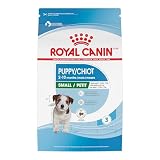
- SMALL BREED PUPPY FOOD: Royal Canin Small Breed Dry Puppy Food for puppies 2 to 10 months with an expected adult weight of 9 to 22 lbs
- CRUNCHY KIBBLE: Crunchy kibble texture is simple to serve and pairs perfectly with Royal Canin Small Puppy Thin Slices in Gravy canned puppy food
- GROWTH AND DEVELOPMENT: Small breed dog food for puppies supports brain development and energy needs during growth
- IMMUNE SUPPORT AND DIGESTIVE HEALTH: Antioxidants support the immune system, while prebiotics and proteins promote gut health
- MIXED FEEDING: Give your dog a savory textured meal by mixing in Royal Canin Small Puppy Thin Slices in Gravy canned puppy food
The Ultimate Guide to Feeding Your Boykin Spaniel Puppy
The Boykin Spaniel is a high-energy, intelligent breed known for its love of water and hunting. Because these dogs are active, they need a diet that supports their growth and stamina. Choosing the right puppy food sets the foundation for a long, healthy life. This guide will help you pick the best fuel for your little “Little Brown Dog.”
Key Features to Look For
When shopping for your puppy, look for a formula labeled “Large Breed” or “All Life Stages” specifically designed for active dogs. Boykin Spaniels grow quickly, so their food must provide balanced nutrients to support bone and joint health.
- High-Quality Protein: Look for real meat like chicken, turkey, or fish as the first ingredient.
- Healthy Fats: Omega-3 and Omega-6 fatty acids are essential for a shiny coat and healthy skin.
- DHA: This omega-3 fatty acid supports brain development and sharpens their intelligence.
- Controlled Calcium: Proper calcium levels prevent bone growth issues, which is vital for medium-sized sporting breeds.
Important Nutritional Ingredients
Not all ingredients are created equal. Focus on whole, nutrient-dense foods. Avoid fillers like corn, wheat, or soy, which offer little nutritional value. Instead, look for complex carbohydrates like sweet potatoes or brown rice that provide sustained energy for playtime. Antioxidants from blueberries or carrots help boost their immune system while they are still developing.
Factors That Improve or Reduce Quality
What Improves Quality:
Fresh, whole foods are always better than processed ones. High-quality dog food brands perform rigorous safety tests and use natural preservatives like Vitamin E. Formulas that include probiotics also improve digestion, making it easier for your puppy to absorb the nutrients they need.
What Reduces Quality:
Avoid foods containing “meat by-products” or “meat meals” without a specific source. Artificial colors, dyes, and chemical preservatives like BHA or BHT can cause allergic reactions. Overly processed foods often lose their nutritional value during manufacturing.
User Experience and Use Cases
Owners of Boykin Spaniels often notice a difference in energy levels when they switch to premium food. A puppy on a high-quality diet will usually have firmer stools, less shedding, and more stable energy throughout the day. Because Boykins are prone to ear infections, some owners choose grain-free or limited-ingredient diets to see if it reduces inflammation. Always transition your puppy to new food slowly over seven days to avoid an upset stomach.
Frequently Asked Questions
Q: How much should I feed my Boykin Spaniel puppy?
A: Follow the feeding chart on the bag based on your puppy’s weight. Divide the total daily amount into three or four smaller meals to help with digestion.
Q: Does my Boykin need grain-free food?
A: Not necessarily. Unless your vet confirms a grain allergy, high-quality grains provide essential fiber and energy for active sporting dogs.
Q: When should I switch to adult dog food?
A: Most Boykin Spaniels are ready to switch between 10 and 12 months of age. Consult your vet to ensure they have finished their primary growth phase.
Q: Can I give my puppy table scraps?
A: Avoid table scraps. Human food is often too fatty or salty for a puppy and can lead to obesity or bad begging habits.
Q: Why is DHA important for my puppy?
A: DHA is a fatty acid found in mother’s milk. It helps your Boykin puppy learn commands faster and improves vision development.
Q: How do I know if the food is causing an allergy?
A: Watch for excessive scratching, red skin, or frequent ear infections. These are common signs that your puppy may be reacting to an ingredient.
Q: Should I use dry kibble or wet food?
A: Dry kibble is great for dental health. However, mixing a little wet food can encourage picky eaters to finish their meals.
Q: How much protein does a Boykin puppy need?
A: A puppy diet should contain at least 22% protein to support their developing muscles and active lifestyle.
Q: Is hydration important with dry food?
A: Yes. Always provide fresh, clean water nearby. Active puppies need plenty of hydration to regulate their body temperature.
Q: What is the best way to store puppy food?
A: Keep the food in an airtight container in a cool, dry place. This keeps the kibble fresh and prevents pests from getting into the supply.