
Does your furry friend’s tummy seem to rumble and grumble more than it should? It’s a common worry for many dog parents. When your dog has a sensitive stomach, finding the right food can feel like a never-ending quest. You sift through endless bags, read countless labels, and still, the digestive upset continues. It’s frustrating to see your beloved companion uncomfortable, and even more so when you’re unsure what’s causing it or how to fix it.
Choosing the right dog food for a sensitive stomach isn’t just about picking a different brand; it’s about understanding what ingredients can soothe, what can irritate, and how to identify those crucial differences. You want to nourish your dog, not make them feel worse. This post is designed to cut through the confusion and give you clear, actionable advice.
By the end of this guide, you’ll have a better understanding of what makes a dog’s stomach sensitive and how to choose a food that will bring them relief. We’ll explore key ingredients to look for and those to avoid, helping you make a confident decision for your dog’s well-being. Let’s dive in and find a food that makes your dog’s tummy happy!
Top Dog Food For A Sensitive Stomach Recommendations

- Oat meal is easily digestible and gentle on the digestive system
- High protein formula, with real salmon as the first ingredient
- Fortified with guaranteed live probiotics for digestive and immune health
- Used to be known as FOCUS Sensitive Skin and Stomach Salmon and Rice Formula
- Sunflower oil rich in omega-6 fatty acids for healthy skin and coat

- Triple support for stomach, skin and immune system health
- Highly digestible formula with prebiotic fiber that is gentle on the stomach for optimal nutrient absorption
- Enriched with Vitamin E and Omega-3 & 6 fatty acids, for healthy skin and a lustrous coat
- Clinically proven antioxidants, Vitamin C+E, for a healthy immune system
- 27 key nutrients, including essential vitamins, minerals, and omega 3 & 6 fatty acids. Complete and balanced nutrition for adult dogs’ health

- Triple support for stomach, skin and immune system health
- Highly digestible formula with prebiotic fiber that is gentle on the stomach for optimal nutrient absorption
- Enriched with Vitamin E and Omega-3 & 6 fatty acids, for healthy skin and a lustrous coat
- Clinically proven antioxidants, Vitamin C+E, for a healthy immune system
- 27 key nutrients, including essential vitamins, minerals, and omega 3 & 6 fatty acids. Complete and balanced nutrition for adult dogs’ health

- Oat meal is easily digestible and gentle on the digestive system
- High protein formula, with real salmon as the first ingredient
- Fortified with guaranteed live probiotics for digestive and immune health
- Used to be known as FOCUS Sensitive Skin and Stomach Salmon and Rice Formula
- Sunflower oil rich in omega-6 fatty acids for healthy skin and coat
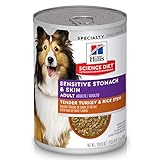
- Triple support for stomach, skin and immune system health
- Highly digestible formula that is gentle on the stomach for optimal nutrient absorption
- Enriched with Vitamin E and Omega-3 & 6 fatty acids, for healthy skin and a lustrous coat
- Clinically proven antioxidants, Vitamin C+E, for a healthy immune system
- Delicious taste that dogs love

- SENSITIVE SKIN & STOMACH DOG FOOD: Made with gluten free grains and no chicken, this kibble is ideal for sensitive dogs prone to allergies. It is formulated with proper levels of Omega 3, Omega 6 and Vitamin E to nourish a healthy skin and coat.
- SUPPORTS GUT HEALTH: This complete and balanced recipe is fortified with prebiotics and probiotics that strengthen gut health and nourish your pup's microbiome. Probiotics support a healthy digestion as well as a strong immune system, both of which are vital for good health and longevity.
- QUALITY INGREDIENTS: High-quality salmon meal is the first ingredient in this nutrient dense recipe. With high amounts of animal protein, we proudly share the percentage of all protein sources on the front of our bag. The high-quality proteins in this recipe help build and maintain lean muscle, sustain energy and promote stamina for a full and healthy life.
- PROPRIETARY VPRO BLEND: This super premium dry dog food has been formulated with our exclusive mix of supplements, vitamins and minerals which help maximize the genetic potential of every dog, regardless of breed, age, or activity level, and promote superior digestibility and immune system function.
- MADE IN THE USA: We proudly produce every bag of VICTOR kibble in our own Texas-based facility and do not waver in our commitment to high-quality nutrition. A majority of ingredients of our pet food come from ranches, farms and other trusted suppliers who are within a day’s drive of our East Texas plant.
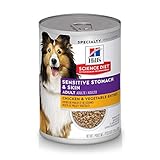
- Triple support for stomach, skin and immune system health
- Highly digestible formula that is gentle on the stomach for optimal nutrient absorption
- Enriched with Vitamin E and Omega-3 & 6 fatty acids, for healthy skin and a lustrous coat
- Clinically proven antioxidants, Vitamin C+E, for a healthy immune system
- Delicious taste that dogs love

- Triple support for stomach, skin and immune system health
- Highly digestible formula with prebiotic fiber that is gentle on the stomach for optimal nutrient absorption
- Enriched with Vitamin E and Omega-3 & 6 fatty acids, for healthy skin and a lustrous coat
- Clinically proven antioxidants, Vitamin C+E, for a healthy immune system
- 27 key nutrients, including essential vitamins, minerals, and omega 3 & 6 fatty acids. Complete and balanced nutrition for adult dogs’ health
Choosing the Right Food for Your Dog’s Sensitive Stomach
Finding the best dog food for a sensitive stomach can be a challenge. Your furry friend deserves food that makes them feel good inside and out. This guide helps you navigate the options.
Key Features to Look For
When choosing food for a dog with a sensitive stomach, several features are crucial.
Easily Digestible Proteins
Look for single-source proteins. This means the food uses only one type of meat like lamb, duck, or fish. This makes it easier for your dog’s digestive system to process. Avoid foods with multiple protein sources, as this can be harder to pinpoint if something causes upset.
Limited Ingredient Diets (LID)
LID foods have fewer ingredients. This reduces the chance of your dog reacting to something they are sensitive to. Fewer ingredients also make it easier to identify the culprit if your dog still has tummy troubles.
Prebiotics and Probiotics
These are beneficial bacteria that support a healthy gut. Prebiotics feed the good bacteria, while probiotics are the good bacteria themselves. They help balance your dog’s digestive system.
Gentle Carbohydrates
Opt for easily digestible carbohydrates like sweet potatoes, rice, or oats. Avoid common allergens like corn, wheat, and soy, which can often irritate sensitive stomachs.
Important Ingredients to Consider
The ingredients list is your roadmap to a good food choice.
Novel Proteins
These are proteins your dog likely hasn’t eaten before. Examples include venison, rabbit, or kangaroo. If your dog has a common protein allergy, a novel protein can be a great solution.
Natural Fiber Sources
Fiber aids digestion. Look for sources like pumpkin, beet pulp, or psyllium husk. These help move food through the digestive tract smoothly.
Omega-3 and Omega-6 Fatty Acids
These healthy fats support skin and coat health. They can also help reduce inflammation in the gut. You’ll often find them in fish oil or flaxseed.
Factors That Improve or Reduce Quality
Not all dog foods are created equal. Here’s what to watch out for.
What Improves Quality:
- High-Quality Protein Sources: Look for whole meats listed as the first ingredient.
- Natural Preservatives: Foods preserved with Vitamin E (tocopherols) or rosemary extract are better than those with artificial preservatives.
- Whole Food Ingredients: Foods that use real fruits, vegetables, and grains are generally of higher quality.
What Reduces Quality:
- Artificial Colors, Flavors, and Preservatives: These offer no nutritional value and can cause digestive upset.
- Fillers: Ingredients like corn, wheat, and soy are often used as fillers. They can be hard to digest and may trigger allergies.
- By-products: While not always bad, generic “meat by-products” can be of lower quality and less digestible than named meat sources.
User Experience and Use Cases
Many dog owners have success with specific types of food for their sensitive pups.
Common Use Cases:
- Sudden Upset Stomach: If your dog suddenly starts having diarrhea or vomiting, a gentle, easily digestible food can help them recover.
- Chronic Digestive Issues: For dogs with ongoing problems like Irritable Bowel Syndrome (IBS), a specialized diet is often recommended by vets.
- Allergies and Intolerances: If your dog shows signs of skin irritation or digestive upset after eating, an LID or novel protein diet can be very effective.
What Owners Say:
Many owners report seeing improvements in their dog’s stool consistency, reduced vomiting, and increased energy levels after switching to a sensitive stomach formula. They often praise foods that are simple, have few ingredients, and use gentle protein sources.
Frequently Asked Questions (FAQ)
Q: What are the main signs my dog has a sensitive stomach?
A: Signs include frequent vomiting, diarrhea, gas, bloating, and sometimes skin issues like itching or hot spots.
Q: How long does it take to see results after switching food?
A: It can take anywhere from a few days to a couple of weeks. Give your dog time to adjust to the new food.
Q: Can I feed my dog human food if they have a sensitive stomach?
A: It’s best to stick to dog-specific food. Many human foods are not suitable for dogs and can worsen digestive issues.
Q: Should I consult a veterinarian before choosing a sensitive stomach food?
A: Yes, always talk to your vet. They can help diagnose the cause of the sensitivity and recommend the best food for your dog.
Q: What is a “novel protein”?
A: A novel protein is a type of meat your dog hasn’t eaten before, like duck, venison, or fish. It’s often used to avoid allergies.
Q: Are grain-free diets always better for sensitive stomachs?
A: Not necessarily. Some dogs do fine with grains like rice. It depends on the individual dog’s sensitivity.
Q: How do I transition my dog to a new food?
A: Mix a small amount of the new food with their old food, gradually increasing the new food over 7-10 days.
Q: What are prebiotics and probiotics for dogs?
A: Prebiotics are food for good gut bacteria, and probiotics are the good bacteria themselves. They help keep a dog’s stomach healthy.
Q: Is it okay to give my dog treats with a sensitive stomach?
A: Choose treats made with similar ingredients to their sensitive stomach food. Avoid giving too many treats.
Q: What if my dog doesn’t like the sensitive stomach food?
A: Try a different brand or flavor. Sometimes it’s just a matter of taste. Your vet can offer suggestions.