
Imagine your furry best friend feeling sick and uncomfortable. That’s what pancreatitis can do to dogs. It’s a painful condition where their pancreas gets inflamed, making it hard for them to digest food and feel their best. Seeing them suffer is tough, and figuring out the best way to help them through their diet can feel like a puzzle.
Choosing the right food for a dog with pancreatitis is a big deal. Many owners feel overwhelmed by all the different advice and food labels out there. You want to give your dog the best chance to heal and feel better, but what kind of food is actually good for them? What should you avoid? These questions can lead to a lot of worry and confusion.
But don’t worry, you’re not alone! In this post, we’ll break down exactly what makes a good diet for a dog with pancreatitis. We’ll talk about the types of food that can help them feel better and what ingredients to steer clear of. By the end, you’ll feel much more confident about picking the perfect meals to support your dog’s recovery and keep them happy and healthy.
Top Diet For Dog With Pancreatitis Recommendations

- Hill's Prescription Diet i/d Low Fat Digestive Care Chicken Flavor Dry Dog Food is specially formulated by Hill’s nutritionists and veterinarians to support your dog’s digestive health.
- Helps settle digestive upsets for dogs that need a low fat formula.
- Helps improve digestion and support easy nutrient absorption.
- Highly digestible, low fat formula.
- Made with proprietary ActivBiome+ ingredient technology clinically shown to rapidly activate beneficial gut bacteria and support a healthy GI microbiome balance.

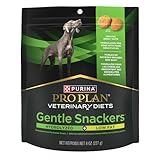
- Hydrolyzed dog treats formulated for dogs with food sensitivities
- Low fat Purina dog treats for dogs on a weight loss plan
- An excellent choice for dog owners searching for sensitive stomach dog treats
- Great-tasting weight management treats with an enticing, crunchy texture
- Purina Pro Plan Veterinary Diets treats made with a single hydrolyzed protein source

- Hill's Prescription Diet i/d Low Fat Digestive Care Chicken Flavor Canned Dog Food is specially formulated by Hill’s nutritionists and veterinarians to support dogs' digestive health.
- Helps settle digestive upsets for dogs that need a low fat formula.
- Helps improve digestion, nutrient absorption & lower blood fat levels.
- Low fat formula with highly digestible protein.
- Made with proprietary ActivBiome+ ingredient technology shown to rapidly activate beneficial gut bacteria and support a healthy GI microbiome balance.


- Healthy skin & coat with Omega-6 & Vitamin E
- Lean muscles supported with high-quality protein
- Ideal body weight supported with low calories and L-Carnitine
- Healthy digestion supported by natural fibers
- Made with natural ingredients

- Hill's Prescription Diet Dog Treats are specially formulated by Hill’s nutritionists and veterinarians for dogs under veterinary care
- These dog treats are low sodium to help maintain heart and kidney health
- Created with natural ingredients with low calories to help maintain ideal weight
- Delicious treats for dogs enjoying Prescription Diet b/d, c/d, g/d, h/d, i/d Low Fat, j/d, k/d, k/d Mobility, r/d and w/d
- These treats are made in the USA with global ingredients you can trust, and were developed by Hill’s nutritionists and veterinarians

- Hill's Prescription Diet i/d Low Fat Digestive Care Rice, Vegetable & Chicken Stew Canned Dog Food is specially formulated by Hill’s nutritionists and veterinarians to support dogs' digestive health.
- Helps settle digestive upsets for dogs that need a low fat formula.
- Helps improve digestion, nutrient absorption & lower blood fat levels.
- Low fat formula with highly digestible protein.
- Made with proprietary ActivBiome+ ingredient technology shown to rapidly activate beneficial gut bacteria and support a healthy GI microbiome balance.

Choosing the Right Diet for Your Dog with Pancreatitis
Dealing with pancreatitis in your dog can be worrying. Pancreatitis is an inflammation of the pancreas, a small organ that helps with digestion. A special diet is crucial for managing this condition and helping your furry friend feel better. This guide will help you find the best food to support your dog’s health.
Key Features to Look For
When selecting a diet for a dog with pancreatitis, certain features stand out.
Low Fat Content
- Why it’s important: Fat is hard for a dog with pancreatitis to digest. A low-fat diet reduces the workload on the pancreas.
- What to look for: Aim for foods with less than 15% fat on a dry matter basis. Some specialized diets might be even lower.
Highly Digestible Ingredients
- Why it’s important: Easy-to-digest ingredients are gentler on the digestive system. This helps prevent further irritation.
- What to look for: Look for simple, recognizable protein sources like turkey, chicken, or lamb. Avoid complex fillers or artificial ingredients.
Adequate Protein
- Why it’s important: Protein helps maintain muscle mass, which is important for recovery.
- What to look for: The food should have a good amount of protein. This helps your dog stay strong.
Added Fiber
- Why it’s important: Fiber can help regulate digestion and promote a feeling of fullness.
- What to look for: Ingredients like pumpkin or beet pulp often provide beneficial fiber.
Palatability
- Why it’s important: If your dog won’t eat the food, it won’t help.
- What to look for: Many dogs find low-fat diets less appealing. Look for brands that have good reviews for taste.
Important Materials in Dog Food
The ingredients in your dog’s food matter a lot.
Protein Sources
- Good choices: Deboned chicken, turkey, lamb meal, or fish are often well-tolerated.
- Things to be cautious of: Fatty meats like beef or pork can be problematic.
Carbohydrate Sources
- Good choices: Rice, sweet potatoes, and oats are usually easy to digest.
- Things to be cautious of: Corn and wheat can sometimes be harder for dogs to process.
Fat Sources
- Good choices: Small amounts of healthy fats like flaxseed oil or fish oil can be beneficial.
- Things to be cautious of: Avoid foods with high levels of animal fats or generic “animal fat” listed.
Vitamins and Minerals
- Why they’re important: A balanced blend of vitamins and minerals supports overall health.
- What to look for: Ensure the food is labeled as “complete and balanced” for your dog’s life stage.
Factors That Improve or Reduce Quality
Several things affect the quality of a pancreatitis diet.
What Improves Quality:
- Veterinary Recommendation: Always discuss diet changes with your veterinarian. They know your dog’s specific needs.
- Limited Ingredient Diets (LIDs): These diets reduce the chance of triggering a reaction.
- Fresh, Whole Ingredients: Foods made with recognizable, high-quality ingredients are generally better.
- Appropriate Fat Levels: This is the most critical factor.
What Reduces Quality:
- High Fat Content: This is the biggest red flag for pancreatitis.
- Artificial Additives: Colors, flavors, and preservatives can irritate a sensitive system.
- Generic or Unspecified Ingredients: “Meat by-products” can hide lower-quality or fatty ingredients.
- Poor Digestibility: If your dog experiences vomiting or diarrhea, the food might not be suitable.
User Experience and Use Cases
How do owners and their dogs experience these diets?
User Experience:
- Positive experiences: Owners often report improvements in their dog’s energy levels, reduced vomiting, and better stool consistency when on the right diet. They appreciate seeing their dog feel more comfortable.
- Challenges: Some dogs can be picky eaters, making it hard to find a palatable low-fat food. Transitioning to a new diet needs to be done slowly to avoid upsetting the dog’s stomach.
Use Cases:
- Acute Pancreatitis Recovery: After a pancreatitis flare-up, a veterinarian will likely recommend a highly digestible, very low-fat diet to help the pancreas heal.
- Chronic Pancreatitis Management: Dogs with ongoing pancreatitis need a consistent low-fat diet to prevent future episodes.
- Dogs Prone to Pancreatitis: Some breeds or individuals are more susceptible. A preventative low-fat diet can be helpful.
- Transitioning to a New Diet: Always mix the new food with the old food gradually over 7-10 days. This helps prevent digestive upset.
Frequently Asked Questions (FAQ)
Here are some common questions about feeding a dog with pancreatitis.
Q: What is the most important thing to look for in a dog food for pancreatitis?
A: The most important thing is a low-fat content. This reduces the strain on the inflamed pancreas.
Q: Can I feed my dog table scraps if they have pancreatitis?
A: No, you should not feed your dog table scraps. Many human foods are high in fat and can trigger a pancreatitis attack.
Q: How quickly should I switch my dog to a new food?
A: You should switch your dog’s food gradually over 7 to 10 days. Mix increasing amounts of the new food with decreasing amounts of the old food.
Q: What are signs my dog’s pancreatitis diet isn’t working?
A: Signs include continued vomiting, diarrhea, lethargy, lack of appetite, or abdominal pain.
Q: Are prescription diets better than over-the-counter diets for pancreatitis?
A: Prescription diets are often formulated with very specific nutrient profiles and are highly digestible. They can be very effective, but your vet will guide you.
Q: How much should I feed my dog?
A: The amount to feed depends on your dog’s weight, age, and activity level. Follow the feeding guidelines on the food bag or your vet’s recommendation.
Q: Can I give my dog treats?
A: If you give treats, they must be very low in fat and approved by your veterinarian. Many common treats are too fatty.
Q: What if my dog refuses to eat the low-fat food?
A: Talk to your vet. They might suggest warming the food slightly or trying a different brand that your dog finds more appealing.
Q: Is wet food or dry food better for a dog with pancreatitis?
A: Both can work, but you must check the fat content of each. Sometimes, a specific low-fat wet food might be easier for a sick dog to eat.
Q: How long does a dog need to be on a special diet?
A: For dogs with chronic pancreatitis, a special diet may be a lifelong necessity. Your vet will determine the best long-term plan.