
The sun dips below the horizon, and the woods turn dark. Your arrow hit its mark, but the blood trail has gone cold. You scan the forest floor, heartbeat racing, desperate to recover your harvest. This is the moment every hunter fears. In the thick brush and fading light, your eyes alone aren’t enough. This is where a trained deer tracking dog becomes your most valuable partner.
Finding the right tracking dog is not as simple as picking a puppy from a litter. Many hunters struggle with the overwhelming number of breeds and training methods available today. Should you choose a scent-driven hound or a versatile retriever? Will your dog handle the harsh terrain or the intense pressure of a long track? Choosing the wrong companion can lead to frustration and wasted time in the field.
In this guide, we break down everything you need to know to make the right choice. We will explore the best breeds for the job, the essential traits to look for, and the basics of successful scent work. You will learn how to evaluate a dog’s natural instincts and build a bond that lasts a lifetime. By the end of this post, you will feel confident in your ability to select and prepare a tracking partner that turns every difficult hunt into a success. Let’s dive into the world of tracking dogs and find the perfect match for your hunting style.
Top Deer Tracking Dog Recommendations
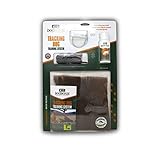
- DESIGN: The DogBone Tracking Dog Training System is a dog training kit to teach any dog breed how to find wounded game through a proven and incremental method
- SCENT: The Tracking Dog Training System includes a bottle of our DogBone BloodTrail Scent, this dog training tool contains 13 different scents associated with tracking a wounded deer to replicate a "real" tracking scenario in training
- MATERIALS: The RealHide drag is a hunting dog accessory made of a real piece of deer hide that allows you to lay down scent trails in conjunction with our heavy-duty drag line to mimic what your hunting dog will encounter in the field
- DOG TRAINING TOOLS: The included training manual will take you through the process of this dog scent training kit making your dog the ultimate deer hunting companion to have with you in the field to recover your lost game.
- MADE IN USA: DogBone dog training tools are proudly made right here in the USA for superior quality and reliability


- PURPOSE: Only liquid dog scent training kit on the market designed to train your dog to track and recover wounded deer
- DESIGN: The BloodTrail Scent (2 oz) is a hunting dog training tool that mimics the scents given off by a real wounded deer in the field and replicate that process in your hunting dog training
- STEPS FOR USE: Lay down scent clues with your hunting dog accessories like a tennis ball or DogBone RealHide to replicate a realistic wounded deer trail encountered in the field
- MADE IN USA: DogBone dog training tools are crafted right here in the USA to ensure unmatched quality and reliability

- PURPOSE: The RealHide Deer Hide Drag is a dog training tool to teach your dog how to track wounded game
- MATERIALS: This naturally processed and preserved piece of real deer hide will become an intergral part of your hunting dog accessories
- STEPS FOR DOG TRAINING: Place RealHide in water for 15 minutes to rehydrate and you are ready to train your hunting dog, when done simply place in a plastic bag and freeze till your next dog training session
- MADE IN USA: DogBone dog training tools are proudly made right here in the USA for superior quality and reliability

- Scents contain natural musks and other animal extracts
- Comes with complete instructions
- Made in the U.S.A


- Cellular Connectivity: Garmin Alpha LTE utilizes cellular technology to track your dog's movements on your compatible smartphone.
- Integrated Tracking: Seamlessly integrate it with your Garmin dog tracking system to track via VHF or LTE.
- Bundle Option: Available as a bundle with a choice of 3/4" collar strap for added convenience.
- Real-Time Updates: Monitor your dog's location and movements in real-time on your smartphone.
- Versatile Compatibility: Compatible with various Garmin dog tracking devices and systems.

The Ultimate Guide to Choosing a Deer Tracking Dog
Tracking a wounded deer is a challenging task. A well-trained deer tracking dog makes this job much easier. These dogs use their powerful sense of smell to find game that would otherwise be lost. If you are looking for a tracking partner, this guide will help you make the right choice.
Key Features to Look For
Not every dog is born to track. You need to look for specific traits in a tracking dog:
- Strong Scent Drive: The dog must have a natural desire to follow a scent trail.
- Focus: A great tracker ignores distractions like squirrels or other deer.
- Stamina: Tracking can take hours over rough terrain. Your dog needs high energy levels.
- Trainability: The dog must listen to your commands even when it is excited by a scent.
Important Materials and Gear
You need more than just a dog to be successful. You also need the right equipment to keep your partner safe and effective:
- Tracking Harness: Use a harness instead of a collar. It prevents injury to the dog’s neck when they pull on the lead.
- High-Visibility Vest: Put a bright orange vest on your dog. This helps you see them in thick brush and keeps them safe from other hunters.
- Long Lead: A 20 to 30-foot lead gives the dog enough room to work while keeping them under your control.
- GPS Collar: This technology lets you track your dog’s location on your phone if they get too far ahead.
Factors That Improve or Reduce Quality
The quality of a tracking dog depends on both breeding and training. Dogs from proven tracking bloodlines often perform better. However, even a great dog will fail without practice. You must train your dog on blood trails regularly. If you do not practice, the dog will lose its sharpness. Poor handling also reduces quality. If you do not trust your dog or if you pull the lead too much, the dog will become confused and stop working.
User Experience and Use Cases
Tracking dogs are most useful in dense forests or tall grass where human eyes cannot see blood trails. When you use a dog, you must remain calm. Let the dog lead the way. Most hunters find that using a dog changes the entire experience. It turns a stressful search into a rewarding team effort. Always remember to check your local laws, as some states have specific rules about using dogs for tracking wounded game.
10 Frequently Asked Questions
Q: What are the best breeds for tracking deer?
A: Bloodhounds, Labrador Retrievers, and German Shorthaired Pointers are popular choices. Dachshunds are also excellent trackers because they are low to the ground.
Q: How long does it take to train a tracking dog?
A: Most dogs need at least six months of consistent practice to become reliable trackers.
Q: Can any dog be a tracking dog?
A: Many dogs have the nose for it, but not all have the drive. You need a dog that is eager to work and stays focused.
Q: Should I use a treat as a reward?
A: Yes. Positive reinforcement with treats or praise helps the dog understand that finding the deer is a good thing.
Q: Do I need to keep the dog on a leash?
A: Yes. In most areas, tracking dogs must be kept on a lead to ensure you stay with the dog and maintain control.
Q: What if the dog loses the trail?
A: Stop and circle back to the last spot where you found blood. Let the dog reset and start the search again.
Q: Is tracking at night harder for the dog?
A: No. Dogs rely on their noses, not their eyes. They can track just as well in the dark as they do during the day.
Q: Can a puppy be a tracking dog?
A: You can start simple scent games with a puppy, but wait until they are older for real field work.
Q: How often should I practice?
A: Try to practice once a week. Short, frequent sessions are better than one long, exhausting session.
Q: Are tracking dogs expensive?
A: They can be. Training, gear, and veterinary care add up, but the success rate of finding your game makes it worth the cost.