
Does your furry friend sometimes act like a tiny tornado, leaving a trail of chewed-up shoes and enthusiastic leaps at inconvenient times? You love your dog, but sometimes their energy and… unique behaviors can be a little overwhelming. You’re not alone! Many dog owners dream of a well-behaved companion, but the journey to get there can feel bumpy.
Finding the perfect book on dog training can feel like searching for a needle in a haystack. There are so many books out there, each promising to unlock your dog’s best behavior. It’s easy to feel confused about which one will actually work for you and your canine pal. Will it be too complicated? Will it be too gentle? Will it even make sense for your specific dog?
But what if you could cut through the noise and find a guide that truly empowers you to understand your dog and build a stronger bond? In this post, we’re going to dive into what makes a great dog training book, what to look for, and how to pick the one that will help you and your dog thrive together. Get ready to discover the secrets to a happier, more obedient pup!
Top Book On Dog Training Recommendations
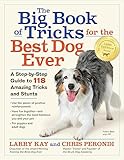
- Book: the big book of tricks for the best dog ever: a step-by-step guide to 118 amazing tricks and stunts
- Language: english
- Binding: paperback
- Kay, Larry (Author)
- English (Publication Language)

- Millan, Cesar (Author)
- English (Publication Language)
- 320 Pages - 07/11/2026 (Publication Date) - Three Rivers Press (Publisher)

- George, Zak (Author)
- English (Publication Language)
- 240 Pages - 06/07/2016 (Publication Date) - Ten Speed Press (Publisher)

- Fleming, Lincoln (Author)
- English (Publication Language)
- 100 Pages - 04/15/2025 (Publication Date) - Flora and Water Publishing (Publisher)

- Marin, Vanessa Estrada (Author)
- English (Publication Language)
- 176 Pages - 11/26/2019 (Publication Date) - Z Kids (Publisher)

- Zoom Room Dog Training (Author)
- English (Publication Language)
- 180 Pages - 04/02/2019 (Publication Date) - Callisto (Publisher)

- training field calm aggressive behavior
- Rugaas, Turid (Author)
- English (Publication Language)
- 78 Pages - 12/01/2005 (Publication Date) - Dogwise Publishing (Publisher)
Your Guide to Finding the Best Dog Training Book
Getting a new puppy or trying to improve your current dog’s behavior? A good dog training book can be your best friend. It helps you understand your dog better and teach them important skills. But with so many books out there, how do you choose the right one? This guide will help you find a book that works for you and your furry friend.
1. Key Features to Look For
When you’re picking out a dog training book, keep an eye out for these important features.
What Makes a Great Dog Training Book?
- Clear, Step-by-Step Instructions: The book should break down training into easy steps. You want to know exactly what to do.
- Positive Reinforcement Methods: Look for books that focus on rewarding good behavior. This is the kindest and most effective way to train. Avoid books that talk about punishment.
- Addresses Common Problems: Does the book cover things like potty training, leash pulling, barking, or jumping? A good book helps with everyday challenges.
- Variety of Training Techniques: Different dogs learn in different ways. A book with a few methods to try is helpful.
- Age-Appropriate Training: Training a puppy is different from training an adult dog. Make sure the book covers the right age group.
- Real-Life Examples and Stories: Stories make learning more fun and show you how training works in real situations.
- Illustrations or Photos: Pictures can help you understand the commands and techniques better.
2. Important Materials and Content
The stuff inside the book matters just as much as its features.
What Should the Book Be Made Of?
- Expert Advice: The author should be a well-known dog trainer or veterinarian. Their experience is valuable.
- Science-Based Information: Good books explain why dogs behave certain ways. They use what we know about dog behavior.
- Logical Flow: The book should start with basic commands and move to more advanced ones. It should make sense as you read it.
- Troubleshooting Tips: What if your dog isn’t getting it? A good book offers solutions for when training gets tough.
3. Factors That Improve or Reduce Quality
Some things make a book better, while others can make it less helpful.
What Makes a Book Shine (or Not Shine)?
- Improves Quality:
- Up-to-Date Information: Dog training methods change. Newer books often have the latest, most effective advice.
- Positive and Encouraging Tone: A book that makes you feel confident and motivated is a big plus.
- Well-Organized Chapters: Easy-to-find information saves you time and frustration.
- Reduces Quality:
- Outdated Methods: Some older books might suggest training techniques that are no longer recommended.
- Confusing Language: If the book is hard to understand, it won’t help you.
- Too Much Jargon: Avoid books filled with technical words you don’t know.
- Focus on Punishment: Books that promote harsh corrections can harm your dog’s trust and well-being.
4. User Experience and Use Cases
Think about how you’ll actually use the book.
How Will You Use Your Training Book?
- For New Puppy Owners: You’ll need a book that covers potty training, crate training, socialization, and basic commands like “sit” and “stay.”
- For Owners with Problem Behaviors: If your dog barks too much or pulls on the leash, you’ll want a book that offers specific solutions for these issues.
- For Experienced Owners: You might look for books that delve into more advanced training, like agility or trick training.
- Quick Reference: Sometimes you just need to look up one specific command or problem. A well-indexed book is great for this.
- Read-Through Guide: Some people like to read the book from beginning to end to get a full understanding of training.
Choosing the right dog training book is an investment in a happy, well-behaved dog and a stronger bond between you. Happy training!
Frequently Asked Questions About Dog Training Books
Q: What are the main key features to look for in a dog training book?
A: Look for clear, step-by-step instructions, positive reinforcement methods, and coverage of common dog problems. Books with real-life examples and helpful pictures are also great.
Q: Should I buy a book that focuses on punishment?
A: No. Books that use positive reinforcement, like rewarding good behavior, are much more effective and kinder to your dog.
Q: How important is the author’s experience?
A: Very important. Choose books written by experienced dog trainers or veterinarians who understand dog behavior.
Q: What if I have an older dog, not a puppy?
A: Make sure the book you choose covers training for adult dogs, as their needs can be different from puppies.
Q: Can a book help with specific behavior problems like jumping?
A: Yes, many good training books offer specific chapters or sections on how to deal with common issues like jumping, barking, or leash pulling.
Q: What does “positive reinforcement” mean in dog training?
A: It means rewarding your dog with treats, praise, or toys when they do something you like. This encourages them to repeat the good behavior.
Q: How can illustrations or photos help me train my dog?
A: They show you exactly how to position your body, what hand signals to use, and what the desired behavior looks like. This makes the instructions easier to follow.
Q: Is it better to buy a new book or an older one?
A: Newer books often have more up-to-date training methods. Dog training science is always improving, so newer information is usually best.
Q: What if the book uses words I don’t understand?
A: A good training book should be easy to read. If it’s full of jargon, it might not be the best choice for you.
Q: How can I tell if a book will improve my dog’s quality of life?
A: A book that teaches you how to build a strong bond with your dog through positive training will improve their quality of life by making them happier and more confident.