
If your dog is throwing up blood, it is a serious sign, and you must take them to an emergency vet immediately. Hematemesis in dogs, the medical term for vomiting blood, is never normal. It means something is wrong, often something very serious, happening inside your dog’s body.
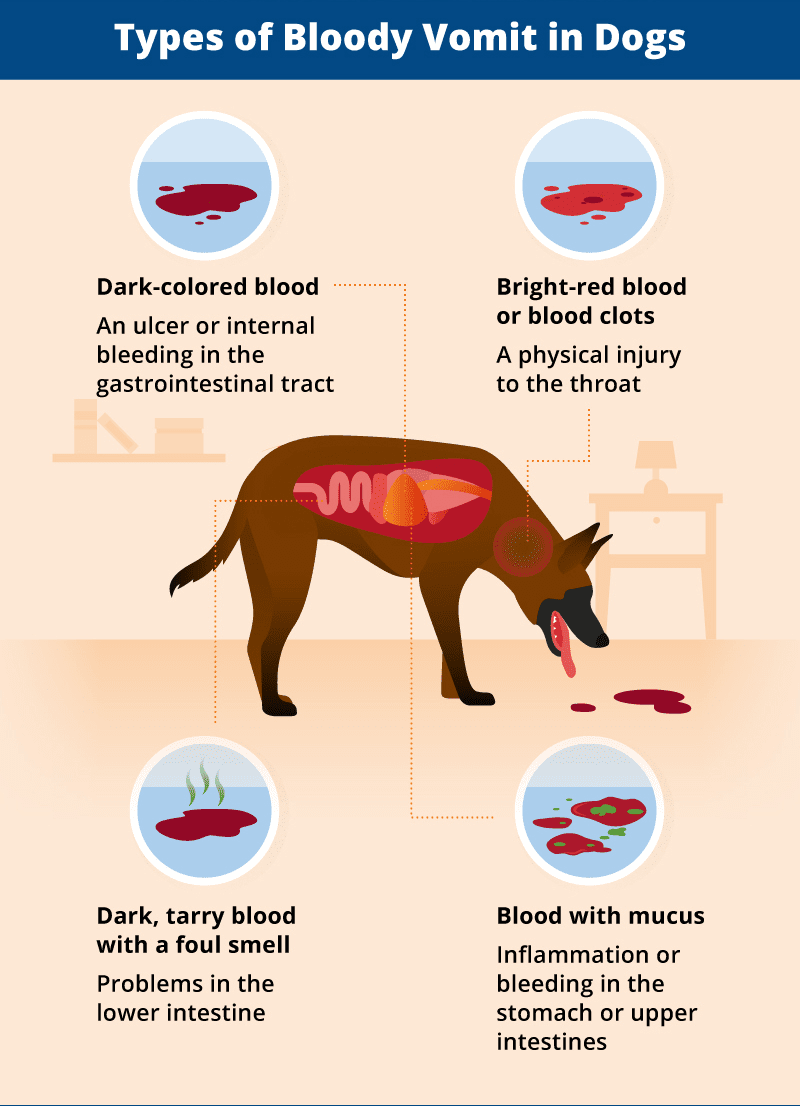
Image Source: cdn-ilbfemn.nitrocdn.com
Deciphering Bloody Vomit in Dog Scenarios
Seeing bloody vomit in dog cases can cause instant panic. The color and look of the blood tell the vet a lot about where the problem might be. It is vital to note these details before rushing to the clinic.
Differentiating Types of Vomit
The appearance of the blood helps pinpoint the source of the bleeding.
Dog Throwing Up Bright Red Blood
If you see your dog throwing up bright red blood, this usually means the bleeding is happening in the upper part of the digestive tract, like the mouth or the esophagus (the tube that goes to the stomach). Gravity has not let the blood sit long enough to change color. It looks fresh.
- Possible Causes: Injury to the mouth or throat, swallowing something sharp, or irritation deep in the throat.
Dark Coffee Ground Vomit Dog
When the vomit looks dark brown or like coffee grounds, this is a crucial sign. This color happens because the stomach acid has mixed with the blood. The acid breaks down the blood, turning it dark. This indicates bleeding inside the stomach itself. A dark coffee ground vomit dog needs urgent care.
- Possible Causes: Stomach ulcers, severe inflammation, or tumors in the stomach.
Immediate Steps When You See Blood
If your pet is experiencing severe vomiting with blood dog episodes, do not wait. Time is critical.
- Stay Calm: Try to keep your dog calm. Stress can make things worse.
- Collect Samples: If possible, take a picture or collect a small sample of the vomit. This helps the vet immensely.
- Note Other Signs: Look for other issues like weakness, pale gums, or signs of pain.
- Call Ahead: Ring the nearest emergency vet for dog vomiting blood while you are on your way. This lets them prepare for your arrival.
Exploring Potential Dog Vomiting Blood Causes
There are many dog vomiting blood causes. These range from minor irritation to life-threatening internal problems. A veterinarian needs to run tests to find the exact reason.
Gastrointestinal Tract Issues
The most common site for this bleeding is the digestive tract itself.
Acute Hemorrhagic Diarrhea Syndrome (AHDS)
This is a severe condition often causing bloody stools, but sometimes it leads to vomiting blood too. It causes intense inflammation and fluid loss.
Ulcers in the Stomach or Intestines
Ulcers are open sores in the lining of the stomach or gut. They can bleed heavily. Causes include stress, certain medications (like NSAIDs), or infections.
Foreign Body Ingestion
If a dog swallows something sharp—like a piece of bone, glass, or plastic—it can scrape or puncture the lining of the throat, stomach, or intestines. This scraping causes bleeding.
Ingestion of Toxins
Some poisons can cause severe internal damage and bleeding.
- Rodenticides (Rat Poison): Many rat poisons work by stopping the blood from clotting. This leads to bleeding everywhere, including the stomach. This is a top concern when you see dog sudden onset vomiting blood.
- Certain Plants or Chemicals: Some toxic items can cause severe irritation and bleeding in the gut.
Systemic Diseases and Disorders
Sometimes, the vomiting of blood is a symptom of a disease affecting the whole body, not just the gut.
Kidney or Liver Failure
When these vital organs fail, they cannot process toxins correctly. This buildup can lead to severe sickness, including bleeding in the GI tract.
Blood Clotting Disorders
If a dog cannot form clots properly, any minor scratch inside the body can turn into serious bleeding. This may be due to genetic issues, severe infections, or toxin exposure (like rat poison mentioned above).
Severe Infections
Certain bacterial or viral infections can inflame the gut lining so badly that it bleeds.
Tumors and Cancer
Growths, benign or malignant, within the digestive tract or nearby organs can erode tissue and bleed. This bleeding might be slow or sudden.
Recognizing Symptoms of Internal Bleeding in Dogs
When a dog is losing blood internally, vomiting blood is just one sign. You need to know other signs of recognizing symptoms of internal bleeding in dogs. These signs show that the dog is losing too much blood too quickly.
Signs of Shock and Blood Loss
When blood loss is significant, the body goes into shock because it cannot get enough oxygenated blood to vital organs.
| Symptom | What It Means | Action Urgency |
|---|---|---|
| Pale Gums (Gingiva) | Low red blood cell count; severe anemia. | Immediate Emergency |
| Weakness or Collapse | Severe blood pressure drop. | Immediate Emergency |
| Rapid, Shallow Breathing | The body is trying hard to get oxygen. | Immediate Emergency |
| Cold Extremities (Ears, Paws) | Poor circulation to the limbs. | Immediate Emergency |
| Increased Heart Rate | The heart beats faster to try and move the little blood left. | Immediate Emergency |
| Lethargy or Unresponsiveness | The dog is shutting down. | Immediate Emergency |
If you see these accompanying symptoms along with vomiting blood, the situation is life-threatening.
Vomiting Versus Regurgitation
It is important to tell the difference between vomiting and regurgitation, as this affects diagnosis.
- Vomiting: This is an active, forceful process. The dog usually hunches over, and you see abdominal contractions before the material comes out. Blood found here is usually from the stomach or upper small intestine.
- Regurgitation: This is passive. Food or liquid comes up without effort, often right after eating. If blood is present in regurgitated material, it usually means the problem is in the esophagus or mouth.
Medical Procedures After Rushing to the Vet
Once you arrive at the emergency vet for dog vomiting blood, a swift and systematic approach begins. The vet’s primary goal is stabilization, followed by diagnosis.
Stabilization Phase
If the dog is in shock or actively bleeding severely, this is the first priority.
- IV Fluids: Large-bore intravenous catheters are placed. Fluids are given quickly to boost blood volume and pressure.
- Blood Work: Quick tests check blood cell counts (to see how much blood is lost) and clotting ability.
- Blood Transfusion: If the anemia is severe, a blood transfusion may be needed right away to save the dog’s life.
Diagnostic Tools
Once the dog is more stable, the vet works to find the source of the bleeding.
Endoscopy
This procedure involves passing a flexible tube with a camera down the throat into the stomach and first part of the small intestine. This allows the vet to see ulcers, masses, or foreign objects directly. If a foreign object is found, it can sometimes be removed during the procedure.
Imaging (X-rays and Ultrasound)
X-rays can spot foreign objects or large masses. Ultrasound provides detailed pictures of the abdominal organs, checking the liver, spleen, and pancreas for signs of disease or tumors that might be causing internal bleeding.
Exploratory Surgery
If imaging is inconclusive, or if severe internal bleeding is suspected but not visible via scope, surgery might be required to find and stop the source of bleeding.
Causes of Bloody Diarrhea and Vomiting in Dogs
Sometimes, the bleeding doesn’t stop in the stomach. When you see causes of bloody diarrhea and vomiting in dogs, it often points to severe inflammation or damage lower down in the intestinal tract.
Hemorrhagic Gastroenteritis (HGE)
HGE is a condition where the small intestine leaks fluid rapidly. It causes severe, sudden bloody, watery diarrhea (often looking like raspberry jam) and intense vomiting. Dogs with HGE often become dehydrated very fast. It is an emergency.
Severe Parvovirus Infection
In unvaccinated puppies, Parvovirus attacks the gut lining, leading to severe vomiting and profuse, bloody diarrhea. This is often fatal without aggressive supportive care.
Inflammatory Bowel Disease (IBD)
While chronic, severe flare-ups of IBD can cause significant inflammation resulting in bleeding, leading to both vomiting and bloody stools.
Treatment Approaches Based on Diagnosis
Treatment relies entirely on what the veterinarian discovers is causing the bleeding.
Treating Toxins
If rat poison is the cause, the dog needs high doses of Vitamin K1 for several weeks to counteract the clotting inhibition. Supportive care is crucial while waiting for the medicine to work.
Treating Ulcers
Ulcers are managed with medications that reduce stomach acid (like Omeprazole or Famotidine) and drugs that protect the stomach lining (like Sucralfate). If an ulcer is actively bleeding heavily, hospitalization for stabilization is necessary.
Surgical Intervention
If a tumor is found, surgery is often required to remove it. If a foreign object caused severe, non-repairable damage, part of the intestine may need to be removed and reattached (a procedure called anastomosis).
Managing Systemic Illnesses
If liver failure or kidney disease is the root cause, treatment focuses on managing the organ failure itself, which might include specialized diets, specific medications, and aggressive fluid therapy.
Prognosis and Long-Term Care
The outcome for a dog vomiting blood depends heavily on two factors: how much blood was lost and the underlying cause.
If the cause is treatable, like a mild ulcer or removable foreign body, the prognosis is often good after intensive supportive care.
If the bleeding is caused by severe, widespread cancer or advanced organ failure, the prognosis is much more guarded, and the focus shifts toward quality of life.
Following discharge, owners must strictly follow all medication schedules. This often includes follow-up visits to ensure the GI tract has healed and the underlying issue is managed long-term.
Frequently Asked Questions (FAQ)
Can stress cause a dog to vomit blood?
Yes, extreme stress can sometimes contribute to or worsen conditions that cause bleeding, like gastric ulcers. While stress alone rarely causes massive bleeding, it can be a significant contributing factor, especially if the dog has an underlying sensitivity.
How long after ingesting poison might a dog start vomiting blood?
This varies greatly depending on the toxin. With certain rat poisons, vomiting blood can start within 1 to 5 days as the clotting factors degrade. If the poison is corrosive (like bleach), vomiting blood can occur within minutes to hours due to immediate burns.
Is it always necessary to go to the emergency vet if my dog vomits a small amount of blood?
Yes. Any instance of hematemesis in dogs warrants immediate veterinary consultation. Even a small amount means tissue damage is occurring somewhere. Only a vet can determine if it is a minor irritation or the start of a major bleed.
What if my dog is vomiting blood but seems fine otherwise?
Even if your dog looks relatively normal after one episode, internal bleeding can continue slowly. Blood loss can cause hidden anemia. You must seek veterinary advice right away to prevent a sudden downturn later.