
What is dog dandruff? Dog dandruff is the presence of visible, loose, white or yellowish dog skin flakes on a dog’s coat or skin. It often looks like dry, flaky patches. This common issue can stem from many simple causes or sometimes point to a more serious health problem.
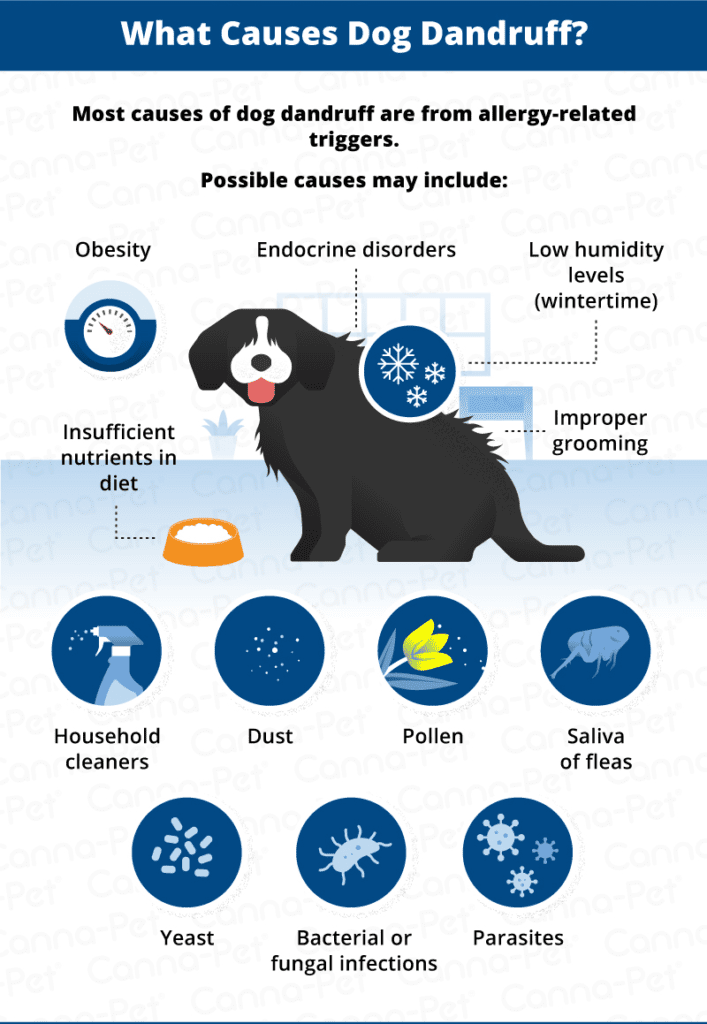
Image Source: cdn-ilbfemn.nitrocdn.com
Deciphering the Causes of Dog Dandruff
Seeing white specks on your furry friend can be alarming. Dandruff isn’t just a human problem; dogs get it too. To treat it right, we must first grasp what causes these dog skin flakes. The reasons behind canine dry skin causes are varied. They range from simple environmental issues to underlying medical conditions.
Common Environmental and Lifestyle Factors
Sometimes, the fix is easy. Look at your dog’s daily life first. These factors often cause mild, temporary dryness.
Dry Air and Low Humidity
When the air lacks moisture, it draws moisture from everything—including your dog’s skin. This is common in winter months when indoor heating runs constantly.
- Low humidity dries out the skin barrier.
- This leads to flaky skin, much like human dry skin in winter.
Improper Grooming
Bathing routines play a big role in skin health. Too much washing strips the natural oils that keep the coat healthy. Too little washing lets dead skin cells build up.
- Over-bathing: Use of harsh soaps removes protective oils.
- Under-bathing: Allows dead skin and dirt to clump up, looking like dandruff.
- Not Rinsing Well: Leftover shampoo residue can irritate the skin, leading to flakes.
Nutritional Roots of Dry Skin
What goes into your dog shows on the outside. Diet is a huge factor in skin health. Dog nutritional deficiencies skin issues often appear as dryness or poor coat quality.
Lack of Essential Fatty Acids
Omega-3 and Omega-6 fatty acids are vital for keeping skin supple and moist. If your dog’s diet lacks these fats, dryness and flaking often follow.
- Look for foods rich in fish oil or flaxseed.
- These fats help maintain the skin’s natural oil barrier.
Dehydration
If your dog is not drinking enough water, their entire system suffers, including their skin. Dehydration shows up as dry, dull skin and coat.
Parasites and Infections: Hidden Culprits
Sometimes, the flakes are not just dry skin. They can be signs of tiny invaders or infections taking hold. Knowing the difference between shedding vs dandruff in dogs is key here. Dandruff is skin buildup; excessive shedding is hair loss. However, irritation from parasites can cause both.
Fleas and Mites
Fleas are perhaps the most common irritant. Their bites cause intense itching. This scratching damages the skin barrier, leading to inflammation and scaling.
- Ensure you have a consistent flea treatment for dry skin regimen.
- Mites, like those causing mange, cause severe irritation and crusty skin that looks like heavy dandruff.
Fungal and Yeast Infections
Yeast (Malassezia) and fungi (like ringworm) love warm, moist environments. They thrive when the skin barrier is compromised.
- These infections often cause greasiness along with the flaking.
- The flakes might look yellowish or oily, not just white and dry.
Medical Conditions Causing Scaling
When simple fixes don’t work, the cause might be internal. Several chronic conditions directly affect skin cell turnover.
Allergies
Dog allergies causing skin issues are very common. Whether it’s food allergies, environmental allergens (pollen, dust mites), or contact allergies, the immune response often manifests as itchy, inflamed, and flaky skin.
Hypothyroidism
This is a hormone imbalance where the thyroid gland doesn’t make enough hormones. One major symptom is poor skin and coat health, leading to dry, scaly skin and sometimes hair loss.
Seborrhea
This is a chronic condition where the skin produces too much oil (seborrhea oleosa) or too little oil (seborrhea sicca).
- Primary Seborrhea: Often inherited, causing greasy skin and strong odor along with flakes.
- Secondary Seborrhea: Caused by another issue like allergies or infection.
- Seborrhea in dogs treatment is usually long-term management, not a quick fix.
Home Remedies and Easy Fixes for Mild Dandruff
If your dog has only a few dog skin flakes and seems otherwise healthy, you can try some simple steps at home first. These are excellent home remedies for dog dandruff when the cause is mild dryness or environmental.
Adjusting Bath Time and Products
The right bathing routine is crucial for skin health.
Using Humectant Shampoos
Switch to a gentle, moisturizing shampoo. Look for ingredients that attract and hold moisture in the skin.
- Oatmeal-based shampoos are very soothing.
- Shampoos containing aloe vera or essential oils (used sparingly and safely) can help.
The best dog shampoo for dandruff often contains salicylic acid or benzoyl peroxide to help shed the dead skin cells. Always look for products labeled “moisturizing” or “hypoallergenic.”
Proper Rinsing Technique
Rinse, rinse, and rinse again! Any shampoo residue left behind will dry the skin or cause irritation.
- Rinse until the water runs completely clear.
- Use lukewarm water, never hot water, as hot water strips natural oils.
Conditioning Treatments
After shampooing, use a good dog conditioner. This replaces some of the moisture lost during washing.
- Leave the conditioner on for the time recommended on the bottle.
- If your dog is very dry, consider an intensive moisturizing treatment or a leave-in spray between baths.
Dietary Tweaks for Skin Hydration
Improving the quality of your dog’s food can resolve dryness from the inside out.
Boosting Healthy Fats
Incorporate safe sources of healthy fats into your dog’s diet.
- Add a measured amount of fish oil (EPA/DHA) daily. This is one of the best ways to combat dry skin from within.
- A spoonful of plain yogurt or pumpkin puree (not pie filling) can sometimes help regulate digestion, which affects skin health.
Table 1: Dietary Adjustments for Dry Skin
| Nutrient Focus | Why It Helps | Food Sources/Supplements |
|---|---|---|
| Omega-3 Fatty Acids | Reduces inflammation and moisturizes skin. | Fish oil supplements, salmon oil. |
| Vitamin A & E | Supports skin cell turnover and acts as an antioxidant. | Quality commercial dog food, specific supplements. |
| Hydration | Ensures overall cellular health. | Always provide fresh, clean water. |
Environmental Controls
If you suspect dry air is the issue, make your home more comfortable for your dog.
- Use a humidifier, especially in the rooms where your dog spends the most time sleeping.
- Keep heating vents away from your dog’s resting areas.
When to See the Vet: Addressing Serious Causes
If home care doesn’t clear up the dog skin flakes within a couple of weeks, or if the flaking is severe, greasy, painful, or accompanied by hair loss, it is time to call the veterinarian. This suggests an underlying medical issue that needs professional diagnosis and treatment.
Thorough Veterinary Examination
The vet will perform a physical check-up. They may also take skin scrapings or perform cytology (looking at skin cells under a microscope) to check for parasites, yeast, or bacteria.
Ruling Out Parasites
If fleas are the culprit, consistent, vet-approved flea treatment for dry skin is essential. This often involves oral medications or prescription-strength topicals applied monthly. Treating the environment is just as important as treating the dog.
Diagnosing Allergies
If allergies are suspected, the vet might suggest an elimination diet trial if food allergies are suspected. For environmental allergies, they may recommend medications or therapies to manage the immune response. Persistent itching driven by allergies is a prime cause of secondary skin infections that cause severe flaking.
Managing Endocrine Issues
If hypothyroidism or Cushing’s disease is diagnosed, treatment involves medication to balance hormone levels. Skin health usually improves significantly once the underlying endocrine issue is managed.
Specialized Treatments for Seborrhea
Seborrhea in dogs treatment often requires prescription-strength medicated shampoos used on a specific schedule.
- The vet might prescribe shampoos containing coal tar or sulfur compounds to break down the excess oils and scales.
- These shampoos must be left on the dog for at least 10 minutes before rinsing to work effectively. This process is often done once or twice a week initially.
Distinguishing Dandruff from Normal Shedding
It is easy to mistake heavy winter coat shedding vs dandruff in dogs. Knowing the difference helps you target the right treatment.
- Dandruff: Small, white, dry flakes of dead skin that sit on the coat or fall off easily. The skin underneath might look normal or irritated.
- Shedding: Long strands of hair coming out, often leaving bald patches or very thin spots. The flakes you see might be clumps of hair mixed with normal skin oils.
If you notice large amounts of hair coming out along with flakes, the dog is likely shedding heavily due to seasonal change or stress, but the underlying dryness might need moisture treatment. If you only see small, dry particles, focus on skin hydration.
Advanced Care and Maintenance
Once the immediate cause of the dog skin flakes is treated, maintenance is key to preventing recurrence. Consistent, gentle care prevents the skin from returning to a flaky state.
Regular Brushing Routine
Brushing is more than just aesthetics; it’s vital skin care. Brushing distributes the natural oils (sebum) produced by the skin evenly over the entire coat.
- Use a rubber curry brush or a slicker brush appropriate for your dog’s coat type.
- Brush daily for short-haired dogs, or several times a week for long-haired dogs. This action also helps lift any loose dog skin flakes before they become noticeable.
Maintaining Optimal Weight and Health
Obesity can negatively impact a dog’s skin. Overweight dogs cannot groom themselves as effectively, leading to oil and dead skin buildup in hard-to-reach areas like the rump and tail base. Keeping your dog at a healthy weight ensures they can maintain good hygiene.
Avoiding Irritants
Pay attention to where your dog walks and rests. Some dogs develop contact dermatitis from chemicals on the lawn (like fertilizers) or harsh detergents used on their bedding.
- Rinse your dog’s paws after walks on treated grass.
- Wash dog beds frequently using mild, pet-safe detergents.
Comprehending Dry Skin in Different Breeds
Certain breeds are genetically predisposed to skin issues, making them more prone to dandruff. Knowing your breed’s risks helps tailor your care plan.
- Shorthaired and Hairy Breeds: Breeds like German Shepherds or Labs often show dryness more easily because they have short coats.
- Greasy Breeds (Seborrhea Prone): Breeds like Cocker Spaniels, Basset Hounds, and West Highland White Terriers often struggle with oily seborrhea, which requires specialized management of excess oil production.
- Hairless Breeds: While they don’t flake like coated dogs, breeds like the Chinese Crested need daily moisturizing lotions to prevent their exposed skin from cracking and flaking due to dryness.
FAQ Section
Can I use human anti-dandruff shampoo on my dog?
Generally, no. Human anti-dandruff shampoos often contain ingredients (like high concentrations of zinc pyrithione or certain antifungals) that can be too harsh, drying, or even toxic to dogs if absorbed through their skin or ingested during grooming. Always use products specifically formulated for canines.
Is dog dandruff contagious?
No, simple dandruff caused by dry skin or diet is not contagious. However, if the flaking is caused by a fungal infection like ringworm, that specific cause is contagious to other pets and sometimes to humans. This is why a vet check is important for persistent flakes.
How often should I bathe my dog if they have dandruff?
If the dandruff is mild and due to dryness, bathing every 2-3 weeks with a moisturizing shampoo is usually sufficient. If a medicated shampoo is prescribed for seborrhea, you may need to bathe weekly for a short period, as directed by your veterinarian. Over-bathing is a common mistake that worsens dry skin.
What if my dog’s dry skin only appears on its back?
Localized dryness, often near the base of the tail or along the spine, strongly suggests the presence of fleas, even if you don’t see them. This area is where fleas congregate. Start by ensuring your flea treatment for dry skin regimen is up-to-date and effective. If it persists, it could signal localized irritation or a specific bacterial infection.