
If your dog is suddenly panting heavily, it means they need immediate attention. Sudden heavy panting in a dog is often a sign that something is wrong and requires a quick check of their surroundings and their physical condition.
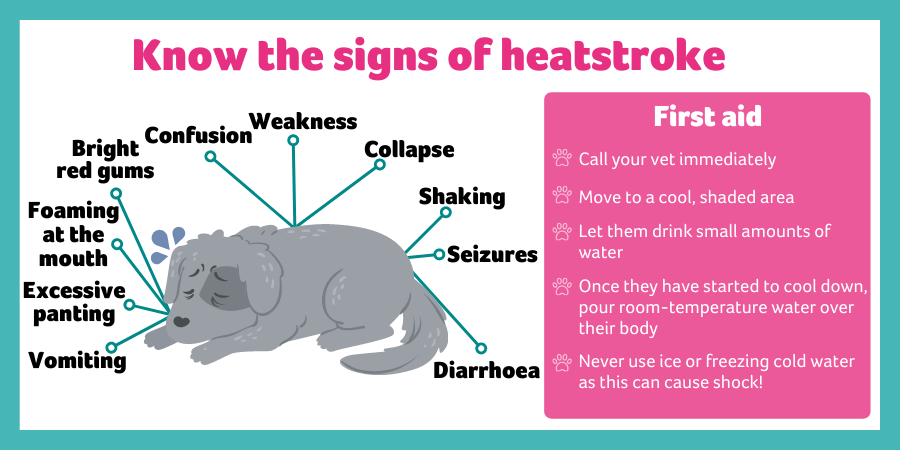
Image Source: www.pdsa.org.uk
Deciphering Sudden Changes in Dog Breathing
Panting is a normal way for dogs to cool down. They don’t sweat like humans do. Instead, rapid, shallow breathing helps water evaporate from their tongue and lungs. This process cools their body. However, when panting starts suddenly, especially without recent exercise or heat exposure, it signals an underlying issue. This situation demands immediate observation.
We need to look closely at what might cause dog rapid breathing or sudden heavy panting in dog. Many things can trigger this change, ranging from mild stress to serious medical crises. Knowing the difference is key to helping your pet quickly.
Common Situations Leading to Increased Panting
Before panic sets in, consider recent events. Did your dog just finish playing hard? Are they in a hot car? These simple reasons account for many episodes of increased panting.
Normal Causes for Dog Panting
- Exercise: After a good run or play session, panting is normal to lose heat.
- Heat Regulation: On a warm day, even resting dogs pant to stay cool.
- Excitement or Stress: Happy greetings or mild worry can cause temporary, light panting.
When Panting Becomes Concerning
When you see dog panting loudly suddenly or notice the panting doesn’t stop, it’s time to look deeper. This is when we start asking, why is my dog breathing fast for no reason?
Exploring the Causes of Sudden Dog Panting
The causes of sudden dog panting are diverse. They fall into several main categories: environmental, emotional, and medical. Medical reasons are the most serious and need prompt veterinary care.
Environmental Triggers
The outside world often dictates how much a dog pants.
Heatstroke and Overheating
Heatstroke is a top concern when a dog pants heavily and suddenly. Dogs can overheat very fast, especially in direct sun or enclosed spaces. If your dog is panting hard and their gums look bright red or very dark, they might be overheating. Look for other signs of dog overheating:
- Excessive drooling.
- Stumbling or appearing weak.
- Vomiting or diarrhea.
- Body temperature over 104°F (40°C).
If you suspect heatstroke, move the dog to a cool place immediately. Use cool (not ice-cold) water to wet their body, focusing on the neck, armpits, and groin. Seek emergency care right away.
Pain and Injury
A dog in pain will often pant heavily, even when resting. Pain signals danger to their body, triggering a stress response that includes heavy breathing. If you cannot find a simple environmental cause, check your dog for any new injuries, limping, or sensitivity when you touch certain areas.
Emotional and Stress-Related Causes
Dogs often show physical signs when they feel emotionally stressed. This often results in dog panting anxiety.
Anxiety and Fear
Loud noises (thunder, fireworks), separation from their owner, or visits to the vet can cause significant anxiety. Anxious panting is often accompanied by other signs like:
- Pacing or restlessness.
- Hiding or trying to escape.
- Whining or trembling.
If you know the trigger (like a storm starting), try to soothe your dog in a quiet, safe space. Keep calm yourself; dogs sense human worry.
Excitement
Sometimes, sudden heavy panting is just extreme joy. If a favorite person comes home or you grab the leash for a walk, the sudden rush of adrenaline can cause intense panting that looks alarming but resolves quickly once the excitement levels drop.
Medical Conditions Causing Rapid Breathing
When environmental and emotional causes are ruled out, medical issues become the primary concern for emergency dog breathing problems. If your dog is experiencing dog labored breathing at rest, this is a serious red flag.
Respiratory Issues
Problems with the lungs or airways make breathing difficult.
- Respiratory Infections: Things like kennel cough can make a dog breathe faster and cough.
- Laryngeal Paralysis: Common in older, larger breeds, this condition causes noisy, struggling breaths because the voice box doesn’t open properly.
- Tracheal Collapse: The windpipe narrows, making it hard for air to get in. This often leads to a “honking” cough followed by heavy panting.
Heart Disease
Heart problems are a major source of unexpected panting. When the heart cannot pump blood efficiently, fluid can back up into the lungs (pulmonary edema). This fluid makes it hard for the dog to get enough oxygen, leading to rapid, often moist-sounding, breathing. This is a key reason for dog labored breathing at rest.
Cushing’s Disease (Hyperadrenocorticism)
This disease involves the body making too much cortisol. One common symptom is excessive thirst and urination, but it also causes increased panting because it affects the body’s ability to regulate temperature correctly.
Anemia
If a dog has too few red blood cells, they can’t carry enough oxygen. To compensate, the body tries to move air faster, resulting in rapid, shallow breathing or panting to maximize oxygen intake.
Bloat (Gastric Dilatation-Volvulus or GDV)
GDV is a life-threatening emergency. While classic signs include a distended abdomen and unproductive retching, some dogs may show rapid, shallow breathing or restlessness just before the bloat fully sets in. If you see sudden distress along with a hard belly, treat it as an emergency.
Assessing the Severity: When to Worry About Dog Panting
Knowing when to worry about dog panting is crucial. Not all panting requires an emergency trip, but some signs mean every second counts.
Red Flags Requiring Immediate Vet Care
If you observe any of the following, stop reading and call your veterinarian or the nearest emergency clinic immediately. These indicate emergency dog breathing problems:
| Symptom | Meaning | Urgency Level |
|---|---|---|
| Gums turn blue, purple, or pale white | Severe lack of oxygen | EMERGENCY |
| Persistent panting even when resting in a cool room | Possible heart or lung failure | High |
| Loud, rattling, or wheezing sounds with each breath | Blockage or severe fluid in lungs | EMERGENCY |
| Collapse or inability to stand | Shock, severe heatstroke, or cardiac event | EMERGENCY |
| Panting accompanied by intense abdominal pain or retching | Suspected Bloat (GDV) | EMERGENCY |
Moderate Concerns
These issues need a vet appointment soon, perhaps the same day, but may not require an immediate midnight dash unless they worsen:
- Panting that lasts for hours despite cooling down efforts.
- Panting associated with lethargy (extreme tiredness) that doesn’t go away.
- Noticeable change in the quality of the breath (it sounds labored).
Practical Steps to Take When Your Dog Pants Suddenly
When you notice why is my dog breathing fast for no reason, follow these steps in order.
Step 1: Evaluate the Environment and Activity Level
First, quickly check the basics.
- Temperature Check: Is it hot? Was the dog just exercising? If yes, move them inside or into shade immediately.
- Hydration: Offer small amounts of cool water. Do not force them to drink large amounts quickly.
- Calmness: Speak in a low, soothing voice. Try to make the environment as calm as possible. Turn off loud noises.
Step 2: Check Physical Signs
A quick physical check can give you vital clues before you even get to the vet.
Gum Color Assessment
Gently lift your dog’s lip and look at the gums.
- Pink: Good blood flow and oxygenation.
- Bright Red: Could indicate overheating or infection (still concerning).
- Blue/Purple (Cyanosis): Severe lack of oxygen. Call 911/Emergency Vet.
- Pale/White: Poor circulation or shock. Call 911/Emergency Vet.
Body Temperature Check
If you have a rectal thermometer, check their temperature. A normal temperature is 100.5°F to 102.5°F (38.1°C to 39.2°C). Anything over 104°F needs cooling measures and veterinary contact.
Step 3: Comfort Measures for Heat and Anxiety
If the cause seems environmental or emotional, focus on relief:
- Cooling: Place cool (not freezing) wet towels on the neck, armpits, and groin area. Use a fan to blow air over the wet areas to speed up cooling evaporation.
- Anxiety Reduction: If you suspect dog panting anxiety, try confinement in a small, familiar space (like a crate covered with a blanket) if that usually comforts them. Provide a favorite chew toy.
Step 4: Contacting Your Veterinarian
If the heavy panting does not stop within 5 to 10 minutes of removing the suspected trigger (heat, excitement), or if any red flag symptoms appear, call your vet.
When you call, clearly state:
- What the dog is doing (e.g., “My dog is panting loudly and seems restless”).
- How long it has been happening.
- Any recent activity or known changes (e.g., “He ate dinner an hour ago”).
- The color of his gums.
This information helps the clinic decide if you need to come in right away or if they can advise over the phone.
Fathoming Respiratory Distress vs. Normal Panting
It’s important for owners to distinguish between normal respiratory rates and signs of distress. A resting dog typically takes 15 to 30 breaths per minute. When panting heavily, this rate can jump to 60 or even over 100 breaths per minute.
Deciphering the Quality of the Breath
The sound and effort involved in breathing tell a story.
- Normal Panting: Smooth, rhythmic movements of the chest and abdomen. It sounds like quick, shallow breaths.
- Labored Breathing: The dog uses its stomach muscles to push air out forcefully. You might see the sides of the ribs heave with each breath. This is a sign of dog labored breathing at rest and serious trouble.
- Stridor or Stertor: High-pitched, harsh sounds when inhaling (stridor) or noisy, snorting breaths (stertor) suggest the airway above the lungs is partially blocked or damaged.
Table: Comparing Normal vs. Concerning Panting
| Feature | Normal Panting | Concerning Panting |
|---|---|---|
| Context | After exercise, heat exposure, excitement | At rest, after cooling down, sudden onset |
| Duration | Stops once the dog calms down or cools off | Persists for more than 10-15 minutes |
| Gum Color | Pink | Pale, blue, or very dark red |
| Effort | Easy, shallow, rhythmic | Straining, deep abdominal movement visible |
| Accompanying Signs | Normal demeanor | Lethargy, vomiting, collapse, distress |
Long-Term Management for Dogs Prone to Panting
If your dog has a history of sudden panting, especially if they have a known medical condition (like heart murmurs or brachycephalic syndrome—flat faces), ongoing management is necessary.
Managing Brachycephalic Breeds
Breeds like Pugs, Bulldogs, and Boxers have short snouts that restrict airflow. They are highly prone to overheating and respiratory distress. For these dogs:
- Avoid Heat: Keep them indoors with air conditioning during warm months.
- Controlled Exercise: Exercise only during the coolest parts of the day (early morning/late evening).
- Never Leave Alone: Even a short time in a car can be fatal.
Addressing Chronic Anxiety
If anxiety is a recurring source of dog panting anxiety, talk to your vet about behavioral modification plans. This might involve:
- Desensitization training for known triggers (like thunderstorms).
- Prescription calming aids or anti-anxiety medication for severe cases.
Regular Veterinary Check-ups
Preventative care is the best tool against sudden medical crises. Regular wellness checks allow your vet to catch early signs of heart disease or other internal issues before they manifest as acute emergency dog breathing problems. Blood work and chest X-rays can reveal hidden problems.
Interpreting Respiratory Rate Changes in Different Scenarios
The context of the panting helps narrow down the diagnosis when faced with why is my dog breathing fast for no reason.
Post-Surgery Panting
It is very common for dogs to pant heavily after anesthesia. This is usually due to residual drug effects, pain, or anxiety about waking up. However, excessive, uncontrollable panting post-surgery needs immediate veterinary attention, as it can signal pain that isn’t controlled or a reaction to the anesthetic agents.
Panting in Senior Dogs
Older dogs often have underlying conditions like heart failure or respiratory weakness. If a senior dog suddenly starts panting heavily, assume it is serious until proven otherwise. Look for accompanying signs like weakness, confusion, or reluctance to move.
Panting at Night
Panting that happens mostly at night is particularly concerning. It suggests the dog is lying down and resting, meaning the heavy breathing is not linked to activity or environmental heat. This often points toward:
- Congestive heart failure (fluid accumulating when lying flat).
- Pain that becomes more noticeable when still.
- Sleep apnea or other sleep-related breathing disturbances.
Final Thoughts on Action
A sudden, unexplained change in your dog’s breathing pattern is always a call to action. While mild excitement passes quickly, persistent dog rapid breathing signals that your dog’s body is struggling to maintain balance, whether due to stress, pain, or major organ dysfunction. Immediate observation and prompt action based on the severity of the signs ensure the best outcome for your beloved companion. Trust your instincts; if you feel something is truly wrong, seek professional help.