
Yes, your dog is likely shedding a lot in the summer because they are naturally getting rid of their thick winter coat. This process is often called a “coat blow.”
Summer brings warmth. Warmth signals your dog’s body to shed the heavy fur they grew to stay warm in the cold months. This natural process helps them stay cool when the sun shines hot. If you notice dog excessive summer shedding, you are seeing a normal, healthy reaction to the changing seasons. This article will explain the reasons behind this big hair drop and offer tips for summer shedding control for dogs. We will also look at seasonal dog shedding causes and how to help your pet feel more comfortable.
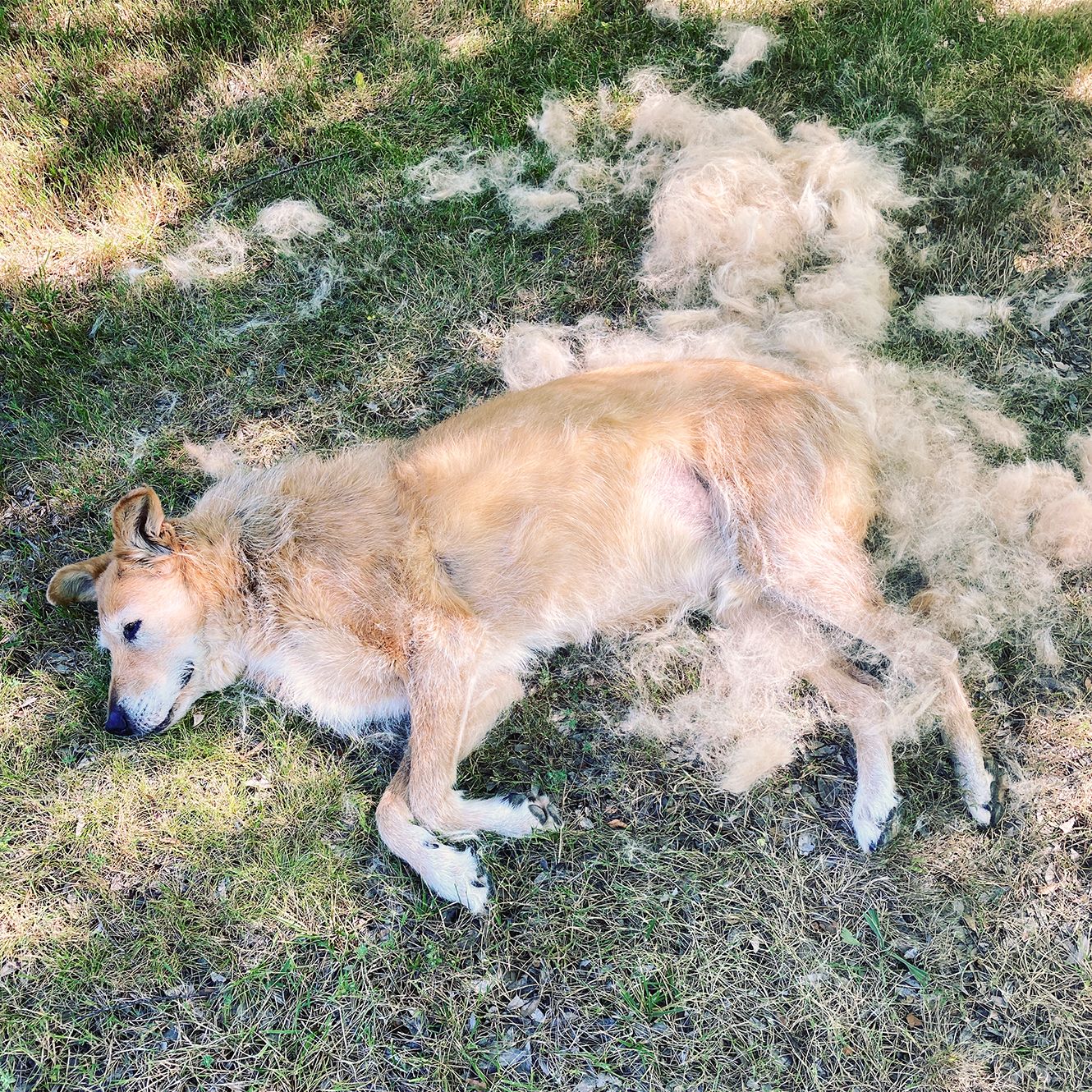
Image Source: cdn.whole-dog-journal.com
The Science Behind the Summer Shed
Dogs do not just shed a little bit year-round. They have specific times when they shed a lot. This is most noticeable in the spring and fall. The big summer shed is really the spring shed, where they drop the heavy undercoat grown for winter. This explains why is my dog blowing its undercoat.
The Role of Daylight Hours
The main trigger for heavy shedding is the change in daylight. Dogs are very sensitive to how long the sun stays up each day.
- Longer Days (Spring/Summer): As days get longer after winter, a signal goes to the dog’s body. This signal tells the skin to stop growing the thick winter coat. The old, thick fur needs to come out to make room for a lighter, summer coat. This leads to dog shedding more in hot weather.
- Shorter Days (Fall/Winter): When days get shorter, the dog grows a dense, warm coat.
This seasonal change is vital for your dog’s health. A thick winter coat would cause overheating in the summer heat.
Fathoming the Double Coat
Many dog breeds have what is called a double coat. This is a key factor in canine heavy coat blow. A double coat has two layers of fur:
- Guard Hairs (Outer Coat): These hairs are longer and coarser. They keep water and dirt out. They also protect the skin from the sun.
- Undercoat: This layer is soft, short, and very dense. It traps air close to the skin, acting like natural insulation to keep the dog warm in winter.
When summer arrives, the dog sheds the dense undercoat. This is the part that fills your vacuum cleaner! Getting rid of this insulation layer is crucial for regulating body temperature. If you see excessive dog hair loss in heat, it is usually this undercoat falling out.
Common Causes of Seasonal Dog Shedding
While sunlight is the biggest driver, other factors play a role in how much hair falls out. Knowing these factors helps with managing heavy shedding dog in summer.
Breed Type Matters
Some breeds shed much more than others due to their coat type. Dogs bred for cold climates tend to have the most dramatic shedding events.
| Breed Example | Coat Type | Shedding Intensity |
|---|---|---|
| Siberian Husky | Double | Very High |
| Golden Retriever | Double | High |
| Labrador Retriever | Double | Moderate to High |
| Poodle | Single/Curly | Low to Moderate |
| Yorkshire Terrier | Single/Long | Low |
Breeds with double coats experience the major “blow” twice a year, but the spring blow is usually the biggest.
Age and Health
A dog’s age and current health status also influence shedding.
- Puppies: Puppies shed their soft puppy fur as they grow into their adult coat. This can happen around 6 to 12 months old.
- Older Dogs: Very old dogs might shed differently. Sometimes, an older dog’s coat health declines, leading to more brittle or uneven shedding.
If shedding suddenly seems much worse than normal, it is time to check with a vet.
Environmental Factors
Beyond daylight, the environment affects dealing with dog’s heavy summer coat drop.
- Indoor Heating: Dogs living inside houses with constant heating year-round may have less dramatic seasonal shifts. The consistent indoor temperature confuses their natural cycle slightly.
- Humidity: High humidity can sometimes make the shedding feel more intense, as the dead undercoat clings to the skin more stubbornly.
When Is Shedding Not Normal?
Most summer shedding is fine. However, sometimes excessive dog hair loss in heat signals a health issue. It is important to spot the difference between a normal coat blow and true hair loss (alopecia).
Signs of Problematic Shedding
If you see any of these signs along with the heavy shedding, call your veterinarian:
- Bald Patches: Large, smooth areas where fur is missing entirely. Normal shedding leaves behind very thin spots, but not bare skin.
- Skin Irritation: Redness, bumps, sores, or excessive scratching in the areas where the hair is falling out.
- Dull or Brittle Coat: If the remaining fur looks dry, faded, or breaks easily, it suggests a nutritional issue or skin disease.
- Shedding Year-Round Excessively: If the shedding is relentless and never slows down, even outside the main seasons.
If the skin underneath looks healthy and the dog is simply dropping large amounts of soft undercoat, it is almost certainly the normal seasonal shed.
Steps for Effective Summer Shedding Control for Dogs
Dealing with dog excessive summer shedding requires a proactive approach. You cannot stop the natural process, but you can manage the fallout and help your dog feel cooler and more comfortable.
1. Grooming: The Most Important Tool
Regular, effective grooming removes dead hair before it ends up on your couch. This is the best way to practice summer shedding control for dogs.
Brushing Techniques
The type of brush you use matters greatly when dealing with dog’s heavy summer coat drop. You need tools that reach the dense undercoat.
- Undercoat Rake or De-Shedding Tool: These are essential for double-coated breeds. They have long, widely spaced teeth that safely pull out the dead undercoat without cutting the guard hairs. Use these gently, as overuse can irritate the skin.
- Slicker Brushes: Good for general removal of loose surface hair and breaking up small mats.
- Rubber Curry Brushes or Grooming Mitts: Excellent for short-haired breeds or for the final buffing. They stimulate the skin and bring loose surface hair to the top.
Brushing Frequency
During peak shedding times (spring), you might need to brush daily or every other day. For most dogs, a thorough session 3–4 times a week is sufficient.
- Tip: Brush outside if possible! This keeps the majority of the hair out of your house.
2. Bathing Strategy
Bathing helps loosen the dead hair, making it easier to remove during brushing. This is key when managing heavy shedding dog in summer.
- Use Quality Shampoo: Look for shampoos formulated specifically for de-shedding or those containing ingredients like oatmeal or aloe to soothe the skin. Avoid harsh soaps that dry out the skin, which can worsen shedding.
- Conditioning is Crucial: A good conditioner helps smooth the hair shaft, allowing the dead undercoat to slide out more easily. It also helps protect the remaining coat.
- Thorough Rinsing and Drying: Rinse until the water runs completely clear. Never let a dog air dry completely after a bath during heavy shedding. Use a high-velocity dryer (if you own one or visit a groomer). Drying completely ensures that no damp undercoat remains trapped close to the skin, which can cause mildew or hot spots.
3. Diet and Nutrition
What goes into your dog affects what comes out—including hair! Good nutrition supports a healthy coat cycle. The best food for dog summer shedding includes high-quality ingredients focused on skin and coat health.
Key Nutrients for Coat Health
A healthy diet helps ensure that the new coat grows in strong and that the old coat sheds cleanly. Focus on:
- Omega-3 and Omega-6 Fatty Acids: These essential fats reduce inflammation, moisturize the skin, and promote a shiny, strong coat. Sources include fish oil (salmon, sardine), flaxseed, and specialized supplements.
- High-Quality Protein: Hair is mostly protein. Ensure your dog’s food has a high percentage of quality animal protein (chicken, beef, fish).
- Vitamins and Minerals: Zinc and Vitamin E are important for skin integrity.
When discussing the best food for dog summer shedding, always check the first few ingredients on your dog’s current food bag. If meat is not near the top, consider switching to a premium brand known for coat health.
Supplements
If your dog’s regular food doesn’t seem enough, talk to your vet about adding supplements, such as fish oil capsules or specialized skin and coat chews. These can significantly help with seasonal dog shedding causes related to dry skin.
4. Hydration
When dog shedding more in hot weather, the risk of dehydration increases. Water is necessary for all bodily functions, including healthy skin cell turnover. Ensure fresh, cool water is available at all times, especially after exercise or long grooming sessions.
5. Professional Grooming Visits
For breeds with very thick double coats, professional grooming every 4–6 weeks during the heavy shedding season is highly recommended. Groomers have professional tools, like high-velocity dryers, which blow out vast amounts of undercoat that home brushing often misses. This is excellent for managing heavy shedding dog in summer.
Fathoming Coat Blow: Differences Between Breeds
Not all dogs experience summer shedding the same way. Breeds that rely heavily on their coats for temperature control will show the most dramatic changes.
Heavy Shedding Breeds (Seasonal Shedders)
These dogs have the most noticeable “coat blow” because they rely on their insulation. They shed their entire undercoat seasonally. Examples include Huskies, Malamutes, Samoyeds, German Shepherds, and Newfoundlands. For these pets, dealing with dog’s heavy summer coat drop is a major commitment twice a year.
Constant Shedders (Year-Round Shedders)
Some breeds shed continuously, though they may shed a bit more in the summer. Their coat often doesn’t have the dense, defined undercoat that blows out all at once. Examples include Boxers, Beagles, and Dalmatians. They require consistent brushing year-round, but usually not the intensive de-shedding sessions required by double-coated dogs.
Low Shedding Breeds
Breeds like Poodles, Shih Tzus, and Portuguese Water Dogs shed very little. Their hair grows continuously like human hair. While they shed, the dead hair gets trapped in the curls, often requiring frequent clipping to prevent matting.
Interpreting Your Dog’s Coat Condition in Summer
Your dog’s coat is a window to their overall wellness. In the heat of summer, a healthy coat should look streamlined, not excessively fluffy.
The “Summer Cut” Debate
Many owners of double-coated breeds ask if they should shave their dog for the summer. This is usually a bad idea.
- Insulation Works Both Ways: The double coat insulates against heat just as well as it insulates against cold. Shaving removes this barrier.
- Sunburn Risk: Without the protective guard hairs, the skin is exposed directly to the sun, leading to severe sunburn and skin cancer risk.
- Coat Regrowth Issues: Shaving can sometimes cause the coat to grow back patchy, dull, or with the texture altered (sometimes the soft undercoat grows back faster than the protective guard hairs).
The goal for summer shedding control for dogs should be removing the dead undercoat, not shaving the healthy outer layer. If your dog is panting excessively or seems overheated, focus on cooling methods (shade, water, cool towels) rather than shaving.
Recognizing Coat Thinning Post-Shed
After a major coat blow, your dog might look noticeably thinner. Their new summer coat will be shorter and less dense. This is completely normal. It means they successfully shed the heavy insulation and are ready for warmer weather.
Factors Affecting Dog Excessive Summer Shedding
We have covered the main reasons, but let’s summarize the common factors that can push shedding into overdrive during the hotter months.
- Hormonal Shifts: Seasonal light changes cause major hormonal releases that initiate the shedding process.
- Stress: High stress levels (like moving house or a new pet) can sometimes trigger excess shedding, even if it is summer.
- Parasites: Fleas and ticks thrive in the summer. An infestation causes intense itching and subsequent hair loss that mimics heavy shedding. Check thoroughly for parasites.
- Allergies: Summer is peak season for environmental allergens (pollen, grass). Allergies cause itchy skin, leading to excessive scratching and subsequent hair loss. If itching accompanies the shedding, suspect allergies.
When you are dealing with dog’s heavy summer coat drop, always rule out parasites and allergies first if the shedding seems painful or patchy.
Summary: A Guide to Managing Heavy Shedding Dog in Summer
Successfully navigating the shedding season means consistency. Here is a quick reference table to help organize your routine.
| Task | Frequency During Peak Shedding | Tools Needed | Goal |
|---|---|---|---|
| Brushing | Daily or Every Other Day | Undercoat rake, slicker brush | Remove dead undercoat; prevent matting |
| Bathing | Every 2–4 Weeks | De-shedding shampoo, good conditioner | Loosen trapped dead hair |
| Diet Review | Ongoing | High-quality food, Omega-3 supplement | Support skin health and new coat growth |
| Vet Check | If skin is irritated or bald spots appear | N/A | Rule out medical causes for excessive dog hair loss in heat |
By being consistent with grooming and ensuring excellent nutrition, you can minimize the mess and keep your dog comfortable while they complete their canine heavy coat blow. Remember, shedding is a sign of a healthy, seasonally adjusting dog!
Frequently Asked Questions (FAQ)
Q: How long does the heavy summer shedding period usually last?
A: The main period for seasonal dog shedding causes related to the spring coat blow usually lasts about 3 to 6 weeks. However, you will notice increased shedding for a couple of months as the dog transitions fully to their lighter summer coat.
Q: Can I use any special conditioner for the best food for dog summer shedding?
A: Yes, look for moisturizing or de-shedding conditioners. Ingredients like oatmeal, aloe vera, or tea tree oil (used sparingly and according to directions) can soothe the skin while the conditioner helps the loose undercoat slip out easily.
Q: My dog is an indoor dog and still sheds a lot. Is this normal?
A: Yes, indoor dogs often shed year-round because artificial light and indoor heating systems prevent the dramatic seasonal light shifts. However, they will usually still have two peaks of heavy shedding, often related to the spring and fall equinoxes, though perhaps less intense than an outdoor dog.
Q: Is it okay to clip a double-coated dog short for the summer?
A: Generally, no. Clipping or shaving a double-coated dog removes the protective layer against sunburn and can actually trap heat if the undercoat grows back unevenly. Focus on regular de-shedding brushing instead of shaving to achieve summer shedding control for dogs.
Q: My elderly dog is shedding unevenly. Should I worry about this instead of standard seasonal shedding?
A: Yes, uneven shedding or hair loss in older dogs warrants a vet visit. While some age-related coat dullness happens, sudden or patchy hair loss, especially if accompanied by skin changes, can point to thyroid issues, Cushing’s disease, or other health concerns that need professional attention beyond simple dealing with dog’s heavy summer coat drop.