
Dog shaking after surgery is a common issue, and it usually happens because the dog is cold, still feeling the effects of anesthesia, or experiencing pain. While often temporary and harmless, severe or prolonged shaking can sometimes signal a problem. This article will explore the many reasons for post-operative shivering in dogs, when to seek veterinary advice, and how you can help your pet feel better during recovery.
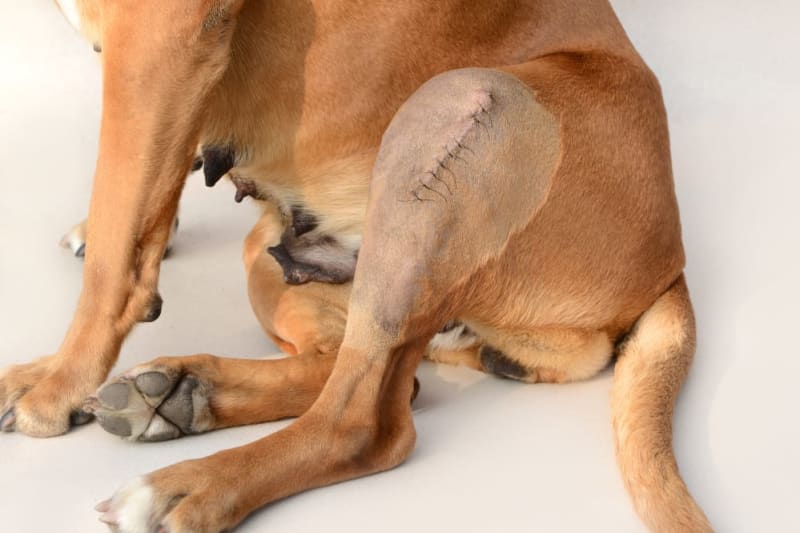
Image Source: www.guilfordjamestownvet.com
Common Reasons for Dog Tremors After Anesthesia
When your dog comes home from the vet clinic after an operation, seeing them tremble or shake can be scary. Several factors contribute to dog tremors after anesthesia. Anesthesia itself is a big event for a dog’s body. It affects their internal temperature control and nervous system.
Dog Cold After Anesthesia
One of the most frequent causes of shaking is being cold. During surgery, a dog’s body temperature often drops. Vets work hard to keep them warm, but the drop can still happen. When they wake up, their body tries to warm itself up again. Shivering is the body’s natural way to generate heat quickly.
- Body Temperature Drop: Surgery involves less movement and sometimes exposure to cooler operating rooms.
- Metabolic Slowdown: Anesthesia slows down the body’s metabolism.
- Re-warming Process: Shivering restarts the internal furnace.
This type of canine recovery shaking usually stops once the dog warms up and the anesthesia fully wears off.
Lingering Effects of Anesthesia
Anesthetic drugs are powerful. They affect the brain and muscles. Even after the dog seems awake, the drugs can linger in their system for hours. This can cause muscle tremors or twitching as the brain chemistry slowly returns to normal. These tremors are usually mild and go away within 12 to 24 hours.
Pain and Discomfort
Pain is a major trigger for shaking. If a dog is feeling uncomfortable after the surgery, their body might react by trembling. Pain signals travel to the brain, causing stress responses, including shaking.
- Dogs cannot tell us they hurt.
- Shaking is a clear sign of distress.
- If pain medication is wearing off, shaking might start.
Stress and Anxiety
The hospital environment, the trip home, and being separated from their usual routine cause stress. Anxiety often manifests as shaking or trembling in dogs. They might feel vulnerable in their new, restricted recovery space.
Deciphering Other Causes of Dog Shaking After Vet Surgery
While cold and anesthesia are the most common culprits, other causes of dog shaking after vet surgery need attention.
Low Blood Sugar (Hypoglycemia)
Sometimes, during long surgeries or if a dog did not eat well beforehand, their blood sugar can drop too low. Low blood sugar can cause weakness and tremors. This is more common in small breeds or very young puppies undergoing long procedures.
Medication Side Effects
Certain post-operative medications, especially pain relievers or muscle relaxants, can sometimes cause temporary twitching or shaking as a side effect. Your vet will prescribe the safest drugs, but slight reactions can still occur.
Underlying Health Issues
If a dog had a pre-existing condition that wasn’t fully controlled before surgery (like kidney or liver issues), the stress of the operation might make that condition flare up. This can sometimes cause tremors.
Dog Weakness and Shaking Post-Op
If the shaking is accompanied by noticeable weakness, it’s important to watch closely. Weakness combined with shaking can point toward severe low blood sugar, poor circulation, or that the dog is struggling to recover fully from the anesthesia.
When to Worry About Dog Shaking After Surgery
Most shaking is normal. However, some situations demand an immediate call to the veterinarian. Knowing the difference between normal recovery shaking and a serious sign of complication dog shaking after surgery is vital for your pet’s safety.
Assessing the Severity and Duration
When to worry about dog shaking after surgery depends on how intense the shaking is and how long it lasts.
| Shaking Type | Duration | Concern Level | Action Needed |
|---|---|---|---|
| Mild Tremors | Stops within 24 hours | Low | Keep warm, monitor closely. |
| Moderate Shaking | Lasts more than 24 hours | Medium | Call vet for advice on pain or meds. |
| Severe Shaking/Rigidity | Occurs anytime, violent | High | Contact emergency vet immediately. |
Accompanying Symptoms That Raise Red Flags
If the shaking is paired with any of the following signs, seek immediate veterinary care:
- Difficulty Breathing: Labored, fast, or shallow breaths.
- Pale Gums: Gums that look white, blue, or gray instead of pink. This suggests circulation problems.
- Vomiting or Diarrhea: Repeated episodes, especially if the dog cannot keep water down.
- Inability to Stand: Severe weakness or collapse along with the shaking.
- Incessant Shivering: Dog shivering excessively after surgery that does not stop even when the dog is wrapped in warm blankets and in a quiet room.
- Seizure-like Activity: Uncontrolled full-body convulsions rather than simple tremors.
These signs might indicate infection, severe pain, an adverse drug reaction, or metabolic imbalance.
Managing Post-Surgical Tremors in Dogs
For normal, mild tremors related to warming up or residual anesthesia effects, supportive care at home is usually all that is needed. Managing post-surgical tremors in dogs focuses on comfort, warmth, and quiet.
Providing Warmth and Comfort
Since cold is a primary driver, creating a warm environment is the first step.
- Use Blankets: Wrap your dog gently but securely in soft, warm blankets. Avoid very heavy blankets that might restrict movement if they try to shift position.
- Heated Pads (Use Caution): If you use a heating pad, it must be set to the lowest setting and placed under only half of the dog’s body, or covered completely with a thick towel. Direct heat can burn sensitive skin, especially in dogs still slightly groggy.
- Quiet Space: Move the dog to a quiet, draft-free area away from loud noises or bustling activity. Stress worsens shaking.
Hydration and Feeding
Follow your vet’s instructions precisely regarding food and water intake.
- Water Access: Offer small amounts of water frequently once your vet clears them to drink. Dehydration can make weakness and tremors worse.
- Food Introduction: Start with small, bland meals as directed. Low blood sugar causes shaking; getting good nutrition back on track helps stabilize them.
Medication Adherence
Pain management is crucial for reducing stress-induced shaking.
- Timely Dosing: Give pain medication exactly when prescribed. Do not skip doses, as this allows the pain to build up, which can trigger more severe shaking.
- Discuss Side Effects: If you suspect the medication is causing increased tremors, call your vet. Do not stop or change medication doses on your own.
Gentle Handling
When moving or petting your dog, be gentle. They are sore, and rough handling can cause a pain reaction leading to shaking. Support their body well, especially if they are weak.
Fathoming the Difference: Shivering vs. Seizures
It is vital to differentiate between benign shivering and a potentially dangerous seizure, especially when dealing with dog weakness and shaking post-op.
Shivering (Tremors)
- Appearance: Mild to moderate muscle vibrations. The dog is usually alert, though possibly groggy.
- Response to Touch: If you gently hold the shivering muscles, the trembling might momentarily lessen or stop, or the dog might respond to your touch by looking at you.
- Cause: Usually related to cold, pain, or anesthesia wear-off.
Seizures
- Appearance: Involuntary, rhythmic, and often violent muscle contractions affecting the entire body. The dog loses consciousness or awareness.
- Response to Touch: The dog will not respond to your voice or touch during a seizure. They may paddle their legs, drool excessively, or lose control of their bladder/bowels.
- Cause: Abnormal electrical activity in the brain, which can sometimes be triggered by severe metabolic imbalance or adverse drug reactions following surgery.
If you suspect a seizure, focus on safety: move furniture away, place something soft under their head, and time how long the event lasts. Then, call your vet immediately.
The Role of Temperature Regulation Post-Surgery
Post-operative temperature control is a complex area. Surgery requires the body to divert energy and resources, often leading to transient thermoregulatory dysfunction.
Hypothermia Risk
Hypothermia (low body temperature) is a major concern immediately after anesthesia wears off. Even if the room feels warm to you, the dog’s core temperature might still be low. This is why post-operative shivering in dogs is a common sight. The shivering mechanism is the body trying desperately to correct this imbalance.
Hyperthermia Risk (Less Common)
In rare cases, some dogs can become too warm after surgery, especially if they are heavily bundled or if a reaction to anesthesia causes the body temperature to spike (malignant hyperthermia, though very rare, is a severe emergency). If you notice heavy panting, restlessness, and excessive heat radiating from the body while they are shivering, remove layers immediately and contact your vet.
Recovery Timeline for Shaking Episodes
Most recovery issues resolve quickly. Here is a typical timeline for why a dog might shake after surgery:
- Immediate Hours (0-6 hours): Shaking is most likely due to residual anesthesia effects or feeling cold. Focus heavily on providing warmth and a quiet space.
- First 24 Hours: If shaking continues, investigate pain levels. Ensure they are resting comfortably and have access to water. This is the window where minor drug side effects often resolve.
- Beyond 24-48 Hours: If dog shivering excessively after surgery persists past two days, it is less likely to be just the anesthesia wearing off. Contact your vet to rule out hidden issues like infection, internal discomfort, or ongoing metabolic stress.
Protecting Your Dog During Recovery
Your role as a caregiver is paramount during this fragile time. A safe, predictable environment speeds up recovery and minimizes stress-related symptoms like shaking.
Creating a Safe Recovery Zone
Designate one safe, easy-to-access area for your dog’s recovery.
- Crate or Small Room: A crate or small, quiet room prevents them from over-exerting themselves or falling down stairs, which is especially important if they are weak and shaky.
- Easy Access to Potty: Keep their area near an exit if they need to go outside frequently. Minimize walking distances initially.
- Monitoring Equipment: Keep a thermometer handy if your vet advised one, and a clock to track the duration of any unusual symptoms.
Managing Incision Site Checks
When checking the incision, do it calmly and quickly. Pain from touching or moving the surgical site can instantly trigger canine recovery shaking. If the dog pulls away violently or the shaking intensifies significantly when the area is touched, stop and call your vet for advice on how to proceed with checks.
Comprehending Drug Interactions and Shaking
Veterinary anesthetics and pain relievers are complex cocktails designed to keep your dog comfortable and still during the procedure. Sometimes, the combination leaves residual effects.
Opioids used for pain relief can occasionally cause minor sedation or twitching as they clear the system. NSAIDs (non-steroidal anti-inflammatory drugs) are usually safe but, in rare instances, can affect body systems leading to temporary instability reflected in tremors.
If your dog is prescribed muscle relaxers to help with bone or joint surgery recovery, these drugs are intended to reduce muscle tension, but sometimes they can cause the opposite effect initially—a slight tremor as the muscles adjust to the drug’s presence. Always review all prescriptions with your vet to confirm that any shaking observed aligns with expected side effects for those specific drugs.
FAQ Section
Q1: How long should I expect my dog to shake after anesthesia?
For most healthy dogs, mild post-operative shivering in dogs lasts only a few hours, usually resolving within 12 to 24 hours as they warm up and the drugs fully clear their system. If it lasts longer, call your vet.
Q2: Can I give my dog human medication for shaking?
Absolutely not. Never give your dog human pain relievers or anxiety medications. Many common human drugs, like Tylenol (acetaminophen) or Advil (ibuprofen), are highly toxic to dogs and can cause severe organ damage or death. Only administer medications prescribed by your veterinarian.
Q3: What should I do if my dog is shaking and won’t eat or drink?
If your dog is refusing food or water more than 24 hours after returning home, contact your vet immediately. Coupled with weakness and shaking, this suggests potential nausea, significant pain, or metabolic issues that require professional intervention, often involving IV fluids or prescription anti-nausea medication.
Q4: Is shaking a sign of infection after surgery?
Shaking alone is rarely the only sign of infection. However, if the shaking is persistent and you also notice a foul odor from the incision, excessive redness, swelling, or a fever (if you can safely take their temperature), these are signs of complication dog shaking after surgery that warrant an urgent vet visit.
Q5: Can the incision site cause the shaking?
Yes. If the surgical incision site is causing significant pain, the dog may shake due to that pain. It is important to monitor the site for signs of swelling or discharge, and ensure pain medication is administered on schedule to control discomfort that could lead to dog weakness and shaking post-op.