
Resource guarding in dogs occurs when a dog shows aggressive or defensive behaviors to keep possession of something they value, which can include food, toys, resting spots, or even people. Dog guarding owner behavior is a specific and often distressing form of resource guarding where the dog treats the owner as a valuable resource they must protect from others. If you are asking, “What is resource guarding?” the simple answer is it is when a dog tries to keep things for itself by showing fear or anger toward others who approach. This behavior is rooted in the dog’s instinct to protect valuable assets.
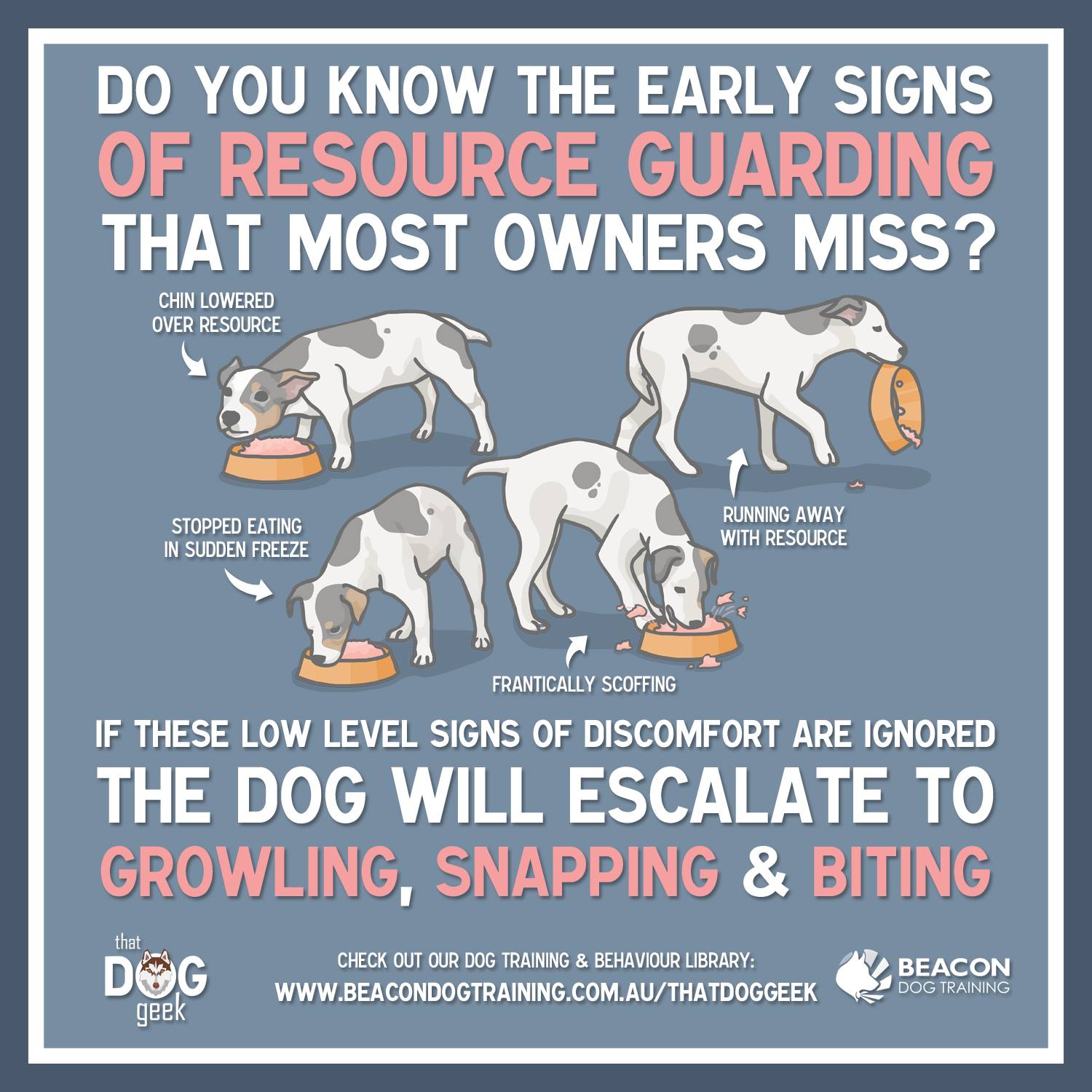
Image Source: www.oaklandanimalservices.org
Deciphering the Roots of Canine Possessiveness Around People
Resource guarding, especially when focused on the owner, is not usually about malice. It stems from the dog’s history, genetics, and learned experiences. Fathoming the deep reasons for dog guarding owner behavior is the first step toward fixing it.
Insecurity and Fear as Primary Drivers
Most resource guarding stems from fear. A dog that fears losing something valuable will act early to prevent that loss.
Past Scarcity and Hunger
If a dog experienced times when food, comfort, or attention was scarce, they learn that they must hold onto what they have. This is more common in dogs from shelters or those with unknown pasts. They may associate another person or dog approaching you with the risk of losing your presence or affection.
Lack of Socialization
Dogs that were not well-socialized as puppies might see new people or situations as threats. If they haven’t learned that new things are safe, they might default to guarding you as their primary source of safety.
Medical Issues
Sometimes, a sudden onset of dog protective behavior towards owner can signal pain. If a dog hurts when touched in a certain way, they might snap or growl to prevent you from touching that spot. This is crucial to rule out first.
Learned Behaviors and Reinforcement
Dogs learn quickly what works. If a dog growled when someone came too close to you, and the person backed away, the dog learned that growling works to “save” you.
Accidental Owner Reinforcement
This is common in dog guarding owner scenarios. When the dog starts guarding you, the owner might comfort the dog by petting it or giving it a treat to calm it down. This unintentionally rewards the guarding behavior. The dog thinks: “I guarded the human, and the human gave me a reward. Guarding works!”
Status and Dominance Misconceptions
While old theories focused heavily on dominance, modern behavior science sees this differently. However, a dog might try to control a situation or space involving you if they have learned that controlling interactions leads to getting their way. This is often less about a “top dog” mentality and more about learning control over specific high-value situations.
The Specific Nature of Guarding the Owner
Guarding the owner is different from stopping dog guarding food/toys. When guarding you, the dog is protecting the relationship or access to your presence, often targeting specific individuals.
| Target of Guarding | Common Triggers | Dog’s Goal |
|---|---|---|
| Owner (People) | Guests entering the home, children playing near you, another dog leaning on you. | To maintain exclusive access to the owner’s attention, touch, or proximity. |
| Objects (Food/Toys) | Anyone approaching the bowl or chew item. | To keep the physical item safe from being taken away. |
Recognizing the Signs of Dog Guarding Owner Behavior
It is vital to spot the warning signs early. Managing dog guarding behavior starts with recognizing subtle cues before they escalate to full-blown aggression.
Subtle Warnings (Early Stages)
These are the initial attempts by your dog to communicate discomfort.
- Freezing: The dog suddenly goes still when someone approaches you.
- Hard Stare: Intense, unbroken eye contact aimed at the person approaching.
- Body Stiffness: The body becomes rigid or tense.
- Lip Licking or Yawning: When there is no food present, these are often stress signals.
- Moving Closer: The dog presses tightly against your legs or sits directly between you and the approaching person.
Clear Warnings (Escalation)
If subtle cues are ignored, the dog will increase the intensity of its signals.
- Low Growl: A deep, rumbling sound made when someone moves closer to you.
- Snapping Air: A quick, open-mouth movement towards the person, without making contact.
- Blocking: The dog physically inserts its body between you and the person, often leaning heavily.
- Nipping or Bumping: Using the nose or shoulder to push the person away from you.
Aggressive Displays (Advanced Guarding)
This is the most dangerous stage and requires immediate, professional attention. This is true dog aggression over owner protection.
- Lunging: Charging towards the person in a threatening manner.
- Biting: Making contact with the intent to harm or chase off the threat.
Effective Strategies for Managing Dog Guarding Behavior
Treating resource guarding, particularly when it involves the owner, requires patience, consistency, and often, professional help. Never punish the growl; punishment suppresses the warning sign, leading to a dog that bites without warning later. We are looking for dog resource guarding remedies that change the dog’s emotional response.
Immediate Management: Safety First
While you work on long-term solutions, you must manage the environment to prevent incidents.
- Identify Triggers: Know exactly who triggers the behavior (e.g., men with hats, children, specific guests) and when (e.g., when you are sitting on the couch, when you are eating).
- Control Proximity: When you know a trigger is present, use physical barriers. Keep the dog on a leash tethered to furniture when guests are over. Use baby gates to separate the dog from high-value interactions (like you hugging a guest).
- Avoid Confrontation: Do not try to “take back” items or force your dog away from you when they are guarding. This confirms their fear that you will take things away.
- Enrichment Elsewhere: If the dog protective behavior towards owner happens when you sit down to read, ensure the dog has an equally high-value, safe activity elsewhere (like a stuffed Kong or puzzle toy in another room).
Counter-Conditioning and Desensitization
This core training method changes the dog’s feeling about the trigger. Instead of thinking, “That person approaching means I might lose my owner,” the dog learns, “That person approaching means something amazing happens to me!”
Using High-Value Rewards
Identify rewards your dog values more than guarding you—often specific treats like boiled chicken, cheese, or hot dogs.
The Setup for Guarding the Owner:
- Baseline Distance: Start far enough away from the trigger (the person) so your dog notices them but shows zero signs of tension.
- Trigger Appears, Reward Happens: As the trigger enters the dog’s sightline (but stays far away), immediately start feeding your dog the amazing treats, one after another.
- Trigger Leaves, Treats Stop: The moment the trigger moves out of sight, stop feeding the treats instantly.
- Repeat: Repeat this sequence many times. The dog learns the person’s presence predicts food abundance.
As the dog becomes comfortable, you slowly decrease the distance to the trigger over many sessions across several weeks. If the dog stops eating the treats, you moved too fast; return to a greater distance.
Teaching an Incompatible Behavior
If a dog is busy doing something else that requires focus, they cannot guard you. This is a very effective method for treating dog resource guarding.
- Go to Mat/Place Command: Teach your dog a solid “Go to your mat” command. When guests arrive, cue the dog to its mat with a long-lasting chew. This teaches them that when the door opens, their job is to go to their spot for a reward, not to rush you.
- Focus on You (Look at Me): Practice intense focus exercises. When someone approaches, ask for a “Look at me” command. If they comply, reward heavily. This redirects their attention from the threat back to you, their positive focus point.
Addressing Guarding of Objects (Though Secondary)
Even if the main issue is dog guarding owner, solving guarding of food or toys helps reduce overall possessiveness. Use the trade-up game.
Trading Up:
- Offer the dog a regular item (e.g., a low-value toy).
- When the dog has the toy, approach slowly and offer something better (e.g., a piece of chicken).
- As the dog drops the toy to take the chicken, say “Trade!”
- Once they eat the chicken, immediately give the original toy back.
This teaches the dog that interaction leads to gaining things, not losing them. This concept helps when stopping dog guarding food/toys.
Working with Guests and Family Members
Family dynamics play a huge role in managing dog guarding behavior. If the dog guards you from your spouse, the spouse must become part of the solution.
Educating Guests About Dog Protective Behavior Towards Owner
Guests must understand that they are not being rude by ignoring the dog; they are participating in training.
- No Attention Rule: Instruct guests: When they enter, they must ignore the dog completely until the dog is calm and on its mat. No eye contact, no talking, no touching.
- Food Delivery System: If the dog guards you from a specific person, have that person be the sole giver of high-value treats when they are far away. This makes the trigger person a predictor of good things.
Protocols for Family Members
Family members must be consistent. If one person allows the dog to shove them away from you, but another tries to train the dog, the behavior will remain confusing and persistent.
If the dog shows canine possessiveness around people when a family member approaches you on the couch:
- The family member approaches slowly.
- The dog stiffens.
- You immediately toss a high-value treat away from the dog, causing the dog to move to get it.
- The family member continues moving toward you.
- When the dog returns, the family member might offer another treat from their hand (if safe) or retreat slightly until the dog relaxes.
The goal is that the approaching person becomes the cue for the dog to move away politely to receive a reward, rather than staying glued to you defensively.
When to Seek Professional Help for Dog Aggression Over Owner
If you feel unsafe, or if the behavior is severe (hard bites, repeated lunging), you need expert help immediately. This crosses the line from simple resource guarding into serious safety risk territory.
Who to Contact
Look for certified professionals specializing in behavior modification, not just basic obedience trainers.
- Veterinary Behaviorist (DACVB): These are veterinarians specialized in animal behavior who can prescribe medication if anxiety is severe.
- Certified Professional Dog Trainer (CPDT-KA) or Certified Applied Animal Behaviorist (CAAB): Seek those with proven success in aggression and resource guarding cases. Ensure they use positive reinforcement methods. Avoid any trainer suggesting punishment, alpha rolls, or intimidation to stop dog aggression over owner. These tactics dramatically worsen fear-based aggression.
Red Flags with Trainers
Be wary of trainers who promise a quick fix or rely on outdated dominance theory. Effective treating dog resource guarding is about building positive associations, not forcing submission.
Frequently Asked Questions (FAQ)
Can I stop my dog from being possessive if I’ve always rewarded it?
Yes, you can, but it takes time. You must stop rewarding the behavior immediately and start replacing it with new, incompatible behaviors. Every time you reward the guarding (even by petting to calm the dog down), you reinforce it. You must commit to the new training plan consistently.
Is resource guarding the same as jealousy?
While colloquially called jealousy, resource guarding is a specific behavior related to protecting a valued item or person. Jealousy implies emotional awareness akin to humans, which science hasn’t confirmed in dogs. For dog guarding owner behavior, it is best viewed as anxiety over losing access to a high-value resource (you).
My puppy is showing signs of canine possessiveness around people. Is this normal?
Puppies often test boundaries. Mild possessiveness over a favorite toy might be normal teething behavior. However, if a puppy shows hard stares or growling toward family members approaching you, it is not normal and needs immediate attention. Early intervention with counter-conditioning provides the best outcome for treating dog resource guarding.
How long does it take to fix dog guarding owner behavior?
Recovery time varies greatly based on the severity, the dog’s history, and owner consistency. Mild cases might see improvement in a few weeks. Severe cases involving past trauma or established aggression may take six months to a year of consistent work. Success hinges on changing the dog’s underlying emotional state regarding the trigger.