
Yes, dog excessive panting in car situations is very common, and it usually happens for a few main reasons: heat, stress, or excitement. Dogs cool themselves mainly by panting, unlike humans who sweat. When they are in a moving vehicle, things like high temperatures, stuffy air, or feeling nervous can make this panting heavy and fast.
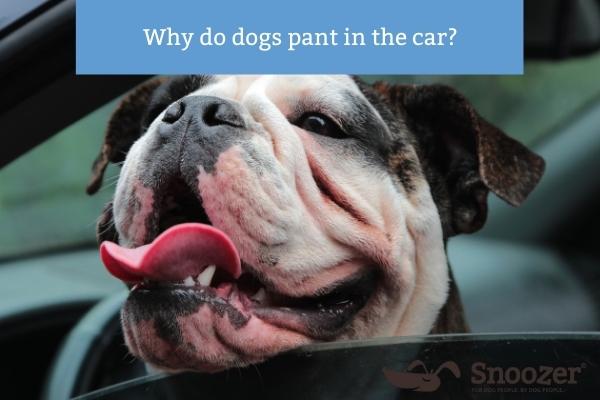
Image Source: snoozerpetproducts.com
Grasping Normal Canine Thermoregulation
To know why your dog is panting heavily in the vehicle, we must first look at how dogs handle heat. Dogs do not sweat effectively through their skin like people do. They have very few sweat glands, mostly just on their paw pads.
The Primary Cooling System: Panting
Panting is a dog’s main way to cool down. When a dog pants, air moves rapidly over the moist surfaces inside their mouth, tongue, and upper respiratory tract. This process causes water to evaporate. Evaporation takes heat away from the body, which lowers the dog’s core temperature.
Think of it like this: when you are hot, you sweat. When your dog is hot, they breathe fast and deeply—they pant.
If the air in the car is too warm, or if your dog is stressed, this cooling system works overtime. This leads to dog excessive panting in car trips.
Key Reasons for Heavy Breathing in Vehicles
There are several clear reasons for causes of dog heavy breathing in vehicle trips. These factors often mix together, making the panting worse.
Heat and Temperature Concerns
Cars heat up incredibly fast. Even on a mild day, the temperature inside a parked car can soar to dangerous levels within minutes. However, even when moving, the environment inside the car can cause trouble.
Direct Sun Exposure
If your dog is sitting where the sun shines directly on them through the window, they can quickly overheat. Their fur acts like an insulator, trapping the heat against their body.
Poor Air Circulation
A closed or poorly ventilated car traps warm, moist air. This makes it much harder for the dog’s panting to cool them down effectively. High humidity also slows down evaporative cooling, meaning the panting does not work as well. This is a major factor when figuring out is my dog too hot in the car.
Breed and Size Factors
Some dogs struggle more than others in warm conditions:
- Brachycephalic Breeds: Dogs with short snouts (like Pugs, Bulldogs, and Boxers) have narrowed airways. This makes efficient panting very difficult, even in mild heat.
- Thick Coats: Double-coated breeds (like Huskies or Malamutes) hold heat close to their bodies.
- Obesity: Excess weight adds insulation and makes the heart work harder.
Emotional Stress and Anxiety
Not all panting is about temperature. Sometimes, dog anxiety panting car ride is the main issue. Many dogs do not naturally love being confined in a moving metal box.
Car Sickness (Motion Sickness)
If your dog feels nauseous from the movement, they will often pant heavily. This is sometimes confused with true heat stress. Symptoms often include drooling, lip licking, and lethargy, along with the heavy breathing.
Fear of Travel
For some dogs, the car ride itself is scary. They might associate the car with a negative experience, like going to the vet. This fear triggers the body’s stress response. When stressed, dogs release hormones that increase their heart rate and breathing rate. This results in dog restless panting car travel.
Excitement
On the flip side, some dogs get overly excited. If they know the car ride means a trip to the park or a fun destination, their adrenaline spikes. This excitement raises their body temperature and respiratory rate, causing them to pant hard before you even leave the driveway.
Recognizing When Panting Signals Danger
It is vital to tell the difference between normal, mild panting and panting that signals a medical emergency. Heatstroke symptoms dog car are serious and need immediate action.
Stages of Overheating
| Panting Level | Description | Action Needed |
|---|---|---|
| Mild Panting | Slightly faster than normal breathing. Dog may seem alert. | Ensure fresh air. Offer water. |
| Moderate Panting | Deep, rapid, noisy breaths. May start drooling a lot. Dog looks restless. | Pull over safely. Begin cooling measures immediately. |
| Severe Panting/Distress | Straining to breathe. Bright red or very pale gums. Thick, ropey saliva. Stumbling or collapsing. | EMERGENCY! This is heatstroke symptoms dog car. Seek vet care instantly. |
If you see signs of severe distress, you must act fast. If your dog seems very hot, look at their gums. Pink is good. If they are bright red, very pale, or bluish, it is an emergency.
Practical Steps for Cooling Down Your Pet
Knowing how to cool down dog in car trips proactively will save stress and potential health scares. Prevention is always the best medicine.
Before You Leave Home
- Exercise Lightly: Give your dog a short potty break and a quick walk before hopping in. A tired dog is often a calmer dog.
- Hydration Check: Make sure your dog has access to cool, fresh water before the ride starts.
- Acclimatization: If your dog has dog anxiety panting car ride, try short, positive trips without going far. Give treats in the car while it is parked. This builds positive associations.
During the Drive
Air Flow is Key
Never rely solely on the car’s air conditioning vents blowing near the dog. You need constant fresh air exchange.
- Crack Windows: Always keep at least one window cracked open, even if the AC is blasting. This helps with air circulation.
- Direct Vents: If possible, direct a cool air vent right toward your dog’s chest area.
Providing Cool Comfort
Using cooling aids can greatly reduce the workload on your dog’s system.
- Cooling Mats: These mats use specialized gel that stays cool. Place one on their seat or carrier.
- Damp Towels: Keep a damp (not soaking wet) towel handy. You can place it over their body or neck. Evaporation from the towel provides direct cooling.
- Chilled Water: Bring plenty of cold water. Stop periodically to offer small amounts.
Dealing with Anxiety-Related Panting
If the cause is behavioral rather than thermal, focus on calming methods.
- Secure, Safe Space: Use a crate or a secure harness/seatbelt tether. Feeling unstable or having to brace against motion increases anxiety.
- Calming Products: Discuss calming pheromone sprays (like Adaptil) or calming chews with your veterinarian before long trips.
- Slow Introduction: For severe dog anxiety panting car ride, work on reducing dog car anxiety panting through short, positive training sessions outside of actual travel time.
Post-Trip Recovery and Monitoring
Sometimes, the stress or heat lingers even after the car stops. Monitoring your dog after a trip is important, especially if you noticed heavy panting. This is when we observe dog panting after car ride.
Immediate Post-Ride Care
When you arrive at your destination:
- Cool Down Slowly: Do not let your dog immediately run around wildly. Keep them in a cool, shaded area for 10–15 minutes.
- Water Access: Offer small, frequent amounts of water rather than letting them gulp a huge bowl all at once, which can sometimes cause vomiting.
- Check Behavior: Watch for excessive lethargy or continued rapid breathing after they have had time to relax.
If heavy panting persists for more than 20 minutes after arriving and cooling down, contact your vet. It may mean their internal temperature rose too high, or the stress response was severe.
Deciphering Vehicle Conditions: When is it Too Hot?
How do you know if the environment inside the car is the problem? Relying only on your own feeling is not safe for your dog.
Table: Safe Temperature Ranges for Dogs in Cars
| Ambient Outside Temp | Safe Window Temp (with AC/Vents) | Danger Zone Temp |
|---|---|---|
| 60°F (15°C) | 65–70°F (18–21°C) | Above 80°F (27°C) |
| 75°F (24°C) | 70–75°F (21–24°C) | Above 85°F (29°C) |
| 90°F (32°C) | Below 75°F (24°C) | Above 90°F (32°C) |
Note: These are general guidelines. Brachycephalic breeds need temperatures closer to the lower end of the safe range.
Using Technology
A simple, inexpensive solution is a wireless thermometer placed near your dog. This gives you an objective reading of the air temperature surrounding them, helping you decide if you need to adjust the AC or pull over sooner.
Consulting Professionals: Vet Advice Dog Panting Car
When should you seek professional help for car panting? If simple adjustments do not work, or if the panting is extreme, it is time for vet advice dog panting car.
When to Call the Vet Immediately
Call your veterinarian right away if you see any of the following:
- Panting that does not slow down even after cooling the dog down.
- Gums that stay red or turn blue/grey.
- Unusual lethargy or weakness, even hours after the ride.
- Vomiting or diarrhea accompanying the heavy breathing.
- If your dog has a known heart or breathing condition and starts panting excessively.
Medical Causes for Increased Panting
Sometimes, dog excessive panting in car is a symptom of an underlying health issue made worse by the stress or heat of the car. Your vet will check for:
- Cardiopulmonary Issues: Heart disease or respiratory disease makes dogs less efficient at cooling down.
- Cushing’s Disease: This condition causes excessive thirst and panting, even when resting.
- Pain: A dog in pain might pant heavily as a stress response or due to increased discomfort from movement.
Advanced Strategies for Long Road Trips
For long journeys, you need a solid plan to manage both heat and anxiety, minimizing the chances of dog restless panting car travel.
Hydration Management on the Road
Plan frequent stops specifically for water breaks, not just potty breaks. About every 2–3 hours is a good target. Use a collapsible travel bowl. Ensure the water is fresh and cool, not lukewarm water left sitting in the bottle.
Carrier vs. Open Area
Where your dog travels matters for temperature control and security.
- Crates/Carriers: These provide boundaries, which can calm anxious dogs. Ensure the crate is well-ventilated on at least three sides and never placed in direct sunlight or near a hot metal surface.
- Secured Harness: If your dog is not crated, use a proper crash-tested harness attached to a seatbelt anchor. This prevents them from climbing into direct sun or interfering with the driver.
Managing Dog Anxiety Panting Car Ride Long-Term
If anxiety is the primary driver of dog heavy breathing in vehicle trips, long-term behavioral modification is necessary.
- Desensitization: Start by just sitting in the car (engine off). Reward calm behavior. Next, turn the engine on for a minute. Then, drive around the block. Always end on a positive, short session.
- Calming Aids: For serious travel anxiety, your vet might prescribe situational anti-anxiety medication to be used before stressful trips. This helps break the negative cycle of fear leading to panting.
It is critical to remember that if your dog is panting hard because they are too hot, it is a medical emergency in progress. If they are panting because they are stressed, while less immediately life-threatening, it still harms their well-being and makes future travel harder.
Common Misconceptions About Car Panting
People often make assumptions that lead to unsafe situations for their pets.
Misconception 1: The AC is Enough
Reality: The AC cools the cabin air, but air quality and circulation still matter. If humidity is high or if the dog is sitting directly next to a sun-drenched window, they can still overheat even with AC on.
Misconception 2: Dogs Can Wait a Minute
Reality: Temperatures inside a car can rise 20 degrees Fahrenheit in just 10 minutes, even if it is only 70°F outside. Never leave your dog unattended, even for a brief stop. This is the leading cause of heatstroke symptoms dog car fatalities.
Misconception 3: A Water Bowl in the Car is Sufficient
Reality: A water bowl will likely spill, making a mess, or the dog may ignore it due to stress. Focused hydration breaks are more effective than continuous, messy access while driving.
By closely monitoring the temperature, respecting your dog’s emotional state, and preparing for both heat and stress, you can make car travel much safer and more enjoyable for your furry co-pilot. If you ever worry about is my dog too hot in the car, always err on the side of caution and pull over immediately.
Frequently Asked Questions (FAQ)
How long does it take for a dog to recover after excessive panting in the car?
If the panting was due to mild stress or slight warmth, the dog should calm down within 10 to 15 minutes once removed from the car environment, offered cool water, and placed in a shaded, cool area. If the panting was severe and related to overheating, recovery can take hours, and veterinary monitoring is essential to check for internal damage. Continued lethargy or panting warrants an immediate vet visit.
Can I give my dog medication to stop them from panting during car rides?
You should never administer human medication to a dog. If you believe your dog has severe travel anxiety leading to dog anxiety panting car ride, you must consult your vet. They can prescribe dog-specific, safe anti-anxiety medication to use before trips or recommend natural calming aids.
What is the safest way for my dog to travel in the car?
The safest way involves securing the dog in a crash-tested crate or using a safety harness that attaches to the seatbelt. Ensure they have access to air circulation, are not in direct sun, and have cool surfaces to lie on, especially during warmer months.
My dog only pants heavily after the ride ends. Why?
This is often delayed reaction to stress or exertion. If they were very excited or anxious (dog restless panting car travel), their body temperature may peak slightly after physical activity stops. It can also indicate that they were slightly dehydrated or mildly overheated during the journey, and the body is trying to regulate itself post-trip. Monitor them closely to ensure the panting subsides.