
Your dog losing fur is a common worry for many pet owners. If you see bald spots or notice your dog shedding much more than usual, it is often a sign that something needs attention. Dog hair loss causes range from simple, natural shedding to more serious health issues like infections or allergies. The next steps usually involve careful observation and a visit to the vet advice for dog bald spots.
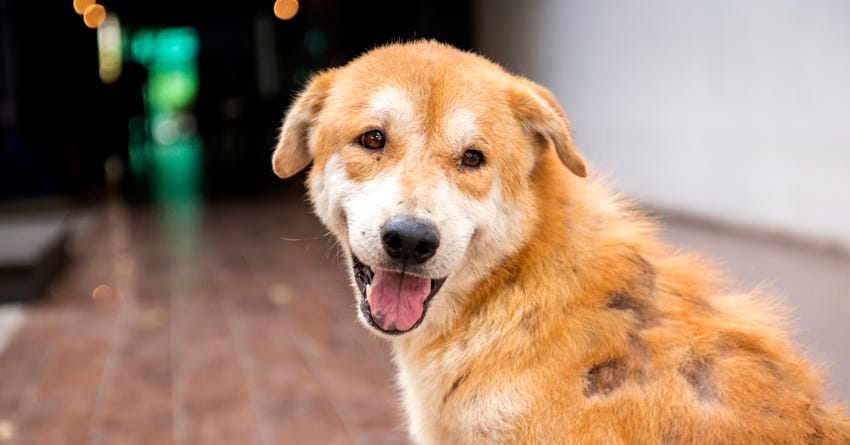
Image Source: www.thehonestkitchen.com
Deciphering Normal Shedding Versus Excessive Hair Loss
All dogs lose hair. This is a normal process. However, there is a big difference between a little fluff on the couch and patches of missing fur. Knowing this difference helps you decide when to worry.
Normal Dog Shedding
Reasons for dog shedding excessively can sometimes be mistaken for normal shedding. Normal shedding keeps the coat healthy. It removes old, dead hair.
- Seasonal Changes: Many dogs “blow their coat” twice a year. This happens in spring (losing the thick winter coat) and fall (losing the lighter summer coat). This is seasonal dog shedding management. You will see big clumps, but the dog’s skin stays healthy.
- Breed Type: Some breeds shed a lot year-round (like Labradors or German Shepherds). Others shed very little (like Poodles or Maltese).
- Age: Older dogs might have slightly thinner coats.
Red Flags for Hair Loss (Alopecia)
When hair loss goes beyond normal shedding, it is called alopecia. This is not normal. Look for these signs:
- Patches of hair falling out completely.
- Skin looks red, flaky, or irritated.
- Your dog scratches, bites, or licks the area often.
- The hair loss is patchy or asymmetrical.
- You notice poor coat quality in dogs, looking dry or brittle.
Investigating Common Dog Hair Loss Causes
There are many dog hair loss causes. To find the right solution, we must look closely at what might be happening.
Parasites: The Tiny Invaders
Parasites are a very common reason for scratching and subsequent hair loss. When dogs scratch intensely due to bug bites, they pull out their own fur.
- Fleas: These are perhaps the most common culprit. Flea allergy dermatitis (FAD) means a dog is allergic to flea saliva. Just one bite can cause severe itching, often around the tail base and hind legs.
- Mites (Mange): Two main types cause problems. Sarcoptic mange is intensely itchy. Demodectic mange often shows up as small, localized bald spots, often starting on the face or legs, especially in younger or immune-compromised dogs.
- Ticks: While ticks usually latch on, heavy infestations can cause irritation leading to scratching and hair loss.
Allergies: The Itch Cycle
Allergies are a leading cause of skin irritation and dog skin problems causing hair loss. Allergies cause inflammation, making the dog scratch until the hair falls out.
- Environmental Allergies (Atopy): These are like hay fever in humans. Pollen, dust mites, molds, and grasses cause itching. This often affects paws, ears, groin, and belly.
- Food Allergies: Though less common than environmental ones, allergies to proteins (like chicken or beef) or grains can cause chronic itching and hair loss, often around the face and rear end.
- Contact Dermatitis: Rarely, a reaction to shampoo, carpet cleaner, or bedding material can cause localized hair loss where the dog touches the irritant.
Infections: When Bacteria or Fungus Takes Hold
Infections often thrive when the skin barrier is already damaged by scratching or underlying conditions.
- Bacterial Infections (Pyoderma): Often a secondary problem, bacteria invade irritated skin. This looks like red bumps, crusts, or circular patches of hair loss.
- Yeast Infections (Malassezia): Yeast loves warm, moist areas (like skin folds or ears). It causes greasy skin, a musty odor, and intense itching, leading to hair loss.
- Ringworm (Fungus): Despite the name, it’s a fungus, not a worm. It usually causes circular patches of hair loss with crusty edges. It is contagious to humans.
Hormonal and Endocrine Issues
Sometimes the hair loss is not caused by external irritation but by problems inside the body affecting hair growth cycles. These are often non-itchy dog hair loss causes.
- Hypothyroidism: The thyroid gland does not produce enough hormones. This leads to a dull, dry coat, thin hair, and often symmetrical hair loss on the flanks and tail (“rat tail”). This hair loss is usually not itchy unless a secondary infection sets in.
- Cushing’s Disease (Hyperadrenocorticism): Too much cortisol is produced. Symptoms include thin skin, potbelly, excessive drinking and urinating, and symmetrical hair loss, often sparing the head and legs.
Behavioral and Stress-Related Causes
Stress can manifest physically in dogs.
- Lick Granulomas (Acral Lick Dermatitis): Chronic, obsessive licking, usually on one front leg, causes a thick, raised lesion that is often infected and results in significant hair loss. This is often linked to boredom, anxiety, or underlying pain.
- Over-Grooming: Anxiety or frustration can lead a dog to chew or lick itself bald in certain areas.
Identifying Dog Fur Loss Patterns
How the hair falls out offers vital clues to the underlying issue. Observing the pattern is the first step before consulting a veterinarian.
| Hair Loss Pattern | Typical Appearance | Common Causes |
|---|---|---|
| Symmetrical/Even | Hair thinning evenly on both sides of the body, often sparing the head/legs. | Hormonal issues (Hypothyroidism, Cushing’s). |
| Patchy/Circular | Distinct, round areas of missing hair, often scaly or red. | Ringworm, Demodectic mange, localized allergies. |
| Focal (One Spot) | Hair loss centered on one specific area, often inflamed. | Lick granuloma, localized infection, trauma. |
| Tail/Rear End | Hair thinning mainly around the base of the tail and hindquarters. | Flea allergies (FAD). |
| Rump and Flanks | Bilateral thinning over the main body area, skin darkening. | Cushing’s disease, older age coat changes. |
Grasping Non-Itchy Dog Hair Loss Causes
When you examine your dog and there is no obvious scratching, licking, or redness, it directs the investigation toward internal issues. Non-itchy dog hair loss causes often require blood tests or deeper medical investigation.
Thyroid Imbalances
Hypothyroidism slows down the body’s metabolism. Hair growth is one of the first processes affected. The hair shafts become weak. This leads to easy breakage and thinning. You might also notice your dog gaining weight, becoming lethargic, and having dry, dull skin alongside the hair loss.
Alopecia X (Adrenal Sex Hormone Imbalance)
This condition is poorly defined but often affects plush-coated breeds like Pomeranians, Keeshonds, and Alaskan Malamutes. It causes slow, symmetrical hair loss, typically starting on the trunk, neck, and tail. The skin often looks normal or sometimes darkens (hyperpigmentation). It is a diagnosis of exclusion, meaning other causes must be ruled out first.
Post-Clipping Alopecia
Some dogs experience prolonged or permanent hair loss after being shaved completely (often for skin procedures or severe matting). This is thought to be related to the hair follicles’ inability to restart their growth cycle, especially in thick-coated breeds.
Next Steps: What to Do When You Spot Hair Loss
If you notice any concerning hair loss, do not panic, but do take action.
Step 1: Observation and Documentation
Before calling the vet, gather information. This helps immensely with diagnosis.
- When did you first notice it? Was it sudden or slow?
- Where is the hair loss? Be specific (e.g., “only on the left ear flap” or “all over the belly”).
- Is the dog itchy? Rate the itchiness from 1 (none) to 10 (constant, frantic scratching).
- Diet Review: Have you recently changed your dog’s food or treats? Are they getting table scraps?
- Environment Check: Have you used new soaps, cleaners, or bedding?
Step 2: Immediate Home Care Focus
While waiting for your appointment, focus on stabilizing the skin and preventing further self-trauma.
- Control the Itch (If Present): If your dog is frantically scratching, you might use an Elizabethan collar (cone) temporarily to stop them from causing secondary infections by biting and scratching.
- Gentle Grooming: Brush gently. Do not scrub the affected areas. Use a mild, oatmeal-based shampoo if bathing is necessary.
- Parasite Control: Ensure your dog is up-to-date on high-quality flea, tick, and mite preventatives prescribed by your vet. Even if you don’t see fleas, they might be present.
Step 3: Consulting Your Veterinarian
For persistent or patchy hair loss, a veterinary visit is essential. The vet will perform a physical exam and may run specific tests to pinpoint the dog hair loss causes.
Diagnostic Tools Vets Use
- Skin Scrapings: The vet gently scrapes the surface of the affected skin. They look under a microscope for mites (like Demodex) or signs of yeast/bacteria.
- Fungal Culture (DTM): Used to test specifically for ringworm fungus.
- Cytology: Swabbing the skin surface to look at cells under the microscope, identifying yeast or bacterial overgrowth.
- Blood Work: If a hormonal issue is suspected, a complete blood count (CBC) and chemistry panel, often followed by specific thyroid (T4/TSH) or adrenal hormone tests, will be ordered.
- Diet Trials: For suspected food allergies, the vet may recommend a strict, 8–12-week novel protein or hydrolyzed protein diet trial.
Approaches to Canine Alopecia Treatment
Treatment depends entirely on the diagnosis. Canine alopecia treatment must target the root problem, not just the symptom (the missing hair).
Treating Parasitic Causes
If mites or fleas are the cause, treatment focuses on eradication.
- Mites: Specific oral or topical medications are highly effective against Demodex and Sarcoptes mites. Treatment often lasts several weeks to kill all life stages.
- Fleas: Strict, year-round use of veterinarian-recommended flea control is crucial. The owner must also treat the home environment.
Managing Allergic Hair Loss
Allergy management is often about long-term control rather than a quick fix.
- Environmental Allergies: Treatment may include regular medicated baths, supplements to improve the skin barrier, antihistamines, or specialized immunotherapies (allergy shots or drops) tailored to what your dog is allergic to.
- Food Allergies: Strict adherence to the prescribed hypoallergenic diet is the only cure. Any cheat treat can restart the reaction.
Addressing Infections
Infections (bacterial or yeast) are usually treated with prescription-strength topical shampoos, wipes, or oral antibiotics/antifungals, depending on severity. It is important to treat the underlying cause (like allergies) simultaneously, or the infection will return.
Hormone Replacement and Management
- Hypothyroidism: Treated successfully with a daily oral thyroid hormone supplement (levothyroxine). Hair growth usually resumes within a few months once the correct dosage is found.
- Cushing’s Disease: Requires medication to suppress the overproduction of cortisol. This is a complex condition requiring careful monitoring.
Managing Dog Fur Loss: Long-Term Coat Health
Even after treating an issue, supporting the coat’s recovery is vital. This involves managing dog fur loss through good nutrition and grooming.
Nutritional Support
The coat is made of protein. If the diet is lacking, the coat suffers first.
- High-Quality Protein: Ensure the food contains high-quality, digestible animal protein sources.
- Essential Fatty Acids (EFAs): Omega-3 and Omega-6 fatty acids (found in fish oil or flaxseed) are crucial for skin health and reducing inflammation. These often improve coat shine and thickness during recovery.
Grooming for Recovery
Once the skin heals, proper grooming helps re-establish healthy hair growth patterns.
- Regular Brushing: This stimulates blood flow to the skin, which carries nutrients to the hair follicles. Use brushes appropriate for your dog’s remaining coat type.
- Conditioning Treatments: Medicated conditioners recommended by your vet can help soothe healing skin and improve the texture of new hair growth.
Seasonal Dog Shedding Management
For healthy dogs experiencing heavy seasonal shedding, good management prevents matting and excess indoor cleanup.
- Increased Brushing Frequency: Brush daily during peak shedding seasons to remove the dead undercoat before it falls out inside.
- De-Shedding Tools: Use specialized tools (like undercoat rakes or deshedding blades carefully and only as directed) to safely pull out dead hair.
- Bathing: A warm bath during peak shedding can help loosen dead hair, making it easier to brush out.
Preventing Recurrence
The best way to deal with hair loss is to prevent it. This involves consistent preventative care.
- Year-Round Parasite Control: Never skip flea, tick, or mite prevention, even in winter.
- Balanced Diet: Stick to a high-quality diet appropriate for your dog’s life stage.
- Routine Checkups: Annual (or bi-annual for seniors) vet exams should include a thorough skin check. Early detection of subtle changes prevents severe dog skin problems causing hair loss.
- Stress Reduction: Provide environmental enrichment, training, and exercise to minimize anxiety that could lead to obsessive licking or chewing.
Frequently Asked Questions (FAQ)
Q: Can I treat my dog’s hair loss at home without a vet visit?
A: You can manage mild, temporary shedding or apply supportive care like gentle washing. However, if you see actual bald patches, skin changes, or intense itching, a vet visit is necessary. Treating the wrong cause (e.g., using anti-fungal cream when the issue is hormonal) wastes time and allows the underlying problem to worsen.
Q: How long does it take for the fur to grow back after treatment?
A: This varies significantly. For superficial issues like mild yeast infections or flea allergies, you might see improvement in a few weeks. For hormonal issues like hypothyroidism, it can take three to six months for the coat to fully recover its thickness and color.
Q: Is it dangerous if my dog has bald spots but doesn’t scratch them?
A: Bald spots without itching are highly suggestive of an internal medical issue, such as a thyroid problem or Cushing’s disease. While the dog is not currently uncomfortable from scratching, these conditions can affect overall health and quality of life, so veterinary investigation is critical.
Q: Why is my senior dog losing hair more than before?
A: Older dogs often experience reduced hormone production or a slower metabolism, which can lead to coat thinning, dry skin, and increased hair loss. Sometimes, underlying conditions like kidney disease or thyroid issues become more prevalent with age, causing hair loss. A senior wellness check is recommended.