
Yes, your dog can become itchy after a bath for several common reasons, ranging from simple dryness to an allergic reaction to the products used. This article will explore the main causes of dog itching after a bath, explain the underlying issues, and show you how to stop dog itching after bathing.
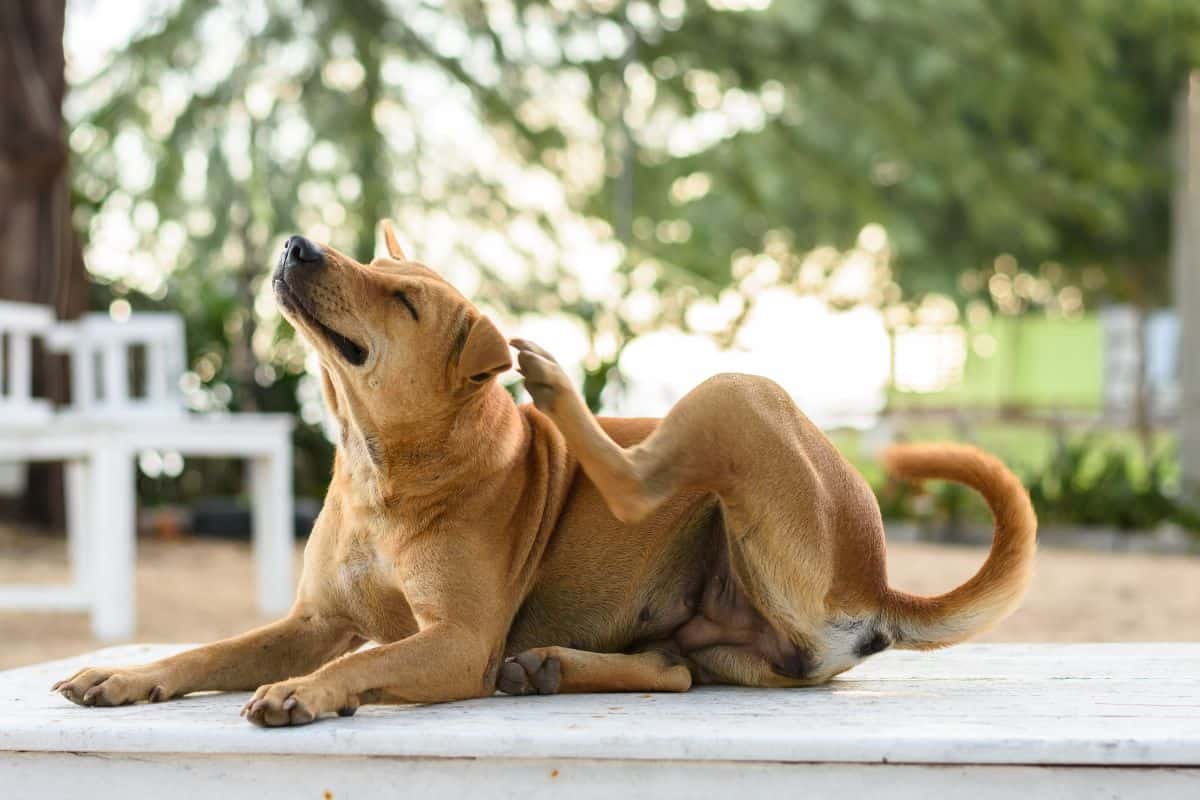
Image Source: www.theacademyofpetcareers.com
Deciphering Why Post-Bath Itching Happens
It seems unfair. You give your beloved pet a bath to make them clean and fresh, but instead, they spend the next few hours trying to scratch their ears off. This common issue, dog skin irritation after washing, has several key culprits. Fathoming the exact cause is the first step toward relief for your furry friend.
Simple Irritation: Water Temperature and Technique
Sometimes, the problem is not the soap but the washing process itself.
Water Heat Matters
Using water that is too hot can strip your dog’s natural skin oils. This leads directly to dry skin on dog after washing. Hot water opens up pores and causes blood vessels near the surface to expand, making the skin feel sensitive and itchy even after rinsing. Always use lukewarm water. Test it on your wrist first, just like you would for a baby.
Incomplete Rinsing
Soap residue is a major offender. If you do not rinse thoroughly, leftover shampoo or conditioner acts as a constant irritant. This residue sits on the skin, causing itching and sometimes leading to dog excessively scratching post-bath. It might look clean, but traces of product remain, causing misery. Make rinsing the longest part of the bath time.
Product Problems: Shampoos and Conditioners
The products you use are often the direct source of post-bath discomfort. What works for human skin rarely works for canine skin.
Harsh Chemicals and Fragrances
Many commercial dog shampoos contain strong detergents, artificial colors, and heavy perfumes. These ingredients are harsh. They strip away the protective oils (sebum) that keep the dog’s skin barrier healthy. When this barrier is compromised, the skin dries out quickly. This results in general dog skin dryness remedy bath time becoming necessary almost immediately.
Allergic Reactions to Dog Shampoo
In some cases, the itching is not just dryness but a true allergic response. This is known as an allergic reaction to dog shampoo. If your dog is allergic to an ingredient—maybe a specific preservative or essential oil—their immune system reacts by causing inflammation, hives, or intense itching. Even if a shampoo is “natural,” your dog might still be sensitive to components like tea tree oil or certain plant extracts.
pH Imbalance
Human skin has a different pH level than dog skin. Human soaps are often too acidic for dogs. Using human shampoo, even baby shampoo, can throw off your dog’s skin pH balance. This imbalance weakens the skin’s defense against bacteria and yeast, often leading to itchiness and further irritation.
Underlying Skin Conditions Worsened by Bathing
If your dog already has a mild skin issue, bathing can make the symptoms flare up.
Yeast or Bacterial Overgrowth
Dogs prone to yeast infections (like Malassezia) or bacterial skin infections (pyoderma) often get itchier when their skin gets damp, as moisture encourages microbial growth. A poorly formulated or harsh shampoo can irritate these existing infections, increasing the urge to scratch.
Environmental Allergies (Atopy)
Dogs with environmental allergies (allergies to pollen, dust mites, etc.) often experience flare-ups in humidity or after their skin barrier is temporarily weakened. Bathing cleans off environmental allergens, but if the skin is already sensitive, the process itself can trigger a response.
Grooming Habits That Promote Itching
How often you bathe your dog and how you dry them plays a big role in post-bath itchiness.
Over-Bathing
Bathing too frequently is a guaranteed way to cause dog skin dryness remedy bath time issues. Unless your dog is rolling in something smelly or has a specific medical need for frequent washing, most dogs only need a bath every four to six weeks. Excessive washing removes all the natural oils, leading to chronic dryness and itchiness.
Drying Methods
Drying is just as important as washing. Towel drying is fine, but using high-heat blow dryers is a big mistake. High heat dries out the skin very quickly, mimicking a sunburn effect and causing immediate irritation. Furthermore, if you leave your dog damp, especially in thicker coats, you create a perfect warm, moist environment for yeast and bacteria to thrive, leading to scratching later on.
Finding the Right Products: Solutions for Itchy Skin
When dealing with dog skin irritation after washing, product selection is crucial. The goal is to clean without stripping moisture or introducing irritants.
Selecting Gentle Shampoos
When shopping for products, look for shampoos specifically designed to soothe sensitive skin. These are often labeled as hypoallergenic or oatmeal-based.
Key Ingredients to Look For:
- Oatmeal: Colloidal oatmeal is an excellent anti-itch ingredient. It coats the skin, locks in moisture, and calms inflammation.
- Aloe Vera: Known for its cooling and healing properties, aloe helps soothe irritated areas.
- Essential Fatty Acids (Omega-3 and 6): These help restore the skin barrier function, fighting dryness from the inside out.
Ingredients to Avoid:
| Ingredient Category | Why to Avoid |
|---|---|
| Artificial Dyes | Unnecessary additives that increase irritation risk. |
| Strong Perfumes | High likelihood of causing contact allergies or dryness. |
| Sulfates (SLS, SLES) | Harsh detergents that strip natural skin oils aggressively. |
| Parabens | Potential irritants and hormone disruptors. |
If you suspect an allergic reaction to dog shampoo, try switching to a vet-approved, fragrance-free, soap-free cleanser. This is the first line of defense for treating dog skin irritation after washing.
The Importance of Conditioner
Conditioners are often skipped, but they are vital for balancing the skin after shampooing. A good dog conditioner replenishes moisture and smooths the hair shaft. It acts as a barrier against potential dryness, helping combat dry skin on dog after washing. Look for formulas with ceramides or hyaluronic acid for deep moisturization.
Best Practices: How to Stop Dog Itching After Bathing
Implementing these changes to your routine can significantly reduce the chances of dog excessively scratching post-bath.
Pre-Bath Preparation
- Brush thoroughly: Remove loose hair and dirt before water hits the skin. This allows the shampoo to reach the skin surface effectively, meaning you don’t have to scrub as hard or use as much product.
- Protect Ears: Place cotton balls gently in your dog’s ear canals to prevent water from entering, which can lead to painful ear infections that cause generalized itching.
Bathing Technique Adjustments
Water Temperature Check
Use cool or lukewarm water only. If you are bathing outdoors in the summer, the water should feel slightly cool to your touch, not warm.
The Triple Rinse Rule
This is perhaps the most critical step in preventing post-bath skin irritation dog treatment issues.
- Rinse until you think you are done.
- Rinse again for twice as long as you just did.
- Rinse one final time, checking the coat by running your fingers through it to ensure no slippery residue remains.
Use Lukewarm Water for Spot Treatments
If you are only bathing a specific itchy spot, use plain water or a mild medicated rinse, avoiding heavy shampoos in that area if possible.
Drying Protocol
Ditch the high heat.
- Towel Dry Vigorously: Use highly absorbent microfiber towels to remove as much water as possible immediately. Squeeze the water out of the coat rather than rubbing aggressively, which can create friction and irritate sensitive skin.
- Low or No Heat Drying: If you must use a dryer, use the lowest heat setting available, keeping the nozzle moving constantly. Better yet, allow your dog to air dry indoors where it is warm and draft-free.
Post-Bath Soothing Treatments
If itching still occurs, immediate soothing is necessary.
- Moisturizing Sprays: Keep a veterinarian-approved moisturizing or anti-itch spray handy. Applying this immediately after drying can lock in moisture and calm the skin.
- Cool Compresses: For localized intense scratching spots, a clean cloth soaked in cool water can provide temporary relief.
These steps form the core of effective dog skin dryness remedy bath time protocols.
When to Worry About Dog Itching After Bath
While mild, temporary scratching is common, there are times when the itching signals a more serious problem requiring veterinary attention. When to worry about dog itching after bath involves observing the intensity and duration of the scratching.
Signs That Demand a Vet Visit:
If you observe any of the following, stop home remedies and call your veterinarian:
- Intense, Non-Stop Scratching: If the dog cannot settle down or scratches so hard they break the skin (self-trauma).
- Bleeding or Raw Skin: Open sores, scabs, or visible bleeding indicate that the barrier is severely compromised.
- Lethargy or Hiding: If the dog seems generally unwell, sore, or avoids interaction due to discomfort.
- Persistent Redness or Bumps: If the skin remains red or develops hives hours or days after the bath, suggesting a true allergy or infection rather than simple dryness.
- Odor: Foul smells accompanying the itch often point to secondary yeast or bacterial infections taking hold on irritated skin.
If the itching persists for more than 24 hours after the bath, even after using gentle products, you may be dealing with an existing allergy (like food or environmental) that the bath merely highlighted, not caused. Your vet can perform allergy testing or prescribe topical treatments to resolve chronic causes of dog itching after a bath.
Table Comparison: Good vs. Bad Bathing Practices
This table summarizes the actions that commonly lead to discomfort versus those that promote skin health.
| Practice Leading to Itching | Practice Promoting Healthy Skin | Result |
|---|---|---|
| Using hot water | Using lukewarm water | Prevents oil stripping |
| Using human shampoo | Using pH-balanced, gentle dog shampoo | Maintains skin barrier |
| Quick, incomplete rinsing | Triple rinsing thoroughly | Removes all irritants |
| High-heat blow drying | Towel drying and air drying | Prevents thermal irritation |
| Bathing weekly | Bathing every 4-6 weeks | Preserves natural sebum |
| Skipping conditioner | Applying dog-specific conditioner | Rehydrates and seals moisture |
Advanced Approaches to Chronic Post-Bath Itching
If you have switched products and refined your technique, but your dog still suffers from post-bath skin irritation dog treatment, it might be time for more advanced supportive care.
Hydrotherapy and Soothing Rinses
For dogs with chronic itching, specialized rinses can be very helpful immediately following the final rinse. These are not shampoos but post-cleansing treatments.
- Vinegar Rinses (Diluted): A very weak solution of apple cider vinegar (one part vinegar to four parts water) can help restore the skin’s surface pH. It must be rinsed out partially, as the smell can linger.
- Medicated Shampoos: If the vet diagnoses yeast or bacteria, they may prescribe a specific medicated shampoo (often containing chlorhexidine or benzoyl peroxide). These must be left on the skin for 5-10 minutes before rinsing to work effectively.
Diet and Supplements
Skin health starts internally. If your dog has dry skin on dog after washing frequently, their baseline diet might be lacking essential fats. Supplementing with high-quality fish oil (rich in Omega-3s) can strengthen the skin barrier long-term, making it more resilient to bathing stress. Discuss appropriate dosages with your veterinarian.
For owners seeking the best dog shampoo for itchy skin, this often means rotating between a moisturizing formula and a very gentle, basic cleansing formula to prevent the skin from becoming reliant on heavy emollients.
Frequently Asked Questions (FAQ) About Dog Bath Itching
Q: Can I use baby shampoo on my dog if they have sensitive skin?
A: While baby shampoo is milder than adult shampoo, it is still formulated for human skin pH, which is different from a dog’s. It can still cause dryness or irritation over time. It is best to use a specially formulated best dog shampoo for itchy skin rather than baby shampoo.
Q: How long should the itching last after a bath?
A: Mild itching from minor dryness should resolve within an hour or two, often controlled by the dog licking or scratching a few times before settling down. If the severe dog excessively scratching post-bath continues beyond a few hours, or lasts into the next day, you should investigate further.
Q: Are my dog’s hot spots related to bathing?
A: Hot spots (acute moist dermatitis) are often secondary to underlying issues like allergies or fleas, but bathing can trigger them. If the water or shampoo irritates already inflamed skin, the dog scratches, creating the perfect environment for a hot spot to erupt quickly.
Q: If my dog scratches their ears after a bath, is that normal?
A: Ear scratching is common if water gets into the ear canal or if soap residue gets inside the ear flap. If the scratching is violent or accompanied by head shaking, it often means water trapped inside is causing an immediate infection. Dry the ears thoroughly right after the bath.
Q: What if my dog is itchy all the time, not just after baths?
A: If you observe constant itching, it points toward chronic issues like fleas, food allergies, or environmental allergies (atopy). In this case, bathing only temporarily reveals the underlying condition. You need a full diagnostic workup to determine the root causes of dog itching after a bath and year-round.