
If your dog is heaving and breathing hard, it often means they are in real trouble and need help right away. Dog respiratory distress is serious. It means your dog cannot get enough air. This is not the same as panting after a run. Canine labored breathing is a sign that something is wrong inside the body.
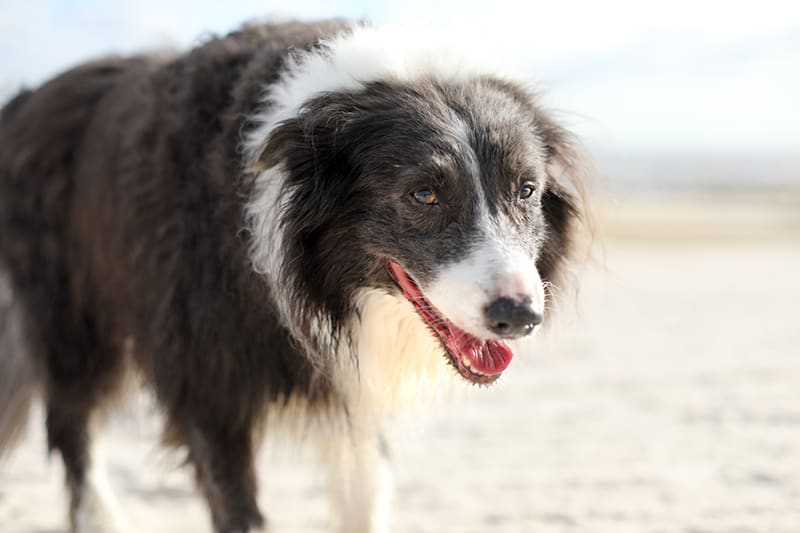
Image Source: d2zp5xs5cp8zlg.cloudfront.net
Recognizing Heaving Breathing in Dogs
First, let’s look at what heaving breathing really means. It is not just fast breathing. It looks like your dog is working very hard to take in air. You might see their belly or chest moving in a forceful way with each breath. They may lean forward with their elbows spread wide. This posture tries to open up the chest more.
Heaving can look different depending on the cause. Sometimes it is very fast and shallow. Other times, it is slow but very deep and noisy.
What is Normal Dog Breathing vs. Trouble Breathing?
Normal dog breathing is quiet and easy. You might not even notice it when your dog is resting. They breathe with their chest, but the belly moves a little too.
Trouble breathing, or dog struggling to breathe, is loud. You may hear gasping, wheezing, or strange snorts.
| Sign | Normal Breathing | Trouble Breathing (Heaving) |
|---|---|---|
| Effort | Very little effort. | Lots of visible effort. |
| Sound | Quiet or soft panting. | Loud, noisy, or silent struggle. |
| Posture | Relaxed, lying down or sitting. | Standing, leaning forward, head stretched out. |
| Rate | Normal for rest or activity. | Much faster than normal, or very slow. |
Distinguishing Heaving from Other Noises
Sometimes dog owners confuse heaving with other noises. Dog reverse sneezing vs heaving is a common point of confusion.
A reverse sneeze is a quick series of loud, snorting inhalations. It often happens suddenly and stops just as fast. It looks scary, but it is usually not an emergency. It often happens when the throat tickles.
Heaving breathing is continuous. It lasts for a while. It shows the dog is truly struggling to get enough oxygen. Dog gasping for air is a severe form of this struggle.
Major Causes of Dog Heaving Breathing
There are many reasons why a dog might start heaving. Some are quick fixes, but many need immediate veterinary care. We will explore the main dog heavy breathing causes.
Heart Problems
The heart and lungs work closely together. If the heart is weak, fluid can back up into the lungs. This makes breathing very hard.
Congestive Heart Failure (CHF)
When the heart cannot pump blood well, fluid builds up. This fluid fills the air sacs in the lungs. The dog has to work hard to push past this fluid. This causes heavy, often wet-sounding breathing. This is a life-threatening condition.
Heartworm Disease
Parasites live in the heart and main lung arteries. They block blood flow. This causes irritation and inflammation in the lungs. Dogs with severe heartworm disease often show dog respiratory distress when they try to exercise.
Lung and Airway Issues
Problems directly in the chest cause the most obvious signs of heaving.
Pneumonia
Infection in the lungs makes them fill with pus and fluid. This makes the dog feel sick and causes them to breathe heavily. They might also have a fever and cough.
Asthma and Allergies
Just like people, dogs can have asthma. Inflammation in the airways makes them narrow. This leads to dog wheezing and coughing followed by heaving as they try to draw air in.
Tracheal Collapse
This is common in small breeds like Yorkies or Pomeranians. The windpipe (trachea) weakens and flattens slightly. Air gets trapped, causing a honking cough that can lead to heaving.
Brachycephalic Obstructive Airway Syndrome (BOAS)
This affects flat-faced breeds (Pugs, Bulldogs). Their short noses and narrow throats make it hard to move air. They often snort and snore, but during stress or heat, they can quickly move into severe canine labored breathing.
Foreign Objects and Blockages
If something blocks the airway, the dog will fight hard to pull air past it.
If your dog suddenly starts choking or gasping, check their mouth quickly. A piece of food, a toy, or even grass might be stuck. This is a true emergency dog breathing problems scenario.
Heatstroke (Hyperthermia)
Dogs cool down mostly by panting. If they cannot cool down fast enough, their body overheats. This is heatstroke. Their panting becomes frantic and deep—it looks like severe heaving. Heatstroke rapidly leads to organ failure if not treated.
Other Systemic Issues
Breathing problems are not always just about the lungs or heart.
Anemia (Low Red Blood Cells)
If the blood carries too little oxygen, the body tries to breathe faster and deeper to compensate. This effort can look like heaving.
Pain and Stress
Severe pain, fear, or anxiety can cause a dog to pant heavily. While the initial cause isn’t the lung itself, the stress can worsen any underlying condition. In very young dogs, puppy shallow breathing might be a sign of shock or severe pain.
Metabolic Disease
Conditions like diabetic ketoacidosis (DKA) change the blood’s chemistry. The body tries to correct this by breathing very deeply and rapidly (called Kussmaul breathing). This looks like frantic heaving.
When to Worry About Dog Breathing: Urgent Signs
It is crucial to know when to worry about dog breathing. Mild panting after a walk is normal. Continuous, hard work to breathe is not.
If you see any of these signs, treat it as an emergency:
Visual Signs of Distress
- Blue or Gray Gums/Tongue: This is the most urgent sign. It means the dog is not getting enough oxygen. Call the vet while driving there.
- Flared Nostrils: The nostrils are wide open, trying to suck in more air.
- Retractions: You can see the skin pulling in deeply between the ribs or at the base of the throat with every breath.
- Extended Neck: The dog stretches their neck out straight, trying to straighten the airway.
Behavioral Signs
- Inability to Lie Down Comfortably: The dog refuses to lie flat, often preferring to stand or sit upright. Lying down makes it harder for the lungs to expand fully when fluid is present.
- Panting While Resting: If the dog is panting heavily while sleeping or completely still in a cool room, this is a red flag.
- Lethargy and Collapse: The effort of breathing exhausts the dog, leading to weakness or collapse.
If you notice dog gasping for air or severe dog struggling to breathe, do not wait. Head to the nearest emergency clinic immediately.
What to Do If Your Dog Is Heaving Right Now
Time is critical when a dog has severe breathing trouble. Follow these steps carefully.
Step 1: Keep Calm and Assess the Situation
Your panic will make your dog panic, which makes breathing worse. Speak softly. Try to keep your dog still. Movement uses up precious oxygen.
Step 2: Check the Environment
Is the room too hot? Did the dog just finish a strenuous activity? If heatstroke is suspected, move the dog to a cool area immediately. Do not use ice water, as rapid cooling can cause shock. Use cool (not cold) water on their paws and belly.
Step 3: Inspect the Mouth (Only If Safe)
If you suspect a blockage and the dog is conscious, carefully open their mouth. Look for anything stuck. If you see something small and easily reachable, gently sweep it out with your finger. Never push deeply if you can’t see it clearly, as you might push it further down the throat. If the dog is already gagging or choking severely, do not risk a bite—go straight to the vet.
Step 4: Get to the Vet
Call ahead to tell the clinic you are coming with a severe emergency dog breathing problems case. This lets them prepare oxygen and equipment.
When transporting, keep the dog as calm and still as possible. If they pant less when you leave them alone, try to avoid touching them until you reach the vet.
Deep Dive into Specific Causes of Canine Labored Breathing
Let’s explore some of the serious conditions in more detail to help with prevention and early detection.
Fathoming Fluid in the Lungs (Pulmonary Edema)
Pulmonary edema means fluid is in the lung tissue.
- Cardiogenic Edema: Caused by heart failure. The left side of the heart fails, backing pressure up into the lungs. Signs include dog wheezing and coughing mixed with heaving.
- Non-Cardiogenic Edema: Fluid leaks into the lungs for other reasons, like severe infection, smoke inhalation, or toxin exposure.
In both cases, the dog cannot get oxygen efficiently. Treatment involves diuretics (to pull off extra fluid) and oxygen therapy.
Deciphering Respiratory Infections
Infections like bacterial pneumonia cause inflammation. This narrows the airways and fills them with gunk.
Symptoms often start mildly:
* A slight cough when excited.
* Lethargy.
* Slightly faster breathing at rest.
As the infection worsens, the dog moves to canine labored breathing and may develop a fever. Older dogs or those with weak immune systems are most at risk.
Investigating Upper Airway Issues
The upper airway includes the nose, throat, and larynx (voice box). Issues here cause noisy breathing that often looks like heaving.
Laryngeal Paralysis (Laryngeal Paresis)
This is common in older, larger breeds (like Labradors). The nerves controlling the voice box muscles stop working. The flaps over the windpipe do not open wide enough when the dog breathes in. This causes a harsh, noisy inhale that can escalate into dog struggling to breathe during excitement or heat.
Brachycephalic Breeds and Their Airway Troubles
Flat-faced dogs often suffer from a combination of issues:
1. Stenotic Nares: Very narrow nostrils.
2. Elongated Soft Palate: The soft tissue at the back of the mouth flops down and blocks the windpipe entrance.
3. Hypoplastic Trachea: A windpipe that is too small for the dog’s body size.
These dogs can go from normal to suffocating in minutes if they get too hot or too excited. Close monitoring is essential for this group.
Looking at Blood Clots (Pulmonary Thromboembolism – PTE)
A blood clot travels to the lungs, blocking blood flow. This is often secondary to other diseases, like Cushing’s disease or cancer. PTE causes sudden, severe respiratory distress. The dog might suddenly start dog gasping for air without any warning signs beforehand.
Puppy Shallow Breathing Concerns
If you have a very young dog or a small breed, breathing issues can appear very fast. Puppy shallow breathing is worrying. It can signal several things:
- Hypoglycemia (Low Blood Sugar): Puppies burn energy fast. If they haven’t eaten, they can crash, leading to shallow, weak breathing.
- Congenital Defects: Some puppies are born with heart or lung issues that show up early.
- Respiratory Viruses: Puppies are very susceptible to severe kennel cough or other viruses that cause pneumonia.
If a puppy is breathing shallowly and is also weak, cold, or unresponsive, it is an immediate emergency.
Diagnosis: What Vets Do When a Dog is Heaving
When you rush your dog in for dog respiratory distress, the veterinary team acts fast. The first goal is to stabilize the dog, usually by giving them supplemental oxygen.
Next, the team needs to find the source of the heaving. This involves several diagnostic tools.
Imaging Tests
Chest X-Rays (Radiographs)
X-rays are vital. They show:
* Fluid in the lungs (pulmonary edema/pneumonia).
* Enlarged heart chambers (suggesting heart disease).
* Masses or tumors in the chest.
* A collapsed trachea or signs of BOAS.
Ultrasound
An ultrasound of the heart (echocardiogram) shows exactly how well the heart muscle is pumping and checks for heartworms.
Blood Work
Blood tests check oxygen levels, red blood cell counts (for anemia), and look for signs of infection or metabolic problems (like DKA).
Airway Scopes (Endoscopy)
If the vet suspects a foreign body, a mass in the throat, or severe laryngeal paralysis, they may use an endoscope (a tiny camera on a flexible tube) to look directly into the throat and trachea while the dog is sedated or under anesthesia.
Treatment Approaches for Heavy Breathing
Treatment depends entirely on the cause identified.
Oxygen Therapy
This is the first step for almost all cases of canine labored breathing. Oxygen is delivered via a mask, tube, or an oxygen cage until the dog stabilizes.
Medication Management
- Diuretics (e.g., Furosemide): Used for heart failure to remove excess fluid from the lungs.
- Bronchodilators: Used for asthma or airway spasms to open the breathing tubes wider.
- Antibiotics: Used if pneumonia or a serious infection is the root cause.
- Pain Relief: Strong pain relief can calm a dog enough so their breathing effort decreases.
Surgical Intervention
Surgery may be needed for:
* Removing a tumor or foreign object.
* Correcting BOAS (widening nostrils, shortening the palate).
* Tacking the larynx (in cases of laryngeal paralysis).
Prevention and Long-Term Care
While not all heaving episodes can be prevented, managing underlying conditions can drastically reduce risk.
Heart Health Management
If your dog has a heart murmur or diagnosed heart disease, strict adherence to heart medications is necessary. This prevents the progression to congestive heart failure, which is a major cause of sudden dog respiratory distress. Regular vet checks are essential.
Weight Control
Obesity places extra strain on the heart and lungs. It also makes heatstroke much more likely in all breeds, especially brachycephalic ones. Keeping your dog lean is key to easier breathing.
Environmental Safety
- Avoid Extreme Heat: Limit outdoor activity during the hottest parts of the day. Always provide shade and fresh water.
- Keep Airways Clear: Be careful with long grass, which dogs can inhale deeply, leading to irritation or blockage.
- Control Allergens: If your dog has known allergies that cause dog wheezing and coughing, manage them with vet-approved treatments.
Recognizing Early Signs in Chronic Conditions
If your dog has known asthma or a collapsing trachea, watch for subtle changes. If their usual mild cough becomes more frequent, or if they start struggling during a walk that used to be easy, this signals a worsening condition when to worry about dog breathing moves from a general concern to an immediate need for a vet visit before it becomes severe canine labored breathing.
Frequently Asked Questions (FAQ)
Is it normal for my dog to breathe heavily after playing?
Yes, if your dog has been running hard, especially in warm weather, heavy panting is normal to cool down. However, if the heavy breathing lasts more than 15–20 minutes after resting in a cool spot, or if it sounds like true heaving rather than just fast panting, it is time to call the vet.
My dog is heaving but not making noise. Is that better?
Not necessarily. Silent heaving can be more frightening. It means the dog is using all their energy just to move the diaphragm and ribs, but perhaps no air is moving well through narrowed passages, or they are too weak to make noise. This signifies severe dog respiratory distress.
Can stress cause my dog to heave?
Yes. High levels of anxiety or fear can cause a dog to pant rapidly and heavily. This is often seen in fireworks phobia or during car rides for nervous dogs. If the stress stops and the breathing returns to normal quickly, stress was likely the cause. If it continues, an underlying physical problem needs checking.
My small dog is sneezing strangely, is it a reverse sneeze or heaving?
A reverse sneeze is usually a distinct, repetitive snorting sound that lasts seconds to a minute, often stopping when the dog is calmed or offered a treat. True heaving is sustained, labored, and involves hard movement of the entire chest and belly wall over minutes. If you are unsure, treat the heavy breathing as a potential emergency.
What should I do if I suspect my puppy has shallow breathing?
Puppy shallow breathing needs immediate attention. Keep the puppy warm and still. Rub your finger gently on their gums; if they are pale or white, it is a severe crisis. Call the emergency vet right away. Do not try to force food or water into a puppy that is having trouble breathing.