
If your dog is experiencing sudden weight gain in dog or rapid weight gain dog causes are at the forefront of your mind, you need to check a few key areas right away. While overfeeding is the most common reason why is my dog putting on weight fast, sometimes the weight increase points to a serious health issue that needs immediate veterinary care. We look at the causes, when to worry, and what steps to take next.
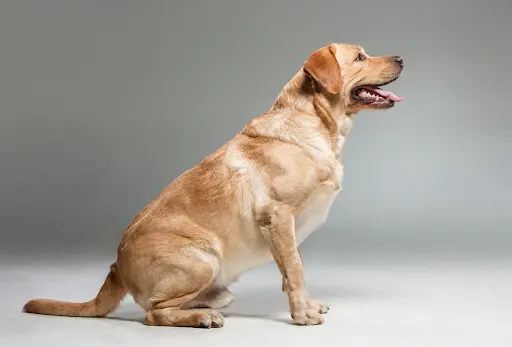
Image Source: www.dogseechew.in
Ruling Out Simple Causes of Weight Gain
Most pet owners first think about food when their dog gains weight. This is often the right place to start. It is easy for a few extra treats or a slightly too-large meal to add up over time. However, when the gain is truly sudden, we need to look closer than just the food bowl.
Assessing the Diet
Have you changed how much you feed your dog recently? Sometimes, even small changes can cause a difference.
- Treat Creep: Are family members giving extra treats? Even healthy treats have calories. A few extra biscuits a day equals pounds over a month.
- Food Switch: Did you switch to a new brand? Some foods are more calorie-dense than others.
- Measuring Errors: Are you using the same cup to measure food every time? Small errors in measuring can lead to overfeeding.
It’s important to measure food exactly. Use a standard kitchen measuring cup, not a scoop that came with the food bag.
Activity Level Changes
Less exercise means fewer calories burned.
- Weather: Cold or rainy weather keeps dogs indoors more.
- Injury: A hidden limp or minor pain can slow a dog down without you noticing immediately. If your dog seems reluctant to play, this could be a sign.
If the weight gain is very quick and you cannot explain it by diet or exercise changes, you might be facing dog weight gain unexplained. This signals it is time for a vet visit.
Medical Reasons for Rapid Dog Weight Gain
When diet and exercise don’t seem to be the issue, medical reasons for rapid dog weight gain become the main concern. Several health problems can cause a dog to put on weight quickly.
Hormonal Issues: The Glandular Connection
The endocrine system controls metabolism. When these glands don’t work right, weight gain happens fast.
Hypothyroidism
This is one of the most common hormonal causes. The thyroid gland doesn’t make enough thyroid hormone. This slows down the whole body’s metabolism.
Symptoms of Hypothyroidism:
- Weight gain despite eating the same amount.
- Lethargy and low energy.
- Coat problems (thinning hair, poor coat quality).
- Skin issues, like dark, dry skin.
If you notice dog lethargic sudden weight gain, hypothyroidism is a top suspect.
Cushing’s Disease (Hyperadrenocorticism)
This happens when the body makes too much cortisol (a stress hormone). Cushing’s disease causes fat to be stored in the middle of the body.
Key Signs of Cushing’s Disease:
- Increased thirst and urination (drinking and peeing a lot).
- A pot-bellied appearance.
- Thinning skin and hair loss, often symmetrical.
- A change in dog’s appetite and weight gain (often increased hunger).
Fluid Retention vs. Fat Gain
Sometimes, what looks like weight gain is actually fluid buildup. This is serious and requires immediate attention. This is often referred to as dog water retention weight gain.
Heart Failure
When the heart struggles, fluid backs up into the body cavities (abdomen or chest). This causes swelling and rapid weight gain.
Kidney or Liver Disease
These organs are vital for balancing fluids and removing waste. If they fail, fluid retention occurs.
If you notice swelling in the belly or legs, or if your dog is breathing heavily, seek immediate care. This is an emergency vet for dog weight gain situation.
Other Less Common Medical Causes
Other conditions can lead to weight gain or changes in body composition:
- Diabetes Mellitus: While dogs often lose weight with diabetes, in some cases, early stages can show weight gain due to increased calorie intake before the body can effectively use the sugar.
- Medication Side Effects: Certain drugs, especially steroids (like prednisone), are notorious for causing significant water retention and fat gain. If your dog started a new medication, talk to your vet about potential side effects.
Focusing on Senior Dogs and Quick Weight Gain
Weight gain in older pets is common but needs extra scrutiny. A quick weight gain senior dog might mask underlying issues that affect their quality of life more severely.
Arthritis and Reduced Mobility
Senior dogs naturally move less. If their diet isn’t adjusted for lower activity, weight piles on quickly. Furthermore, if they are in pain, they stop wanting to walk or play, leading to rapid inactivity.
Subclinical Issues
Older dogs are more prone to early kidney or heart problems. A sudden weight increase might be the first sign of these processes starting, even if overt symptoms haven’t shown up yet. A vet checkup is crucial for older pets showing rapid changes.
What to Do When You See Sudden Weight Gain
If you notice your dog has gained weight quickly—say, more than 3-5% of their body weight in a few weeks—do not wait. Follow these steps.
Step 1: Detailed Tracking
Start recording everything your dog eats, drinks, and does. This information is gold for your veterinarian.
Weight Tracking Log Essentials:
| Date | Weight (lbs) | Apparent Appetite | Energy Level (1-10) | Activity Noticed | Notes/Observations |
|---|---|---|---|---|---|
| MM/DD | X lbs | Normal/High/Low | |||
| MM/DD | Y lbs |
Step 2: Schedule a Veterinary Appointment
Call your vet and explain the situation clearly. Use phrases like, “My dog has gained four pounds in three weeks, and I am concerned about sudden weight gain in dog.”
When to treat this as an Emergency:
- Difficulty breathing or heavy panting when resting.
- Extreme lethargy or collapse.
- Swelling (edema) in the legs or belly.
- If you suspect the weight gain is due to dog water retention weight gain.
Veterinary Evaluation: Fathoming the Cause
When you arrive at the clinic, your vet will perform a thorough examination. This process helps determine if the cause is behavioral, nutritional, or medical.
Physical Exam and Body Condition Scoring
The vet will weigh your dog and assess their Body Condition Score (BCS). This score, usually from 1 to 9, tells the vet how much fat cover they feel over the ribs, waist, and belly.
Diagnostic Testing
To rule out the medical culprits, your vet will likely recommend blood work and urinalysis.
Comprehensive Blood Panel
This tests organ function and checks hormone levels.
- Complete Blood Count (CBC): Looks at red and white blood cells.
- Chemistry Panel: Checks kidney and liver function, blood sugar (for diabetes), and protein levels.
Thyroid Testing (T4)
Specific tests are needed to diagnose hypothyroidism accurately. Sometimes, a baseline T4 test followed by a free T4 test is required for a definitive diagnosis.
Urinalysis
This helps check kidney function and look for excessive glucose (sugar) or protein in the urine, which can point toward diabetes or kidney issues.
Imaging (X-rays or Ultrasound)
If the vet suspects fluid buildup or an enlarged organ, imaging helps visualize internal structures. X-rays can reveal fluid in the chest or abdomen, helping confirm dog water retention weight gain.
Diet Management Post-Diagnosis
Once the medical causes are addressed or ruled out, focusing on diet is the next step. Effective weight management requires precision.
Calculating Caloric Needs
Your vet will help calculate your dog’s resting energy requirement (RER) and then adjust it based on their ideal weight. This ensures you are feeding exactly the right amount of calories to promote slow, steady loss.
Choosing the Right Food
If your dog needs to lose weight, switching to a prescription weight-loss food might be necessary. These foods are formulated differently:
- Lower Calories: Fewer calories per cup.
- Higher Fiber: Helps the dog feel full longer.
- High Protein: Helps maintain muscle mass while losing fat.
If your dog has a specific condition (like hypothyroidism), your vet might recommend a specific therapeutic diet alongside medication. Be aware that if you see a change in dog’s appetite and weight gain after starting a new food, report this back to the vet.
Lifestyle Adjustments for Sustainable Weight Control
Weight loss is a journey, not a quick fix. Consistency in lifestyle changes is key to avoiding the return of rapid weight gain dog causes.
Structured Exercise Plans
Exercise needs to be tailored to your dog’s current fitness level and any existing health issues (like arthritis).
- Start Slow: If your dog is overweight, intense running can hurt their joints. Start with several short, gentle walks throughout the day.
- Low-Impact Activities: Swimming is fantastic for overweight dogs because it supports their body weight.
- Mental Engagement: Food puzzle toys burn mental energy and slow down eating, which helps manage hunger cues.
Breaking Bad Habits
This requires commitment from everyone in the household.
- No Table Scraps: Zero tolerance for human food. This is non-negotiable for weight loss success.
- Account for All Calories: If you use dental chews or training treats, these must be subtracted from the daily food allowance. Weighing treats is the best way to ensure accuracy.
When Weight Gain Is Truly Unexplained: Deep Dive
If testing comes back normal, yet the weight continues to climb, the issue moves back to subtle environmental factors or rare conditions. This is the hardest scenario, dealing with dog weight gain unexplained.
Subtle Changes in Metabolism
Sometimes, even without full-blown hypothyroidism, a dog’s metabolism might naturally slow down as they age, especially if they are crossing from middle age into senior status. Their adult food portion, which was perfect at age four, might be too much at age seven.
Behavioral Eating
Does your dog “counter-surf” when you aren’t looking? Do they find dropped food under tables? Do they “steal” food from other pets? These small, sneaky calorie sources add up rapidly and are hard to track without close monitoring.
Water Retention Misinterpreted
If your vet ruled out serious heart or kidney failure but still suspects fluid shifts, they might investigate other causes of low protein levels or mild inflammation that could cause mild, persistent swelling mistaken for fat.
Summary of Key Actions
When dealing with sudden weight gain in dog, act promptly.
| If You Notice… | Immediate Action | Potential Concerns |
|---|---|---|
| Rapid gain with lethargy | See Vet ASAP | Hypothyroidism, Heart Issues |
| Rapid gain with increased thirst/hunger | See Vet ASAP | Cushing’s Disease, Diabetes |
| Swollen belly or legs | Go to Emergency Vet for Dog Weight Gain | Fluid Retention, Organ Failure |
| Minor, steady gain over weeks | Track Food/Activity, Schedule Regular Vet Check | Overfeeding, Reduced Activity |
Conclusion
Sudden weight gain in dog is never something to ignore. While often rooted in simple overfeeding, the possibility of underlying serious conditions like hormonal imbalance or fluid retention means you must involve your veterinarian quickly. Careful tracking of food intake, activity, and seeking prompt medical evaluation are the best ways to get your dog back on a healthy track and ensure that why is my dog putting on weight fast gets a clear, actionable answer.
Frequently Asked Questions (FAQ)
Q: How much weight gain in a dog is considered sudden?
A: Any gain exceeding 3% to 5% of their total body weight over a short period (like one to three weeks) should be considered sudden and warrants a vet visit, especially if the diet hasn’t changed.
Q: Can stress cause rapid weight gain dog causes?
A: While stress is more commonly linked to weight loss or changes in behavior, chronic stress can increase cortisol levels, which might lead to fat storage, similar to Cushing’s disease, though usually slower than true medical causes.
Q: If my senior dog is gaining weight quickly, is it just old age?
A: No. While a quick weight gain senior dog often involves reduced mobility, you must rule out medical conditions like hypothyroidism or heart disease first. Do not assume it is “just old age.”
Q: What is the fastest way to confirm if the weight gain is water retention?
A: A veterinarian usually confirms dog water retention weight gain through a physical exam (checking for pitting edema or fluid sacs) and diagnostic imaging like X-rays or ultrasound to see fluid buildup in the chest or abdomen.
Q: Should I fast my dog if I suspect unexplained weight gain?
A: Never fast a dog, especially if they show signs like dog lethargic sudden weight gain. Fasting can be dangerous and will interfere with diagnostic testing your vet needs to perform. Always consult your vet before restricting food.