
Can dogs eat mulch? Generally, no, eating mulch is not recommended for dogs, as some types can be toxic or cause digestive blockage.
Many dog owners worry when they see their pets munching on the decorative material in their gardens. Seeing your dog consuming landscaping material can be alarming. Is it boredom? Is it hunger? Or is it something more serious? Finding out why dogs eat bark chips is the first step toward stopping this behavior. This deep dive explores the many reasons behind this habit and gives you clear steps on how to stop dog from chewing mulch.
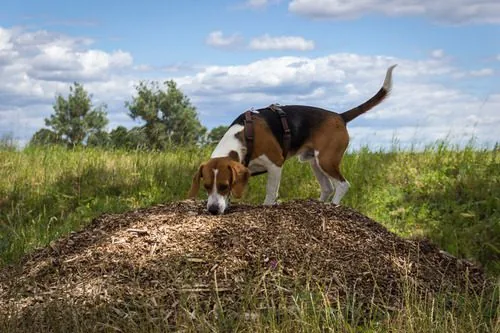
Image Source: brownvethospital.com
Fathoming the Reasons Behind Mulch Consumption
Dogs eat things they shouldn’t for various reasons. When it comes to garden debris, the motivations often center on instinct, diet, or behavior. We need to look closely at the common factors that lead to dog behavior eating garden debris.
Nutritional Deficiencies and Hunger
Sometimes, the urge to chew or eat non-food items signals a lack of something vital in the dog’s diet.
Missing Nutrients
If a dog is not getting enough fiber, vitamins, or minerals from its regular food, it might seek these elements elsewhere. Mulch, being organic material, can sometimes mimic the texture of roughage a dog might instinctively seek out. If the dog feels generally unwell or hungry, this behavior can start.
Simple Hunger
If feeding schedules are inconsistent or the dog is not receiving enough calories for its size and activity level, it might look for any available substance to fill its stomach.
Behavioral Issues: Boredom and Anxiety
A lack of mental stimulation or emotional stress is a major driver for many destructive dog habits, including eating mulch.
Boredom and Lack of Exercise
Dogs, especially high-energy breeds, need plenty of activity. If they are left alone in the yard with nothing to do, they will find entertainment. Chewing on and ingesting mulch becomes a game. It breaks up the monotony of a quiet afternoon.
Stress, Fear, or Anxiety
Separation anxiety is a common cause. When left alone, a dog might chew destructively to cope with stress. Similarly, loud noises, changes in the household, or new pets can trigger anxiety that manifests as chewing dangerous materials dogs ingest, like mulch.
Exploration Through the Mouth
Puppies explore the world primarily with their mouths. This natural instinct often continues into adulthood. Mulch smells interesting, tastes interesting (to them), and has a satisfying texture for chewing.
Medical Conditions: The Role of Pica
When a dog compulsively eats non-food items, this behavior is medically known as Pica in dogs eating mulch. Pica is often a symptom of an underlying health issue.
Gastrointestinal Problems
Conditions affecting the stomach or intestines can cause discomfort. The dog might eat mulch trying to soothe an upset stomach or attempt to pass gas or relieve mild blockages.
Anemia or Thyroid Issues
Certain medical issues, like anemia (low red blood cell count) or hypothyroidism, are sometimes linked to the development of Pica. These conditions affect a dog’s overall health and metabolism, leading to strange cravings.
Coprophagia Mulch Connection
In some cases, owners notice that dogs engage in coprophagia mulch connection. This means the dog eats its own feces, and sometimes, if mulch is mixed into the feces or nearby, the dog consumes the mulch along with it. This is often a nutritional issue or a territorial/cleaning behavior that gets mixed up with eating the garden debris.
Safety Concerns: Is Mulch Toxic to Dogs?
A critical question for any dog owner seeing this behavior is: Is mulch toxic to dogs? The answer depends entirely on the type of mulch used in the garden. Not all mulch is the same, and some pose serious health risks.
Cocoa Mulch: The Biggest Danger
The most dangerous type of mulch is cocoa bean mulch. This is because it contains theobromine, the same toxic substance found in chocolate.
| Toxic Component | Effect on Dogs | Severity |
|---|---|---|
| Theobromine | Acts as a stimulant; affects the heart and nervous system. | High – Can be fatal. |
| Caffeine | A related stimulant found in trace amounts. | Moderate to High. |
Symptoms of cocoa mulch poisoning include vomiting, diarrhea, hyperactivity, tremors, and seizures. If you use cocoa mulch, immediate action is required if ingestion occurs.
Treated Wood Mulch
Mulch made from pressure-treated wood often contains chemicals like copper compounds or chromated copper arsenate (CCA). These chemicals are toxic if ingested regularly or in large amounts. They can cause stomach upset, vomiting, and long-term organ damage.
Cedar Mulch
While cedar mulch is often promoted as safe, it can still cause issues. It contains oils that can irritate a dog’s digestive tract, leading to vomiting or diarrhea. Furthermore, the sharp, splintered nature of wood chips can cause physical damage to the mouth, throat, or intestines.
Natural Organic Mulch (Pine, Cypress, Hardwood)
Natural mulches are less chemically toxic but still present physical hazards. They are not digestible. Ingesting large amounts can lead to gastrointestinal obstruction—a blockage in the stomach or intestines that requires emergency surgery. Even if non-toxic, the sheer volume of ingested material is a problem.
Diagnosing the Cause: What to Do If Dog Eats Mulch
If you catch your dog eating mulch, the immediate action depends on how much was eaten and what type it was. If you suspect dangerous materials dogs ingest like cocoa mulch, call your vet immediately.
If the amount was small and the mulch type is natural, monitor your dog closely for the next 24 to 48 hours.
Steps for Immediate Action
- Remove Access: Immediately stop the dog from reaching the mulch. Cover the area or bring the dog inside.
- Identify the Mulch: Determine the exact material. This is vital for determining toxicity levels.
- Check for Symptoms: Watch for vomiting, lethargy, excessive drooling, diarrhea, or signs of pain (whining, reluctance to move).
- Contact Your Veterinarian: If you suspect poisoning (especially cocoa mulch) or if the dog seems sick, call for advice right away. Be prepared to tell them the mulch type and the approximate amount eaten.
Veterinary Investigation for Pica
If the behavior is recurring, a vet visit is essential to investigate Pica in dogs eating mulch. The vet will likely perform:
- Physical Examination: Checking for dehydration, mouth sores, or physical blockages.
- Blood Work: To check for anemia, thyroid function, and general organ health.
- Fecal Tests: To check for parasites, which can sometimes contribute to strange eating habits.
The goal is to rule out medical issues before assuming the cause is purely behavioral.
Practical Solutions: How to Stop Dog from Chewing Mulch
Once medical causes are ruled out, the focus shifts to managing the environment and training. Effective management involves making the mulch inaccessible and retraining the dog’s focus.
Environmental Management: Removing the Temptation
The simplest fix is prevention. If the temptation is gone, the habit cannot continue.
Replacing Mulch Material
If you have cocoa mulch, switch immediately to a safer alternative. Good options include river rock (if it’s too large to swallow), shredded rubber mulch (though some dogs chew this), or plain, large-chunk hardwood mulch that is less appealing to eat.
Creating Physical Barriers
Use fencing, raised garden beds, or temporary wire barriers to completely block access to mulched areas. Even short periods of unsupervised access can reinforce the habit.
Supervising Yard Time
When your dog is outside, supervise them closely. If you see them approaching the mulch, redirect them before they start chewing.
Training and Redirection Techniques
Training helps replace the unwanted habit with an appropriate one. This addresses the underlying reasons dogs eat bark chips by providing alternatives.
Increasing Mental and Physical Exercise
A tired dog is a good dog. Increase daily walks, introduce puzzle toys, and engage in short bursts of intense play like fetch. Mental work, like brief training sessions, uses up mental energy, reducing boredom-driven chewing.
Providing Appropriate Chew Toys
Ensure your dog has access to high-value, safe chew items inside and outside. Rotate toys to keep them interesting. Good options include durable rubber toys, frozen Kongs stuffed with appropriate food, or dental chews. If they go outside, give them a favored chew toy as soon as they are let out.
Positive Reinforcement Training
When you see your dog sniffing the garden but not eating the mulch, praise them heavily and offer a high-value treat.
If the dog starts to chew mulch:
- Use a calm, firm “Leave it.”
- Immediately offer a better alternative (a favorite toy or treat).
- When the dog drops the mulch and takes the alternative, reward them instantly. Never punish the dog after the fact, as they will only learn to fear you, not stop the behavior.
Addressing Anxiety-Related Ingestion
If anxiety is the root cause, environmental control alone won’t solve it.
- Create a Safe Space: Ensure the dog has a comfortable crate or den where they feel secure, especially when you leave.
- Consult a Behaviorist: For severe separation anxiety, a certified veterinary behaviorist can design a comprehensive modification plan. This might involve desensitization training or, in severe cases, medication to reduce anxiety levels while training takes effect.
Long-Term Health Implications of Ingesting Garden Debris
While a small nibble might seem harmless, regular ingestion of soil amendment toxicity dogs might suffer from is a concern. The issues span from mild stomach upset to life-threatening blockages.
Digestive Blockages
The biggest physical risk from non-toxic mulch is obstruction. Wood chips do not break down in the dog’s system. Over time, enough material accumulates, forming a hard mass that prevents food and water from passing through the digestive tract. This is a medical emergency requiring X-rays and often surgery.
Chemical Absorption
If the mulch is treated or dyed, the dog is absorbing these chemicals over time. Even low levels of toxins can stress the liver and kidneys as they work to process the foreign substances.
Parasites and Pathogens
Garden soil and wood chips can harbor bacteria, fungi, or parasites. If the dog digs in the area or eats the mulch, they increase their exposure to these environmental hazards.
Distinguishing Pica from Normal Mouthing
It’s important to note that not every interaction with mulch equals Pica or a serious health risk.
| Behavior | Description | Action Needed |
|---|---|---|
| Sniffing/Licking | Briefly touching the mouth to the mulch, perhaps tasting it. | Monitor. Usually curiosity. |
| Chewing Edges | Gently gnawing on a piece of mulch, perhaps breaking off small bits. | Redirect immediately with a toy. |
| Ingestion/Swallowing | Actively taking in chunks of mulch and swallowing them. | Immediate intervention and follow-up to assess risk. |
If your dog only sniffs or occasionally licks, it is likely normal exploration. If the dog actively tries to eat it, it needs management.
Frequently Asked Questions (FAQ)
Can I use pine straw instead of wood mulch?
Pine straw (pine needles) is often less appealing for dogs to eat than wood chips, but it still poses a risk. Large amounts can cause irritation or blockage, and some pine varieties can be mildly toxic. Monitor your dog closely if you switch materials.
How long does it take for mulch to pass through a dog’s system?
If the mulch pieces are small, they may pass naturally within 24 to 72 hours, similar to other indigestible material like grass. However, if large amounts are consumed, it might never pass without veterinary intervention (surgery).
Is rubber mulch safe for dogs to eat?
Rubber mulch is highly debated. While it is chemically inert (non-toxic), it is not digestible. Dogs can chew it into smaller pieces, which might cause choking or blockage. Many vets advise against letting dogs ingest any non-food material, including rubber.
My dog ate a lot of mulch; should I make him vomit?
Do not induce vomiting at home unless specifically instructed by a veterinarian or poison control center. If the mulch contains sharp pieces, inducing vomiting can cause the material to scratch the esophagus on the way back up. Call your vet first.
What are common signs of intestinal blockage in dogs?
Signs include repeated vomiting (especially after drinking water), lethargy, abdominal pain (whining or guarding the belly), lack of appetite, and inability to pass stool or only passing diarrhea. This is an emergency.