
If your dog is eating leaves and then throwing up, the simple answer is that they might be trying to settle an upset stomach, or they might have eaten something harmful. Many times, dog eating grass vomiting is a common behavior that resolves quickly. However, it can sometimes signal a more serious health issue. This guide will explore the reasons behind this behavior, what you can do at home, and when you absolutely need to see the vet.
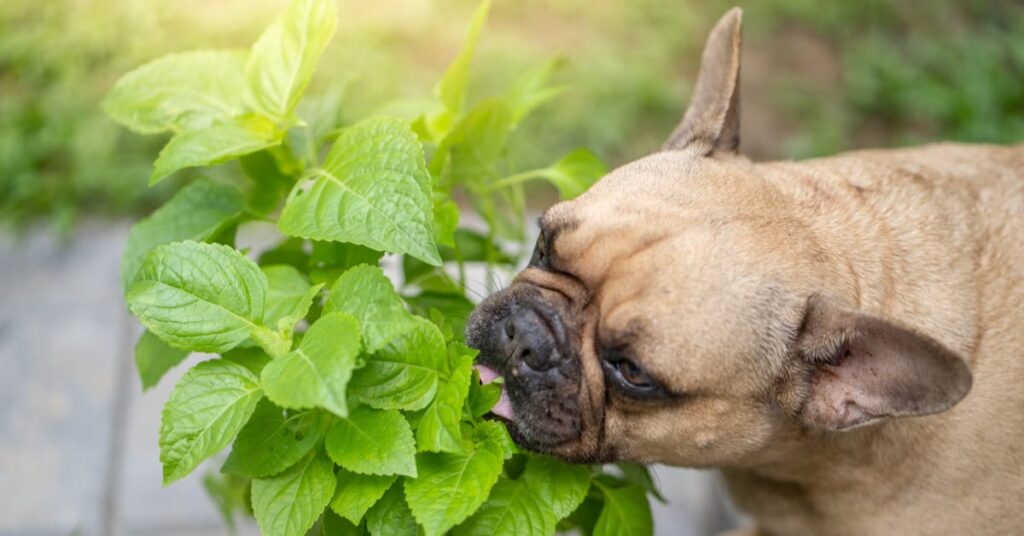
Image Source: outwardhound.com
Fathoming Why Dogs Eat Leaves and Foliage
Dogs eat things they shouldn’t. This is normal dog behavior. Eating leaves, grass, and other yard debris is very common. But why do they do it, especially if it makes them sick later?
Instinct and Dietary Needs
Sometimes, dogs eat plants out of instinct. Wild canids often eat parts of plants. This might help them get fiber. Fiber helps move things through the gut.
- Fiber Boost: Leaves and grass add roughage to the diet. This can help with digestion.
- Nutrient Search: Dogs might look for minor nutrients missing in their main food. Though rare with modern dog food, some dogs seek specific vitamins or minerals.
Upset Stomach Relief
The most common reason people see dog eating grass vomiting is when the dog feels nauseous. Grass or leaves can tickle the throat or stomach lining. This often makes the dog vomit. If your dog ate a leaf and threw up bile, it usually means their stomach was empty, and the leaf triggered the reflex.
- Inducing Vomiting: If a dog eats something irritating, they might deliberately eat grass to get it out. It acts like a quick, natural emetic.
- Stomach Acid Issues: When bile is thrown up, it means the stomach is empty. The leaf simply helps bring the excess acid up.
Boredom, Anxiety, and Habit
Not all reasons are related to health. Sometimes, the cause of canine leaf ingestion sickness is pure behavior.
- Boredom: A bored dog explores the world with its mouth. Chewing on leaves is something to do.
- Anxiety: Stress or separation anxiety can lead to destructive chewing habits, including eating yard debris.
- Pica in Dogs Eating Foliage: Pica is eating non-food items. This can stem from boredom, nutritional gaps, or underlying medical issues. Eating foliage might be a form of pica for some dogs.
Deciphering the Dangers: Toxic Plants and Leaves
While eating a plain leaf might just lead to a little spit-up, the biggest worry is poisoning. Many common garden and house plants are toxic to dogs.
Identifying Poisonous Plants
If your dog is sick after eating leaves, you must check your yard and home for dangerous flora. It is vital to know the poisonous plants for dogs list.
Common Toxic Plants:
| Plant Name | Potential Effects on Dogs |
|---|---|
| Lilies (True Lilies) | Severe kidney failure (especially in cats, but still dangerous for dogs) |
| Azaleas & Rhododendrons | Vomiting, diarrhea, weakness, coma, heart failure |
| Sago Palm | Severe vomiting, liver failure, death |
| Tulips and Hyacinths (Bulbs are worse) | Intense stomach upset, increased heart rate |
| Oleander | Highly toxic; severe heart rhythm problems |
If you suspect your dog ate any part of a toxic plant, look for specific signs of dog toxic plant ingestion. These go beyond simple vomiting.
Warning Signs of Plant Poisoning
Vomiting after eating a leaf can be a one-off event. But look out for these severe signs:
- Repeated, forceful vomiting.
- Diarrhea, especially if bloody.
- Drooling excessively or foaming at the mouth.
- Tremors, seizures, or muscle weakness.
- Trouble breathing or rapid heart rate.
- Extreme lethargy or collapse.
If you see any of these, this moves past a simple upset stomach. This requires immediate professional care.
Immediate Steps: What to Do When Your Dog Eats Leaves and Vomits
When you see your dog throw up after nibbling on greenery, stay calm. Your first actions matter.
Assessing the Situation
First, determine what your dog ate. If you saw them eat leaves, try to identify the plant. If you are unsure, assume the worst until proven otherwise.
If the vomiting was just once, and the dog seems bright and normal otherwise, you can try simple home care first.
Home Remedies for Dog Vomiting After Eating Leaves
If the vomiting was mild (just once or twice), and your dog seems fine otherwise, you can try soothing their stomach. This is for mild cases only.
Hydration is Key
Vomiting causes fluid loss. Ensure your dog has access to fresh, clean water.
- Small Sips: Do not let them gulp large amounts of water right away. This can trigger more vomiting. Offer small amounts every 15–20 minutes.
Bland Diet Introduction
If the dog stops vomiting after a few hours, introduce a bland diet. This gives the digestive tract a rest.
- Boil white rice until very soft.
- Mix with plain, boiled, skinless, boneless chicken breast (no seasoning).
- Start with a very small amount. If they keep that down for a few hours, offer a little more.
- Gradually transition back to their regular food over 2–3 days.
Monitoring Behavior
Watch your dog closely for the next 24 hours. Are they playful? Are they eating their regular food when offered (after the bland diet phase)? Any change means escalating care.
When to Worry About Dog Eating Leaves: Calling the Vet
Knowing when to worry about dog eating leaves is crucial for your pet’s safety. Not all leaf-eating incidents are minor tummy upsets.
Indicators for Immediate Veterinary Care
Do not wait if you see these severe signs:
- Persistent Vomiting: If your dog vomits more than two or three times in a few hours, or if vomiting lasts longer than 12 hours.
- Lethargy or Weakness: If your dog acts unusually tired, unresponsive, or weak.
- Suspected Toxin: If you know your dog ate a known poisonous plant.
- Bloody Vomit or Diarrhea: Any sign of blood needs urgent assessment.
- Abdominal Pain: If your dog whines, paces, or seems uncomfortable when you touch their belly.
When you call, be ready to give the vet details: what they ate (if known), how much they ate, when it happened, and the number of times they vomited. The detail helps with vet advice for dog eating plants and sick pets.
Addressing Empty Stomach Vomiting (Bile)
If your dog ate a leaf and threw up bile, it often means they vomited stomach acid because their stomach was empty. This often happens first thing in the morning before breakfast.
- Why it happens: The bile irritates the stomach lining, causing the dog to eat grass or leaves to soothe it or induce vomiting.
- Vet Intervention: While one episode might be managed at home, frequent vomiting of bile suggests chronic stomach irritation that needs diagnosis (like gastritis or reflux).
Long-Term Solutions: Preventing Leaf Ingestion
If this is a repeated problem, you need long-term changes to stop the habit and keep your dog safe.
Environmental Management
The best defense is removing the temptation or danger from the environment.
Safe Gardening for Dog Owners
Make your yard safe by removing known threats.
- Plant Removal: Identify and remove all toxic plants from areas your dog accesses.
- Barriers: Use fencing or netting to block off garden beds containing non-toxic but tempting plants (like lettuce or certain herbs).
- Indoor Plant Safety: Keep all houseplants safely out of reach on high shelves or in rooms the dog cannot enter.
Supervision and Leash Control
Never let your dog roam unsupervised in the yard if you suspect they eat plants.
- Leash Walks: Keep your dog on a short leash during yard time until you are certain they are not actively chewing plants.
- Immediate Correction: If you see your dog about to eat a leaf, use a firm “Leave it!” command. Redirect their attention immediately with a favorite toy or treat.
Dietary and Behavioral Adjustments
If the root cause is nutritional deficiency or boredom, address those factors directly.
Reviewing Nutrition
Talk to your vet about your dog’s current food.
- Fiber Content: Ensure your dog’s diet has adequate fiber for healthy digestion. Sometimes adding a safe, vet-approved fiber source (like plain canned pumpkin) can reduce the urge to eat grass/leaves.
- Feeding Schedule: If the issue is morning bile vomiting, try feeding a small snack late in the evening to keep the stomach from getting completely empty overnight.
Addressing Pica and Boredom
If pica in dogs eating foliage is the issue, enrich their environment.
- Enrichment Toys: Provide plenty of high-value chew toys, puzzle feeders, and Kongs stuffed with frozen treats. Mental stimulation tires a dog out more effectively than just physical exercise.
- More Exercise: Ensure your dog gets enough daily physical activity suitable for their breed and age. A tired dog is less likely to develop obsessive behaviors like compulsive chewing.
Comprehending When It’s More Than Just Leaves
Sometimes, eating leaves is a symptom of something else happening inside the dog’s body.
Gastrointestinal Issues
Chronic irritation of the stomach or intestines can lead to a constant urge to soothe the pain by eating grass or leaves.
- Inflammation: Conditions like chronic gastritis (stomach inflammation) or inflammatory bowel disease (IBD) can cause nausea. The dog eats leaves to try and settle the discomfort.
- Parasites: Intestinal worms can irritate the gut lining, leading to strange eating habits. A fecal exam at the vet can rule this out.
Underlying Medical Conditions
Less commonly, leaf eating links to systemic diseases.
- Acid Reflux: Frequent acid reflux can cause constant nausea, driving the dog to eat foliage.
- Liver or Pancreatic Issues: These organs play a major role in digestion. If they are not functioning well, the dog might feel nauseous all the time.
If simple management and environmental fixes do not stop the leaf eating and subsequent vomiting, further diagnostics (bloodwork, X-rays) are necessary to find the core medical reason.
Table: Comparison of Mild vs. Severe Leaf Ingestion Incidents
| Feature | Mild Incident (Likely Safe) | Severe Incident (Call Vet Immediately) |
|---|---|---|
| Vomiting Frequency | Once or twice, then stops. | Multiple times in a short period (e.g., 3+ times in 2 hours). |
| Appearance of Vomit | Food material, partially digested leaves, or clear/yellowish bile only once. | Contains blood, foreign objects, or excessive foam/saliva. |
| Dog’s Energy Level | Normal; playful shortly after vomiting. | Lethargic, weak, unresponsive, or shaky. |
| Appetite | Returns to normal within 12-24 hours (after bland diet). | Refuses food and water entirely. |
| Other Symptoms | None. | Diarrhea, difficulty breathing, pale gums, severe drooling. |
Frequently Asked Questions (FAQ)
Q: Can I give my dog Pepto-Bismol if they ate leaves and threw up?
A: You should always check with your vet before giving any human medication. Pepto-Bismol contains salicylates, which can be toxic to dogs in large amounts or if given too often. It is safer to stick to a bland diet and hydration management until you speak to your veterinarian.
Q: My dog ate a lot of leaves from a bush in the neighbor’s yard. What should I do?
A: Immediately bring your dog inside and try to identify the plant. If you can’t identify it, call your vet or an animal poison control hotline right away. Try to keep your dog calm and do not try to make them vomit unless instructed to by a professional.
Q: Why does my dog only eat leaves when their stomach is empty?
A: This is often a sign of canine acid reflux or gastritis. When the stomach is empty, stomach acid has nothing to digest, and it irritates the lining. Eating grass or leaves acts as a natural buffer or tickles the throat to induce vomiting, bringing the irritating acid up. Changing feeding times might help.
Q: Are there any specific indoor plants that are safe if my dog chews on them?
A: Even “safe” plants can cause mild stomach upset if eaten in large quantities. However, common safe options include spider plants, Boston ferns, and certain types of palms (like Areca palms). Always confirm with a reliable source like the ASPCA’s database and remember that moderation is key—too much of anything is bad. Maintaining safe gardening for dog owners principles applies indoors too.
Q: How long does it take for a dog to show signs of plant poisoning?
A: Symptoms can appear very quickly, sometimes within 15 minutes to an hour for highly toxic plants like Sago Palm. For other toxins, signs might take several hours or even a day to develop. Quick observation is vital after ingestion.