
Can a dog breathing fast while sleeping be normal? Yes, brief periods of dog panting in sleep are often normal, especially if your dog is dreaming or has had recent physical activity. However, persistent or very rapid canine respiration at rest can signal underlying health issues that need attention.
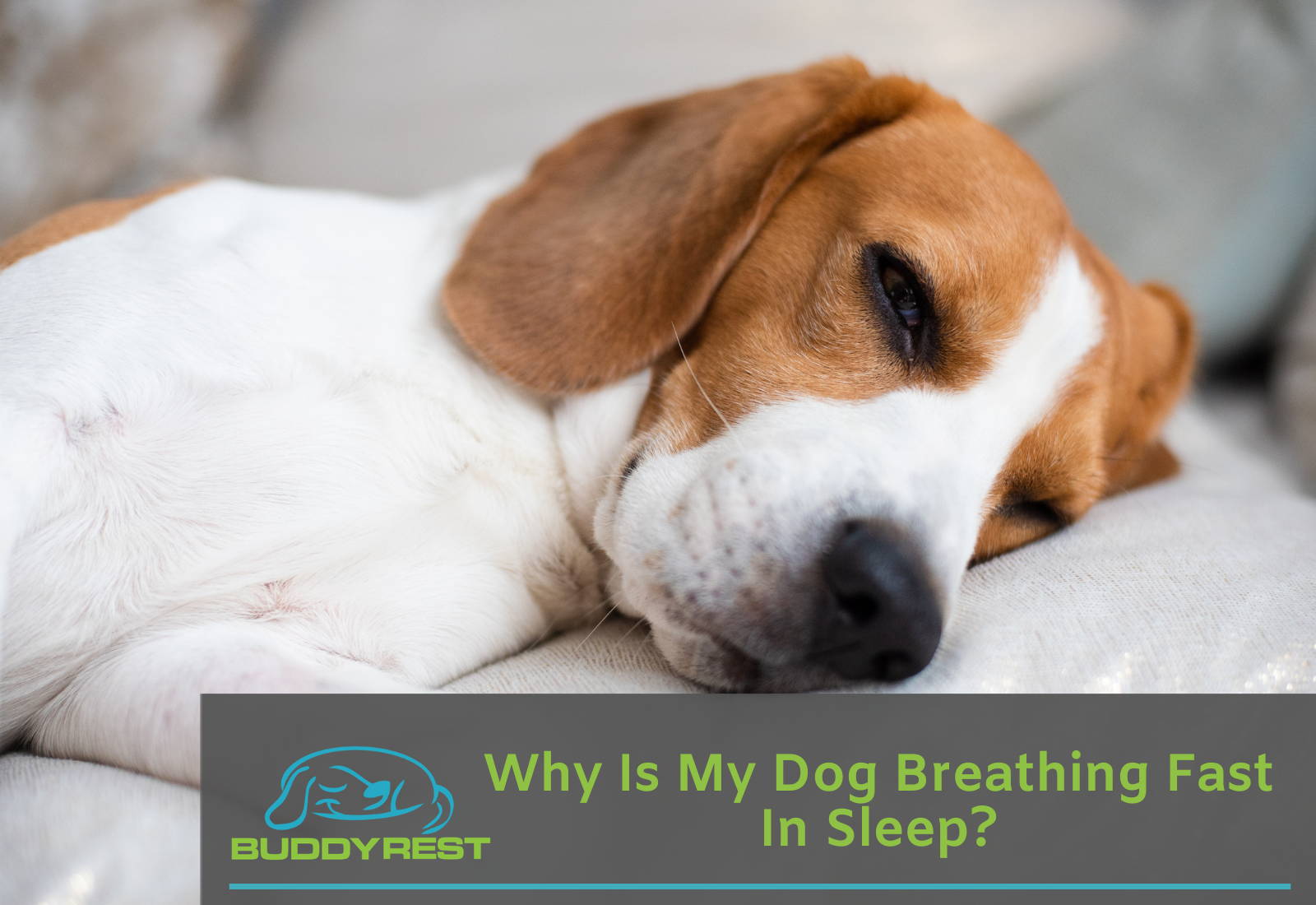
Image Source: buddyrest.com
Gauging Normal vs. Concerning Breathing Rates
It is vital to know what counts as normal when your dog is resting quietly. Most resting adult dogs breathe between 10 and 30 breaths per minute. To check this, simply watch your dog’s chest rise and fall. Count each rise as one breath. Do this for 15 seconds and multiply by four to get the per-minute rate.
If your dog’s rate is consistently above 30 breaths per minute while sleeping soundly, it is time to look closer at the causes of fast dog breathing when sleeping.
Factors That Influence Sleep Breathing
Several simple things can speed up your dog’s breathing even when they are asleep. These are usually temporary and not a sign of illness.
Dream Cycle Influence
Dogs cycle through sleep stages, just like people. The stage called REM (Rapid Eye Movement) is when most dreaming occurs. During dreaming, your dog might twitch, paddle their legs, or breathe faster. This is normal. You might notice dog panting in sleep during these active dream phases.
Environmental Factors
The room temperature plays a big role. Dogs cool themselves mainly through panting.
- Warm Environment: If the room is too warm, your dog will breathe faster to cool down, even in sleep.
- Bedding: Thick or heavy bedding can trap heat, leading to faster breathing.
Recent Activity Levels
A long walk or vigorous playtime right before bed means your dog’s body temperature might still be slightly elevated. This results in increased respiratory effort until the body settles down.
Deciphering Medical Causes for Rapid Breathing
When fast breathing is not tied to dreams or heat, it points toward health problems. These issues often affect the heart, lungs, or neurological system. Identifying rapid canine respiration at rest is the first step.
Heart-Related Issues
Heart problems are a major reason for labored breathing dog while resting. When the heart struggles, fluid can build up in or around the lungs. This makes it hard for the dog to get enough oxygen, forcing them to breathe faster.
Congestive Heart Failure (CHF)
CHF is a common end-stage heart disease. The heart cannot pump blood efficiently.
- Fluid in Lungs (Pulmonary Edema): This causes coughing and quick, shallow breaths. This can lead to shallow breathing dog sleeping.
- Ascites: Fluid buildup in the abdomen can press on the diaphragm, making deep breaths difficult.
If you notice your dog struggling to lie flat or needing to prop themselves up to sleep, this is a serious warning sign of heart trouble.
Heartworm Disease
These parasites live in the heart and lungs. They cause inflammation and damage, leading to difficulty breathing, especially during rest.
Respiratory System Problems
Lungs or airways that are blocked or inflamed will cause the dog to breathe quickly to compensate for poor air exchange.
Respiratory Infections
Pneumonia or severe bronchitis inflames the air sacs or airways. This reduces the amount of oxygen the dog takes in, causing noisy breathing dog sleep and rapid breaths.
Brachycephalic Syndrome
Breeds with flat faces (Pugs, Bulldogs, Boxers) have narrow nostrils and soft palates. They often struggle to breathe normally, especially when excited or warm. At night, they might snore loudly or exhibit labored breathing dog while resting.
Pain and Anxiety
Pain is a huge, often missed, factor in causes of fast dog breathing when sleeping. When a dog is in pain, their body releases stress hormones. This raises the heart rate and breathing rate.
- Arthritis: Older dogs with joint pain may sleep restlessly and breathe quickly.
- Internal Discomfort: Issues like pancreatitis or bloat can cause hidden pain, showing up as restless sleep dog rapid breath.
Anxiety or fear can also cause hyperventilation. If a dog is anxious about their sleeping spot or has separation anxiety, rapid breathing can occur.
Metabolic and Systemic Diseases
Some conditions affect the whole body system, impacting how oxygen is used.
Anemia
A low red blood cell count means the blood carries less oxygen. The dog must breathe faster to try and capture more oxygen from the air.
Cushing’s Disease
This involves the body making too much cortisol. One side effect is increased thirst and urination, often linked to muscle weakness and sometimes faster breathing.
Thyroid Issues
An overactive thyroid (hyperthyroidism) speeds up the dog’s entire metabolism, leading to a higher resting heart rate and faster breathing.
Recognizing Signs of Sleep-Related Breathing Disorders
Sometimes the issue is not just fast breathing but how the dog breathes during sleep.
Noisy Breathing Dog Sleep
Sounds like snoring, snorting, or gasping during sleep are common. While simple snoring is often harmless, certain sounds are concerning.
- Stertor: A low-pitched, heavy snoring sound, common in flat-faced breeds.
- Stridor: A high-pitched, harsh sound indicating blockage high up in the windpipe.
Shallow Breathing Dog Sleeping
If breaths are quick but very shallow (not using the full chest expansion), it suggests the dog is struggling to take deep breaths. This often points toward pain or fluid buildup around the lungs.
Dog Sleep Apnea Symptoms
While less common than in humans, dog sleep apnea symptoms can occur. This is when breathing stops briefly during sleep, often followed by a sudden gasp or snort as the dog wakes slightly to restart breathing. If these pauses are long or frequent, it is serious.
When Is Fast Dog Breathing Worrying? The Red Flags
Not all rapid breathing needs a trip to the emergency vet immediately, but some signs demand urgent attention. Knowing when is fast dog breathing worrying saves lives.
| Symptom | Severity Level | Immediate Action |
|---|---|---|
| Persistent rate > 40 breaths/min at rest | Moderate to High | Call vet for an appointment soon. |
| Blue/purple gums or tongue | Emergency | Go to ER immediately. |
| Exercise intolerance or collapse | High | Go to ER immediately. |
| Coughing or wheezing along with fast breath | High | Call vet immediately. |
| Restlessness, inability to settle down | Moderate | Check environment; call vet if it continues. |
| Labored breathing dog while resting (visible strain) | High | Seek urgent veterinary advice fast breathing dog. |
The Gum Color Check
This is the simplest, most critical check. Healthy gums should be pink. If they look pale, white, blue, or purple, it means your dog is not getting enough oxygen. This is a dire emergency.
Fathoming Sleep Disorders: Diagnostic Paths
If you suspect the rapid canine respiration at rest is pathological, your veterinarian will need to investigate systematically.
Diagnostic Steps
Your vet will start with a thorough physical exam. They listen carefully to the heart and lungs.
Chest X-rays (Radiographs)
X-rays are crucial for looking at the heart size and checking for fluid accumulation in the lungs (pulmonary edema) or signs of lung masses.
Echocardiogram (Heart Ultrasound)
This lets the vet see the heart structure and how well the valves are working. It diagnoses conditions like mitral valve disease, a common cause of heart failure in older dogs.
Blood Work
Blood tests help rule out systemic issues like anemia, kidney failure, or thyroid problems that might contribute to faster breathing.
Seeking Veterinary Advice Fast Breathing Dog
If you need veterinary advice fast breathing dog, be prepared to give your vet detailed information.
What to Tell Your Veterinarian
- The Rate: Provide the actual count (e.g., “He took 45 breaths in one minute while lying still”).
- Duration: How long has this fast breathing been happening (days, weeks, just tonight)?
- Triggers: Does it happen only after eating, only when lying on the left side, or all the time?
- Other Signs: Mention any coughing, lethargy, or changes in thirst/appetite.
- Breed and Age: These factors narrow down likely culprits (e.g., heart disease in older breeds, Brachycephalic issues in Pugs).
Managing Causes of Fast Breathing While Sleeping
Treatment depends entirely on the root causes of fast dog breathing when sleeping.
Treating Heart Conditions
If CHF is diagnosed, treatment focuses on managing fluid buildup and improving heart function.
- Diuretics (Water Pills): To remove excess fluid from the lungs.
- Cardiac Medications: To strengthen the heart muscle and help it pump more effectively.
- Oxygen Therapy: In severe cases, temporary oxygen support may be needed at the clinic.
Addressing Respiratory Obstructions
For brachycephalic breeds, surgery might be recommended to open up the airways (e.g., widening nostrils or removing excess tissue from the soft palate).
For infections, appropriate antibiotics or anti-inflammatories are used.
Managing Pain and Anxiety
If pain is the source of restless sleep dog rapid breath, appropriate pain management (NSAIDs, supplements, physical therapy) will resolve the issue. For anxiety-based rapid breathing, environmental changes or anti-anxiety medication may be necessary.
Ensuring Optimal Sleep Environment for Your Dog
Simple adjustments can often resolve mild cases of dog panting in sleep caused by environmental factors.
Temperature Control
Keep the sleeping area cool. Use breathable bedding materials. If you use a crate, cover it partially to create a den effect, but ensure ample airflow.
Bedding Choices
Avoid overly cushioned or memory foam beds if the dog seems to overheat easily. Simple, flat, cooling mats or orthopedic beds with good airflow are often better.
Pre-Sleep Routine
Avoid vigorous exercise close to bedtime. A short, calm walk followed by quiet time helps the dog’s core temperature and heart rate return to baseline before sleep. This reduces the likelihood of noisy breathing dog sleep due to residual excitement.
Investigating Shallow Breathing Dog Sleeping
Shallow breathing dog sleeping often suggests discomfort or restricted lung expansion.
If your dog prefers sleeping sitting up or leaning against something rather than lying completely flat, this is called orthopnea. It is a classic sign that fluid is moving into the lungs when they lie down flat, confirming a need for immediate veterinary advice fast breathing dog.
Conclusion: Vigilance is Key
While some dog panting in sleep is charmingly normal, persistent rapid canine respiration at rest is a signal. Recognizing the difference between a dog dreaming and a dog struggling to breathe is crucial for your pet’s longevity and comfort. If you notice labored breathing dog while resting or any changes in gum color, do not wait. Prompt veterinary investigation of the causes of fast dog breathing when sleeping leads to the best outcomes.
Frequently Asked Questions (FAQ)
Q1: Is it normal for my puppy to breathe fast when sleeping?
A: Yes, puppies often have faster heart rates and breathing rates than adult dogs, even at rest. They also experience very active dreams. As long as the breathing is smooth and not labored, it is usually normal. Consult your vet if the rate seems frantic or if the puppy stops breathing briefly.
Q2: Can medication cause fast breathing in my sleeping dog?
A: Some medications, especially certain steroids or drugs that increase metabolism, can cause increased heart rate and respiration as a side effect. Always review side effects with your vet when starting any new prescription.
Q3: My older dog is exhibiting dog sleep apnea symptoms. What should I do?
A: If you suspect dog sleep apnea symptoms (pauses in breathing followed by a gasp), you must see your veterinarian. They will need to assess heart and lung function. Treatment might involve supportive care or medications depending on the underlying cause of the breathing disruption.
Q4: Why does my dog have noisy breathing dog sleep after being very active?
A: Post-activity heavy breathing is normal, but if it remains noisy (snorting or gasping) for over an hour after settling down, it suggests the dog is struggling to cool down or their cardiovascular system is stressed. Monitor closely.
Q5: How can I check if my dog has shallow breathing dog sleeping?
A: To check for shallow breathing, look at the extent of chest movement. Normal breathing involves the whole rib cage rising and falling visibly. Shallow breathing involves only the upper chest or neck moving slightly with each breath, indicating the diaphragm is not fully engaged.