
Dog breathing fast, also known as tachypnea, happens when your dog breathes much quicker than usual. This can be normal, like after playtime, but sometimes it signals a serious health problem.
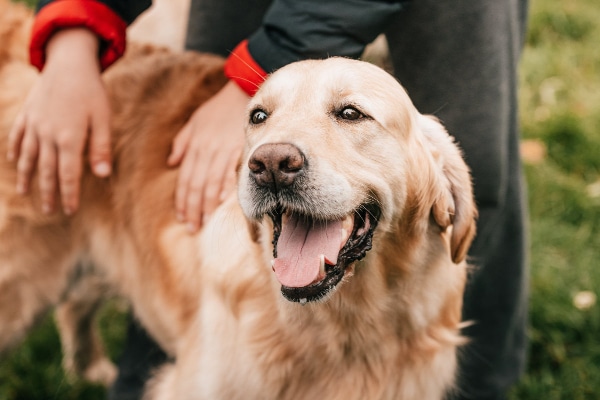
Image Source: toegrips.com
Deciphering Normal Dog Breathing Rates
Before worrying about rapid breathing in dogs, it helps to know what is normal. A resting dog usually takes 15 to 30 breaths per minute. When a dog is excited or warm, this rate can go up quite a bit.
Dog panting heavily is often the most noticeable sign of fast breathing. Panting uses rapid, shallow breaths to cool the body down. Dogs do not sweat like humans do. They mainly cool off by panting.
Common, Non-Medical Reasons for Quick Breaths
Many times, dog breathing fast after exercise is completely normal. If your dog has been running or playing hard, its body needs to shed extra heat. This is simply the body’s air conditioner working hard.
Here are usual reasons for increased breath rate:
- Heat and Warmth: High outdoor temperatures make dogs pant more. Even a warm car interior, briefly left alone, can cause this.
- Excitement or Stress: A trip to the vet, meeting a new dog, or even a fun party can speed up breathing. Fear and anxiety are big triggers for fast breaths.
- Recent Physical Activity: After vigorous play, the heart and lungs work overtime to supply oxygen. This leads to short bursts of fast breathing until the dog cools down.
- Pain or Discomfort: Sometimes, a dog breathes fast because it is hurting. The pain causes stress, leading to quicker breaths.
Dog Breathing Fast When Resting: When to Look Closer
If your dog is lying down, calm, and still, but its chest is moving rapidly, this warrants closer attention. Dog breathing fast when resting is a key sign that something might be wrong internally.
This situation needs owners to watch for other signs. Is the dog restless? Is it panting with its mouth wide open even when cool? If resting, fast breathing lasting for more than a few minutes, especially without a clear cause like recent activity, suggests a need to check in with a vet.
Medical Reasons for Rapid Air Intake
When fast breathing is not due to heat or play, it often points to a medical issue affecting the heart, lungs, or blood. These causes of fast dog breathing require prompt veterinary care.
Heart Problems
The heart pumps blood, which carries oxygen, around the body. If the heart fails to pump well, the body feels starved for air. This makes the dog breathe faster to try and pull in more oxygen.
- Congestive Heart Failure (CHF): This is common, especially in older dogs. Fluid can build up in or around the lungs, making it hard to take a full breath.
- Heartworm Disease: These worms live in the heart and lungs, blocking blood flow and making the heart work too hard.
Lung and Airway Issues
Any problem that blocks air from getting in or out will cause the dog to try harder and faster to breathe. This effort often looks like shallow breathing in dogs or very deep, fast breaths.
- Asthma or Allergies: Inflammation in the airways makes breathing tight and quick.
- Pneumonia: An infection in the lungs fills air sacs with fluid, reducing the oxygen exchange.
- Tracheal Collapse: Common in small breeds, the windpipe weakens and flattens when the dog pulls in air, causing rapid, often noisy breathing.
- Laryngeal Paralysis: The voice box doesn’t open wide enough when the dog inhales.
Other Systemic Causes
Several other body system failures can cause respiratory distress in dogs.
- Anemia: If the blood lacks enough red blood cells to carry oxygen, the body demands faster breathing to compensate.
- Fever or Infection: A high body temperature increases the body’s need for oxygen.
- Pain: Severe, unseen pain (like from pancreatitis or a broken bone) causes stress and fast breathing.
- Toxins or Drugs: Ingesting certain poisons or even some medications can affect the nervous system and breathing centers in the brain.
Recognizing Distress: Signs of Labored Breathing in Dogs
Owners must learn to spot the difference between normal panting and signs of labored breathing in dogs. Labored breathing means the dog is using extra muscles just to get air.
Look for these key indicators:
| Sign Observed | What It Looks Like | Implication |
|---|---|---|
| Abdominal Effort | The dog’s stomach muscles visibly strain with each breath, rather than just the chest moving. | Strong effort is needed to pull air in or push air out. |
| Flared Nostrils | The nostrils open very wide with every breath. | Indicates an attempt to draw in maximum air volume. |
| Gasping or Wheezing | Noises like whistling, rattling, or grunting accompany the breath. | Suggests air is catching on an obstruction or inflamed tissue. |
| Blue or Purple Gums (Cyanosis) | The gums or tongue turn dusky blue or purple instead of a healthy pink. | This is an emergency; the dog is critically low on oxygen. |
| Stiff Posture | The dog stands very still with its neck stretched forward (extended). | Trying to keep the airway as straight as possible to breathe. |
Open-mouth breathing in dogs is normal when panting, but if the dog is resting quietly and still breathing with its mouth wide open, it may be struggling for air.
The Role of Obesity and Breed in Fast Breathing
A dog’s body shape and breed play a big role in how easily it breathes.
Obesity and Respiration
Extra weight puts pressure on the chest cavity and lungs. Fat deposits around the abdomen push up on the diaphragm (the main breathing muscle). This makes every breath shallower and harder work. Overweight dogs will often show rapid breathing in dogs sooner than leaner dogs after minimal activity.
Brachycephalic Breeds
Breeds with short, flat faces—like Pugs, Bulldogs, and Boxers—are prone to dog respiratory distress simply because of their anatomy. This condition is called Brachycephalic Obstructive Airway Syndrome (BOAS).
Their shortened airways, narrow nostrils, and elongated soft palates make efficient cooling and breathing very difficult, even in mild weather. These dogs must be monitored constantly in heat.
Dog Respiratory Distress: An Emergency Situation
If your dog is suddenly struggling to breathe, this is a life-threatening emergency. Dog respiratory distress means the body is not getting enough oxygen (hypoxia).
What to do immediately:
- Stay Calm: Your anxiety will transfer to your dog, making breathing worse.
- Move to Cool Air: Take the dog somewhere cool, but avoid forcing them to walk if they are weak.
- Positioning: If possible, let the dog sit or stand. If lying down, try to keep its head and chest slightly elevated. Do not try to force the dog to lie on its side.
- Do Not Force Water: Never try to force water into the mouth of a dog struggling to breathe.
- Call Ahead: Contact your emergency vet while driving. Tell them you are bringing in a dog in respiratory distress.
Fathoming Causes Related to Exercise Recovery
It is normal for a dog to pant hard after a run. This is called recovery panting. However, if recovery takes too long, or if the panting seems excessive for the level of exercise, something is wrong.
Dog breathing fast after exercise should slow down significantly within 5 to 10 minutes of stopping the activity and finding a cool spot.
If panting continues heavily for 20 minutes or more, or if the dog collapses afterward, suspect:
- Heatstroke: This is rapid overheating. The panting becomes frantic, the tongue may swell, and the dog can become disoriented.
- Undiagnosed Heart Issue: Exercise revealed a heart problem that was previously hidden.
- Dehydration: Lack of water reduces the blood volume needed for efficient oxygen transport.
Monitoring Breathing While Your Dog Sleeps
Sleep time is when a dog’s body should be most relaxed, and breathing should be at its slowest and deepest. If you notice shallow breathing in dogs during sleep, it might mean the lungs are filling with fluid or the airways are partially blocked.
A good way to track this is to count breaths while your dog is sleeping soundly. If you count 40 breaths in a 15-second period while they are totally relaxed, this is concerning.
When to Worry About Fast Dog Breathing
Knowing when to worry about fast dog breathing separates a normal situation from a crisis. Use this guide:
| Worry Level | Situation | Action Needed |
|---|---|---|
| Low Concern | Fast panting only happens after vigorous exercise or on a very hot day. | Offer cool water and shade; monitor until breathing returns to normal within 15 minutes. |
| Medium Concern | Rapid breathing occurs when the dog is resting but calm, or lasts for hours after activity. | Call your regular veterinarian for advice, perhaps scheduling a non-emergency check-up soon. |
| High Concern (Emergency) | Rapid breathing is accompanied by blue gums, collapse, weak pulse, or extreme restlessness. | Go to the nearest emergency animal hospital immediately. |
Diagnostic Tools Vets Use
If your vet finds your dog has abnormal rapid breathing in dogs, they will conduct specific tests to find the root cause.
Physical Examination
The vet will first check vital signs: heart rate, temperature, and capillary refill time (how fast color returns to the gums). They will listen closely to the heart and lungs using a stethoscope. This helps detect murmurs (heart issues) or crackles/wheezes (lung fluid or obstruction).
Imaging Tests
- Chest X-rays (Radiographs): These are crucial. X-rays show the size and shape of the heart and reveal fluid accumulation (pulmonary edema) or masses in the lungs.
- Ultrasound: Echocardiograms (ultrasounds of the heart) look at the heart’s structure and how well it pumps blood.
Blood Work
Blood tests help check for anemia, infection, and organ function. Specific tests can measure oxygen levels in the blood directly.
Treatment Options for Underlying Causes
Treatment for fast breathing always targets the reason the dog is breathing fast, not just the breathing itself.
Treating Heart Disease
If heart failure is the cause, treatment involves diuretics (to remove fluid from the lungs) and specific heart medications to help the heart muscle pump more efficiently.
Managing Airway Disease
For conditions like BOAS, surgery is often necessary to widen the narrowed nostrils or shorten the overly long soft palate. Dogs with asthma may need inhaled steroids.
Addressing Infection
If pneumonia or another infection is present, antibiotics are the cornerstone of treatment, often requiring hospitalization for oxygen therapy if the dog respiratory distress is severe.
Preventing Heat-Related Fast Breathing
Since heat exhaustion is a common cause of dog panting heavily, prevention is key, especially for at-risk breeds.
- Avoid Midday Walks: Exercise early in the morning or late evening when temperatures drop.
- Hydration is Key: Always carry fresh, cool water on walks.
- Never Leave in a Car: Even cracked windows do not prevent dangerous heat buildup inside a vehicle.
- Use Cooling Gear: Consider cooling vests or damp towels for long activities on warm days.
Breathing Differences: Panting vs. Respiratory Distress
It is vital to compare normal panting with concerning breathing patterns.
Normal Panting (Panting Heavily):
- Happens when hot, excited, or after exercise.
- Breaths are shallow and rapid.
- Gums are pink.
- The dog seems mostly comfortable despite the rapid breathing.
Respiratory Distress (Labored Breathing):
- Can happen anytime, including rest.
- Involves visible effort, leaning forward, or using the belly muscles.
- Often associated with noise (gasping, wheezing).
- Gums may look pale or blue.
- The dog seems anxious or reluctant to move.
If you see any sign of distress, immediate action is required.
Frequently Asked Questions (FAQ)
How many breaths per minute is too fast for a dog?
If a dog is resting calmly and taking more than 35 breaths per minute, it is generally considered elevated. If the rate consistently stays above 40 to 50 breaths per minute while the dog is completely still and cool, you should contact a vet.
Can anxiety cause my dog to breathe fast?
Yes. Anxiety, fear, and stress trigger the “fight or flight” response. This releases adrenaline, which naturally increases heart rate and respiration, leading to rapid breathing in dogs.
Why is my small dog breathing fast even though it didn’t exercise much?
Small dogs, especially brachycephalic breeds or those with toy breed issues like collapsing trachea, have less reserve capacity. Even mild excitement or a slight incline might cause them to breathe faster than larger dogs because their airways are smaller.
Is open-mouth breathing in dogs always panting?
Not always. While it usually means panting (temperature regulation), open-mouth breathing in dogs during severe stress, pain, or collapse might be a sign that they cannot get enough air through their nose or throat and are trying to maximize intake through the mouth.
What should I do if my dog has shallow breathing in dogs while sleeping?
If you notice shallow breathing in dogs frequently during sleep, it often means fluid is affecting the lower parts of the lungs, making deep breaths impossible. This is a strong indicator of heart disease or lung issues. Contact your vet right away for an examination.