
If your dog seems unhappy about going for a walk, it usually means something is making them uncomfortable or scared. The main reasons canine reluctance walks stem from fear, pain, past bad experiences, or lack of training.
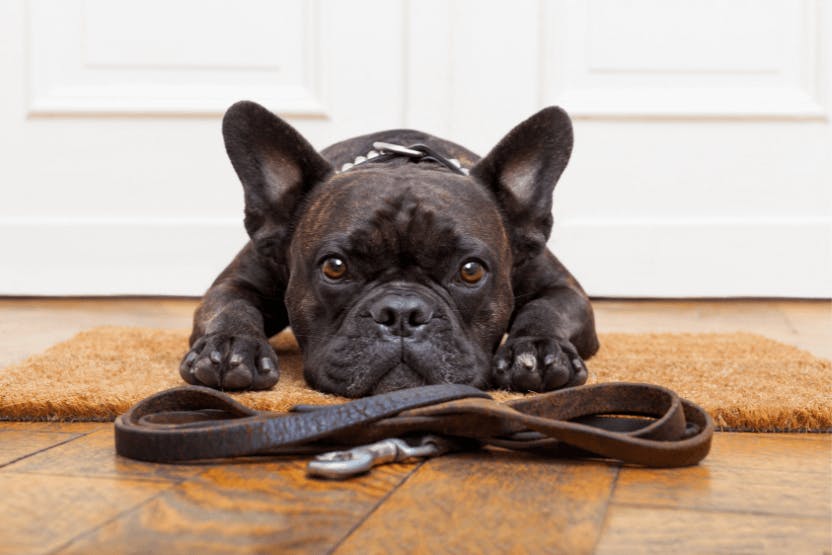
Image Source: images.wagwalkingweb.com
Deciphering Causes of Walk Aversion
A dog that suddenly refuses to leave the house or strains to turn back home is sending a clear message. It is vital to find the root cause of this behavior. Ignoring the problem only makes the behavioral issues dog walking worse.
Physical Discomfort and Health Issues
Pain is a top, often unseen, reason for dog suddenly hates walks. If a walk was once enjoyable but now causes stress, a vet check is the first step.
Joint and Bone Pain
Older dogs or breeds prone to certain issues often feel pain when walking, especially on hard surfaces or uphill.
* Arthritis makes movement hard.
* Hip or elbow dysplasia causes sharp pain with certain movements.
* A simple pulled muscle can make a dog wary of walking.
Paw Problems
The ground temperature and surface texture matter greatly to a dog’s sensitive paws.
* Hot Pavement: Summer sidewalks can burn paw pads severely.
* Ice and Salt: Winter brings ice and harsh salt or chemical de-icers that sting.
* Foreign Objects: Small pebbles, thorns, or broken glass stuck between the toes cause instant pain.
Other Medical Causes
Sometimes, the issue is not the walking motion itself.
* Ear infections cause balance issues, making the world feel unstable.
* Vision or hearing loss can increase general anxiety outside.
* Heart or respiratory issues mean the dog tires quickly, leading to resistance.
Environmental Triggers and Fear
Fear is a powerful driver behind dog afraid of walks. If the outside world seems threatening, avoidance is the natural response.
Loud Noises and Startling Events
Dogs hear much better than we do. A sudden loud noise can cement a negative association with being outside.
* Construction noise or loud trucks.
* Barking dogs suddenly appearing.
* Children playing loudly.
Scary Objects or Scenery
Sometimes a new object appears, or something familiar changes, causing alarm.
* A new statue or traffic cone.
* A trash truck that moves strangely.
* Areas where they previously had a very negative experience (e.g., being startled by another dog).
Weather Sensitivity
Many dogs intensely dislike certain weather conditions.
* Strong wind can feel physically overwhelming.
* Heavy rain or thunderstorms trigger significant anxiety.
* Extreme heat or cold makes simply being outside stressful.
Leash and Equipment Issues
The equipment used for walking can cause physical restriction or pain, leading to resistance. This often connects to dog pulling on leash anxiety.
Ill-Fitting Collars or Harnesses
A poorly fitted harness can rub or press on sensitive areas, especially under the front legs or neck.
* If a collar is too tight, it restricts breathing slightly, causing panic.
* A harness that shifts during movement can cause chafing.
The Leash Itself
The type of leash used can affect control and comfort.
* Retractable Leashes: These give the dog a false sense of freedom, but the sudden jolt or noise when they hit the end can be scary. They also teach the dog that pulling yields more space.
* Heavy Chains: Heavy metal leashes can feel cumbersome or hit the dog’s legs awkwardly.
Training and Past Experiences
How walks were introduced or managed in the past greatly impacts current behavior. If walks feel like work or punishment, the dog will resist.
Lack of Positive Association
If walks have only involved being pulled along, correction, or hurried through stressful situations, the dog learns walks are not fun. This contributes heavily to reasons dog resists going outside.
Overwhelming Social Situations
Some dogs are not socialized well to handle busy streets or many other dogs.
* Leash Reactivity: A dog might try to lunge or bark, but if they are corrected harshly for this, they learn to dread the situation entirely.
* Over-Arousal: Too much stimulation without breaks can lead to shutdown or refusal.
Handler Stress
Dogs are experts at reading our body language and stress levels. If you feel anxious about going outside (perhaps worried about traffic or other dogs), your dog picks up on that tension. This tension translates into their body language, often making them stiffen up or refuse to move.
Analyzing Specific Manifestations of Walk Aversion
When examining why doesn’t my dog like walks, look closely at how the refusal happens. The location and timing offer clues.
The Doorway Dilemma: Dog Won’t Walk Past the Door
This is a classic sign that the issue lies right at the threshold—the transition from safety to the unknown.
Safety Assessment at the Door
For many dogs, the door is the gateway to potential threats. If a dog has been startled or over-faced by something immediately outside, they may refuse to cross that boundary. They feel safest inside their known territory.
Habit and Routine Disruption
If the walk routine is erratic, the dog might be confused or resistant when the assumed time for a walk arrives but the conditions are wrong (e.g., too hot, too early).
Harness or Leash Association
If the dog only ever experiences negative things after the leash goes on, the act of putting on the gear becomes the trigger. They associate the sight of the leash with upcoming stress.
The Mid-Walk Shutdown
Sometimes the dog is fine leaving the house but stops midway through the route. This often points to exhaustion, hidden pain, or encountering a specific trigger.
- Pacing Issues: If the dog walks too fast initially, they might “hit a wall” physically and refuse to continue.
- Trigger Spot: They might refuse to walk past a specific house where a scary dog lives or a place where they were previously pulled too hard.
Developing a Training Plan Dog Walk Aversion
Fixing walk reluctance requires patience, positive reinforcement, and a systematic approach. The goal is to rebuild positive associations with the leash, the gear, and the outside world.
Step 1: Rule Out Medical Issues
Before starting any behavioral modification, schedule a thorough check-up with your veterinarian. Be specific about when the dog refuses to walk and what movements, if any, seem painful.
Step 2: Reassociate Gear and Doorway
If the problem starts before you even leave, you must change what the leash and door mean to your dog.
Desensitization to Gear
Put the harness or collar on while the dog is doing something highly rewarding, like eating a favorite meal or getting high-value treats. Remove it right away. Repeat this until the dog seeks out the gear when you pick it up.
Making the Threshold Positive
Do not force the dog out the door.
1. Stand near the door with high-value treats (cheese, cooked chicken).
2. Toss a treat past the threshold, just outside the door. If the dog steps one paw out to get it, praise them heavily.
3. If they step out fully, reward them immensely, then walk back inside immediately. The first goal is simply exiting willingly, not walking far.
4. Gradually increase the distance you walk outside before returning inside for a reward. Keep sessions very short—two minutes maximum initially.
Step 3: Addressing Fear and Reactivity on Walks
If dog pulling on leash anxiety or general fear causes resistance, controlled exposure is key. This is where leash reactivity solutions come into play, even if the dog is pulling out of fear, not aggression.
Finding the Threshold Distance
Determine how far away your dog can be from a trigger (e.g., another dog, a scary sound) and remain calm. This is their threshold. If they start staring intently, pulling hard, or shutting down, they are already over threshold.
Counter-Conditioning
At the threshold distance, pair the sight of the trigger with incredible food.
* Trigger appears $\rightarrow$ Dog gets amazing treat.
* Trigger disappears $\rightarrow$ Treats stop.
The goal is for the dog to see the scary thing and look back at you for the food, changing the emotional response from “scary” to “treat dispenser appears.”
Management Techniques
While training, manage the environment to prevent further negative experiences.
* Avoid busy times of day. Walk very early or very late.
* Cross the street or turn around immediately if you see a known trigger approaching while you are still below threshold.
Step 4: Encouraging Movement and Exploration
To how to encourage dog to walk, make the walk about the dog’s experience, not just exercise time.
Scent Work on Leash
Let your dog sniff! Sniffing is mentally enriching and calming for dogs. A walk where the dog is allowed to investigate smells at their own pace feels rewarding. Use a longer leash (6-10 feet) in safe areas to allow for exploration.
Positive Interruption Games
When your dog seems hesitant or starts to lag, use a happy, engaging noise or word (“Let’s go!” in a high-pitched voice) and immediately start moving forward while tossing a treat slightly ahead of you. This prompts movement without physical pulling.
| Strategy | Purpose | When to Use |
|---|---|---|
| High-Value Treats | Building strong positive association | During initial gear desensitization and near triggers. |
| Short Sessions | Preventing overwhelm and burnout | At the start of any behavior modification. |
| Scatter Feeding Outside | Making the immediate outside area rewarding | Right outside the door or in a quiet area. |
| Change of Scenery | Preventing habituation to a single stressful route | When a specific route causes consistent refusal. |
Factors That Increase Dog Pulling on Leash Anxiety
Anxiety related to the leash often leads to pulling, freezing, or erratic movement, which can manifest as refusal to walk properly.
Loss of Control
Many dogs pull because they feel they need to investigate everything or pull away from perceived threats. When they pull, they are trying to gain control over their environment. If they pull and you resist, the tug-of-war increases tension.
Physical Discomfort from Pulling
If a dog pulls hard against a flat collar, it puts pressure on the trachea, which can cause choking sensations or pain. Even if they don’t choke, the pressure causes discomfort, making them associate movement with pain, thus leading to canine reluctance walks.
Harness Choice Matters
Switching from a standard back-clip harness to a front-clip harness can significantly reduce pulling by redirecting the dog’s forward momentum toward you gently when they pull. This is a management tool, not a cure, but it makes the walk safer while you work on the underlying anxiety.
Advanced Considerations for Behavioral Issues Dog Walking
If basic positive reinforcement doesn’t solve the issue, deeper evaluation might be necessary.
The Role of Genetics and Temperament
Some dogs are naturally more cautious, shy, or noise-sensitive due to their breed or early life experiences. These dogs require slower progress and more management than a naturally bold dog.
When to Seek Professional Help
If the reasons dog resists going outside involve intense fear, aggression toward external stimuli, or if the problem started suddenly and severely, consult professionals:
1. Veterinary Behaviorist (DACVB): For severe anxiety, they can assess if medication is necessary to lower the dog’s baseline stress enough for training to work.
2. Certified Professional Dog Trainer (CPDT-KA) specializing in fear-free methods: They can observe the walk in real-time and tailor a specific training plan dog walk aversion.
Never use punishment-based methods (like leash pops, yelling, or alpha rolls) to force a reluctant or fearful dog onto a walk. These methods suppress the visible signs of fear but drastically increase the dog’s internal stress, often leading to worse avoidance or aggression later on.
Frequently Asked Questions (FAQ)
My dog used to love walks but now refuses. What is the most common cause for this sudden change?
The most common cause for a sudden refusal to walk is usually pain or illness. A sudden onset warrants an immediate trip to the vet to rule out orthopedic issues, sudden injuries, or internal discomfort. If health is cleared, look for a specific, very recent negative event that might have triggered fear.
Can I use food to get my dog moving if they won’t walk past the door?
Yes, using very high-value food is the best way to how to encourage dog to walk. Lure the dog just past the threshold with the food. Do not push or drag them. The moment they step out willingly, reward them heavily, even if they immediately turn back inside. We are rewarding the decision to exit.
My dog freezes and trembles when we see another dog. Is this related to why they won’t walk?
Yes. This is a clear sign of fear or reactivity. The freezing is often a “shut down” response, which means the dog is so overwhelmed they cannot move or process information. In this case, the dog associates the presence of other dogs with extreme stress, making them avoid walks entirely to avoid the trigger. You need focused counter-conditioning at a safe distance.
How long should I try to encourage my dog to walk if they are resisting?
Keep initial training sessions very short—5 to 10 minutes maximum. If the dog is actively refusing, fighting the leash, or trying to flee back inside, the session is over. Forcing it will only reinforce the negative feeling. End the session on a small positive note (like taking one easy step forward) and try again later when both you and the dog are calm.
What is the difference between dog pulling on leash anxiety and normal pulling?
Normal pulling is often excitement or lack of training (the dog thinks pulling gets them where they want to go faster). Dog pulling on leash anxiety looks different: it might involve stiff body posture, pacing rapidly, panting heavily, or trying to pull away from something (like pulling hard toward home or away from the street), rather than just pulling toward the next exciting scent.