
A dog not chewing food is often a sign of a dental issue, but there are other causes too. If you notice your dog swallowing food whole, it’s important to look closely at what might be causing this change in eating style.
Many dog owners get worried when they see their furry friend gulping down kibble without a sound. This behavior, known as dog eating too fast no chewing, is more than just inconvenient; it can signal a health problem or a learned habit. We must explore all the possible reasons for dog refusing to chew. This guide will help you figure out why is my dog swallowing food whole and what steps you should take next.
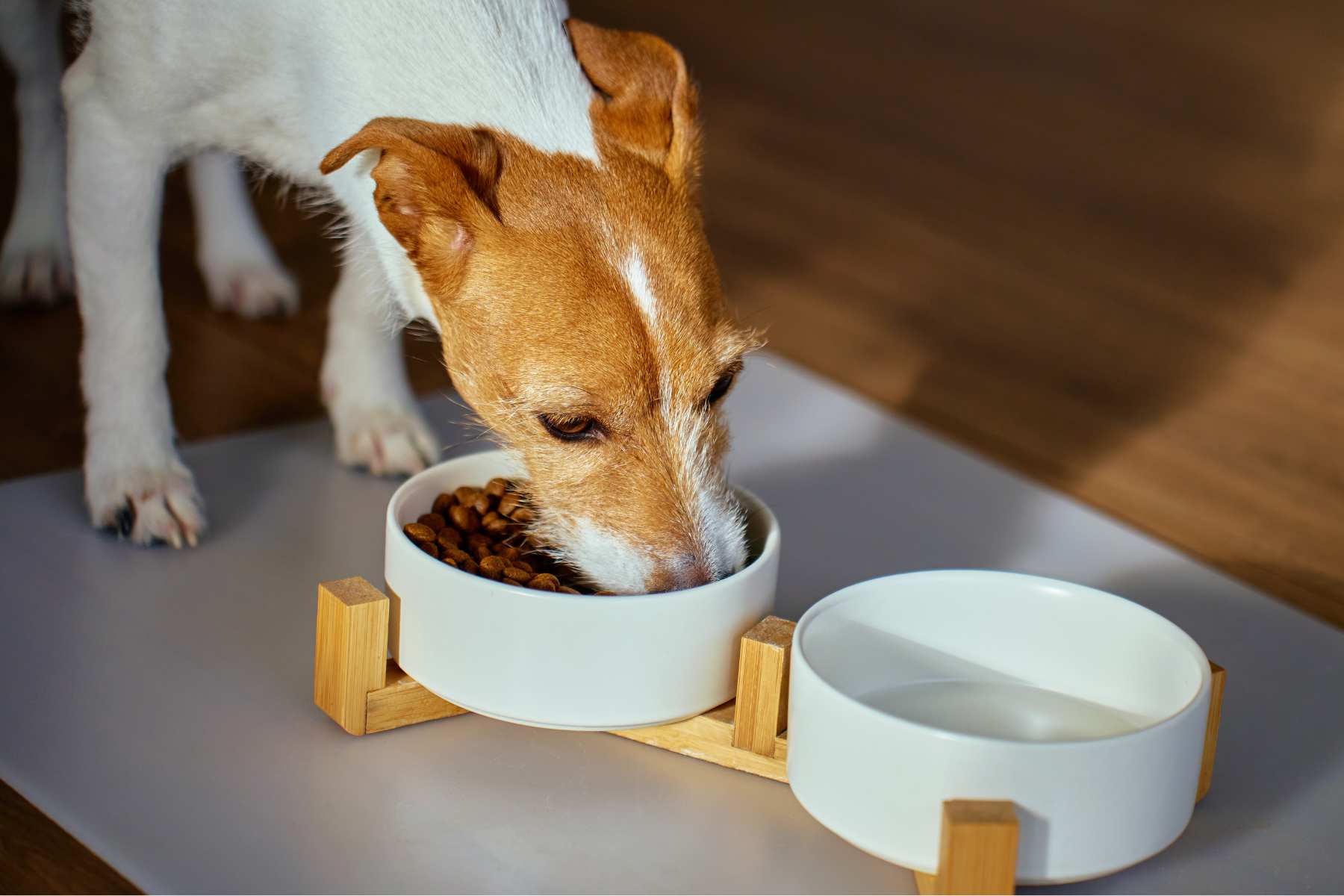
Image Source: www.dewkes.co.uk
Grasping the Normal: What are Proper Dog Chewing Habits?
For a healthy dog, eating involves some degree of chewing. Chewing serves several purposes. It helps break down the food into smaller pieces. This makes swallowing easier and aids digestion. Chewing also stimulates saliva production, which contains enzymes that start the digestive process early. Furthermore, the act of chewing on dry kibble provides mild abrasion, which can help keep teeth somewhat clean.
When we talk about proper dog chewing habits, we mean a dog that crunches its kibble multiple times before swallowing. A few quick gulps might happen, especially if the dog is excited or very hungry, but most of the meal should involve discernible chewing sounds. If your dog consistently bypasses this step, it needs attention.
Deciphering the Causes: Why Won’t My Dog Chew?
There are many reasons for dog refusing to chew. These reasons fall into two main groups: physical problems (medical) and behavioral issues. It is vital to sort these out to find the right fix.
Medical Reasons Dog Won’t Chew
Pain is the number one reason a dog stops chewing normally. If chewing hurts, the dog will swallow quickly to minimize the time the food touches the painful area.
Dog Dental Problems Chewing
The mouth is the most common site for pain affecting chewing. Dental disease is rampant in dogs, especially as they age.
- Broken Teeth: A fractured tooth, even if the break isn’t visible, can cause sharp pain when pressure is applied during chewing.
- Gum Disease (Periodontal Disease): Infected or inflamed gums make the entire mouth tender. Eating dry food becomes an ordeal.
- Worn-Down Teeth or Exposed Pulp: If the enamel is worn away, the sensitive inner layers of the tooth are exposed. Hot, cold, or hard pressure causes significant discomfort.
- Loose Teeth or Tooth Loss: Shifting or missing teeth can make picking up and maneuvering food difficult, leading the dog to just swallow large pieces.
- Oral Sores or Masses: Growths, tumors, or ulcers inside the mouth or on the tongue will make chewing painful.
Pain Beyond the Mouth
Sometimes the issue isn’t directly in the mouth but affects the dog’s ability or desire to move its head and neck to chew properly.
- Neck or Jaw Pain (TMJ Issues): Arthritis in the neck or jaw joint (Temporomandibular Joint) can make the necessary movements for chewing stiff and painful.
- Esophageal Issues: If the esophagus (the tube leading to the stomach) is irritated or narrowed, the dog might try to rush food down quickly to avoid painful swallowing, leading to less chewing beforehand.
- Nausea or Systemic Illness: When a dog feels generally unwell, their enthusiasm for eating, and the effort they put into it, can decrease. They might just want the food gone quickly.
If you suspect a medical reason dog won’t chew, a veterinary check-up is the essential first step. Your vet can perform a thorough oral exam, possibly under sedation if necessary, to check for hidden pain points.
Behavioral and Environmental Factors in Canine Food Selection Behavior
Not all reasons for avoiding chewing are rooted in pain. Sometimes, it’s simply a learned habit or a reaction to the environment.
Speed Eating and Anxiety
If a dog eats too quickly, it’s often because of perceived competition or past hunger. This leads directly to dog eating too fast no chewing.
- Resource Guarding History: A dog that previously had to fight for food might feel the need to consume it rapidly before another animal (or person) takes it.
- Competition with Other Pets: If multiple pets eat in the same area, even if they are usually friendly, a fast eater might rush to finish before sharing tension arises.
- High Prey Drive: Some dogs instinctively treat food like prey—catch it, swallow it whole. This is especially common with breeds genetically inclined to hunting.
Food Type and Palatability
The texture and shape of the food can greatly influence chewing behavior. This relates closely to dog picky eating chewing.
- Kibble Size: If the kibble pieces are too small, the dog may not perceive them as needing individual crushing. If they are huge, they might choke on a piece and learn to just gulp the smaller ones that break off.
- Texture Changes: Switching to a very soft or canned food can train a dog out of chewing, as soft food requires almost no work to swallow. If you switch back to dry food, the dog might not remember how to chew it properly.
- Taste Preference: If the dog dislikes the flavor, they might rush to eat it just to get it over with, rather than savoring the chewing process.
Learned Behavior
Dogs are great imitators. If a puppy sees its mother or older dogs swallowing food quickly without much chewing, they may adopt that behavior. It becomes the established proper dog chewing habits within their social group.
Investigating Specific Scenarios: Dog Not Chewing Food
When you observe the dog not chewing food, ask yourself these specific questions to narrow down the cause:
Scenario 1: Sudden Change in Chewing Habits
Did your dog always chew, but recently stopped?
If this change is sudden, the likelihood of a medical reasons dog won’t chew increases significantly. A new source of pain (like a cracked molar appearing or a sore developing) is the prime suspect.
- Action Plan: Schedule a veterinary exam immediately. While waiting for the appointment, temporarily soften the food with warm water or low-sodium broth. This makes swallowing easier without requiring much chewing effort, keeping the dog fed comfortably until the vet can assess the mouth.
Scenario 2: New Puppy or Rescue Dog
Is the dog new to your home or very young?
Young puppies often swallow food whole because their jaws are not strong enough for heavy chewing yet, or they are simply frantic with excitement over their first real meal. Rescue dogs might have a history of scarcity, leading to rapid consumption.
- Action Plan: For puppies, use puzzle toys or slow-feeder bowls to naturally enforce a slower pace, which often encourages more chewing. For rescues, gradually introduce feeding routines in a calm, isolated environment to reduce anxiety about competition.
Scenario 3: Preference for Certain Foods
Does your dog chew dry food but gulp down soft food?
This is a strong indicator that the effort of chewing is the issue, not the act itself. If they chew kibble adequately but swallow soft food instantly, they simply don’t need to chew the soft food. However, if they refuse to chew hard food but will eat soft food, pain is almost certain when chewing the hard items.
- Action Plan: Test the theory. Offer a small, appropriate chew toy (not food). If they chew the toy happily, the issue is specific to the food’s texture or size when eating a meal. If they won’t chew the toy, the issue is likely pain related to the jaw movement itself.
Table: Quick Guide to Identifying the Cause
| Observation | Likely Primary Cause Category | Next Steps Recommended |
|---|---|---|
| Swallows food quickly, drops pieces, chews tentatively. | Dental Pain | Vet check for dental disease/injury. |
| Always eats fast, even soft food, shows no enjoyment. | Anxiety / Resource Guarding | Use slow feeders; feed in isolation. |
| Refuses hard kibble but eats soft food readily. | Pain specific to hard objects/pressure. | Dental exam critical. |
| New food causes immediate gulping behavior. | Habit / Food type mismatch. | Gradually reintroduce old food or use shape-fitting slow feeders. |
| Dog appears lethargic or nauseous overall. | Systemic Illness | Full physical exam by veterinarian. |
Practical Solutions for Encouraging Chewing
Once medical causes have been ruled out by a vet, you can focus on behavior modification and environmental adjustments to encourage proper dog chewing habits.
Adjusting the Food Itself
Modifying the diet can sometimes act as a bridge between swallowing whole and proper chewing.
Hydrating Dry Kibble
Soaking kibble makes it slightly softer but retains enough texture to require some breaking down. This is often a good compromise if pain is minor or if you are trying to reintroduce chewing habits after a long period of swallowing whole.
- Method: Cover the kibble with warm water or low-sodium broth. Let it sit for 10-15 minutes until soft but not mushy.
Mixing Textures
Combining a small amount of highly palatable soft food with dry kibble can slow the dog down. The dog has to work around the hard pieces while trying to consume the soft bits, encouraging jaw movement.
Using Larger Kibble Sizes (Cautiously)
If your dog is swallowing small kibble whole, switching to a slightly larger size might force them to chew at least once. However, be cautious; if the kibble is too large, it can become a choking hazard or cause them to try to swallow it whole with greater risk. This step requires close supervision.
Utilizing Tools to Slow Down Eating
The goal here is to break the habit of dog eating too fast no chewing by making rapid consumption impossible or difficult.
Slow Feeder Bowls
These bowls have ridges, mazes, or bumps built into the bottom. They force the dog to move the food around with its tongue and snout, breaking up the food stream and making it harder to just shovel large amounts in at once.
Puzzle Toys and Food Dispensing Toys
These are excellent for encouraging engagement and breaking food down into smaller, manageable pieces over time. The dog has to work for each bite, which naturally promotes more manipulation (and thus chewing) of the food.
Muffin Tins or Spread-Out Feeding
For dogs that gulp, spreading their meal across a large surface (like a clean baking sheet or a large, clean floor area) forces them to pick up individual pieces rather than inhaling a pile. This often leads to more individual chewing actions.
Training Dog to Chew Food Effectively
When chewing has become a lost art, positive reinforcement training is necessary to re-establish the habit. This process focuses on rewarding the desired behavior—chewing.
Step 1: Start with High-Value Chews (Non-Meal Items)
Before applying this to the main meal, use something the dog loves but knows it must work for, like a bully stick or a dental chew.
- Give the dog the chew.
- Wait for any sign of actual chewing (even a single crunch).
- Immediately use a marker word (“Yes!” or a clicker) followed by praise.
- If the dog stops chewing and tries to swallow too fast, gently withdraw the chew briefly until they pause. Then re-offer it.
- The key is to reward the process of chewing, not just holding the item.
Step 2: Applying Chewing to Kibble Segments
Once the dog understands that chewing earns praise with a favored chew, apply the same technique to mealtime.
- Put only a very small amount of kibble (e.g., five pieces) into a bowl.
- Place the bowl down. If the dog starts to gulp, wait.
- If the dog pauses and crunches even one piece, immediately praise enthusiastically and offer another small handful.
- Repeat this process for the entire meal. You are rewarding the pause and the bite, not the speed.
This method effectively breaks the cycle of gulping by interrupting the process and rewarding the effort required to chew. Be patient; this can take several weeks to cement as a new habit, especially if the dog picky eating chewing habits have been ingrained for a long time.
Addressing Dog Dental Problems Chewing Concerns
If dental pain is the underlying issue, no amount of behavioral training will fix the problem until the pain is gone. Comprehensive dental care is crucial for restoring normal eating habits.
Veterinary Dental Assessment
A professional cleaning and oral exam are necessary. This often involves X-rays to check for problems below the gum line. If severe decay or infection is present, extractions or other restorative procedures may be required.
Post-Procedure Feeding
After dental work, your dog will likely need a soft food diet for 7 to 14 days. This allows the mouth to heal properly. When transitioning back to dry food:
- Gradual Reintroduction: Mix the soft food with a small amount of the original kibble. Slowly increase the kibble ratio over several weeks.
- Monitor for Relapse: Watch closely during the transition. If the dog starts swallowing the kibble whole again, it might mean the recovery isn’t complete, or the chewing habit didn’t fully return.
Preventive Dental Maintenance
To prevent future issues that lead to reasons for dog refusing to chew:
- Daily Brushing: This is the gold standard for preventing plaque buildup.
- Veterinary Oral Health Council (VOHC) Approved Products: Use dental chews, water additives, or special diets that carry the VOHC seal, proving they actively help reduce plaque or tartar.
Fathoming the Impact of Food Texture on Health
Swallowing food whole, often seen as why is my dog swallowing food whole, carries health risks beyond just choking.
Choking Risk
Large, unchewed pieces of food can get lodged in the esophagus or throat, leading to immediate distress or obstruction.
Bloat (Gastric Dilatation-Volvulus or GDV)
While the link is debated, rapid consumption of large amounts of food and air intake is a known risk factor for GDV, a life-threatening emergency. Dogs that eat too fast often swallow excess air along with their food. Slow feeders and forcing chewing can reduce this air intake significantly.
Digestive Upset
Food that is not broken down properly requires much more work from the stomach and intestines. This can lead to gas, vomiting, and poor nutrient absorption. Chewing starts the mechanical breakdown; skipping it burdens the rest of the system.
FAQ Section: Common Questions About Chewing
Q: Should I be worried if my puppy eats too fast and doesn’t chew?
A: Mild gulping is normal for puppies who are excited or have never learned proper manners. However, if they are inhaling food without stopping, you should use a slow-feeder bowl immediately to reduce the risk of choking or bloat. Monitor for signs of pain or coughing, which would require a vet visit.
Q: How long does it take to train a dog to chew food again?
A: If the issue is purely behavioral (no pain involved), you might see improvement within one to two weeks of consistent use of slow feeders and positive reinforcement training. If the dog has a long-established habit, it could take a month or more of diligent effort.
Q: Can my dog live a healthy life if they never chew their kibble?
A: They can survive, but it is not ideal. They risk digestive issues and bloating. If dental pain is present, they cannot live a comfortable, healthy life until the pain is resolved. Optimal nutrition requires proper breakdown of food, which starts with chewing.
Q: What kind of chews are best for encouraging gentle chewing behavior?
A: Choose digestible chews that are softer than standard hard nylon bones but firmer than biscuits. Edible dental chews designed to be consumed over several minutes are excellent tools for practicing the chewing motion without the pressure of a full meal. Always supervise your dog with any chew item.