
Your dog swallows food whole because rapid eating in dogs is often a deeply ingrained behavior driven by instinct, competition, or underlying health issues. Many owners ask this question, and the quick answer is that dogs often gulp food down without chewing for survival reasons or due to learned habits.
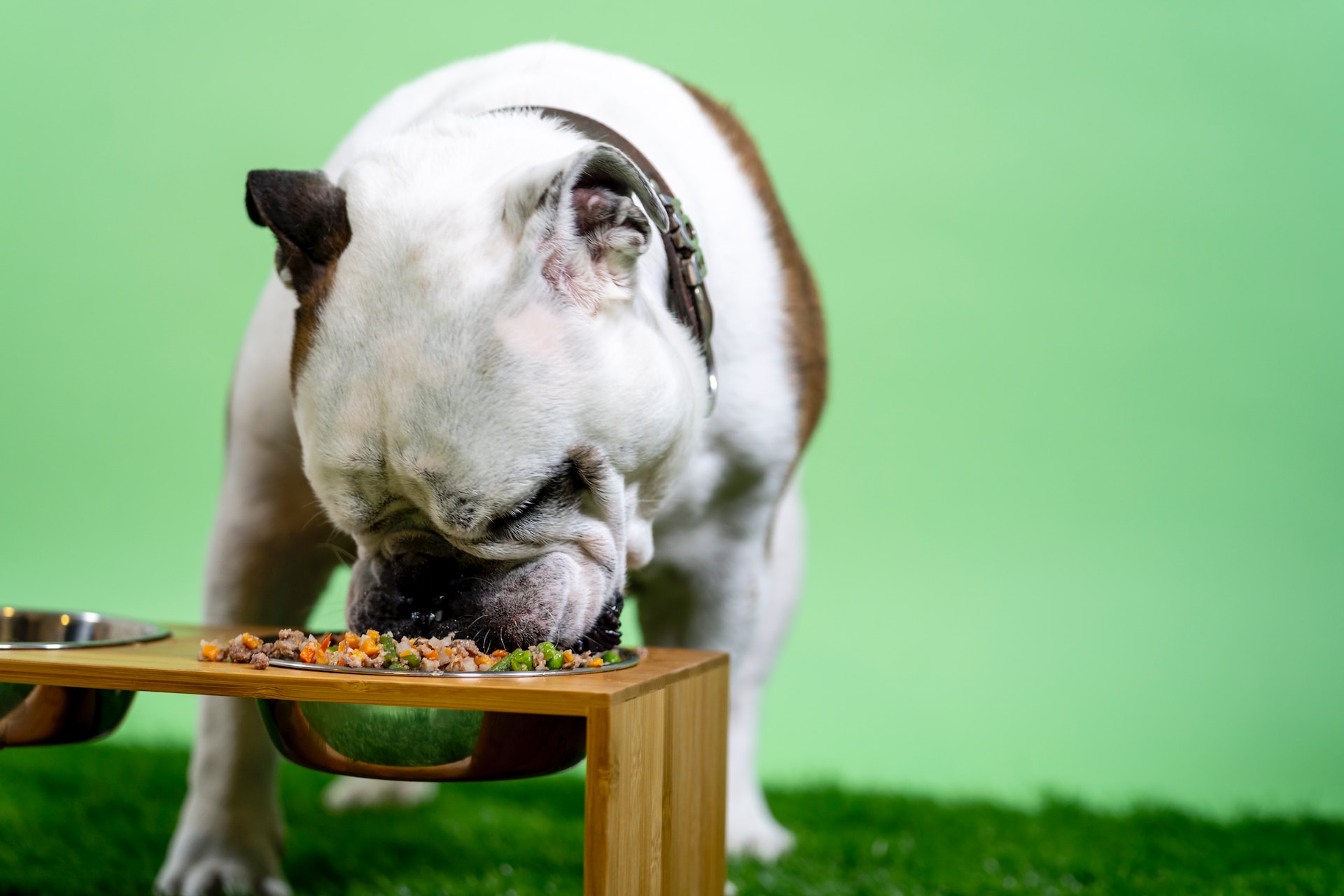
Image Source: www.wellpets.com
Grasping the Roots: Why Fast Eating Dog Behavior Happens
It can be quite alarming to watch your dog inhale food like a vacuum cleaner. This action is known as rapid eating in dogs or bolting food. It is not just a quirky habit; it often points to deeper reasons affecting your pet. To fix the problem, we must first look at what causes this fast eating dog behavior.
Evolutionary Drivers and Instincts
For a long time, dogs lived in packs or as wild animals. Survival meant eating fast when food was available.
- Competition: If there were many dogs around, they had to eat quickly before another dog took their meal. This competitive drive remains strong in many modern dogs. They fear food loss.
- Scarcity Mindset: If a dog has ever experienced hunger or scarce food resources, they learn that the best strategy is to consume everything immediately.
Environmental Factors Leading to Bolting Food
The environment where your dog eats plays a huge role in the causes of bolting food in dogs.
- Multiple Pets: If you have more than one dog, or even cats, the presence of other animals can trigger competitive eating. Your dog sees other pets as rivals for resources.
- Past History: Dogs from shelters or those that lived on the streets often display this behavior. Their past taught them that waiting means going hungry.
- High-Energy Feeding Schedule: Sometimes, owners feed dogs very large meals infrequently. The dog learns it must finish everything at once because the next meal might be far away.
Psychological Triggers
Stress and anxiety can make dogs eat too fast.
- Anxiety: A stressed dog might want to finish the potentially unpleasant experience of eating quickly. They might eat fast to get back to a safe, comfortable space.
- Excitement: Some dogs get overly excited at feeding time. This excitement translates into dog inhales food rather than chewing it properly.
Is Pica Related to Fast Eating?
Sometimes owners confuse fast eating with pica in dogs eating quickly. Pica is when dogs eat non-food items. While both involve eating rapidly, they are different issues. A dog with pica might gulp down their kibble and then immediately try to eat a sock. Fast eating is about speed; pica is about what they eat. However, a dog who is anxious or has poor nutrition (sometimes linked to pica) might also eat too fast.
Health Risks of Swallowing Food Whole
When a dog swallows food without chewing, it poses several health risks. This is why knowing how to slow down dog eating is crucial for their long-term health.
Gastric Dilatation-Volvulus (GDV) – Bloat
This is the most serious risk associated with dog eats too fast vomiting. GDV, commonly called bloat, is a life-threatening emergency.
- How it Happens: When a dog eats or drinks too quickly, they swallow large amounts of air along with their food. This swallowed air builds up in the stomach.
- The Danger: The stomach then fills with gas and can twist upon itself (volvulus). This cuts off blood flow and traps the gas.
- Symptoms: Signs include a hard, swollen abdomen, unproductive retching (trying to vomit but nothing comes up), pacing, and distress. Immediate veterinary care is necessary if you suspect bloat.
Digestive Upset and Vomiting
Even short of bloat, gulping food causes stomach issues.
- Indigestion: Food that is not chewed properly is harder for the stomach to break down. This can lead to general stomach upset.
- Regurgitation: It is common for dogs who gulp to regurgitate their food shortly after eating. They haven’t chewed enough to properly signal the digestive process to begin efficiently. This is different from true vomiting.
Choking Hazard
When kibble goes down whole, there is a small but real risk of it getting stuck in the throat or esophagus, leading to choking.
| Health Concern | Primary Cause Related to Fast Eating | Severity |
|---|---|---|
| Gastric Dilatation-Volvulus (Bloat) | Swallowing excess air (aerophagia) | Extreme Emergency |
| Regurgitation/Vomiting | Inadequate chewing | Moderate |
| Choking | Food lodging in the throat | High Risk |
| Weight Gain | Consuming calories too fast to register fullness | Long-term |
Fathoming the Science: Aerophagia in Dogs
A key component of dog swallowing food without chewing is the ingestion of air. This process is known medically as aerophagia in dogs.
When a dog rapidly opens its mouth and inhales kibble, it also sucks in large volumes of surrounding air. This air fills the stomach, causing it to distend.
Why is this air intake so significant?
- Stomach Stretching: The stretched stomach is one of the primary precursors to GDV.
- Pressure Changes: The increased pressure in the abdomen can affect breathing and circulation.
Many slow-feeder bowls are designed specifically to combat this by forcing the dog to eat around obstacles, thereby reducing air intake between bites.
Strategies for Slowing Down Quick Eaters: Remedies for Fast Eating Dogs
If your dog is exhibiting dog inhales food behavior, it is time to take action. The goal is to transform rapid eating in dogs into a more measured, enjoyable process. Here are the best remedies for fast eating dogs.
1. Specialized Feeding Equipment
The easiest first step involves changing the bowl itself. These tools disrupt the dog’s ability to vacuum up food quickly.
Slow Feeder Bowls
These bowls have built-in mazes, ridges, or cones. The dog must navigate these obstacles to reach the kibble. This naturally forces them to slow down and chew.
Puzzle Feeders and Snuffle Mats
These turn mealtime into a game. Instead of a bowl, you hide the food in a snuffle mat (a mat with fabric strips) or inside a food-dispensing puzzle toy. This engages the dog mentally and slows consumption drastically.
The Muffin Tin Method (DIY)
If you don’t have a special bowl, you can use a standard muffin tin. Place one or two pieces of kibble in each cup. Your dog has to move from cup to cup, breaking up the large mouthfuls they would normally take.
2. Changing Feeding Routines
Sometimes the environment or routine needs adjustment to curb causes of bolting food in dogs.
- Smaller, More Frequent Meals: Instead of one large meal, try splitting the daily allowance into three or four smaller meals. Smaller amounts are less overwhelming and reduce the immediate competitive drive.
- Isolation During Meals: If multiple pets are the issue, feed your fast eater in a separate, quiet room where they feel secure and there is no competition.
- Adding Water or Broth: Adding warm water or low-sodium, dog-safe broth to the kibble can soften it slightly. This makes it harder to swallow whole and can help reduce air intake.
3. Using Non-Bowl Methods
These methods force the dog to work for every bite, fundamentally stopping the gulping action.
- Spreading Food on a Baking Sheet: Spread the entire meal thinly across a large, flat baking sheet. The dog has to lick and pick up small amounts at a time instead of scooping.
- Feeding by Hand (Under Supervision): For very rapid eaters, hand-feeding one piece at a time can reset the behavior. You control the pace completely. This requires patience but is highly effective for teaching dog swallowing food without chewing.
4. Addressing Underlying Anxiety
If anxiety or fear is a major factor in fast eating dog behavior, behavioral modification is necessary alongside feeding changes.
- Calm Feeding Area: Ensure the feeding area is quiet. No loud noises, running children, or other pets nearby.
- Desensitization: If your dog rushes to the bowl immediately, try standing near the bowl (without letting them eat yet) until they settle. Reward the calm behavior, then slowly move away. This teaches them that calmness leads to food, not frantic rushing.
Behavior Modification for Eating Habits
Teaching your dog to chew is a learned skill, especially if they never had to practice it. When addressing dog inhales food, positive reinforcement is key.
Teaching “Wait” Before Eating
Start training “Wait” or “Stay” well before mealtime.
- Place the bowl down.
- Immediately say “Wait.” If the dog moves toward it, immediately pick the bowl up.
- Repeat until the dog pauses or sits when the bowl is placed down.
- Once they wait, give a release cue (like “Okay” or “Eat”) and let them start eating slowly. If they speed up, immediately use the “Wait” command again.
Incorporating Chewing Breaks
When you notice your dog has a mouthful and is clearly trying to swallow it whole:
- Gently interrupt them with a soft, non-scary sound or tap on the floor near them.
- When they pause, wait a moment, and then give a release word to let them continue.
- This trains them that pausing mid-meal is acceptable and rewarded with continued access to food.
If you are struggling to implement how to slow down dog eating alone, consult a certified dog behaviorist.
Special Considerations: Puppies and Certain Breeds
Some dogs are genetically predisposed to rapid eating in dogs.
Breed Predisposition
Certain large and giant breeds, especially those deep-chested dogs prone to bloat, must have their eating habits strictly monitored. Breeds like Great Danes, Boxers, Standard Poodles, and German Shepherds often require specialized slow-feeding methods due to their higher risk of GDV.
Puppies and Littermates
Puppies often display highly competitive feeding habits inherited from their wild ancestors. If you have a litter, separating them for meals is absolutely necessary to prevent injury and ensure each puppy gets adequate nutrition at a safe pace. Even with single puppies, their high energy often translates into dog inhales food behavior. Slow feeders work wonders for rapidly growing pups.
When to Consult the Veterinarian
While many cases of fast eating are behavioral, sometimes medical issues are present, or the speed causes significant health problems.
Signs You Need Immediate Vet Help
If you observe any of the following after your dog eats too fast:
- Repeated attempts to vomit that yield no food (unproductive retching).
- Extreme restlessness or inability to settle down.
- A visibly hard or distended abdomen.
- Persistent, severe regurgitation after every meal.
These are strong indicators of potential bloat or severe digestive distress requiring emergency care.
Discussing Nutritional Changes
If you suspect poor nutrition might be driving pica in dogs eating quickly or general food anxiety, talk to your vet. They can assess your dog’s current diet and ensure they are receiving appropriate, balanced nutrition, which can sometimes reduce the urge to gorge.
Addressing Aerophagia with Medical Intervention
In rare cases where extreme aerophagia in dogs causes chronic discomfort and standard remedies for fast eating dogs fail, your vet might discuss minor procedural options or prescribe anti-anxiety aids to manage the underlying stress that contributes to the habit.
Frequently Asked Questions About Fast Eating Dogs
Why is my dog swallowing food without chewing?
Your dog swallows food without chewing due to instinctive behavior developed from competition with littermates or wild pack members, or due to learned anxiety about food availability. It is a survival mechanism often ingrained deeply.
Can eating too fast cause my dog to vomit?
Yes. When a dog gulps food quickly, leading to dog eats too fast vomiting, it is usually regurgitation. The food has not been adequately mixed with saliva and stomach acid, and the sheer volume stretches the stomach rapidly, causing it to come back up quickly.
Are slow feeder bowls safe for all dogs?
Generally, yes. Slow feeder bowls are widely considered safe and effective remedies for fast eating dogs. However, if your dog is highly destructive, ensure the bowl material is durable rubber or sturdy plastic that won’t break into pieces if chewed aggressively.
How long should it take a dog to finish a meal?
For an average-sized dog eating a normal portion, a meal should ideally take between 5 and 15 minutes, depending on the portion size and kibble density. If your dog finishes in under 60 seconds, they are eating too fast and need intervention.
What is the best way to slow down a dog who inhales food due to competition?
The best approach is total isolation during feeding time. Feed the dog in a separate, secure room. Supplement this with a specialized slow feeder bowl or puzzle toy to physically prevent the dog inhales food action, even when they are alone.
Does rapid eating in dogs always lead to bloat?
No, but it significantly increases the risk, especially in deep-chested breeds. Rapid eating leads to aerophagia in dogs (swallowing air), which is a major precursor to Gastric Dilatation-Volvulus (GDV or bloat). Therefore, managing the speed is a key preventative measure.