
Your dog smelling like fish can be alarming, but it often points directly to dog anal gland issues. This is the most common culprit behind that distinct, strong fishy odor you notice. However, several other factors can contribute to a dog fishy odor causes, ranging from simple hygiene issues to more complex health concerns like infections or dietary problems.
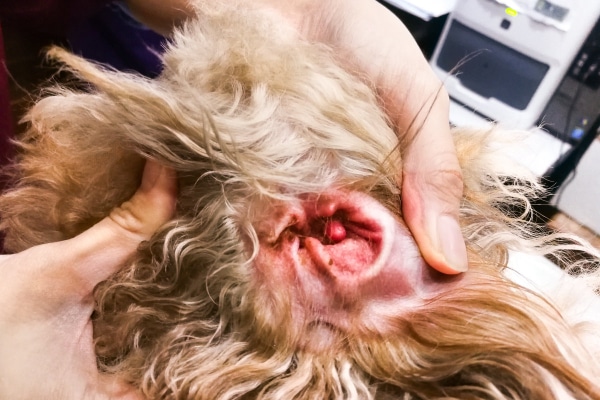
Image Source: toegrips.com
Deciphering the Fishy Odor: Common Sources
That strange, sometimes pungent, fishy smell coming from your dog is almost always related to secretions or bacteria. Pinpointing the exact source is the first step toward solving the problem. Let’s explore the primary areas where this smell originates.
The Anal Sac Secretions: The Prime Suspect
The most frequent reason for a dog smelling like rotten fish involves the anal sacs, also known as anal glands.
What Are Anal Sacs and Why Do They Smell?
Dogs have two small glands located just inside the rectum, one on each side. These sacs produce a potent, oily, brownish fluid. This fluid usually expresses (comes out) when the dog defecates, marking their territory. Think of it like a dog’s unique, strong-smelling signature scent.
When these sacs work correctly, you might only notice the smell if your dog drags their rear end on the carpet (scooting) or if they get stressed or scared.
Problems Arising from Anal Glands
Sometimes, these glands don’t empty properly. This leads to several problems, many of which cause that intense fishy smell:
- Impaction: The most common issue. The fluid builds up because the ducts are blocked. This buildup rapidly starts to smell bad, often like very strong, old fish.
- Infection or Abscess: If the impacted fluid becomes infected, it can turn into an abscess. This is painful for the dog and creates an even stronger, foul odor, often described as dog smells like rotten fish. If an abscess ruptures, you might see pus and blood, along with a very strong smell.
When to worry about dog fishy smell often starts here. If you notice scooting, licking the rear end excessively, or pain when sitting, the anal glands need veterinary attention.
Skin, Coat, and Yeast Issues
Bacteria and yeast naturally live on a dog’s skin. When their balance is disrupted, these microorganisms multiply too much, leading to infections that produce odors.
Skin Folds and Moisture Traps
Areas where skin folds meet, like deep wrinkles or skin flaps, trap moisture and warmth. This is a perfect breeding ground for yeast and bacteria. If an infection develops here, it can produce a distinctly fishy or musty smell. This is a common area for a dog skin infection fishy smell.
Yeast Overgrowth
Yeast (specifically Malassezia) is a common cause of skin irritation in dogs. Overgrowth often happens due to allergies or excess moisture. The resulting smell is frequently described as yeasty, sweet, or distinctly fishy.
Infections in the Ears
The ear canal is another warm, dark, moist environment where yeast and bacteria thrive.
If your dog has a dog ear infection fishy odor, the discharge inside the ear canal is usually responsible. The fluid produced by the infection can be waxy and carry a powerful, unpleasant odor that can spread across the dog’s head and neck.
Oral Health and Dental Odor
While most people associate bad breath with rotten food or decay, sometimes severe dental disease or underlying gastrointestinal issues can lead to a smell that wafts forward and is perceived as fishy. This is a dog fishy breath concern.
If the smell is primarily coming from the mouth, look for:
* Heavy tartar buildup.
* Red, swollen gums.
* Pus or discharge around the teeth.
Reproductive and Urinary Tract Concerns
For female dogs, smells originating from the genital area must be investigated promptly.
Vaginal Discharge
In intact females, or those with uterine infections (pyometra), excessive or foul-smelling discharge can occur. A noticeable dog vaginal discharge smell that is fishy or metallic requires immediate veterinary care, especially if the dog seems lethargic or is having trouble urinating.
Digestive System Odors
Sometimes, the smell isn’t external but internal, escaping through gas.
Flatulence
Dietary indiscretion or poor digestion can lead to excessive gas. If your dog has a dog flatulence smells like fish, it usually indicates they are breaking down specific types of proteins or fats inefficiently. Very fatty treats or certain low-quality foods can trigger this.
Step-by-Step Investigation: Locating the Smell
To effectively treat the issue, you must find where the smell is strongest. Use your nose like a detective!
1. The Rear Check
Gently lift your dog’s tail and inspect the area around the anus. Look for redness, swelling, or any discharge oozing near the anal openings. A quick, gentle sniff near this area (cautiously!) can confirm if anal gland issues are the source.
2. The Ear Test
Smell deep inside the ear flaps. If the smell is concentrated here, you will likely see brown, waxy, or yellow debris, and the dog may be scratching their ears frequently.
3. The Skin Sweep
Systematically check common problem areas: armpits, groin, between the toes, and any skin folds on the face or body. Use a damp cloth to gently wipe the area, then smell the cloth.
4. The Breath Observation
Watch your dog eat or yawn. Does the smell seem to originate from the mouth? If so, schedule a dental checkup.
Managing Anal Gland Issues: Relief for Your Pet
Since dog anal gland issues are the top reason for the fishy scent, specific management is often needed here.
At-Home Care (For Mild Cases Only)
If your vet has confirmed that your dog just needs routine emptying, you might learn the technique. However, improper expression can cause pain or push the blockage further in.
Veterinary Intervention
If impaction is severe or infection is suspected, your veterinarian will:
- Manually Express the Glands: They will gently squeeze the glands to release the built-up fluid. This often provides immediate relief from the odor.
- Treat Infection: If an abscess has formed, it needs to be lanced, flushed, and treated with antibiotics.
Preventing recurrence often involves adjusting the dog’s diet to ensure firmer stools, which naturally express the glands.
Diet and Digestion: Fixing the Fishy Smell from Within
What your dog eats directly impacts their body odor and waste odor. Improving diet is crucial for eliminating smells caused by digestion or nutrient imbalances.
Importance of Fiber
Stool consistency is vital for anal gland health. Diarrhea or very soft stools do not provide the necessary pressure to empty the glands naturally.
- Increase Soluble and Insoluble Fiber: Adding safe fiber sources like plain canned pumpkin (not pie filling) or specific vet-recommended fiber supplements can help firm up stools, aiding in gland expression.
Assessing Protein and Fat Content
Poorly digested fats or certain types of protein can cause increased oiliness in the skin secretions or lead to smelly gas.
- High-Quality Ingredients: Choosing best dog food for fish smell often means selecting high-quality kibble with named protein sources (like chicken, beef, or fish, if the fish isn’t the problem source) and healthy fats. Avoid generic “meat by-products.”
- Omega Fatty Acids: While beneficial for skin health, excessive supplementation can sometimes lead to oilier skin and odor issues if not balanced. Ensure supplements are appropriate for your dog’s size and health status.
Table 1: Dietary Adjustments for Odor Reduction
| Potential Issue | Dietary Solution | Goal |
|---|---|---|
| Soft Stool / Anal Gland Issues | Add safe fiber (e.g., pumpkin) | Achieve firm, consistent stools |
| Poor Fat Digestion | Switch to a highly digestible, moderate-fat formula | Reduce excess oiliness in secretions |
| Food Sensitivities | Trial a limited ingredient or novel protein diet | Eliminate inflammatory triggers causing skin issues |
Tackling Skin and Ear Infections: Hygiene is Key
If the smell is due to microbial overgrowth, a multi-pronged approach involving hygiene and medical treatment is necessary.
Medicated Baths for Skin Issues
For a dog skin infection fishy smell, regular bathing with veterinarian-approved medicated shampoos is essential.
- Chlorhexidine or Benzoyl Peroxide Shampoos: These actively kill surface bacteria and yeast.
- Lather Time: Allow the shampoo to sit on the affected areas for the time specified on the bottle (usually 5–10 minutes) so the active ingredients can work effectively.
- Thorough Rinsing and Drying: This is critical. Any lingering moisture encourages yeast and bacteria to return. Towel dry vigorously, and use a low-heat hairdryer in deep skin folds.
Treating Ear Odors
A dog ear infection fishy odor requires specific cleaning and medication prescribed by a vet.
- Do Not Use Water: Never put water or peroxide deep into the ear canal.
- Veterinary Cleaner: Use a vet-approved drying, acidic ear cleaner to break down debris.
- Medication: Most foul-smelling ear infections require prescription drops containing antibiotics and anti-fungal agents.
If you suspect a serious infection (lots of shaking, head tilting, pain), stop home cleaning and see the vet immediately.
When to Worry About Dog Fishy Smell: Red Flags
While mild odors can sometimes be managed with a good bath or a dietary tweak, certain signs indicate a serious underlying problem requiring prompt medical attention.
Immediate Veterinary Consultation Needed If:
- Extreme Lethargy or Fever: Suggests a systemic infection, possibly related to a ruptured anal gland abscess.
- Pain When Walking or Sitting: High likelihood of an anal gland rupture or severe discomfort.
- Thick, Puss-like Discharge: Especially if accompanied by bleeding from the rear end or vulva.
- Sudden Onset of Smelly Discharge: A quick change in odor profile often means an acute infection (like pyometra in females or severe ear infection).
- Relentless Licking/Chewing: Indicates intense itching or pain that the dog cannot resolve itself.
When to worry about dog fishy smell means recognizing when the smell is coupled with behavioral changes or visible physical signs of distress.
The Difference Between Mild and Severe Smells
| Smell Severity | Likely Cause | Urgency Level |
|---|---|---|
| Faint, occasional smell after excitement/stress | Normal anal gland expression | Low (Monitor, ensure good stool quality) |
| Strong, concentrated smell from rear end, scooting | Anal gland impaction | Medium (Schedule express appointment) |
| Musty, sour smell from skin folds or paws | Yeast/bacterial skin overgrowth | Medium (Start medicated bathing protocol) |
| Pungent, foul odor from ear canal | Ear infection | High (Needs topical medication) |
| Overpowering, foul smell accompanied by lethargy | Abscess, pyometra, or serious GI event | Very High (Emergency vet visit required) |
Frequently Asked Questions (FAQ)
Can I express my dog’s anal glands myself?
You can, but it is strongly advised that you learn the proper technique from a veterinarian or groomer first. Incorrect technique can cause severe pain, push the gland material deeper, or even cause a rupture, leading to infection. It is usually safest left to professionals, especially if the glands feel hard or the dog resists.
If my dog smells like fish after eating, is it the food?
Yes, diet plays a huge role. If dog flatulence smells like fish, the diet is likely producing odoriferous gas due to the way bacteria are breaking down the food in the colon. Look at the fat and protein sources in the current food. High levels of certain fats can also contribute to oily skin, which encourages odor-causing bacteria growth.
My female dog has a fishy smell, but her anal glands seem fine. What else could it be?
If you have ruled out the anal glands and the smell is localized near the rear, focus on the vulva. This could indicate a vaginal infection, hormonal issues, or, in older, unspayed females, the potentially life-threatening infection known as pyometra, which causes a strong, foul discharge often described as fishy or putrid. This needs urgent attention.
How often should I bathe my dog to prevent fishy odors?
Bathing frequency depends on the dog’s breed, lifestyle, and skin condition. Generally, bathing every 2–4 weeks is sufficient for most dogs. If your dog is prone to skin infections or excessive oiliness, your vet may recommend weekly medicated baths temporarily. Over-bathing can strip natural oils and actually worsen yeast problems.
If my dog has fishy breath, is it always dental disease?
While dental disease is the main cause of dog fishy breath, sometimes it points to something deeper. Severe kidney disease can cause breath to smell metallic or like ammonia, which some people confuse with fishy. Gastrointestinal issues can also alter breath odor. If dental cleaning does not resolve the smell, further internal diagnostics may be necessary.