
Yes, your dog snuggles up to you primarily because they love you, feel safe with you, and are seeking comfort and warmth. This close physical contact is a strong sign of affection and deep attachment.
The sight of your dog curling up next to you, resting their head on your lap, or pressing their entire body against you is one of the greatest rewards of dog ownership. This endearing action—often called dog cuddling behavior—is more than just a cute quirk. It is a complex social signal rooted deeply in canine history and instinct. To fully grasp why dogs snuggle, we must look at their wild past, their emotional needs, and the simple biology that drives them to seek closeness. This long-form guide explores the many reasons dogs snuggle and what it truly means when your furry friend demands to be right beside you.
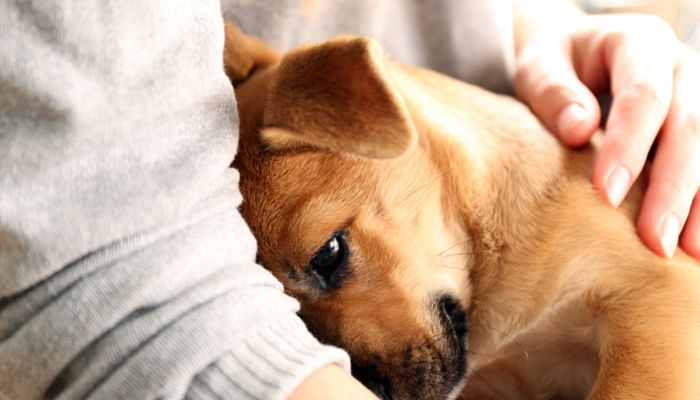
Image Source: www.puppyleaks.com
The Evolutionary Roots of Pack Proximity
To comprehend dog snuggling, we must first look back at their ancestors: wolves. Wild canids are highly social animals. Survival in the wild depended on staying close to the pack.
Safety in Numbers
In the wild, being alone meant danger. Wolves and early dogs huddled together for protection against predators and harsh weather. This close grouping reinforced social bonds. Even today, that ancient instinct remains strong. When your dog seeks physical contact with you, they are unconsciously seeking that feeling of security. You are their modern pack.
Thermoregulation and Shared Warmth
One of the most basic reasons dogs snuggle relates to physics: warmth. Dogs often sleep touching each other, especially puppies. This behavior, known as dog warmth seeking behavior, helps them maintain a stable body temperature when they are young and cannot regulate heat well on their own.
While adult dogs can manage the cold better, the habit of seeking warmth often stays. If your dog chooses to burrow under the covers or press against your legs on a cool evening, they are tapping into this instinctive need for shared heat.
Affection and Emotional Bonds: The Heart of Snuggling
While survival and warmth play a role, the primary driver for most pet owners is emotional connection. Snuggling is a major form of affection signs in dogs.
Oxytocin Release: The Love Hormone
When you pet your dog, and especially when they snuggle close to you, both your brains release oxytocin. This is often called the “love hormone” or “bonding hormone.” It promotes feelings of trust, peace, and connection. This positive feedback loop ensures that both you and your dog want to repeat the snuggle session.
For your dog, physical closeness releases these feel-good chemicals. It confirms that the relationship is positive and secure. This is a core part of bonding behavior dogs use to solidify their connection with you.
Trust as the Foundation
A dog will never willingly place itself in a vulnerable position unless it trusts its companion completely. Sleep is the most vulnerable state. When your dog chooses to sleep near you or lean heavily against you, they are showing immense trust. They believe you will protect them while they rest.
This speaks directly to dog attachment to owner. They see you as their primary source of safety and comfort.
Fathoming Canine Comfort Seeking
Dogs are experts at seeking comfort. If they are anxious, stressed, or even just tired, they turn to the source of their greatest security: you. This is key to canine comfort seeking.
- Stress Relief: A stressful day at the groomer or a loud thunderstorm can make a dog seek immediate contact. Leaning against you acts like a physical anchor.
- Reassurance: If you have been gone for a long time, the initial rush of contact and snuggling helps them reconnect and confirm you are still there.
- General Contentment: Sometimes, there is no specific reason other than pure happiness. They simply enjoy being near you.
Interpreting Body Language During Cuddles
Not all snuggling looks the same. Understanding dog snuggling involves looking at the details of how they are interacting with you.
Common Snuggling Positions
The way your dog chooses to position itself tells you a lot about their comfort level and what they need at that moment.
| Position | Primary Motivation | What It Signals |
|---|---|---|
| Full Body Lean | Trust and Seeking Support | “I feel completely safe with you. You are my anchor.” |
| Head Resting on Lap/Chest | Affection and Seeking Comfort | A direct expression of love and a need for reassurance. |
| Curled Up Against You | Warmth and Security | Instinctual pack behavior; seeking both heat and protection. |
| Sleeping at Your Feet | Guarding and Respect | They are close enough for contact but allow you space (less intense need). |
| “Velcro Dog” (Always Touching) | High Attachment/Mild Anxiety | Strong dog attachment to owner; constant need for confirmation of presence. |
Signals of Deep Connection
When your dog is truly relaxed during a cuddle session, look for these signs:
- Soft Eyes: Their eyes are slightly droopy or “half-closed.” Hard, staring eyes mean tension, but soft eyes mean contentment.
- Relaxed Muscles: There should be no rigidity in their body. If they are tense, they are not fully relaxed.
- Panting (Slightly): Gentle, relaxed panting can sometimes indicate happiness, not just overheating.
- Sighing: A deep, audible sigh often means they are letting go of any remaining tension.
Why My Dog Sleeps Next to Me: The Nighttime Connection
The question of why my dog sleeps next to me often comes up. For many owners, this is the ultimate sign of devotion.
Guarding Instincts
Even the most pampered house dog retains an instinct to protect the pack leader. When your dog sleeps near you, they are often subtly acting as your guardian. If they hear a strange noise, they are positioned to react before you do. This protection is a form of high-level bonding behavior dogs use to maintain pack structure and safety.
Access to Resources
In a pack structure, the highest-ranking members often get the best resting spots. By sleeping close to you, they are positioning themselves near the most valued resource: you. This isn’t about dominance; it’s about ensuring continued access to your companionship and care.
Habit Formation
If your dog started sleeping near you as a puppy and has continued, it has simply become routine. Routine breeds comfort. The familiar scents, sounds, and feel of your presence make it the best place for them to fall asleep.
Distinguishing Snuggling from Other Needs
While snuggle behavior is mostly positive, it is important to differentiate genuine affection from needs driven by discomfort or specific environmental factors.
Temperature Control
As mentioned, dog warmth seeking behavior is powerful. If you notice your dog only seeks contact when the house is cool, temperature is a major factor. Try giving them a warm bed or blanket elsewhere. If they still choose you over the warm spot, the bond is stronger than the need for heat.
Separation Anxiety vs. Closeness
It is crucial to note the difference between healthy attachment and separation anxiety.
- Healthy Closeness: The dog is relaxed, happy to be near you, and comfortable settling down for a long rest when you are present.
- Anxiety-Driven Closeness: The dog cannot settle unless they are physically touching you, may follow you from room to room obsessively, and shows distress when you prepare to leave. This need for contact stems from panic, not just love.
If you suspect anxiety, consult a vet or certified behaviorist. They can help differentiate normal dog attachment to owner from a clinical issue.
Health Indicators
Sometimes, a sudden increase in your dog’s need for physical contact can signal a health issue. If a typically independent dog suddenly becomes clingy and seeks constant contact, they might be hurting or feeling unwell. Illness often triggers canine comfort seeking behavior, as they revert to a more vulnerable, puppy-like state where they need their protector most.
Practical Tips for Encouraging Positive Snuggling
If you love the cuddles, how can you encourage this wonderful behavior safely and positively?
Create the Right Environment
Make cuddle time the best time of the day.
- Use soft textures. Dogs love blankets, soft couches, and cozy beds.
- Keep the area quiet. Loud noises or interruptions can break the spell of relaxation.
- Use a calm voice. Speak softly or hum gently when you are snuggling.
Respect Their Boundaries
For snuggling to be meaningful, it must be consensual. Never force a dog into a position they do not like.
- If they move away, let them go. Pushing them back communicates pressure, not affection.
- Pay attention to squirming. If they shift uncomfortably, they might need a different position or just a short break.
Initiate Gentle Contact
Be the initiator sometimes. Gently stroke their favorite spots—behind the ears, under the chin, or along the spine. Positive reinforcement through gentle touch encourages them to return for more. This reinforces the positive feedback loop central to dog cuddling behavior.
Understanding Body Preferences
Some dogs simply do not like being completely covered or trapped. They prefer to be near you, not necessarily on you.
- One dog might love being spooned.
- Another might prefer lying with their back touching your legs.
Learning your dog’s preferred contact style is key to successful affection signs in dogs.
Deciphering Differences Across Breeds and Personalities
Not all dogs are built or bred to be lap dogs, but most still enjoy closeness.
Breed Tendencies
Certain breeds are genetically predisposed to be more tactile due to their history:
- Companion Breeds (e.g., Cavaliers, Pugs): Bred specifically to sit on laps and be close to humans, they excel at dog seeking physical contact.
- Working/Herding Breeds (e.g., Border Collies, Shepherds): They may prefer to be near you, keeping you “in sight” or “in range,” often opting to lie just outside arm’s reach rather than directly on top of you.
- Giant Breeds (e.g., Great Danes, Newfoundlands): They still seek closeness but physically cannot be lap dogs. They often opt to lie heavily against you or lean their entire weight onto your legs.
Individual Temperament
A dog’s early socialization matters immensely. A dog that was well-socialized and lived with its mother and littermates for the full critical period is generally more confident in seeking comfort. A dog that was separated too early might have a higher baseline need for physical contact to feel secure.
Frequently Asked Questions (FAQ)
Is it bad if my dog needs to touch me constantly?
If the constant need for contact prevents your dog from settling down when alone or causes them significant distress when you step out of sight, it might indicate separation anxiety rather than simple affection. In these cases, behavioral modification training is helpful. Otherwise, enjoying the closeness is wonderful!
Do older dogs snuggle more?
Often, yes. As dogs age, they may become more sensitive to cold (dog warmth seeking behavior becomes more pronounced), and they may also seek extra comfort and reassurance as their hearing or eyesight declines. They rely more heavily on your familiar presence.
Why does my dog lick me after cuddling?
Licking is a major form of social communication and bonding for dogs. After a positive, relaxed cuddle session, licking can be an expression of continued happiness and gratitude, reinforcing the positive bonding behavior dogs share with their owners.
Can I teach my dog to snuggle if they never have before?
You can encourage it! Start with gentle, short sessions. Sit on the floor where they usually rest. Reward very calm behavior near you with a soft treat or gentle praise. Keep sessions short and always end on a positive note before they get restless. Focus on low-pressure proximity first.