
If your dog is peeing on the carpet, it usually means there is a medical issue, a behavior problem, or an issue with their dog house training. This article will help you find out why this happens and show you simple steps to fix it right away.
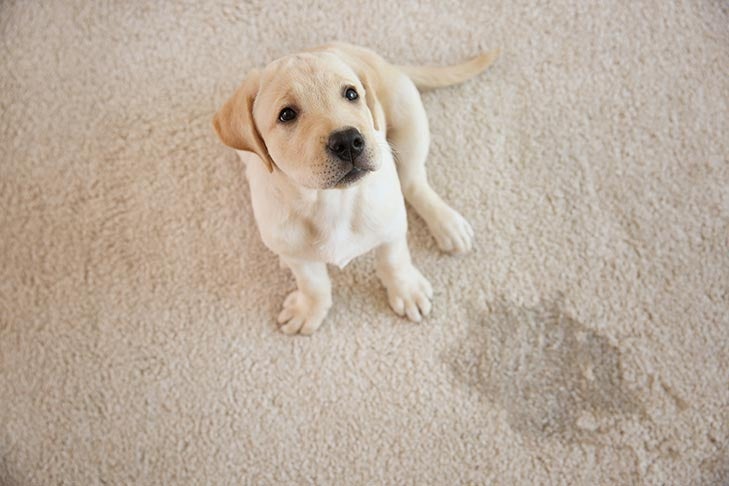
Image Source: www.akc.org
Pinpointing the Reasons for Carpet Accidents
Dogs do not usually pee inside on purpose to make you angry. There are real reasons behind dog inappropriate elimination. We need to look at the dog’s health first. Then, we look at training and feeling safe.
Medical Issues Leading to Accidents
A sudden indoor urination dog often points to a health problem. If your normally good dog starts peeing inside, call the vet right away.
Common Health Problems
Many health issues make a dog lose control of its bladder or make it need to go more often.
- Urinary Tract Infections (UTIs): These make the bladder irritated. The dog feels a constant need to pee, even if only a little comes out.
- Bladder Stones: These cause pain and block the flow of urine. This leads to leaks or accidents.
- Kidney Disease: This makes the dog drink much more water. More water means more pee, which can be too much for a dog to hold between potty breaks.
- Diabetes: Like kidney issues, diabetes causes heavy drinking and peeing.
- Senior Dog Changes: Older dogs might get weak muscles around the bladder or cognitive decline. They might forget where they should go.
When a dog squats low to the ground when peeing, often leading to puppy accidents on rug or adult accidents, it is a sign they are trying hard to empty a sore bladder. Note why dog squats on carpet—it could be pain forcing a quick release.
Training Gaps and Housebreaking Failures
If a medical cause is ruled out, the next area to check is training. Poor training leads to accidents.
Issues with Housebreaking Older Dog
It is harder, but not impossible, to fix housebreaking issues in an older dog. Sometimes, past habits are hard to break.
- Inconsistent Schedules: If you were not firm and regular when the dog was young, it learned that inside is okay sometimes.
- Lack of Supervision: If you let the dog wander unsupervised, it will find places to go, and the soft carpet is an easy target.
- Negative Reinforcement: Shouting or punishing a dog after an accident makes them scared of you. They may start sneaking off to pee where they think you won’t see them. This makes stopping dog from peeing indoors much harder.
Behavioral and Emotional Triggers
A dog’s feelings greatly affect where it decides to relieve itself. These are some of the major indoor dog urination causes.
Anxiety and Stress
Stress is a huge driver of indoor peeing. A dog under stress seeks safe, familiar spots to eliminate. Soft, absorbent carpets often feel like a safe place.
- Separation Anxiety: When left alone, the dog may panic and pee. It might pee right by the door they want to use to escape.
- New Household Changes: Moving homes, getting a new pet, or a change in the family schedule can cause stress-related accidents.
- Fear: Loud noises like thunder or fireworks can cause a dog to pee out of sheer fright.
Marking Behavior
Some dogs pee small amounts in specific spots, often upright against furniture, though some may squat. This is territorial marking.
- Intact Males: Unneutered males are more prone to marking.
- Feeling Threatened: If a new dog has been nearby or if there are strong smells from other animals outside, the dog may try to leave its scent inside.
Easy Steps for Fixing Carpet Accidents
Once you find the cause, you can apply the right solution. We need a three-part plan: medical checks, deep cleaning, and behavior modification.
Step 1: The Vet Visit
Always start here. Tell your vet when the accidents started and how often they happen. Be ready to give a fresh urine sample. Solving a health issue removes the problem quickly.
Step 2: Mastering the Clean-Up
If you do not clean the spot well, your dog will smell the old urine. They will think, “This is my toilet spot!” Strong cleaners are necessary for carpet stain removal dog urine.
Why Normal Cleaners Fail
Regular soap or bleach cleaners do not break down the uric acid crystals found in dog urine. These crystals hold the strong smell, even if you cannot smell them anymore. Your dog, with its powerful nose, definitely still smells them.
Using Enzymatic Cleaners
Enzymatic cleaners are vital for cleaning dog pee smell carpet.
- How they Work: These cleaners use special enzymes (tiny helpers) to eat up the organic matter in the urine. This stops the smell completely.
- How to Use Them:
- Blot up as much fresh urine as possible with paper towels. Press hard. Do not rub.
- Pour the enzymatic cleaner directly onto the stain. Make sure it soaks as deep as the urine soaked.
- Let it sit for the time listed on the bottle (usually 10–15 minutes, or longer for old stains).
- Blot the area dry. Let it air dry fully. Avoid having the dog go near the spot until it is completely dry.
Table 1: Cleaning Comparison for Dog Urine
| Cleaner Type | Effectiveness on Urine Smell | Safety for Carpet | Best For |
|---|---|---|---|
| Soap & Water | Low | Safe, but leaves residue | Surface dirt only |
| Bleach/Ammonia | Low (Ammonia smells like pee!) | Can ruin carpet color | Not recommended |
| Enzymatic Cleaner | High (Breaks down uric acid) | Generally Safe | All urine stains |
Step 3: Revisiting House Training
If the vet gives a clean bill of health, it is time to restart training. Treat your adult dog like a young puppy for a few weeks to reset expectations. This is key for stopping dog from peeing indoors.
Strict Supervision and Scheduling
For the next two weeks, your dog should not have free run of the house unless you are watching them every second.
- Frequent Trips Outside: Take your dog out much more often than you think necessary. For adult dogs, aim for every 1–2 hours, first thing in the morning, right after waking up from naps, immediately after eating or drinking, and right before bed.
- Leash Indoors: Keep your dog on a short leash attached to your belt while you are inside. This forces you to notice the signs they need to go. If they start sniffing low or circling, rush them outside.
- Reward Success: When they pee outside, praise them calmly and give them a high-value treat right away. Make going outside the best thing that happens all day.
Managing Indoor Access
While you are retraining, limit access to carpeted areas.
- Use baby gates to keep the dog in a kitchen or tiled area. This gives them fewer places to have an accident.
- If the dog is crate trained, use the crate when you cannot supervise them 100%. The crate should be just big enough for them to stand up, turn around, and lie down. Dogs naturally avoid soiling their sleeping area.
Dealing with Marking
If marking is the issue, neutering or spaying often stops the behavior completely for males and females. If the dog is already fixed, management is important.
- Clean all marking spots thoroughly with enzyme cleaner.
- Temporarily block access to spots the dog likes to mark, such as the corners of couches or the base of tables.
Step 4: Addressing Anxiety and Fear
If stress is the core issue, training alone will not work. You must address the dog’s feelings.
- Create a Safe Space: Provide a cozy den (like a crate or a specific bed) where the dog feels secure, especially when you are gone.
- Counter-Conditioning: For separation anxiety, practice short departures. Leave for one minute, come back calmly (no big fuss), and slowly increase the time. This teaches the dog that being alone is safe.
- Enrichment: Boredom often leads to anxiety and accidents. Provide puzzle toys, chew toys, or short training sessions to keep their minds busy when you are home but distracted.
Deciphering Body Language: Why Dogs Squat Low
Seeing why dog squats on carpet or elsewhere can give you clues about the cause. When a dog squats, it is their posture for urinating. But how low they squat and if they are tense matters.
- Normal Squat: Relaxed stance, tail held normally. This is just a dog going potty.
- Tense, Low Squat with Straining: This often shows pain or urgency. They might be pushing hard to get rid of a small amount of urine. This is a strong sign to visit the vet for UTIs or bladder stones.
- Submissive Urination Posture: A dog that squats very low, perhaps even rolling slightly, while wagging its tail nervously, might be peeing because they feel scared or guilty when greeted or scolded.
Special Situations: Puppy Accidents and Senior Dogs
Different life stages present unique challenges when dealing with peeing on carpets.
Handling Puppy Accidents on Rug
Puppy accidents on rug are common because their bladders are tiny and control is limited.
- Focus on Frequency: Puppies need to go out every 30 minutes to an hour when they are very young (under 12 weeks).
- Never Punish: A puppy cannot connect a past action with a current punishment. If you find a mess, just clean it up quietly. If you catch them in the act, interrupt with a clap and immediately rush them outside to finish.
Housebreaking Older Dog Issues
When older dogs start having accidents, it is often due to physical decline or confusion.
- Increased Needs: Older dogs often need to go out more frequently due to weaker bladders or kidney issues. Adjust your schedule to match their new needs.
- Cognitive Decline: Just like people, senior dogs can get confused. Keep their routine highly consistent. Use clear verbal cues for potty time. If the issue persists despite medical checks, they may need “diapers” for nighttime or full-time management indoors, combined with more frequent outdoor breaks.
Building a Routine for Success
Consistency is the bedrock of dog house training. Dogs thrive on knowing what comes next.
The Power of A Predictable Day
A predictable schedule reduces anxiety and manages bladder fullness perfectly.
- Wake Up: Potty break immediately.
- After Eating/Drinking: Potty break 5–15 minutes after.
- After Play/Training: Potty break.
- Before Naps/Crates: Potty break.
- Before Bed: Final long potty break.
Keep a small log for a week. Write down when the dog eats, drinks, plays, and eliminates. This lets you see patterns that help you predict accidents before they happen.
When Accidents Happen (And They Will)
If you find a puddle on the carpet, your reaction matters most for stopping dog from peeing indoors.
- Stay Calm: Do not yell, scold, or rub their nose in it. This only teaches them to hide accidents from you.
- Clean Thoroughly: Use your enzymatic cleaner immediately. If you cannot clean it right away, at least blot it up.
- If Caught in the Act: Make a sharp noise (like a clap) to interrupt them. Do not scare them. Immediately scoop them up or swiftly guide them outside on a leash to finish. Praise heavily if they finish outside.
Frequently Asked Questions (FAQ)
Can I train an adult dog to stop peeing on the carpet if they are already house trained?
Yes, you absolutely can train an adult dog to stop peeing on the carpet. Start by ruling out any medical causes with a veterinarian. Once health is confirmed, treat the situation like you are re-house training, focusing on strict supervision, frequent potty breaks, and positive reinforcement outside.
Why does my dog sometimes squat low on the carpet but pee normally outside?
If a dog seems to be struggling or squatting low indoors, but appears normal outside, it strongly suggests that the carpet itself is the target smell source. The scent marking from previous accidents indoors is powerful to the dog, encouraging them to release urine there instead of waiting for the outdoor spot. Intense enzymatic cleaning is crucial here.
What is the fastest way to clean old dog pee stains from a carpet?
The fastest and most effective way to deal with old stains is to use a high-quality enzymatic cleaner. Saturate the area deeply, let it sit for the recommended time (sometimes hours for very old stains), and then blot thoroughly. You might need to repeat this process several times for deeply set stains.
Is it possible my dog is peeing indoors out of spite?
No, dogs do not act out of spite or revenge. Behavior problems like peeing indoors stem from fear, anxiety, medical issues, or a lack of clear training rules. Punishing the dog for dog inappropriate elimination will only make them more anxious and secretive about where they go.