
Does my dog laying facing away from me mean they are upset or angry? No, your dog laying facing away from you does not automatically mean they are upset or angry. Often, this is just a normal part of their resting routine or how they seek comfort.
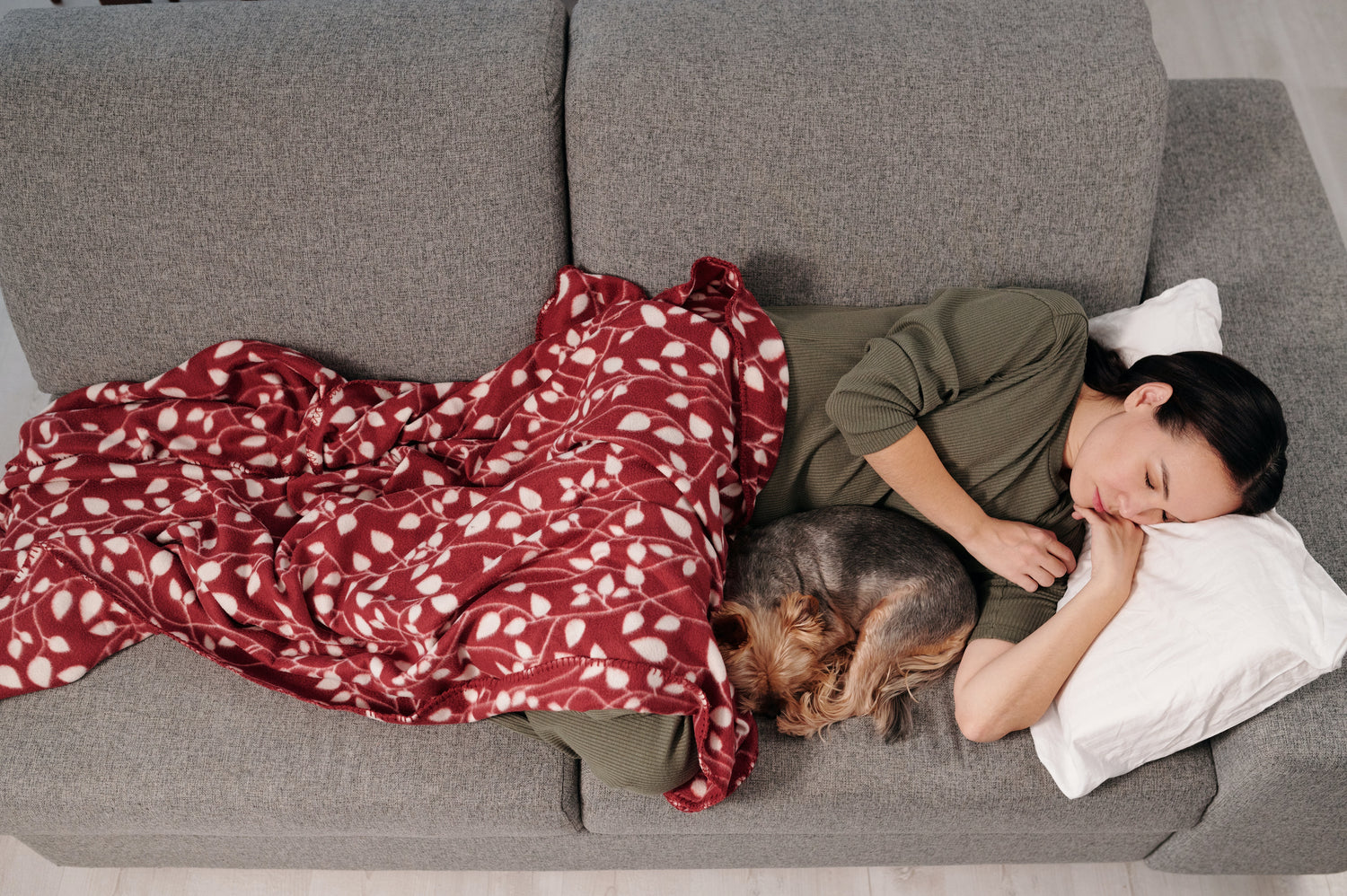
Image Source: www.naturalhound.co.nz
Fathoming Canine Body Language Facing Away
Dogs communicate a lot through their bodies. How they position themselves when resting tells us many things. Seeing your dog turn their back to you might seem odd at first. But there are simple, common reasons behind this dog sleeping position meaning. It is rarely a sign of anger. Instead, think about comfort, trust, and environment.
Basic Needs Driving Sleep Posture
Dogs, like people, choose spots and positions that feel best for them at that moment. These choices are often simple. They look for warmth, safety, or a cool spot.
Seeking Comfort and Temperature Control
One big reason is physical comfort. Dogs adjust their position to manage their body temperature.
- If the room is warm, your dog might stretch out with their belly up. They do this to let air cool their less hairy skin.
- If the room is cool, they might curl up tightly. This keeps their heat in.
If your dog turns away, they might just be aiming their body toward a draft they like, or away from a heat source like a lamp or sunbeam. This choice has nothing to do with you.
Environmental Awareness
Dogs are still wired to watch their surroundings. Even when asleep, they want to feel safe.
- If your dog is in a new place, they might face a wall or corner. This gives them protection from behind. They can see who enters the room.
- If they sleep near a door, they might face away from you but toward the door. This lets them hear or smell things happening outside their resting spot. This links closely to dog preferences in sleeping location.
Interpreting Dog’s Sleeping Posture: Trust and Security
The way a dog chooses to sleep near you reveals a lot about your bond. When a dog faces away, it can actually show deep trust. This seems backward, but it makes sense in dog logic.
The Power of the Vulnerable Back
When a dog sleeps with their back to you, they are showing they feel safe enough to ignore potential threats from that direction.
Why dog sleeps with back to owner is often about security. If they trust you completely, they know you are their lookout.
| Posture | Trust Level Indicated | Interpretation |
|---|---|---|
| Facing You | High, Seeking Connection | Wants closeness, seeking reassurance. |
| Facing Away | High, Feeling Secure | Trusts you to guard their vulnerable side. |
| Curled Up, Away | Moderate, Self-Protection | Prioritizing safety over direct contact. |
| Lying Flat, Exposed | Very High, Utter Relaxation | Feels completely safe in the area. |
When your dog sleeps with their back turned, they are saying, “I trust you to watch my back while I rest.” They do not need to keep you in their line of sight because you are already a known, safe quantity.
When Does Sleep Facing Away Indicate an Issue?
Most of the time, it is fine. But sometimes, canine body language facing away can signal a slight insecurity or a change in routine.
Signs of Dog Insecurity When Sleeping
If your dog only sleeps facing away, and seems tense or wakes up easily, you might see other signs of worry.
- Tense Muscles: They are not fully relaxed. Their body might look stiff even while resting.
- Ear Position: Ears might be slightly back or swiveling constantly, listening for sounds.
- Vocalizing: Soft whimpers or low growls while sleeping can show stress.
If you see these signs, the dog is choosing isolation for safety, not just comfort. They might feel the area is not secure enough for them to fully relax near you.
How Dog Ignores Me When Sleeping
It is common for owners to feel hurt if their dog seems to dog ignores me when sleeping. You might want cuddles, but your dog wants space.
This is usually not personal rejection. It is about optimizing sleep quality. Imagine trying to sleep while someone holds you tightly. You might shift away to get more comfortable, even if you love the person.
Dogs need REM sleep just like us. If your presence is too warm, too cramped, or too stimulating, they will move. Moving away is their way of solving the problem without causing conflict. They are prioritizing deep rest.
Deciphering Dog Sleeping Behavior Interpretation
To truly know why your dog faces away, look at the bigger picture of their behavior around you when awake.
Eye Contact and Resting
Dog avoiding owner eye contact while sleeping is natural—they are sleeping! But consider their awake behavior too.
- Awake Behavior: If your dog actively avoids your gaze when awake, looks away when you approach, or seems jumpy, then the sleeping posture might reinforce existing anxiety.
- Relaxed Behavior: If your dog happily greets you, leans on you, and looks to you for direction when awake, then sleeping facing away is purely about comfort or environmental preference.
The Role of Sleep Stage
A dog’s position changes based on how deeply they are sleeping.
- Dozing/Light Sleep: The dog is usually alert. They might face away to monitor the room but keep one ear cocked toward you.
- Deep Sleep (REM): The dog often sprawls out or curls up tightly. This is when they are least aware of surroundings. If they are facing away here, they are fully relaxed in that spot.
If your dog wakes up and immediately turns to face you, they were comfortable being away but respect your presence once alert.
The “Cool Down” Turn
Sometimes the turn is very quick. You are petting them, and they shift slightly so their back is toward you, maybe letting out a big sigh. This is often a signal that they are reaching maximum comfort or warmth level.
They are saying, “Thanks for the pets, I am getting sleepy now, and this is the best angle for my nap.” This is a very positive, albeit subtle, sign of contentment.
Exploring Dog Preferences in Sleeping Location
Where your dog chooses to sleep often dictates how they face. The location is key to dog sleeping behavior interpretation.
The Bed vs. The Floor
If your dog has a designated bed but chooses the floor next to it, they are telling you something about the bed itself.
- Maybe the bed is too hot.
- Maybe the bed is too soft or too small for stretching out fully.
- Maybe the floor offers a better view of the room entrance.
If they face away from you while sleeping on the floor, they are optimizing their position for that specific surface and view, not distancing themselves from you.
The “Den” Mentality
Many dogs prefer sleeping in confined spaces. This is an instinctual need for a den.
When sleeping in a den (like a crate or under a table), they will position themselves to best use that space. This often means facing the opening, which might mean facing away from you if you are standing behind them. They prioritize securing the entrance to their safe space.
Practical Steps for Owners
If you feel concerned about your dog facing away, try these simple checks to see if comfort or anxiety is the cause.
Assessing Environmental Factors
Check the immediate area around your dog when they are resting in this posture.
- Temperature Check: Place your hand near their body. Do they feel too warm? Try moving them to a cooler spot or offering a cooling mat.
- Noise Check: Are they facing away from a source of noise (like the ticking clock or the refrigerator hum)?
- View Check: Are they facing a wall or corner that offers a better sense of security from perceived intrusions (like the hallway)?
Offering Choices
Give your dog options for where to sleep near you. If they choose a spot facing away, let them have it without interruption.
If you want them closer, place a comfortable dog bed right next to your chair or bed. If they use it and face you, great. If they use it and face away, accept that this is their preferred rest spot. Do not force them into a cuddling position. Forcing contact can lead to mild resistance or avoidance later.
Positive Reinforcement
When your dog chooses to rest near you, even facing away, reward that choice when they wake up. A gentle scratch, a quiet “good dog,” or a favorite treat upon waking reinforces that being near you is rewarding, regardless of orientation.
This helps combat any feeling that dog ignores me when sleeping is a negative behavior to be corrected. It is just resting behavior.
Advanced Look at Dog Sleeping Position Meaning
For behavior experts, interpreting dog’s sleeping posture goes beyond just comfort; it touches on pack dynamics and social alignment.
Alignment with Pack Members
In a wolf pack or a multi-dog household, resting positions show relationships. Dogs often sleep aligned with the dominant or trusted members.
If your dog sleeps facing away, they might be aligning themselves with the perceived safest direction in the room, trusting the pack leader (you) to manage the direction they are ignoring (your location).
The “Snoozing Sentinel” Role
Sometimes, dogs will sleep facing away to maintain a watch over a territory they feel responsible for. This is common in loyal, protective breeds. They are taking shifts, in a way. One part of their brain is resting, while another part maintains a passive awareness of the environment behind them.
This is a very high level of responsibility they take on, and it is a sign of commitment to the household security.
Common Misinterpretations
Many owners jump to negative conclusions when their dog exhibits canine body language facing away. Here are some common fixes based on misreading the signs.
Myth 1: They Are Pouting
Dogs do not generally pout or hold grudges like humans. If your dog acted strangely after you left, they might be showing separation anxiety, but sleeping facing away is unlikely to be a continuation of that specific feeling. It is a physiological choice for rest.
Myth 2: They Are Rejecting Affection
As discussed, rejecting a cuddle while sleeping is about comfort management, not affection rejection. They love you, but they need an optimal sleep setup right now.
Myth 3: They Are Unhappy with Their Bed
While sometimes true, it is more often about the immediate micro-climate (heat/cool) or the view, rather than the quality of the bedding material itself. Check the temperature first.
Summary of Causes for Facing Away
Here is a quick summary list for why dog sleeps with back to owner or faces away while resting:
- Comfort: Seeking the best temperature or physical support.
- Security: Feeling safe enough to expose their vulnerable back to you.
- Environmental Awareness: Positioning for the best view of the room entrance or away from a draft.
- Deep Sleep: Needing uninterrupted time to achieve REM sleep without physical restraint.
- Habit: This is simply where they have always found the best nap spot.
If your dog shows no other signs of stress or withdrawal, and they are otherwise happy and engaged with you, then dog sleeping behavior interpretation points to a contented, trusting dog who has found the perfect resting spot.
Frequently Asked Questions (FAQ)
Q1: Should I wake my dog up if they are sleeping facing away from me?
A1: No, you should generally not wake a dog up from deep sleep unless there is an emergency. Waking them abruptly can startle them and potentially cause a negative reaction. If you need their attention, try calling their name softly or gently shuffling nearby until they naturally wake up.
Q2: Is it bad if my dog prefers to sleep in a separate room?
A2: It is not inherently bad. Many dogs prefer their own dedicated sleeping areas, especially if they are light sleepers or if the main sleeping area is too warm or active. As long as they are comfortable with you and seek you out during the day, separate sleeping locations are fine. This can be related to dog preferences in sleeping location.
Q3: How can I encourage my dog to sleep closer to me without forcing them?
A3: Create an appealing space right next to you. Use a high-quality, comfortable dog bed. When they choose to use that spot—even if they face away—give them quiet praise or a gentle, non-intrusive scratch on the head. Avoid climbing over them or forcing physical contact. Make your presence the comfort, not the constraint.
Q4: Do older dogs change their sleeping positions more often?
A4: Yes, older dogs often change positions more frequently due to joint stiffness or discomfort. If your dog is shifting a lot, it might be that facing away is simply the position that puts the least pressure on an aching joint. Consult your vet if excessive shifting seems painful.