
If your dog is shaking off often, it can mean many things. Sometimes it is just to get dry, like when your dog shakes water off. Other times, it might signal an ear infection, pain, or even a nervous reaction. If you see dog constant shaking head or notice dog excessive shaking that seems out of the ordinary, it’s important to look closer at the possible causes.
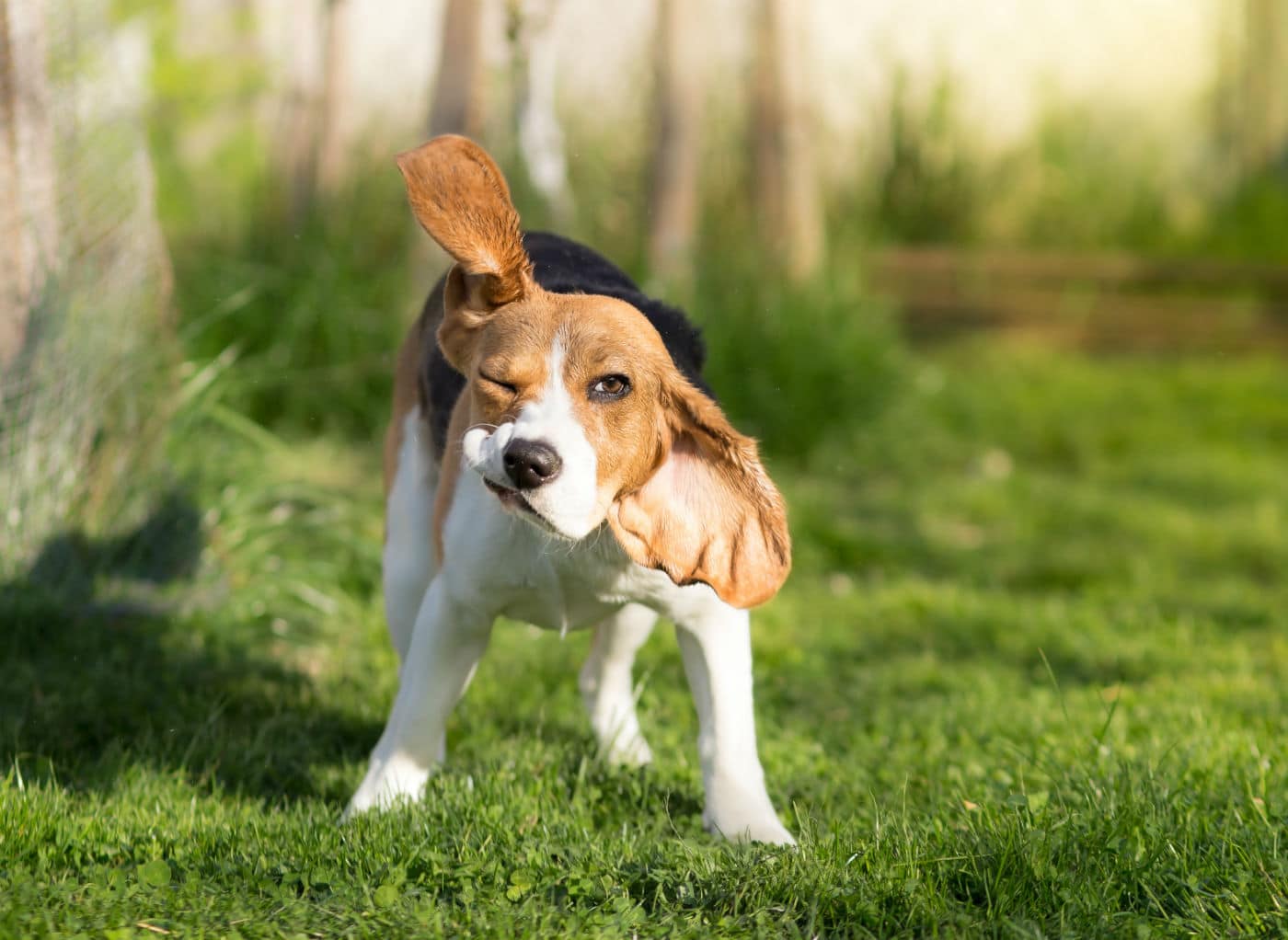
Image Source: www.thisdogslife.co
Simple Reasons for Canine Shaking
Many common reasons cause dogs to shake. These are usually easy to spot and fix. Think about what your dog did right before the shaking started.
Drying Off After Water Exposure
This is the most common reason. Dogs naturally shake when wet. This action flings water off their fur quickly. It helps them dry faster.
- They shake their whole body, not just their head.
- The shake is quick and powerful.
- This usually happens after a bath or swimming.
Post-Excitement or Play
Sometimes dogs shake when they get very happy or excited. This is often a release of energy. If your dog shakes whole body after a fun game, it is likely just a happy wiggle.
Temperature Regulation
Dogs can shake if they get too cold. This is similar to how humans shiver. They might also shake when they get too warm, though panting is more common for cooling down.
Health Issues Linked to Shaking
When shaking happens often or seems forceful, it often points to a health problem. Pay close attention if the shaking focuses on one area, like the head or ears.
Ear Problems and Head Shaking
Ear issues are a major cause of head movement and shaking. If you notice your dog constantly shaking head or dog ear shaking, check the ears right away.
Infections and Mites
Infections in the ear canal cause itchiness and pain. This leads to constant scratching and shaking.
- Yeast Infections: Often cause a dark, smelly discharge.
- Bacterial Infections: May cause redness and pain when touched.
- Ear Mites: These tiny bugs cause intense itching, leading to shaking.
If you see dog head shaking constantly, especially if it’s only one side, an ear issue is very likely.
Foreign Objects
Sometimes, grass seeds, ticks, or small bits of debris get stuck in the ear canal. This causes sudden irritation and intense dog head shaking constantly. Your dog will try hard to get the object out.
Itchiness and Skin Reactions
When a dog is itchy and shaking, the skin is usually the problem. Shaking can be a response to an itch, or it can be a reaction to generalized discomfort.
Allergies
Allergies are a very common cause of dog discomfort. They can be food-related or environmental.
- Environmental Allergies (Atopy): Pollen, dust mites, or mold make the skin itchy.
- Food Allergies: Reactions to proteins like chicken or beef cause skin irritation.
The constant itching often leads to frantic scratching and shaking motions.
Fleas and Parasites
Flea bites cause intense localized itching. Even one bite can make a sensitive dog shake or bite at the area. Regular flea control is key to stopping this type of shaking.
Pain and Discomfort
Shaking can be a sign that your dog is hurting somewhere. This type of shaking might look different from a “drying off” shake. It might look like trembling or shivering.
Musculoskeletal Pain
If your dog has arthritis or a pulled muscle, they might shake the affected limb or their whole body when moving. This is especially true if you notice dog tremors shaking when trying to stand up.
Internal Pain
Pain inside the body, like kidney stones or stomach upset, can cause a dog to tremble or shake. They might look restless and unwilling to settle down.
Neurological Issues
In some cases, shaking relates to the nervous system. These causes are usually more serious and require immediate vet care.
Seizures
Seizures involve uncontrolled muscle activity. They can manifest as full-body shaking or trembling. These episodes are often sudden. If your dog has dog sudden shaking episodes that they cannot stop, it needs urgent attention.
Idiopathic Tremor Syndrome
This is a condition where a dog shakes for no clear reason. It often affects small breeds. The shaking can be mild or severe. A vet needs to diagnose this condition.
Investigating Shaking That Happens After Drinking
You mentioned seeing dog shaking after drinking. This specific behavior needs careful examination.
Water Ingestion and Behavior
If your dog drinks a lot of water quickly, they might shake to settle their stomach or because they feel bloated. This is usually mild and brief.
Underlying Issues Related to Thirst
If your dog is drinking excessively and then shaking, it could point to an underlying medical problem causing excessive thirst (polydipsia).
- Kidney Disease: Kidneys might not concentrate urine well, making the dog drink more.
- Diabetes: High blood sugar leads to increased thirst.
- Cushing’s Disease: This hormonal disorder often increases thirst and can cause generalized weakness or shaking.
If the excessive drinking and subsequent shaking continue, a veterinary check-up is essential.
Locating the Source of the Shaking
To help your vet, observe where and when the shaking happens. Is it generalized, or focused?
Head and Neck Shaking
When the head is the main focus, think ears, teeth, or neck pain.
| Area Affected | Likely Cause | Key Signs to Look For |
|---|---|---|
| Head Only | Ear infection, foreign object, dental pain | Head tilt, rubbing ears on the floor, bad breath. |
| Neck Area | Spinal discomfort, nerve irritation | Reluctance to look up or down, stiffness when walking. |
Whole Body Shaking
When the dog shakes whole body, it is often related to temperature, excitement, or generalized illness.
- Shivering/Trembling: Could mean fear, cold, or internal pain.
- Vigorous Shaking: Often related to drying off or extreme excitement.
If you see dog tremors shaking when the dog is resting and warm, call the vet quickly.
Limb Shaking
If only a leg or a set of legs shakes, it suggests joint pain or muscle weakness. This is common in older dogs with arthritis.
Fathoming the Role of Anxiety and Fear
Sometimes, shaking is not physical but emotional. Fear and anxiety trigger the “fight or flight” response in dogs. This response causes adrenaline release, which can manifest as trembling or shaking.
Separation Anxiety
Dogs with separation anxiety might shake or tremble right before you leave or while you are gone. They may also pace or drool excessively.
Loud Noises and Phobias
Thunderstorms, fireworks, or even traffic noise can cause intense fear. During these events, you might see severe dog sudden shaking episodes. The dog seeks comfort and tries to self-soothe through shaking.
Generalized Anxiety
Some dogs are simply nervous by nature. They shake when meeting new people or visiting new places. This is a sign of stress.
When to See the Veterinarian Immediately
While some shaking is minor, some types signal an emergency. Knowing the difference is crucial for your dog’s safety.
Emergency Indicators
Contact your vet or an emergency clinic right away if the shaking is accompanied by any of these signs:
- Collapse or Inability to Stand: Suggests severe weakness or neurological crisis.
- Uncontrollable Shaking: If the dog excessive shaking lasts more than a few minutes and the dog cannot stop.
- Pain Signs: Excessive whining, crying out when touched, or refusal to move.
- Breathing Changes: Rapid, shallow breathing accompanying the shaking.
- Vomiting or Diarrhea: Especially if it happens alongside the shaking.
If your observation confirms dog itchy and shaking with skin breakdown, a prompt vet visit is needed to treat the underlying allergy or infection before it worsens.
Diagnostic Tools Vets Use
When you take your dog in for shaking, the vet will use several tools to find the cause.
Physical Exam Focus
The vet will pay special attention to the areas you highlighted.
- Ear Swabs: To check for yeast, bacteria, or mites if you suspect dog ear shaking.
- Skin Scrapes: To look for parasites on the skin if you noted dog itchy and shaking.
- Palpation: Feeling the muscles and joints for pain or swelling.
Advanced Testing
Depending on the findings, further tests may be needed to fully explain why your dog keeps shaking off or trembling.
| Test Type | Purpose | When It Might Be Used |
|---|---|---|
| Blood Work | To check organ function (kidneys, liver) and look for infection or hormonal imbalances. | If dog shaking after drinking excessively is a pattern, or if tremors suggest systemic illness. |
| X-rays | To look at bones, joints, and check for fluid in the chest or abdomen. | If pain or arthritis is suspected as the cause of shaking. |
| Neurological Exam | To test reflexes, balance, and brain function. | If dog sudden shaking episodes suggest a seizure or nerve issue. |
Management and Home Care Tips
Once you have a diagnosis, you can manage the shaking effectively. Home care plays a big role in recovery and prevention.
Managing Ear Shaking
If the diagnosis is an ear infection, treatment compliance is vital.
- Use Medication Exactly as Directed: Ear drops must go deep into the canal for the full course, even if the shaking stops early.
- Keep Ears Dry: After swimming or bathing, gently dry the outer ear flap and use cotton balls to block water entry during rinsing.
- Regular Cleaning: Use vet-approved ear cleaners to prevent buildup that encourages infection.
Controlling Itch and Discomfort
For dogs that are itchy and shaking due to allergies:
- Dietary Changes: Switching to a limited-ingredient or novel protein diet, as advised by your vet.
- Medication: Using prescribed antihistamines, steroids, or newer injectable allergy treatments.
- Environmental Control: Washing bedding frequently and using HEPA filters to reduce airborne allergens.
Reducing Anxiety-Related Shaking
If the shaking stems from fear or stress:
- Safe Space: Provide a quiet crate or room where the dog can retreat during storms or stressful times.
- Desensitization: Slowly expose the dog to low levels of the trigger (like recorded thunder) while rewarding calm behavior.
- Calming Aids: Discuss pheromone diffusers or anti-anxiety medications with your veterinarian.
Hydration Check
If you are concerned about dog shaking after drinking, monitor water intake closely. Ensure your dog is not gulping water too fast. Some owners use puzzle feeders for water, allowing slow, steady sips rather than large gulps.
Distinguishing Tremors from Normal Shaking
It is important to know the difference between a voluntary shake (like drying off) and an involuntary tremor (shaking caused by a medical issue).
Normal Shake (Voluntary):
- The dog controls the movement.
- It usually happens after a clear trigger (water, play).
- The whole body is involved in a wave-like motion.
Tremor (Involuntary):
- The dog cannot stop the shaking.
- It often happens when resting or still.
- It might affect only specific muscle groups (like the face or limbs).
- Often associated with chills, weakness, or fear.
If you capture a video of the dog tremors shaking, show it to your vet. It provides invaluable diagnostic information.
Conclusion: Persistent Shaking Needs Attention
A dog that keeps shaking off, especially when the shaking seems out of context or painful, deserves investigation. While a wet dog shaking is normal, chronic shaking—whether it is dog constant shaking head, generalized trembling, or brief dog sudden shaking episodes—is your pet’s way of signaling that something is wrong. Early detection of ear issues, pain, or underlying systemic disease leads to faster relief for your companion. Always prioritize a veterinary consultation when shaking becomes frequent or severe.
Frequently Asked Questions (FAQ) About Dog Shaking
Why does my dog shake its whole body vigorously after a bath?
This is perfectly normal behavior. Dogs shake to rapidly shed water from their coats. Their fur is designed to retain water, so the violent shake moves water out due to physics, drying them much faster than air drying.
Can stress cause my dog to shake?
Yes, stress, anxiety, and fear are very common causes of shaking or trembling in dogs. This is an adrenaline response to perceived danger or nervousness.
Is it bad if my dog has dog ear shaking once in a while?
Occasional dog ear shaking might just mean something tickled the ear. However, if it happens several times a day, or if the dog scratches or rubs the ear, it suggests an underlying issue like mites or an infection that needs vet attention.
What does it mean if my dog has dog tremors shaking while sleeping?
Mild, subtle twitching during sleep is often part of dreaming. However, strong, visible tremors while resting or awake usually signal a medical issue, such as low blood sugar, pain, or neurological trouble. You should contact your vet if the tremors are pronounced.
How often should I worry about my dog being itchy and shaking?
If you notice your dog is itchy and shaking daily, you should schedule a check-up. Persistent itching usually points to allergies, parasites, or a skin infection that needs targeted treatment to stop the discomfort.