
If your dog is licking his butthole a lot, it usually means there is an itch, pain, or some other problem back there. This common issue can be caused by many things, ranging from simple irritation to serious medical conditions.
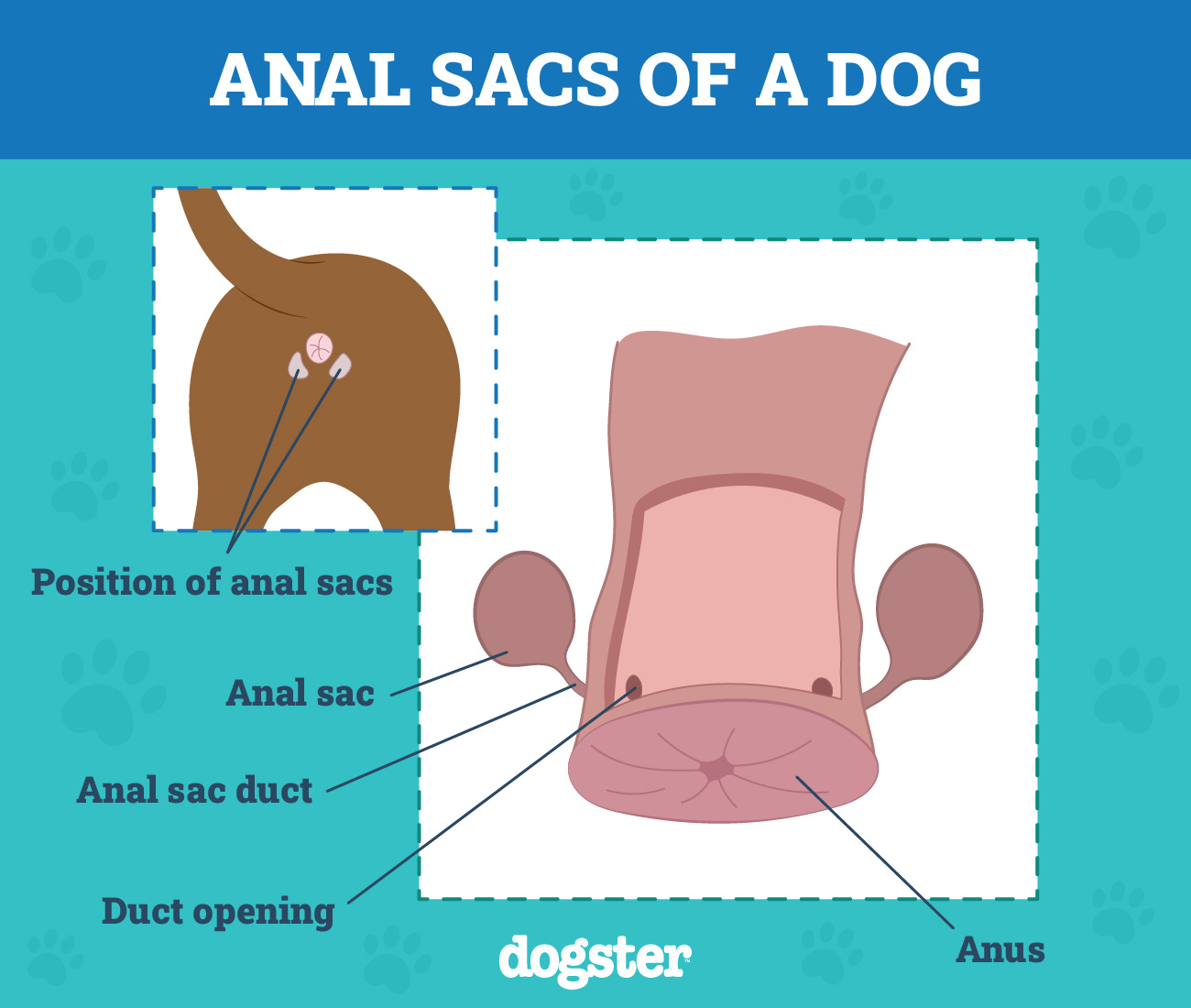
Image Source: www.dogster.com
Exploring Common Reasons for Excessive Rear End Licking
When a dog shows excessive licking rear end dog behaviors, owners often worry. It is important to look closely at what might be causing this. The reasons are varied, and finding the root cause helps treat the issue correctly.
Issues Related to Anal Glands
One of the most frequent culprits behind a dog licking his behind is problems with the anal glands. These two small sacs sit inside the rectum, one on each side. They hold a smelly fluid that dogs release when they feel scared or when they poop.
Anal Gland Problems in Dogs
Anal gland problems in dogs are a major source of discomfort. Sometimes these glands do not empty normally. This leads to a backup, which can cause pain and intense itching. This is often referred to as canine anal sac impaction.
If the glands are impacted, the dog feels a strong urge to relieve the pressure. They might lick the area constantly. If the impaction is ignored, the glands can become infected and turn into an abscess. This is very painful and requires immediate vet care. Watch for signs like scooting, scooting, or redness around the tail base.
Recognizing Anal Gland Symptoms
How do you know if the anal glands are the main issue? Look for these signs:
- Dog scooting behavior: Dragging the rear end on the floor or carpet.
- Licking or biting the area more than usual.
- Foul odor coming from the rear.
- Difficulty pooping or straining.
- Swelling or redness near the anus.
If you see dog scooting on carpet, try to interrupt the behavior gently. Persistent scooting is a big clue pointing toward anal gland trouble.
Dietary and Allergy Triggers
What your dog eats can greatly affect his skin health, including the skin around the anus. Food allergies or sensitivities often show up as skin problems all over the body, but they can target the rear end specifically.
Food Sensitivities
Some dogs are sensitive to proteins like chicken or beef. They might also react to grains or preservatives in their food. This sensitivity causes general itching, and the dog may focus his scratching and licking on the rear area. If you suspect food is the cause, talk to your vet about an elimination diet trial. This helps pinpoint the exact trigger.
Environmental Allergies (Atopy)
Just like humans, dogs can have allergies to things in the air. Pollen, dust mites, and mold cause itchy skin, a condition called atopy. When this happens, the dog chews and licks wherever the itch is worst. For many dogs, this often means the paws, belly, or rear end. This leads to dog licking anus frequently as they try to soothe the irritation.
Parasites and Infections
Tiny invaders can cause huge amounts of itchiness. Parasites are a common reason for why is my dog licking his rectum.
Fleas and Worms
Fleas are notorious skin irritants. Even if you use preventatives, a few fleas can cause intense localized reactions in sensitive dogs. Similarly, certain intestinal worms, like tapeworms, cause irritation near the anus as the worm segments pass out. The dog feels a crawling sensation and licks to investigate.
Yeast and Bacterial Infections
The area around the dog’s rear end stays warm and moist. This makes it a perfect breeding ground for yeast and bacteria, especially if the dog has made the skin raw from licking.
- Yeast infections smell sweet or musty.
- Bacterial infections often look red, inflamed, or even weeping.
These infections cause intense itching, leading to more licking and a vicious cycle of irritation. Treating the underlying cause (like allergies) and the secondary infection is key.
Skin and Structural Issues
Sometimes the problem is physical or structural, not just an itch.
Skin Irritation or Injury
If your dog recently had a bath with a harsh shampoo, the skin might be dry and itchy. Minor scrapes or even sitting on something irritating can cause temporary discomfort. If the licking is new and sudden, think about recent changes in the environment or activity.
Tumors or Growths
Though less common, growths or masses near the anus can cause pain or irritation that makes the dog lick. Older dogs are slightly more prone to this. Any firm lump or persistent sore that doesn’t heal needs veterinary attention right away.
Constipation or Diarrhea
Changes in stool consistency can irritate the anal glands or the skin directly.
- Constipation makes passing stool hard. The dog strains, which can push out the anal glands, causing discomfort.
- Diarrhea soils the fur around the area, leading to wetness and irritation that prompts licking.
Deciphering the Licking Behavior: When to Worry
Not all licking needs panic, but some behaviors signal a serious problem. When to worry about dog licking butt is when the licking becomes obsessive or causes visible damage.
Self-Trauma and Obsession
If your dog is licking so much that the skin becomes raw, bald, or bleeding, this is called self-trauma. This level of licking goes beyond simple irritation. It indicates severe discomfort or a compulsive behavior. If you see open sores, call your vet right away.
Scooting as a Red Flag
While a single instance of dog scooting on carpet might be nothing, frequent scooting is a major sign of pain or blockage. It is the dog’s way of trying to relieve pressure from full anal glands or a painful rear end.
| Behavior Severity | Potential Issue | Action Needed |
|---|---|---|
| Mild, occasional licking | Minor irritation, dry skin, solved with a good clean. | Observe for 24 hours. |
| Frequent licking, restlessness | Early anal gland issue, mild allergy flare-up. | Schedule a vet check soon. |
| Constant licking, scooting, redness | Impacted/infected anal glands, severe allergy, or infection. | See vet immediately. |
| Licking causing raw skin/bleeding | Self-trauma, severe pain. | Emergency vet visit recommended. |
Solutions and Remedies for Dog Butt Licking
Addressing dog anal irritation remedies requires a systematic approach based on the diagnosis. Treatment is rarely one-size-fits-all.
Veterinary Interventions for Anal Glands
If anal gland issues are diagnosed, your vet will handle the treatment.
Manual Expression
The vet will check the glands and manually express (empty) them if they are impacted. This often brings immediate relief to the dog. If the glands are already infected, the vet may need to flush them out or prescribe antibiotics.
Dietary Changes to Aid Glands
A long-term solution for recurring anal gland issues often involves diet. Adding fiber to the dog’s food helps bulk up the stool. Firm, well-formed poop naturally puts pressure on the glands, helping them empty regularly. Good sources of fiber include canned pumpkin (plain, not pie filling) or veterinarian-recommended fiber supplements.
Managing Allergies Through Medication and Diet
If allergies are the root of the excessive licking rear end dog problem, treatment focuses on controlling the immune response.
- Medications: Your vet might prescribe antihistamines, steroids, or newer allergy medications (like Apoquel or Cytopoint injections) to reduce the overall itchiness.
- Dietary Management: Switching to a novel protein or hydrolyzed protein diet can help rule out food allergies. This process takes time, often 8 to 12 weeks, to see true results.
Topical Treatments and Hygiene
Good hygiene keeps the area clean and reduces the chance of secondary infections.
Gentle Cleaning
If the area gets messy after bowel movements, gently clean it with warm water or hypoallergenic, unscented pet wipes. Avoid harsh soaps that dry out the skin.
Soothing Topicals
For minor irritation, your vet might recommend a topical spray or cream containing soothing ingredients like oatmeal or a mild steroid to calm the inflammation temporarily. Do not put human medications on your dog without veterinary approval, as some ingredients are toxic to dogs.
Controlling Parasites
Ensure your dog is on a high-quality, broad-spectrum parasite prevention plan year-round. This covers fleas, ticks, and intestinal worms, eliminating parasites as a cause for dog licking anus frequently.
Comprehending the Link Between Licking and Anxiety
Sometimes, the reason why is my dog licking his rectum so much is behavioral, not physical. This is especially true if all medical causes have been ruled out.
Compulsive Licking (Acral Lick Dermatitis)
In some cases, licking becomes a displacement behavior or a compulsive habit, similar to how a person might bite their nails. This often starts due to an initial physical irritation, but once the irritation heals, the licking continues out of habit. This can lead to lick granulomas, which are thick, raised sores on the skin.
Stress and Boredom
Dogs that are bored, anxious, or lonely may redirect their stress into physical behaviors like excessive licking. If your dog spends hours alone, or if there has been a recent change in the household routine, stress could be fueling the behavior.
Treating behavioral licking requires:
- Rule out medical causes first.
- Increase mental stimulation: More walks, puzzle toys, training sessions.
- Address anxiety: This may involve behavior modification training or anti-anxiety medication prescribed by your vet.
Grooming and Posture Considerations
The physical shape and grooming of your dog can play a role in rear-end hygiene and comfort.
Breed Predisposition
Some breeds, particularly those with very dense coats or dogs that have had their anal glands surgically removed (though rare), might have more issues keeping the area clean. Long-haired breeds need regular sanitary trims around the tail area to prevent feces or moisture from lingering, which causes irritation.
Weight Management
Overweight dogs often have skin folds near their rear end. These folds trap moisture and heat, making the area prone to yeast or bacterial growth. Maintaining a healthy weight improves air circulation and hygiene around the entire body, helping to reduce itching that leads to excessive licking rear end dog episodes.
Deciphering When to Seek Professional Help
While mild licking might resolve on its own, certain signs demand a trip to the veterinarian promptly. Knowing the red flags saves your dog unnecessary pain and prevents minor issues from becoming major infections.
If you notice any of the following, make an appointment right away:
- The licking lasts more than a couple of days without improvement.
- The skin looks broken, bleeding, or weeping.
- The dog appears visibly distressed or cannot sleep due to the urge to lick.
- You see pus or notice a very foul smell accompanying the licking.
- The dog is straining to pass stool or seems constipated.
Veterinarians use thorough physical exams, often involving a digital rectal examination to check the anal glands, to find the precise cause of the irritation. Sometimes, gentle sedation is needed if the dog is in too much pain to be examined properly.
Fathoming the Long-Term Management
Managing chronic licking often means managing the underlying chronic condition, like allergies. It is a commitment.
Long-term success relies on consistent application of the treatment plan established with your vet. This might mean:
- Daily fiber supplementation for firm stools.
- Year-round allergy management.
- Regular, scheduled anal gland checks (sometimes every 4–8 weeks) to preempt impaction.
Consistency prevents the return of the cycle of irritation, licking, and potential secondary infections. Addressing dog anal irritation remedies systematically ensures your dog stays comfortable long after the initial problem is solved.
Frequently Asked Questions (FAQ)
Can I express my dog’s anal glands myself?
While some experienced owners learn to do this at home, it is generally best left to a veterinarian or groomer trained in safe technique. Improper expression can push the gland material deeper or cause severe pain if the gland is already infected or impacted severely.
How long does it take for the licking to stop after treatment?
If the cause was an impacted anal gland, relief is usually immediate after proper expression. If the cause is allergies or infection, it might take several days to a few weeks for the inflammation to fully resolve and for the licking to cease completely.
Is licking the butt a sign of sexual frustration in dogs?
No. While dogs may lick themselves after mating or in certain situations, constant, obsessive licking of the rear end is almost always related to physical irritation, pain, or underlying medical conditions, not sexual behavior.
Should I shave the hair around my dog’s anus if he keeps licking?
If your dog has long hair, a sanitary trim can greatly improve hygiene and reduce moisture buildup, which helps prevent irritation. However, do this carefully or have a professional groomer do it, as the skin in that area is very sensitive. This is a great preventative measure, especially for breeds prone to scooting.