
Dog poop smells bad because of the breakdown of food waste in the dog’s digestive system. This breakdown creates smelly gases and compounds like sulfur, ammonia, and various volatile organic compounds (VOCs).
The smell of your dog’s waste is a topic most pet owners would rather not discuss, but it is a very real and often pungent part of caring for a canine companion. Why is dog feces odor so notoriously strong? The answer lies deep within the complex world of canine digestion, diet, and gut health. Fathoming the canine stool smell involves looking at what goes in and how the body processes it.
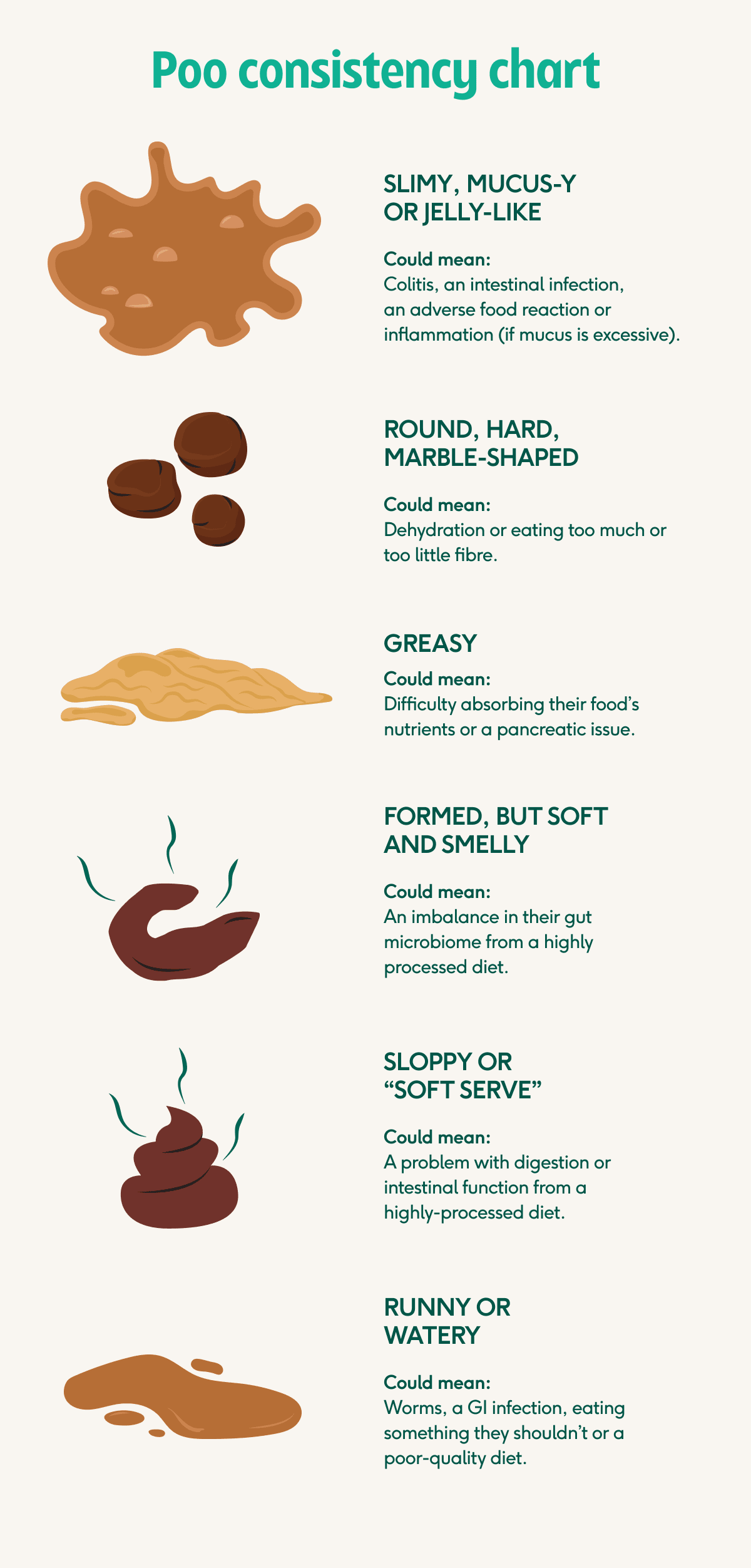
Image Source: res.cloudinary.com
Deciphering the Basic Chemistry of Stool Odor
Every piece of poop, whether human or animal, has a smell. This smell comes from the bacteria doing their job in the large intestine. In dogs, this process is often highly active, leading to the reasons for strong dog poop smell.
Bacterial Action and Gas Production
The colon is full of helpful bacteria. These tiny helpers break down food your dog cannot digest, like fiber and some proteins. When they eat, they produce waste gases as a byproduct.
- Indoles and Skatoles: These compounds are formed when gut bacteria break down the amino acid tryptophan. They are famous for causing that characteristic, foul fecal odor.
- Sulfur Compounds: Hydrogen sulfide, the gas that smells like rotten eggs, is a major culprit. It comes from breaking down sulfur-containing proteins.
- Ammonia: This sharp, biting smell often results from protein breakdown that isn’t fully absorbed.
The speed at which food moves through a dog’s system also plays a big role. If food stays too long, bacteria have more time to ferment it, making the smell worse.
Diet Impact on Dog Poop Odor: What Goes In Matters
One of the biggest factors in the intensity of smelly dog waste causes is what you feed your dog. A dog’s diet directly shapes the contents, bacteria levels, and speed of its digestion.
Protein Content and Quality
Dogs are carnivores, meaning their diet should be heavy in meat protein. However, the type and quality of that protein are crucial for smell.
- High, Poor-Quality Protein: If a dog eats too much protein, or protein sources that are hard to digest (like low-grade meat meals), the excess goes into the colon undigested. Bacteria feast on this, leading to higher levels of smelly byproducts like ammonia and sulfur compounds. This significantly increases the pungent dog excrement causes.
- Digestibility Matters: High-quality protein sources are broken down well in the small intestine. Less reaches the colon to cause trouble. Poorly digestible protein means more fuel for smelly bacteria.
Fats and Carbohydrates
While protein gets most of the attention, other macronutrients contribute to the odor profile.
- Excess Fat: Too much fat can speed up digestion or cause diarrhea. Rapid transit means less time for proper nutrient absorption, leading to more waste matter for bacteria to process and thus a stronger smell. High fat can also make the stool greasy, which changes how it breaks down externally.
- Certain Carbohydrates: Some starches and fibers are not fully digested. They ferment in the colon, producing different types of gases, sometimes adding a sour or overly yeasty note to the canine stool smell.
Table 1: Diet Factors and Smell Association
| Dietary Factor | Effect on Digestion | Resulting Odor Change |
|---|---|---|
| Low-Quality Protein | Increased undigested matter | Stronger ammonia, sulfur |
| High Fat Intake | Faster transit or malabsorption | Greasy stool, potentially foul odor |
| Insufficient Fiber | Poor stool formation, slow transit | Odor trapped longer, intensified smell |
| Food Sensitivities | Inflammation, maldigestion | Often results in very soft, smelly stool |
Intestinal Health and Dog Poop Smell: A Window Inside
The state of your dog’s gut flora is key to managing waste odor. Intestinal health and dog poop smell are directly linked. A balanced gut equals less smell.
The Microbiome Balance
The gut microbiome is a thriving community of trillions of microorganisms. A healthy dog has a good balance between beneficial and potentially harmful bacteria.
- Dysbiosis: This is an imbalance where bad bacteria outweigh the good ones. Dysbiosis often happens after illness, antibiotic use, or a sudden diet change. This imbalance leads to excessive fermentation and the creation of more foul-smelling compounds.
- Gut Transit Time: If food moves too slowly (constipation) or too quickly (diarrhea), the microbial breakdown process is disrupted, often leading to worse smells. Slow transit gives bacteria ample time to “overcook” the waste.
Inflammation and Absorption Issues
When the gut lining is inflamed (perhaps from allergies or an underlying illness), the dog cannot absorb nutrients properly.
- Maldigestion: Poor absorption means more nutrients end up in the feces. This provides more food for the bacteria, spiking the production of smelly gases. Analyzing foul-smelling dog stool often points toward maldigestion issues.
When Is Dog Poop Smell a Concern? Recognizing Red Flags
While a normal dog poop smell is unpleasant, a sudden, dramatic change or an extremely foul odor can signal health problems. Knowing when is dog poop smell a concern is vital for proactive pet care.
Warning Signs Associated with Extreme Odor
If the smell is overwhelmingly bad, sharp, or accompanied by other symptoms, you should consult your veterinarian promptly.
- Sudden, Intense Foulness: A sudden shift to a powerfully rotten or unusually acidic smell often points to an acute digestive upset or infection.
- Diarrhea or Vomiting: Any drastic change in stool consistency paired with extreme odor is a major concern.
- Blood or Mucus: If you see bright red blood, dark, tarry stool, or excessive clear slime, the odor is secondary to a serious gut issue.
- Lethargy or Loss of Appetite: If the dog seems unwell along with the bad stool, seek immediate care.
Specific Odor Red Flags
Different odors can hint at different underlying issues:
- Very Sweet or Fruity Smell: Can sometimes indicate uncontrolled diabetes, as the body processes excess sugar.
- Acrid/Acidic Smell: Often linked to rapid fermentation due to carbohydrate overload or malabsorption.
- Foul, Pungent, and Rotten: While normal to some extent, if this is extreme, it can mean parasites or a severe bacterial overgrowth.
The Role of Breed, Age, and Medications
Not every smelly stool is purely diet-related. Other factors influence the pungent dog excrement causes.
Age-Related Changes
Puppies and senior dogs often have different stool profiles simply because their systems are less robust or changing.
- Puppies: Their developing digestive systems are highly sensitive. They are more prone to parasites, which drastically increase stool odor.
- Seniors: Older dogs may produce less stomach acid and fewer digestive enzymes. This leads to incomplete digestion, meaning more undigested food reaches the colon, resulting in a stronger smell.
Medications and Supplements
Certain treatments can temporarily alter the smell of feces.
- Antibiotics: These drugs wipe out bad bacteria, but they also kill the good bacteria. This temporary gut imbalance (dysbiosis) often results in noticeably smellier stool for a short time until the flora rebalances.
- Dewormers: Killing off a heavy parasite load can cause a sudden surge of smelly waste products to be expelled.
Mitigating Bad Dog Poop Odor: Practical Solutions
If the smell is persistent but your dog is otherwise healthy, focusing on improving digestion is the best path toward mitigating bad dog poop odor.
Enhancing Dietary Quality
The foundation of less smelly poop is better digestion.
- Choose High-Quality Protein: Look for dog foods where the first few ingredients are named meat sources (e.g., “Chicken,” “Salmon”), not vague terms like “meat by-product meal.”
- Ensure Proper Fat Levels: Extremely high-fat diets are harder for some dogs to process and can lead to offensive smells. Stick to recommended fat levels for your dog’s life stage.
- Introduce Probiotics: Adding a canine-specific probiotic supplement can help restore a balanced, healthy gut microbiome. This naturally reduces the population of odor-producing bacteria.
- Use Prebiotics: These are fibers that feed the good bacteria already present. Ingredients like chicory root or certain types of vegetable pulp can support a healthy environment.
When to Talk to Your Vet About Stool Odor
If diet tweaks do not help, or if you suspect an underlying issue, professional evaluation is necessary. Your vet will likely ask detailed questions to help with analyzing foul-smelling dog stool.
What a Vet Will Assess:
- Frequency and consistency changes.
- Recent changes in food or environment.
- The presence of gas or excessive straining.
- A fecal test to check for parasites or unusual bacteria.
Frequently Asked Questions (FAQ)
Can I feed my dog human food to reduce poop smell?
Generally, no. Human foods, especially rich or processed items, are the most common cause of a sudden, very bad dog feces odor. Stick to high-quality dog food unless specifically directed by your vet to introduce novel proteins or bland diets temporarily.
Does brushing my dog’s teeth affect poop smell?
While oral health is important, it does not directly cause or solve the smell of feces. Poor oral health leads to bad breath, but the waste smell originates in the gut.
What is the best way to clean up smelly dog waste outdoors?
Speed is key. The longer the waste sits, the more volatile compounds are released. Use biodegradable bags and dispose of the waste immediately in a sealed outdoor bin. For patios or decking, a mixture of vinegar and water can help neutralize some of the residual odor compounds.
Why does my dog’s poop smell like metal?
A metallic smell can sometimes indicate the presence of blood that has been partially digested higher up in the GI tract (digested blood looks dark, like coffee grounds). This warrants immediate veterinary attention.
Are certain dog breeds known for smellier poop?
No specific breed is inherently known for smellier poop. However, breeds prone to food sensitivities or sensitive stomachs (like many smaller breeds or purebreds with specific genetic predispositions) may experience more frequent digestive upset, leading to stronger odors. The cause is almost always digestive, not breed-specific.