
Your dog chews on your feet for several main reasons. It might be because they are teething, seeking attention, exploring the world, feeling anxious, or simply playing.
Dogs chewing on feet is a common, sometimes frustrating, behavior that almost every dog owner experiences at some point. Whether it is gentle mouthing or persistent nipping, this behavior can range from cute to quite painful. To address it effectively, we need to look closely at what drives this action. Grasping the root cause is the first step toward managing excessive dog chewing behavior.
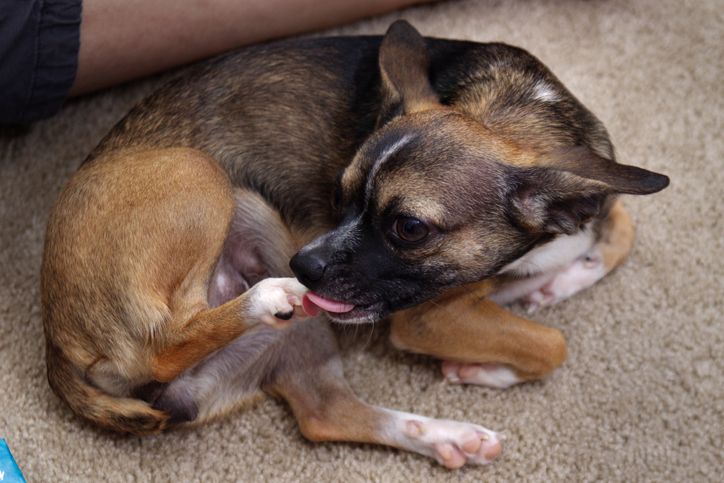
Image Source: cdn.whole-dog-journal.com
Deciphering the Appeal: Why Feet Become Targets
Feet are fascinating to dogs. They smell strong, they move quickly, and they are often easy targets near the floor. This section explores the top five reasons behind this specific type of mouthing and biting.
1. The Inevitable Phase: Teething in Puppies Biting Feet
If you have a young dog, the most likely answer to why dog chews on foot is teething. Puppies explore the world with their mouths. Their baby teeth are falling out. New, adult teeth are pushing through their gums. This process causes a lot of discomfort.
The Comfort of Chewing
Chewing feels good when gums hurt. Think of it like a baby chewing on a hard teething ring.
- Sore Gums: Chewing on something firm helps relieve the pressure. Feet, especially toes, offer just the right texture for a sore puppy mouth.
- Exploration: For a puppy biting feet, it’s also a way to learn about textures. They are learning what is hard, soft, warm, or squishy.
When it comes to teething in puppies biting feet, persistence is key. This phase usually lasts until they are about six or seven months old. After that, the chewing often lessens, provided you redirect the behavior.
2. A Cry for Connection: Attention-Seeking Behavior
Dogs are social creatures. They thrive on interaction with their people. If a dog learns that biting or nipping your foot gets an instant reaction, they will repeat it.
Instant Feedback Loop
Imagine you are relaxing. Your dog wants to play. You are busy. The dog nudges you, no response. The dog licks, still nothing. Then, the dog gives a quick, gentle nip to your foot. You jump up, shout “No!”, or pull your foot away quickly.
To your dog, this is a huge success! They got your attention immediately. This creates a cycle. They realize that feet are the fastest way to start an interaction. This is a major factor in why dog licks and chews feet—they associate feet movement with fun or attention.
We must teach them that calm behavior earns rewards, not rough play.
3. Natural Play and Predatory Drive Simulation
For many dogs, especially herding breeds like Collies or Corgis, foot play mimics their natural instinct to herd or chase. Running feet look like prey moving fast.
The Chase Instinct
Dogs are wired to chase things that move. Your quick withdrawal of your foot signals “chase me!” or “play with me!”
- Herding: If your dog is nudging, nipping, or chasing your heels, they might be trying to “herd” you into one place. This is common when people are walking around the house.
- Simulated Hunting: Play fighting and nipping are how dogs practice hunting skills in a safe way. Your foot is simply a moving, tempting object in their environment.
This type of play is fun for the dog, but it needs careful management to ensure it doesn’t become aggressive.
4. Emotional Overload: Anxiety and Stress
Sometimes, the urge to chew is not about play or teething. It stems from deeper emotional needs. If chewing is sudden, intense, or happens when you are leaving, anxiety might be the cause.
Dog chewing on toes anxiety can be a displacement behavior. When a dog is stressed or unsure, chewing helps release nervous energy. It’s self-soothing.
Situations that can trigger this include:
- Separation distress when you prepare to leave.
- Loud noises (thunderstorms, fireworks).
- Changes in the household routine.
If the chewing is focused and persistent, especially when you are absent or preparing to leave, look for other signs of stress like pacing or excessive drooling.
5. Sensory Exploration and Boredom
Dogs explore their world through their mouths. They investigate textures, tastes, and smells. Feet are packed with interesting scents—your unique scent profile is strong on your skin and clothes.
If a dog does not get enough mental stimulation or physical exercise, boredom sets in quickly. Bored dogs find creative, often destructive, ways to entertain themselves. Destructive chewing in dogs paws (or on socks near the feet) is often a sign of an under-stimulated dog needing a job.
A tired dog is usually a well-behaved dog. A bored dog will chew anything handy, and moving feet are easy targets.
Managing Mouthing: What to Do When Dog Bites My Feet
Knowing why your dog chews your feet is only half the battle. The next crucial step is figuring out what to do when dog bites my feet to change the behavior positively. This requires consistency and management.
Immediate Response: Stopping the Action
The immediate reaction matters most. You need to interrupt the behavior without rewarding it with a huge fuss.
The “Ouch” Technique
If your dog nips hard, let out a sharp, high-pitched yelp, like another dog would. Immediately stop moving. The sudden noise and stillness signal that the bite was too hard.
- If they stop immediately: Praise them softly. Then, redirect them to an appropriate toy.
- If they persist: Withdraw completely for a short time (see Time-Out below).
Withdrawal of Attention
This is the most effective tool for attention-seeking chewers. If you jump, yell, or pull away, you are rewarding them. Instead, practice negative punishment: remove the reward (you).
- Say “Too bad” or “Oops” in a neutral tone.
- Stand up slowly and walk away.
- Go into another room and close the door for 10 to 30 seconds.
- Return calmly. If the dog approaches calmly, reward that calm approach. If they immediately start chewing, repeat the withdrawal.
This teaches the dog: Nipping feet makes the fun person disappear.
Long-Term Strategies: Training Puppy Not to Bite Feet
To truly stop dog from biting human feet, you need proactive training, not just reaction.
Enrichment is Essential
Boredom fuels chewing. Increase enrichment activities daily.
| Activity Type | Examples | Time Required Daily |
|---|---|---|
| Mental Exercise | Puzzle toys, scent games, trick training | 15-20 minutes |
| Physical Exercise | Walks, fetching, running in a secure area | 30-60 minutes (age dependent) |
| Chew Outlets | Stuffed KONGs, durable chew bones, dental chews | Constant access |
Ensure your dog always has access to appropriate chew items. If they go for your foot, immediately substitute a toy. “Trade up” by offering the toy before they grab the foot, making the toy more rewarding.
Teaching Bite Inhibition
Especially important for puppies, teaching them how hard is too hard is crucial. This is how puppies learn from their littermates. If a puppy bites too hard, the sibling yelps and stops playing. We mimic this.
If the bite is just a soft mouth (mouthing), allow it briefly while praising calm behavior. If the pressure increases, use the “Ouch” method and withdrawal.
Managing High-Risk Times
Some times are worse than others. If your dog keeps biting my feet when sleeping, this is often related to guarding resources (you!) or anxiety when you are still.
- Nighttime: If you are sleeping, put up a barrier (like a gate) or use a crate until the behavior is managed. If the dog is anxious at night, consider consulting a behaviorist to address underlying stress.
- When You Are Still: If you are reading or watching TV, put a blanket or a few durable chews on the floor near you. Encourage the dog to settle there instead of focusing on your feet.
If your dog is biting during active play, always keep toys handy. When the dog gets mouthy toward your skin, redirect instantly to the toy. Praise heavily when they chew the toy instead of you.
Comprehensive Approaches for Destructive Chewing in Dogs Paws (and Feet)
When chewing becomes truly destructive chewing in dogs paws or shoes, we need a multilayered management system. This goes beyond simple redirection.
Environmental Management: Making Feet Less Appealing
Sometimes, you have to change the environment to break the habit.
- Barrier Management: When you cannot actively supervise, keep the dog separated from your feet. Use playpens, baby gates, or leashes tethered to your belt (tethering works great because the dog is near you but cannot easily access your feet).
- Covering Up: Wear thick, heavy shoes or boots inside the house, especially during initial training phases. This makes feet less satisfying targets and protects you from painful nips.
- Taste Aversion (Use with Caution): For items you leave lying around (like shoes left by the door), bitter apple spray can deter chewing. However, this is less effective on actively moving feet unless applied directly, which is impractical.
Social Redirection: Teaching an Alternative Behavior
We must teach the dog what to do instead of focusing only on what not to do. This is positive reinforcement.
If your dog approaches your foot, preemptively reward them for choosing something else.
- Dog approaches foot area.
- Before a bite happens, toss a favorite toy or treat near them.
- When they engage with the toy/treat, reward them calmly.
- Repeat until they associate your stillness or foot presence with receiving high-value rewards for playing with their appropriate items.
This helps address why dog licks and chews feet when they crave interaction—they learn the proper path to interaction yields better results.
Addressing Specific Scenarios: When the Biting is Persistent
Some situations require more focused intervention, such as when the dog bites feet during sleep or when anxiety is high.
Dealing with Nighttime Biting
If a dog keeps biting my feet when sleeping, this often points to either severe teething pain (in a puppy) or resource guarding/anxiety (in an older dog).
- Puppy Solution: Ensure they have a safe, comfortable sleeping area (like a crate with an appropriate chew toy) where their gums can rest without needing to mouth things.
- Anxiety Solution: Never reward the biting with your attention (even negative attention like yelling). If necessary, confine them safely for the night. Rule out medical issues with a vet if the behavior suddenly starts in an adult dog.
Handling Intense Anxiety-Driven Chewing
If the chewing seems frantic and linked to separation anxiety, the primary focus must shift from foot biting to managing the underlying anxiety.
Simple redirection will not fix deep-seated anxiety. Steps include:
- Desensitization training for departure cues.
- Providing long-lasting enrichment (like frozen KONGs) only when you leave.
- Consulting a certified veterinary behaviorist (DACVB) or a certified professional dog trainer (CPDT-KA) specializing in anxiety.
We must always remember that if the dog is seeking relief, giving them the tools to cope, rather than just punishing the symptom, is the long-term answer.
When to Seek Professional Help
While many instances of puppy biting feet resolve with consistent training, sometimes professional guidance is necessary.
Consult a professional if:
- The biting causes injury: If the nips break the skin regularly.
- The behavior is escalating: If gentle mouthing turns into hard, sustained biting.
- Redirection fails: If the dog ignores appropriate toys and only focuses on your feet despite consistent training efforts.
- You suspect deep anxiety: If the chewing is accompanied by other signs of severe distress (pacing, destructive behavior when alone, panic).
A trainer can observe your specific interactions to better diagnose the motive and tailor a plan to stop dog from biting human feet effectively in your unique home setting.
Frequently Asked Questions (FAQ) About Dog Foot Chewing
Q1: Is it bad if my puppy chews my feet?
A: It’s normal for puppies, especially when teething in puppies biting feet is occurring. However, it must be managed immediately. If not managed, the behavior will become a learned habit, making it harder to break when the puppy is older and stronger.
Q2: How long does it take to stop a dog from biting feet?
A: The timeline varies greatly based on the dog’s age, the reason for the chewing, and your consistency. For teething puppies, the phase naturally ends around 6-7 months. For attention-seeking or boredom-based chewing, consistent redirection over several weeks can significantly reduce the frequency. Be patient; consistency is key to breaking the habit.
Q3: My adult dog suddenly started chewing my feet. What changed?
A: Sudden changes in behavior in adult dogs warrant a trip to the vet. Pain can cause unusual behavior as the dog tries to relieve discomfort, or it could signal a shift in anxiety levels (new stressor in the home). If the vet gives a clean bill of health, focus heavily on recent environmental changes that might have triggered stress or boredom.
Q4: What is the difference between mouthing and biting?
A: Mouthing is generally gentle contact with the mouth, often soft pressure, common during play or exploration. Biting involves firm pressure or breaking the skin. When training, we allow light mouthing in puppies but immediately interrupt any pressure that becomes too firm.
Q5: Can I use spray bottles or physical punishment to stop the chewing?
A: Most modern trainers advise against aversive tools like spray bottles or physical corrections. These methods often suppress the behavior only when you are present, increasing fear or anxiety, which can worsen underlying issues like dog chewing on toes anxiety. Positive reinforcement (rewarding appropriate behavior and redirecting) is much more effective and builds a stronger bond.