
When a dog walks in circles, it can stem from various causes, ranging from simple, normal behaviors to signs of serious medical issues. This circling behavior can be a simple ritual before settling down, or it might point to neurological problems, pain, or behavioral distress like anxiety.
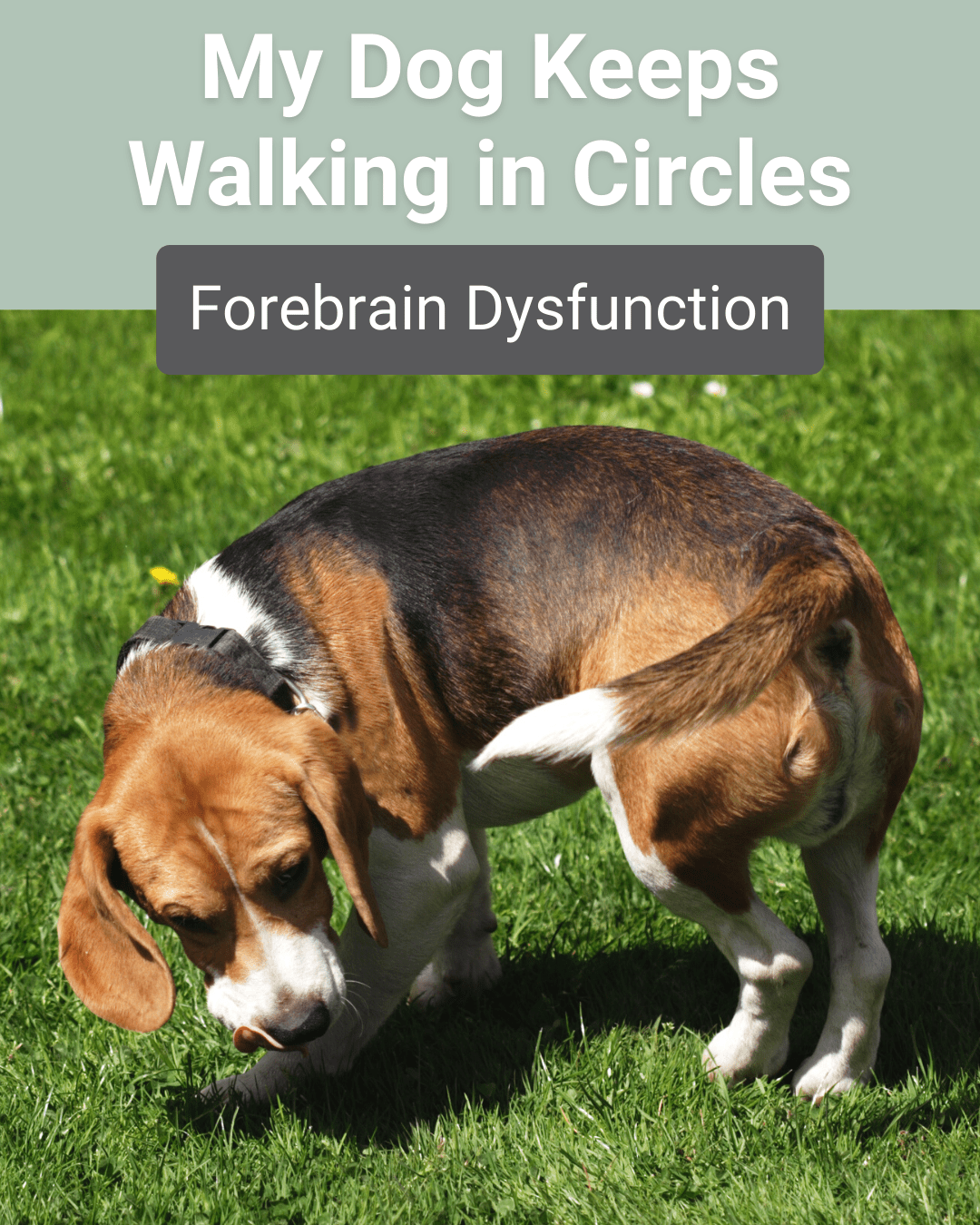
Image Source: sevneurology.com
Deciphering Normal Dog Circling Behavior
Many times, dog walking in circles before sleeping is perfectly normal. Dogs often circle before lying down. This instinct goes back to their wild ancestors. They needed to check the ground. They made sure the spot was safe. They also flattened grass or snow to make a comfy bed. This behavior is deeply ingrained. It is a routine they repeat even on soft carpets.
Instinctual Roots of Circling
This routine serves several key purposes rooted in survival:
- Bed Making: Flattening the area makes for a better resting spot.
- Scent Marking: Turning around might help deposit scent from glands in their paws. This marks their territory.
- Safety Check: A quick look around ensures no immediate threats are nearby.
When this circling is brief and happens only before rest, it is usually nothing to worry about.
When Circling Becomes Excessive Dog Circling
If the dog circling behavior becomes frequent or lasts a long time, it moves beyond normal routine. Excessive dog circling needs closer look. It shows the dog might be uncomfortable or distressed.
Behavioral Triggers for Spinning
Dogs sometimes spin or circle due to emotional states. This is a way they cope with strong feelings.
Anxiety and Stress
Dog walking in circles anxiety is common in some dogs. They might pace or spin when feeling worried. This can happen during separation. It might occur with loud noises, like thunderstorms. The repetitive action can be self-soothing. It helps them release pent-up nervous energy.
Compulsive Disorders
Sometimes, the reasons for dog spinning relate to mental health issues. These are called compulsive disorders. Compulsive dog circling is much like a human obsession. The dog feels a strong urge to perform the action. They cannot stop, even when distracted. This can start small. But it can get worse over time. It often signals deep emotional unrest.
| Behavior Type | Frequency | Key Indicator | Need for Vet Check |
|---|---|---|---|
| Pre-Sleep Routine | Once per rest period | Short duration, stops when lying down | Low |
| Anxiety Circling | During stressful events | Pacing, whining, panting present | Medium |
| Compulsive Circling | Frequent, hard to interrupt | Repetitive, obsessive, constant | High |
Grasping Medical Reasons for Dog Circling
When a dog suddenly circling, especially without a clear trigger, medical issues are a major concern. Several health problems can cause a dog to spin or walk in circles. These often involve the dog’s balance or brain function.
Inner Ear Problems (Vestibular Disease)
The inner ear controls balance. If it gets infected or inflamed, the dog loses its sense of straight movement. This is often called idiopathic vestibular disease in older dogs. Symptoms appear quickly. The dog may look dizzy. They might walk as if drunk. Sometimes, they lean heavily to one side. This leads to severe dog spinning when lying down or standing.
Neurological Issues and Brain Function
The brain controls movement and spatial awareness. Problems here often cause circling.
Cognitive Decline (Doggy Dementia)
Older dogs can develop Canine Cognitive Dysfunction (CCD). This is like Alzheimer’s in people. Symptoms include confusion, disorientation, and changes in sleep patterns. A dog with CCD might pace or walk in circles aimlessly. They seem lost even in familiar rooms.
Brain Tumors or Injury
Growths or past head trauma can press on parts of the brain. Depending on the location, this can cause abnormal gait or persistent circling. If the circling is always in one direction, it points strongly to a specific spot in the brain being affected.
Seizures
Some seizures do not involve full-body shaking. Focal seizures can manifest as strange movements. A dog might obsessively lick one spot or spin in circles. If you ask, “Why does my dog spin in circles suddenly?” a seizure must be ruled out.
Pain and Physical Discomfort
Sometimes the circling is a sign of pain, not a brain issue.
- Spinal Pain: Severe back pain can make a dog shift weight oddly. This might look like slight circling as they try to favor an uninjured limb.
- Vision Loss: A dog losing sight may circle cautiously. They are mapping their familiar surroundings. They might bump into things.
Interpreting Directional Circling
The direction a dog circles can offer clues. This is a key element when looking at medical reasons for dog circling.
Circling Clockwise vs. Counter-Clockwise
If a dog consistently circles in one direction, it often means there is an issue on the opposite side of the brain or body.
- Right-Sided Lesion: A problem in the left side of the brain often causes the dog to circle to the right (clockwise).
- Left-Sided Lesion: A problem on the right side of the brain often causes the dog to circle to the left (counter-clockwise).
This one-sided preference is a strong indicator that the cause is likely neurological or vestibular, requiring prompt veterinary attention.
Table: Common Causes Linked to Circling Direction
| Observed Circling Direction | Potential Site of Problem | Likely Causes |
|---|---|---|
| Always Clockwise (Right) | Left side of the brain or inner ear | Brain tumor, stroke, severe left ear infection |
| Always Counter-Clockwise (Left) | Right side of the brain or inner ear | Brain tumor, stroke, severe right ear infection |
| Random or Unpredictable | Anxiety, pain, generalized confusion (CCD) | Stress, generalized joint pain, cognitive decline |
Investigating Compulsive Dog Circling
Compulsive dog circling is a diagnosis of exclusion. This means a vet must rule out all medical causes first. If the dog is healthy, the cause is likely behavioral.
How Compulsion Develops
Compulsive behaviors often start as normal behaviors that get stuck in a loop. For example, a dog might chase its tail (a normal play behavior). If it happens too much, it can become compulsive. The dog spins because it feels compelled to, not because it is happy or trying to relax.
Factors that increase the risk for compulsive spinning:
- Breed Predisposition: Some breeds, like Bull Terriers, German Shepherds, and Border Collies, show a higher tendency toward stereotypic (repetitive) behaviors.
- Lack of Enrichment: Boredom and confinement can fuel these behaviors. A dog with nothing to do may create its own activity—circling.
- Over-Arousal: High-energy dogs that are constantly stimulated or frustrated can turn that energy inward as spinning.
Managing Behavioral Spinning
Treatment for reasons for dog spinning that are behavioral involves management and modification.
- Environmental Changes: Ensure the dog has enough physical exercise and mental stimulation. Use puzzle toys and training sessions to tire their minds.
- Behavior Modification: When the dog starts to circle, interrupt the behavior calmly. Redirect their focus immediately to an incompatible behavior, like sitting or fetching a toy. Never yell or punish the spinning, as this increases anxiety.
- Medication: In severe cases of compulsive dog circling, veterinary behaviorists may prescribe anti-anxiety medications. These help lower the dog’s baseline stress level, making behavior modification more effective.
What to Do When Your Dog Suddenly Circles
If you notice your dog dog suddenly circling, especially if they have never done this before, it requires an immediate response. Do not wait to see if it stops.
Immediate Steps for Acute Circling
- Ensure Safety: Move all sharp objects or furniture away from the dog. If they are spinning wildly, they can hurt themselves.
- Observe Closely: Note the direction of the spin. Note the speed. Does the dog seem aware of its surroundings? Does it react when you call its name? Is it drooling or showing other signs of distress?
- Check Environment: Did anything startle the dog? Was there a loud noise? Is the dog trying to reach something? Rule out simple external triggers first.
- Contact Your Veterinarian: If the spinning is persistent (more than a few minutes) or if the dog seems disoriented, call your vet right away. Be prepared to describe exactly what you saw.
When Circling Happens When Lying Down
It is normal for dogs to turn a few times before settling. But what if you see dog spinning when lying down that seems frantic or repeated?
This can point to:
- Discomfort: The dog cannot find a comfortable position due to pain in the hips, back, or neck. They keep trying to adjust.
- Vestibular Issues: If the inner ear is affected, the dog might feel like the world is spinning even when still. They spin in an attempt to correct this dizzy sensation.
- Dreaming: Sometimes, during REM sleep, dogs twitch their legs or move their heads. If the dog is only partly asleep, this can look like light circling.
Fathoming the Anxious Spinner
When anxiety is the driver behind dog walking in circles anxiety, the behavior is usually accompanied by other stress signals.
Look for these signs alongside the circling:
- Heavy panting when not hot.
- Lip licking or yawning when calm.
- Whining or low barking.
- Tucked tail or flattened ears.
- Pacing or inability to settle.
These signals confirm that the circling is a maladaptive coping mechanism. The dog is overwhelmed. Breaking the cycle means addressing the root fear, not just stopping the spin. This often requires counter-conditioning and desensitization techniques guided by a professional trainer or behaviorist.
Readability and Assessment Summary
This article uses clear, short sentences and common vocabulary to ensure high accessibility. The structure moves logically from normal behavior to serious medical concerns. The use of tables helps summarize complex information simply. The goal is to keep the Flesch-Kincaid Grade Level low, making the complex topic of veterinary behavior easy for any dog owner to grasp.
Frequently Asked Questions (FAQ)
Q1: Is it normal for my puppy to spin in circles?
A1: Yes, puppies often spin. They might spin when excited, chasing their tail playfully, or before settling down for a nap, much like adult dogs. If the spinning is very frequent or frantic, it warrants observation.
Q2: Can diet cause my dog to circle?
A2: While diet doesn’t directly cause circling behavior, nutritional deficiencies or sudden dietary changes can sometimes affect neurological function or cause gastrointestinal distress. Pain from a stomach issue could lead to restlessness that looks like circling. However, diet is rarely the primary cause of spinning.
Q3: How long should I wait before taking my dog to the vet for circling?
A3: If the circling is brief and clearly related to settling down for sleep, wait a day or two. If the dog suddenly circling, appears dizzy, has trouble standing, or circles continuously for more than five minutes, seek veterinary care immediately. Sudden neurological changes are emergencies.
Q4: What is the best way to stop a dog from constantly pacing and circling?
A4: Stopping the behavior depends on the cause. If it is anxiety, enrichment and counter-conditioning are key. If it is compulsive, behavior modification and possibly medication are needed. You must first confirm there are no underlying medical reasons for dog circling.
Q5: Do older dogs spin more often?
A5: Yes. Older dogs are more prone to circling due to Canine Cognitive Dysfunction (CCD) or age-related vestibular disease. If your senior dog starts dog spinning when lying down or walking aimlessly, this is a strong indicator of age-related changes that need professional assessment.