
A dog smelling like fish is a common concern for many pet owners, and the short answer is that this odor usually points to an issue with the dog’s anal glands. However, other health concerns can also cause this distinct, unpleasant smell.
This strong, fishy smell is often alarming. It signals that something is wrong with your beloved pet. It is important to look closely at where the smell is coming from. Is it their rear end? Their breath? Or perhaps their skin? Knowing the location helps narrow down the cause quickly. This guide will help you pinpoint the source of the dog fishy odor cause and what steps to take next.
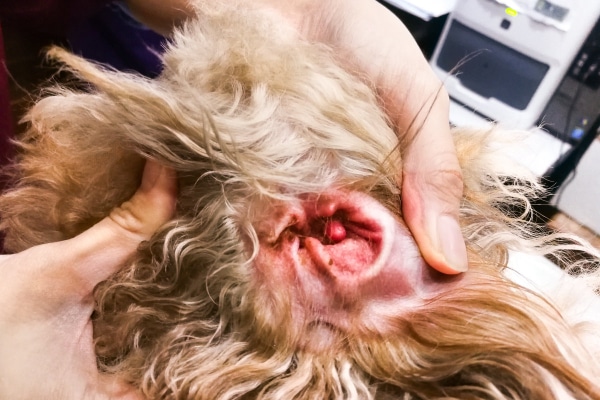
Image Source: toegrips.com
The Most Common Culprit: Dog Anal Gland Issues
The number one reason for a strong, fishy smell emanating from your dog is related to their dog anal gland issues. These tiny sacs are located just inside a dog’s rectum, one on each side. They hold a strong, smelly fluid.
What Are Anal Glands For?
Dogs naturally express this fluid when they defecate. This liquid acts like a natural signature or a scent marker. It tells other dogs who they are. Think of it as a dog’s personal scent business card.
When Things Go Wrong
Sometimes, these glands do not empty properly during a normal bowel movement. When they don’t empty, the fluid builds up. This built-up fluid becomes old and starts to spoil, creating that notorious, pungent fish smell.
- Impaction: This is when the sacs get too full and cannot drain.
- Infection: If bacteria get into the sacs, they can become infected and very sore.
- Abscess: In severe cases, the buildup leads to an abscess, which can burst. This usually smells much worse than simple impaction.
If you notice your dog is dog scooting fish smell—dragging their rear end along the floor—it is a huge sign that the anal glands are bothering them. They scoot to try and relieve the pressure and the itch.
Recognizing Anal Gland Problems
Look for these signs if you suspect anal gland trouble:
- Excessive licking or biting around the tail base.
- Difficulty sitting down comfortably.
- Sudden changes in stool consistency (diarrhea makes it hard to empty the glands).
- A distinct, foul, fishy odor near the rear end.
If you suspect dog anal gland issues, schedule a visit with your veterinarian right away. They can manually express the glands safely.
Smells Beyond the Rear: Other Areas of Concern
While anal glands are the prime suspect, a fishy smell can come from other places on your dog’s body. Determining the source is key to fixing the problem.
Dog Bad Breath Fishy Smell
If the odor seems to be coming mostly from your dog’s mouth, you are likely dealing with dog bad breath fishy smell. Bad breath in dogs is common, but a distinct fish odor points toward specific issues.
Dental Disease
The most common cause of bad breath is poor dental hygiene. Food particles get trapped between teeth. Bacteria grow on this food. This causes plaque and tartar buildup. This buildup leads to gum disease (periodontal disease).
In severe cases, infection in the mouth can cause a very foul smell. If the smell is truly fishy, it might mean decaying tissue or an infection deep in the gum line.
Kidney Issues
A very specific, sharp, ammonia-like or fishy smell on the breath can sometimes signal serious internal problems, specifically kidney disease. When the kidneys fail, they cannot filter waste products from the blood well. These toxins, like urea, build up and can be exhaled, causing a strong, unusual odor on the breath. This is a medical emergency.
Foreign Objects
Sometimes a dog gets something stuck in its mouth—a piece of spoiled food or a small object that starts to rot. This trapped item causes localized decay and a strong smell.
The Dog Smells Like Urine or Fish
If your dog seems to smell generally fishy, mixed with a hint of ammonia, look closely at their urinary tract. This is often a sign of a urinary tract infection (UTI) or incontinence.
Urinary Tract Infections (UTIs)
Bacteria causing a UTI produce strong waste products. If the dog leaks urine frequently, the smell transfers to their fur, bedding, and skin. The bacteria itself can sometimes give off a smell reminiscent of ammonia mixed with something pungent, like old fish.
Incontinence
Older dogs or those with certain medical conditions might struggle to hold their urine. Constant dampness from leaked urine allows bacteria and yeast to grow quickly on the skin and fur, leading to a noticeable, persistent odor.
Dog Yeast Infection Fishy Odor
Yeast infections are incredibly common, especially in dogs with skin folds, floppy ears, or allergies. Dog yeast infection fishy odor is a hallmark sign of too much Malassezia yeast growth.
Yeast naturally lives on a dog’s skin. When the skin environment changes (due to moisture, allergies, or poor airflow), the yeast multiplies too much. This overgrowth creates smelly byproducts.
The smell from a yeast infection is often described as musty, cheesy, or distinctly fishy.
Where to Check for Yeast
- Paws: Check between the toes. Yeast often thrives in damp, dark areas. The paws might look reddish or irritated.
- Skin Folds: Dogs with wrinkles (like Bulldogs or Pugs) need these areas cleaned regularly.
- Ears: A yeast overgrowth in the ear canal causes dog ear infection fishy smell. This is often accompanied by head shaking and scratching.
Dog Ear Infection Fishy Smell
As mentioned above, the ears are a prime spot for yeast and bacteria. Dog ear infection fishy smell is very common. The fluid discharge from an infected ear is usually dark, brown, or waxy. If the infection is severe, the smell can travel far from the ear itself, making the whole dog smell bad.
Dog Vaginal Discharge Fishy Smell
For female dogs, a fishy odor coming from the rear end, specifically the vulva, points toward a vaginal issue. This could be:
- Pyometra: A serious uterine infection, often seen in unspayed older females. This requires immediate veterinary attention.
- Vaginitis: Inflammation of the vagina, often caused by bacteria.
- Normal Heat Cycle Issues: Sometimes, minor discharge during a heat cycle can become smelly if not cleaned promptly.
If you notice dog vaginal discharge fishy smell, contact your vet quickly, especially if the dog seems lethargic or has a fever.
Why Does My Dog Smell Like Tuna? Investigating Diet and Environment
Sometimes the smell is milder, perhaps specifically like tuna. While this still points to an underlying health issue, it can sometimes be linked to diet or environment.
Dietary Factors
What your dog eats can influence their body odor. Certain fats or ingredients can lead to oilier skin or faster bacterial/yeast growth. If you recently switched foods, observe if the smell corresponds with the change.
However, the “tuna” smell is often associated with the specific fatty acids found in the anal gland secretion. It is an oily, pungent smell that many owners compare to strong, rotting fish or canned tuna.
Environmental Odors
While less common for a strong, persistent fish smell, sometimes dogs roll in smelly things outside. If your dog has rolled in dead fish, rotten meat, or spoiled organic matter, they will carry that odor until they have a good bath. The key difference is that environmental smells usually wash off completely. Health-related smells persist even after bathing.
If the smell is localized to the coat but not the skin, an environmental cause is more likely.
Grooming and Maintenance: Preventing Fishy Smells
Regular care is crucial for preventing the health issues that lead to that awful fish odor. Good hygiene addresses several potential sources at once.
Anal Gland Care
Regular maintenance helps prevent impaction.
Safe Expression
If your dog has a history of gland issues, your vet may recommend regular manual expression. This is best done by a professional who knows the right technique. Trying to squeeze the glands yourself can be painful or ineffective for the dog.
Dietary Fiber
A high-fiber diet helps bulk up the stool. Firm, well-formed feces naturally massage the anal glands, helping them empty as the dog defecates. Talk to your vet about increasing safe fiber sources.
Bathing Routine
Regular bathing removes surface oils and odors. Use a high-quality dog shampoo. If your dog suffers from allergies, use a medicated or hypoallergenic shampoo recommended by your veterinarian.
Important Note: Never use human soap or shampoo on your dog. It disrupts their skin’s natural pH balance, which can actually make yeast and bacterial problems worse.
Ear Cleaning
If your dog is prone to ear issues, establish a regular ear cleaning routine using vet-approved cleaners. Keeping the ear canals dry and clean discourages the growth of yeast and bacteria that cause that dog ear infection fishy smell.
Dental Hygiene
Brush your dog’s teeth daily if possible. Dental chews and professional cleanings can also help reduce the bacteria load in the mouth that leads to dog bad breath fishy smell.
Deciphering the Severity: When to See the Vet Immediately
While a mild, occasional odor might just mean a messy bath is needed, a strong, persistent fish smell is a signal that professional help is required.
If you notice any of the following, book a vet appointment right away:
| Sign of Trouble | Potential Issue | Urgency Level |
|---|---|---|
| Scooting, licking rear end constantly | Anal gland impaction or infection | High |
| Lethargy, vomiting, strong breath odor | Kidney failure or serious internal infection | Very High (Emergency) |
| Redness, swelling, or leakage near the tail | Anal gland abscess | Very High |
| Discharge from vulva that is brown/yellow and smelly | Pyometra or severe vaginitis | Very High (Emergency) |
| Foul odor accompanied by head shaking/red ears | Severe ear infection | High |
Summary of Common Fishy Odor Sources
The specific location of the smell often tells you where to focus your attention.
| Location of Fishy Smell | Primary Causes |
|---|---|
| Rear End | Dog anal gland issues, scooting |
| Breath | Dental disease, Kidney problems |
| Skin/Coat Generally | Yeast infections, bacterial overgrowth |
| Ears | Dog ear infection fishy smell |
| Urinary Area | UTI, incontinence |
| Female Genitals | Vaginitis, Pyometra (dog vaginal discharge fishy smell) |
Frequently Asked Questions (FAQ) About Fishy Smells in Dogs
Can I express my dog’s anal glands myself?
While it is possible to express anal glands at home, it is generally recommended that a veterinarian or experienced groomer does this. Improper technique can be painful for the dog, cause damage, or fail to fully empty the glands, worsening the problem.
How often should my dog be bathed if they smell fishy?
If the fishy smell is caused by skin issues like yeast or allergies, bathing twice a week with a medicated shampoo might be recommended by your vet until the skin balance is restored. If it is only due to anal glands, bathing frequency is less important than gland maintenance.
Can a dog yeast infection fishy odor be cured with home remedies?
Some mild yeast issues can be helped with specific dietary changes (like reducing carbohydrates) or using apple cider vinegar rinses on the skin, but severe or recurring dog yeast infection fishy odor needs veterinary medication to resolve the underlying imbalance.
Why does my dog smell like dead fish all of a sudden?
A sudden, very strong smell often means an acute event has occurred. The most likely scenario is a ruptured anal gland abscess, which releases a massive amount of foul-smelling, infected material. This requires immediate veterinary care.
Is a fishy smell on my dog contagious?
No, the fishy smell itself is not contagious. However, the underlying causes—like yeast or bacterial infections—are related to imbalances in the dog’s own body or environment. If the smell is from a severe infection, limit close contact until the issue is treated, just to be safe, though true contagion is rare in these cases.