
A dog digs at the carpet because of natural instincts, unmet needs like boredom or anxiety, or sometimes due to early house training carpet issues.
Dogs have been digging for thousands of years. It is a very normal dog behavior carpet owners often see but do not always like. When your dog targets the rug, it might seem like pure mischief. But usually, there is a real reason behind the carpet destruction in dogs. Let’s look closely at why your furry friend might be scratching up the floor. This can happen with puppies (puppy digging at flooring) or older dogs. Knowing the cause helps fix the problem.
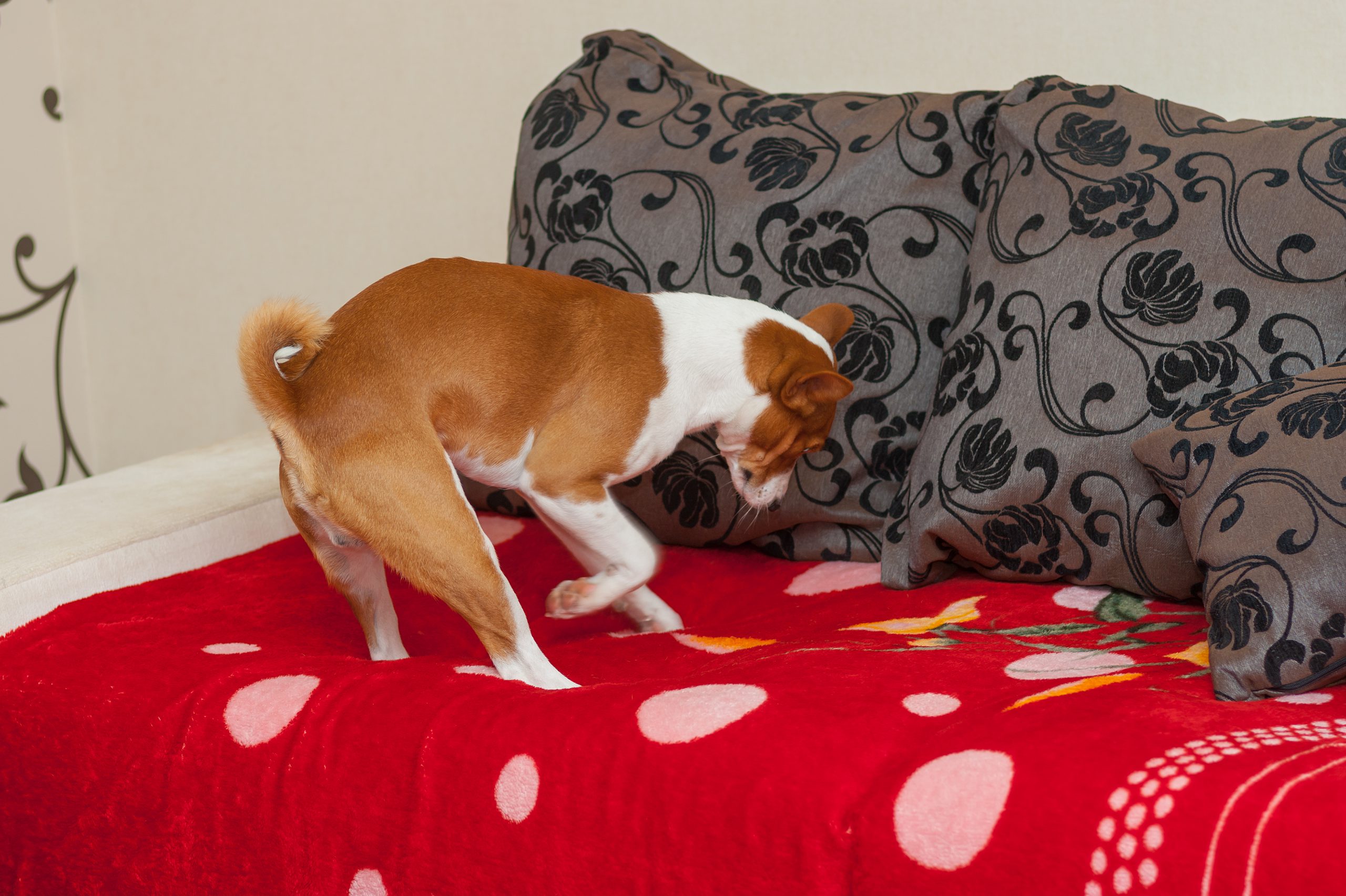
Image Source: www.thefarmersdog.com
Instinctive Dog Digging: Following Ancient Needs
Digging is deeply rooted in a dog’s nature. It is not just something they learn; it is something they are born wanting to do. This instinctive dog digging behavior served important roles for their wild ancestors.
Creating a Safe Den
Wild dogs dug dens for several key reasons. They needed a safe place to rest. They also needed a cool spot when it was hot, or a warm place when it was cold.
- Temperature Control: Digging into the earth helps dogs escape extreme heat or cold. Dirt stays cooler in the summer. It insulates against winter chills.
- Safety and Shelter: A den offers protection from predators. Even though your dog is safe inside, the instinct remains strong. They might try to replicate this safe space indoors. This might mean digging at a cozy corner of the rug.
Hiding Valuables
Another strong instinct is caching food or favorite toys. In the wild, dogs would bury extra food to save it for later. This keeps it safe from other animals.
Your pet might see a favorite bone or chew toy. They may try to bury it under the carpet. They are trying to hide their “treasure.” They might gently pull at the fibers or paw at the spot where they want to hide it. This often leads to carpet shredding by pets.
The Need to Hunt
Some breeds have a strong prey drive. Think of terriers; their name comes from the word “terra,” meaning earth. They were bred to dig out burrowing animals like moles or rats.
If your dog smells something interesting under the floorboards—like mice or insects—they might dig to find it. This focused digging is very intense. It is not just casual scratching. It is a targeted attempt to reach something below the surface.
Behavioral Causes: When Needs Are Not Met
Often, carpet destruction in dogs is a sign that something is missing in their daily life. Dogs are social animals. They need stimulation, exercise, and security.
Boredom and Lack of Activity
This is perhaps the most common reason for destructive chewing and digging. A bored dog looks for something to do. If they do not have appropriate toys or enough physical activity, they invent their own entertainment.
- Physical Energy: If a dog does not get enough walks or playtime, pent-up energy needs an outlet. Digging feels good. It uses up energy fast.
- Mental Stimulation: Dogs also need their brains worked. Puzzle toys, training sessions, or new smells during a walk help keep their minds busy. A dull mind often leads to destructive dog behaviors carpet owners see later.
If you notice your dog digs most when you are not home, boredom is a big suspect. They are trying to relieve stress by engaging in an intense physical activity.
Attention Seeking
Sometimes, dogs learn that digging gets a big reaction from their owners. Even if the reaction is negative—yelling or rushing over—it is still attention.
If you only pay attention to your dog when they are being naughty, they may repeat the behavior. They might start why dogs scratch carpets as soon as you sit down to watch TV. They know it will make you look at them instantly.
Anxiety and Stress
Dogs experience stress just like people do. When they feel anxious, they often exhibit displacement behaviors. These are actions that seem out of place but help relieve internal tension. Digging is a major displacement behavior.
Dog anxiety carpet digging often happens when the dog is left alone. This is called separation anxiety. They might also dig due to loud noises, like thunderstorms or fireworks.
Signs that anxiety causes the digging:
- Digging is paired with pacing or whining.
- The dog drools excessively or paces before digging.
- The digging happens mainly near doors or windows when the owner leaves.
- They might also chew things they associate with you, like shoes or blankets.
Compulsive Behavior
In some cases, digging becomes a repetitive, hard-to-stop habit. This is called a compulsive disorder. It is like OCD in people. The dog digs because they feel compelled to. It does not serve a purpose like hiding food or seeking comfort. It is just a repetitive action. These cases are often harder to resolve and usually need veterinary behaviorist help.
Environmental Factors: What Is Under the Rug?
Sometimes the issue is not entirely about the dog’s internal state, but what is happening around them or beneath the floor covering.
Searching for Pests
As mentioned before, a dog’s nose is incredibly powerful. If there is a mouse, ant nest, or other pest living under the floor, the dog can smell it clearly. The carpet is just in the way of the smell.
If the digging is focused on one specific spot, check that area for signs of insects or rodents. They might be trying to get to the source of the scent. This intense focus can quickly lead to carpet destruction in dogs.
Comfort and Nesting
Dogs often dig to create a comfortable spot to lie down. They are trying to arrange their “bed.” Think about how dogs circle before lying down. Digging achieves a similar effect.
- They might be trying to move the carpet fibers around to make a shallow depression.
- This is common in pregnant dogs, as they prepare a nesting area for birth.
- It can also happen when a dog is trying to get comfortable on a hard surface under a thin rug.
If this is the reason for why dogs scratch carpets, providing a dedicated, comfortable, and appealing dog bed often solves the issue.
Temperature Regulation (Again)
Even indoors, dogs may dig to regulate temperature. If the room is too warm, digging at the carpet might be an attempt to reach the cooler floor underneath. They are trying to get to the cool subfloor.
Puppy Digging at Flooring: A Stage of Development
When you see puppy digging at flooring, it is often part of normal exploration and teething. Puppies explore the world with their mouths and paws.
Teething Relief
Young puppies have sharp, itchy teeth coming in. Chewing and digging can help relieve the soreness and pressure in their gums. If a puppy is digging at the carpet edge or corners, they might be trying to get a satisfying shredding action to soothe their gums.
Learning About Textures
Puppies need to learn what things feel like. The texture of carpet—the looped fibers, the backing—is interesting to them. They may tug and pull just to see what happens. This is how they test boundaries. This early play can turn into major carpet destruction in dogs if not managed early.
Incomplete House Training
If a puppy is digging in a specific area repeatedly, especially near doors or laundry areas, it might signal an issue with house training carpet issues. The puppy might be trying to dig to relieve itself or mark territory if they feel anxious about where they should go potty.
It is vital to address this early. If a puppy succeeds in going potty on the carpet after digging, the scent markers reinforce the behavior.
Strategies for Stopping Carpet Digging
Fixing the problem requires looking at the root cause. You cannot stop the behavior until you know why it happens. Prevention and redirection are key tools.
Increase Exercise and Mental Work
If boredom is the cause, the solution is simple: tire the dog out.
Physical Exercise Plan
- Longer Walks: Add 15–30 minutes to your daily walks.
- Fetch or Tug: Engage in high-energy play sessions twice a day.
- Dog Sports: Try agility or lure coursing if your dog enjoys running.
Mental Enrichment Activities
Instead of just feeding from a bowl, make your dog work for their food. This mimics natural foraging behavior.
| Activity Type | Example | Benefit |
|---|---|---|
| Food Puzzles | Kongs stuffed with frozen peanut butter | Long-lasting chewing and licking reduces stress. |
| Snuffle Mats | Hiding kibble in fabric strips | Engages the powerful sense of smell. |
| Training Drills | Learning new tricks daily (5-10 mins) | Mental fatigue is as important as physical. |
Addressing boredom chewing carpet with these methods gives your dog an approved outlet for their energy.
Managing Anxiety
If you suspect dog anxiety carpet digging, focus on building confidence and managing triggers.
- Create a Safe Den: Provide a crate or small, cozy room with comfortable bedding. Make this space positive with treats and chews before leaving.
- Desensitization: If separation anxiety is the cause, practice short departures. Leave for one minute, return calmly. Slowly increase the time. Do not make a big fuss when leaving or arriving.
- Calming Aids: Talk to your vet about calming supplements, pheromone diffusers, or anxiety wraps.
A dog that feels secure is less likely to resort to frantic digging or dog destroying furniture fabric when alone.
Redirection and Positive Reinforcement
Never punish your dog after the fact for carpet destruction in dogs. They will not connect the punishment with the digging they did an hour ago. They will only learn to fear you.
- Interruption: If you catch your dog in the act, make a sharp, neutral noise (like “Ah!”). Immediately call them to you.
- Redirection: When they come to you, give them an appropriate, high-value chew toy. When they start chewing the toy, praise them heavily. This teaches them: “Digging the carpet gets nothing, but chewing this toy gets praise.”
- Make the Carpet Unappealing: While training, make the digging spots less fun. Cover the area with something hard or inconvenient, like an upside-down plastic mat or a laundry basket. If they cannot access the carpet, they cannot dig it.
Addressing Instinctive Digging
For dogs with strong inherent digging needs, you must provide an acceptable location.
Build a Dig Pit
This is the best way to satisfy instinctive dog digging.
- Choose an area in the yard (or even a large, sturdy plastic bin indoors if necessary).
- Fill it with sand, loose soil, or shredded mulch.
- Bury high-value items inside—favorite toys or treats.
- When you see your dog start to dig the carpet, lead them to the pit and encourage them to dig there instead. Praise them loudly when they use the pit.
This directs their natural urge away from your home furnishings.
When to Consult a Professional
If you have tried environmental changes, increased exercise, and provided alternatives, but the behavior persists, it is time to seek expert help. This is especially true if the digging seems frantic or obsessive.
Veterinary Check-Up
First, rule out medical issues. Pain can sometimes cause strange behaviors. For example, a dog with digestive upset might dig trying to get comfortable or expose something that hurts.
Certified Dog Behavior Consultant
A certified professional (like a CPDT-KA or behaviorist) can watch your dog in their environment. They can pinpoint subtle triggers you might miss. They can create a tailored modification plan for severe dog anxiety carpet digging or compulsive behavior.
They can help distinguish between normal puppy exploration and developing a serious habit leading to carpet shredding by pets.
Summary of Causes and Solutions
The reasons behind why dogs scratch carpets are varied. Solving the problem requires patience and detective work.
| Primary Cause | Likely Scenario | Key Solution |
|---|---|---|
| Instinct | Digging in the yard or near windows/doors; nesting. | Provide an approved dig pit outside. |
| Boredom | Digging when left alone; destructive when no toys are present. | Increase exercise and use food puzzles daily. |
| Anxiety | Digging focused on exit points; paired with pacing/whining. | Implement anxiety reduction protocols and crate training. |
| Teething/Exploration | Puppy digging at flooring in multiple spots; chewing on carpet edges. | Provide appropriate teething toys and firm redirection. |
| Pest Control | Focused digging in one specific area; sniffing intensely before digging. | Inspect the area for insects or rodents. |
By addressing the underlying need—whether it is comfort, energy release, security, or instinct—you can successfully curb carpet destruction in dogs and maintain a happy home for both you and your pet. Fixing house training carpet issues also requires consistency in rewarding outdoor potty behavior.
Frequently Asked Questions (FAQ)
Q1: Is it bad if my dog digs at the carpet a little bit?
A little bit of scratching is often normal, especially when settling down for a nap. It becomes a problem when it turns into significant tearing, holes, or persistent carpet destruction in dogs.
Q2: How long does it take to stop a dog from digging at the carpet?
Results vary based on the cause. If it is simple boredom, you might see improvement within a week of increased exercise. If it is rooted in deep-seated anxiety or compulsion, it could take several weeks or months of consistent behavior modification.
Q3: My puppy chews the carpet only when I am making phone calls. What is happening?
This is usually attention-seeking behavior or mild separation anxiety related to your sudden lack of attention. Redirect the puppy to a chew toy immediately when you pick up the phone. Start rewarding them for quiet chewing during calls. This addresses boredom chewing carpet linked to a specific trigger.
Q4: Can I use bitter sprays on the carpet to stop digging?
Bitter sprays sometimes work for chewing on furniture, but they are less effective for digging, as the dog is focused on the action and the texture, not just the taste. It is better to manage the environment and address the root need first.
Q5: Why does my dog keep digging at the same corner of the room?
This often points to a specific trigger. It could be the coolest spot, a faint smell (like a pest), or a place where they feel slightly insecure. Focus all your training efforts and redirection toys on that exact corner.