
A dog cough is a common sign that something is bothering your furry friend. A dog cough can be caused by many things, from simple irritation to serious illness. If your dog starts coughing, it’s natural to worry. This guide will help you explore the common reasons behind a dog’s cough, the signs to watch for, and when a trip to the veterinarian is necessary.
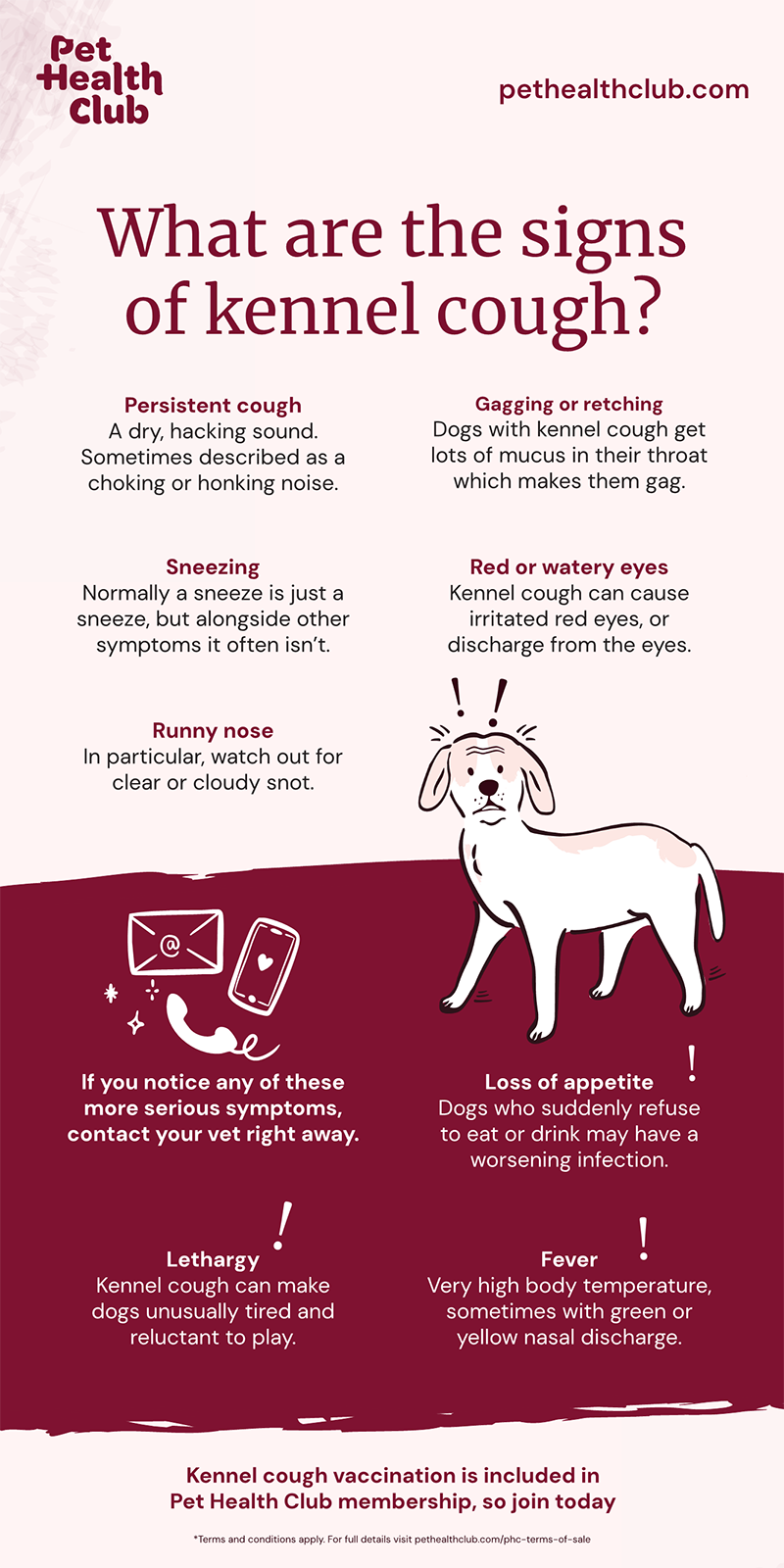
Image Source: images.ctfassets.net
Fathoming the Sound of a Dog’s Cough
A cough is a reflex action. It clears the throat and airways of irritants or extra fluid. Dog coughs sound different depending on what causes them. Some sound dry and hacking. Others sound wet or moist. Sometimes, the sound is mistaken for something else.
Distinguishing a Cough from a Reverse Sneeze
Many owners confuse a cough with a dog reverse sneezing vs cough. A reverse sneeze is very different from a true cough.
- Cough: This is a forceful expulsion of air. It usually sounds like a distinct “huff” or “hack.” It often happens after exercise or when excited.
- Reverse Sneeze: This sounds more like snorting, gagging, or rapid, loud inhalations. It happens when the throat irritates quickly. The dog often stands still with its neck extended. It usually lasts only a few seconds.
While reverse sneezing is often harmless, a real cough needs attention.
Primary Triggers for Canine Coughing
There are many things that can make a dog cough. They range from mild irritations to severe health problems. Knowing the source helps you seek the right care.
Infections and Contagious Issues
One major group of causes involves germs. These are things like bacteria or viruses.
Respiratory Infections
A dog respiratory infection is a frequent cause of coughing. These infections can affect the nose, throat, or lungs.
- Kennel Cough (Infectious Tracheobronchitis): This is very common, especially in dogs that socialize often. It is highly contagious.
- Canine kennel cough symptoms often start suddenly. The hallmark sign is a harsh, dry, honking cough. This cough can sound like the dog swallowed something too big. It is often triggered by excitement or pulling on a leash. Bordetella bacteria or parainfluenza virus often cause it.
- Pneumonia: This is a serious infection in the lungs. It often follows another illness. Symptoms include a deep, wet cough, lethargy, and fever.
Airway Structure Issues
Sometimes the cough comes from the physical shape or strength of the windpipe.
Tracheal Collapse
For some breeds, especially small, older dogs like Yorkshire Terriers or Pomeranians, the airway itself is weak.
- Tracheal collapse in dogs happens when the cartilage rings supporting the trachea (windpipe) flatten. This narrows the airway.
- The cough associated with this is typically dry, harsh, and honking. It gets worse with excitement, pulling on a collar, or drinking.
Heart and Lung Conditions
Problems deep inside the chest can also cause a cough.
Heart Disease
When the heart is not pumping well, fluid can back up into the lungs. This is called congestive heart failure.
- The cough related to heart disease is often softer and more moist than a kennel cough. It might happen more at rest or when the dog lies down. This is because fluid pools when the dog is lying flat.
- Dog heartworm cough is another critical issue. Worms living in the pulmonary arteries cause inflammation and block blood flow, leading to a cough that worsens over time.
Irritants and Allergies
The environment plays a big role in airway health.
- Environmental Irritants: Smoke, strong perfumes, dust, or cleaning chemicals can irritate the sensitive lining of a dog’s throat and cause a coughing fit.
- Dog allergies causing cough: Just like people, dogs can develop allergies. When inhaled allergens (like pollen, mold, or dust mites) enter the system, they can cause inflammation in the airways, leading to a chronic cough. This is sometimes hard to separate from mild asthma.
- Dog asthma symptoms in dogs are less common than in cats, but they do occur. They manifest as wheezing and coughing due to inflamed, narrowed airways.
Foreign Objects and Blockages
If a dog inhales something it shouldn’t, it can trigger immediate, severe coughing.
- Foreign object in dog’s throat: A piece of food, a small toy, grass awn, or even a foxtail can become lodged. This causes sudden, violent coughing, gagging, and distress. This is an emergency.
Phlegm and Mucus Production
When the cough sounds wet, it means mucus is present.
- Dog coughing up phlegm usually signals fluid or infection in the lower airways, like the lungs (pneumonia or bronchitis). A dry cough means the problem is higher up, often in the trachea or throat.
Chronic Causes
Some dogs cough for weeks or months. These are the causes of chronic dog cough.
| Chronic Cough Cause | Typical Cough Sound | Key Distinguishing Factor |
|---|---|---|
| Tracheal Collapse | Loud, honking, dry | Worse with neck pulling/excitement |
| Chronic Bronchitis | Persistent, can be moist or dry | Lingers for months, often worse at night |
| Heart Disease | Moist, sometimes weak | Worse when lying down or resting |
| Allergies/Asthma | Mild to moderate, often intermittent | Linked to season or specific environment |
Deciphering the Signs Associated with Coughing
The way your dog coughs, when it coughs, and what happens afterward all give clues to the cause.
The Nature of the Cough
Pay close attention to the sound.
- Dry, Hacking Cough: Often points to irritation, inflammation of the windpipe (tracheitis), or early-stage kennel cough.
- Wet, Gurgling Cough: Suggests fluid in the lungs, common with pneumonia or advanced heart disease.
- Barking Cough: This specific sound is very often linked to tracheal issues or kennel cough.
Timing of the Cough
When the cough occurs matters greatly.
- Coughing at Night or When Lying Down: This strongly suggests fluid accumulation, often due to heart disease or sometimes severe allergies causing post-nasal drip.
- Coughing After Exercise or Excitement: This frequently points to kennel cough or a collapsing trachea, as increased airflow stresses the airways.
- Coughing After Eating or Drinking: This might indicate a problem with swallowing or the presence of a foreign object.
Other Accompanying Symptoms
A cough rarely happens in isolation. Look for these additional signs:
- Lethargy or weakness
- Loss of appetite
- Fever or difficulty breathing (rapid, shallow breaths)
- Nasal discharge (clear, yellow, or green)
- Blueish gums (a medical emergency signaling low oxygen)
Diagnosing the Reason for the Cough
If your dog is coughing frequently, your vet needs to run tests. A good diagnosis requires gathering information about the cough and performing physical checks.
The Veterinary Examination
The vet will first listen carefully to your dog’s chest using a stethoscope. They check for abnormal sounds like crackles (fluid) or wheezes (airway narrowing). They will also check the gums and breathing rate.
Common Diagnostic Tests
Depending on the initial findings, several tests might be ordered to pinpoint the causes of chronic dog cough.
Chest X-rays (Radiographs)
X-rays are crucial for looking at the heart and lungs. They help the vet see:
- Heart Size: Is the heart enlarged (suggesting heart disease)?
- Lung Patterns: Are there shadows or opacities indicating fluid or infection (pneumonia)?
- Tracheal Shape: Are the rings of the windpipe flattened (tracheal collapse)?
Blood Work
Blood tests can check for signs of systemic infection, inflammation, or organ function issues that might be contributing to the cough.
Heartworm Test
Since heartworm disease causes a specific type of lung irritation, testing for heartworm is standard practice if the dog has a persistent cough, especially in endemic areas.
Bronchoscopy
For persistent, difficult-to-diagnose coughs, the vet might suggest a bronchoscopy. This involves inserting a small camera into the airways to look directly at the lining and potentially collect samples for culture or cytology.
Treatment Approaches Based on the Cause
Treatment focuses entirely on resolving the underlying issue causing the cough.
Treating Infections
If a dog respiratory infection is confirmed:
- Bacterial Infections (like secondary pneumonia): Treated with appropriate antibiotics.
- Kennel Cough: Often resolves on its own in healthy dogs, but severe cases may need cough suppressants or antibiotics if a secondary infection is suspected. Vaccines are key for prevention.
Managing Airway and Structural Issues
For chronic conditions, management is often long-term:
- Tracheal Collapse: Treatment involves weight management, avoiding neck collars (switching to a harness), environmental control, and sometimes medications like cough suppressants or bronchodilators. In severe cases, surgical implants might be considered.
- Heartworm Disease: Requires specific, careful medical treatment to kill the worms living in the arteries. This requires strict rest afterward.
Addressing Allergies and Asthma
- Dog allergies causing cough: Treatment involves identifying and avoiding the allergen if possible. Medications like antihistamines, steroids, or immune modulators may be prescribed to reduce airway inflammation.
- Dog asthma symptoms: Managed with bronchodilators (to open the airways) and inhaled or oral steroids to control inflammation.
Handling Foreign Objects
If a foreign object in dog’s throat is suspected, immediate veterinary intervention is needed, often requiring sedation or minor surgery to remove the item safely.
Prevention: Protecting Your Dog’s Airways
Prevention is always better than cure, especially for contagious or chronic issues.
Vaccination
Ensure your dog receives core and non-core vaccines recommended by your vet. The Bordetella vaccine is vital for dogs who visit groomers, boarding facilities, or dog parks to prevent kennel cough.
Environmental Control
- Avoid smoking around your dog.
- Use gentle, unscented cleaning products.
- Keep high-dust areas clean.
- Use an air purifier if your dog shows signs of dog allergies causing cough.
Appropriate Gear
If your dog is prone to coughing or has a known tracheal issue, use a front-clip harness instead of a standard neck collar. This removes pressure from the windpipe area.
Regular Vet Checks
Annual wellness exams allow the vet to listen closely to the heart and lungs, often catching early signs of heart enlargement or lung changes before a serious dog heartworm cough develops.
When to Seek Immediate Veterinary Care
While a mild, occasional cough might just be clearing the throat, certain signs indicate an emergency. Do not wait if you observe any of the following:
- Difficulty Breathing: Heavy, rapid, or shallow breaths, or if the dog seems to be struggling for air.
- Blue or Gray Gums/Tongue: This means your dog is not getting enough oxygen—this is life-threatening.
- Collapse or Fainting: Especially during or immediately after a coughing fit.
- Coughing Blood: This suggests severe internal bleeding or infection.
- Sudden, Violent, Unstoppable Coughing: This suggests choking or a foreign object lodged in the throat.
If your dog is producing a lot of fluid and you suspect they are dog coughing up phlegm and cannot clear it, immediate help is needed.
Summary of Common Cough Causes
| Cause Category | Examples | Typical Severity |
|---|---|---|
| Infectious | Kennel Cough, Pneumonia | Moderate to Severe |
| Structural | Tracheal Collapse | Chronic, Worsens with stress |
| Cardiac | Heart Failure, Heartworm | Serious, requires ongoing management |
| Environmental | Allergies, Irritants | Mild to Chronic |
| Foreign Body | Object lodged in throat | Acute Emergency |
Frequently Asked Questions (FAQ) About Dog Coughs
Can I give my dog human cough medicine?
No. Never give your dog human cough medicine without explicit instruction from your veterinarian. Many human cough medicines contain ingredients like acetaminophen (Tylenol) or decongestants that are toxic to dogs, even in small doses.
Is a cough always serious in dogs?
Not always. A single, isolated cough due to dry air or irritation is usually not serious. However, if the cough lasts more than a day or two, is forceful, or is accompanied by other symptoms like lethargy or fever, it warrants veterinary investigation.
How can I tell if my dog has bronchitis versus just allergies?
It is very hard for an owner to tell the difference. Both can cause a persistent cough. Bronchitis is inflammation of the larger airways, often producing mucus, while allergies are an immune response. Your vet needs to perform diagnostics, like X-rays, to see the airway inflammation patterns and rule out heart or structural issues.
How long does kennel cough usually last?
Canine kennel cough symptoms typically last between one to three weeks. It often starts strong and then tapers off. However, if the cough persists past three weeks, a secondary infection or a different underlying cause, like tracheal collapse in dogs, needs to be investigated.