
When your dog gets a cut, the first thing you should do is stay calm and check the wound. Can I use hydrogen peroxide on a dog cut? No, hydrogen peroxide is generally not recommended for routine dog wound care as it can damage healthy tissue. This guide will walk you through the best steps for dog first aid for cuts, what supplies you need, and when to call your vet. Proper initial care is key to healing dog scratches fast and preventing infection.
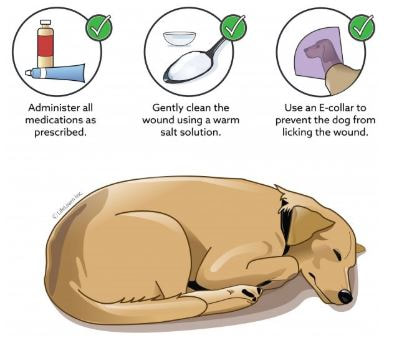
Image Source: www.friendsofthedog.co.za
Assessing the Dog Wound
Not all cuts are the same. Knowing what kind of injury you are facing helps you choose the right steps for canine laceration treatment. You must first stop and look closely at the damage.
Types of Dog Skin Injuries
We commonly see a few types of injuries on our active dogs.
- Scrapes (Abrasions): These are shallow. Only the top layer of skin is rubbed off. Think of road rash on a person. This is easy to treat dog scrape issues.
- Incisions (Clean Cuts): These cuts are straight and deep. They often bleed a lot.
- Lacerations: These are tears in the skin. They often have jagged edges.
- Puncture Wounds: These happen when something sharp pokes deep into the skin. They look small outside but can be deep inside.
When to Seek Immediate Veterinary Help
Some wounds need a vet right away. Do not wait if you see any of these signs:
- The cut is very deep or long (more than half an inch).
- You can see fat, muscle, or bone in the wound.
- The bleeding does not stop after 5 to 10 minutes of firm, direct pressure.
- The cut is on a joint, the face, or the genitals.
- The wound is from a bite (animal bites carry a high risk of deep infection).
Essential Supplies for Dog Cut First Aid
Having a basic pet first aid kit ready makes a big difference. Good supplies help you clean wounds safely.
Building Your Dog First Aid Kit
Keep these items handy for managing minor injuries and managing dog skin abrasions:
- Sterile Saline Solution: This is the safest choice for rinsing wounds. It matches the body’s salt level.
- Antiseptic Solution (Safe for Dogs): You need the best antiseptic for dogs for disinfection. More on this below.
- Gauze Pads and Non-Stick Dressings: For cleaning and covering the injury.
- Medical Tape or Wraps (like Vet Wrap): To hold dressings in place.
- Clean Towels or Cloths: To control bleeding and keep the dog still.
- Scissors and Tweezers: For trimming fur around the wound or carefully removing small debris.
- Disposable Gloves: To keep your hands clean and protect the wound from your germs.
Step-by-Step: Cleaning Dog Wounds Safely
The most critical step in dog wound care is cleaning. Dirt and germs cause infection. Good cleaning helps in healing dog scratches fast.
Step 1: Stay Calm and Secure Your Dog
Your dog will mirror your feelings. If you are panicked, your dog will be too.
- Muzzle your dog if they are in pain or scared. Even the sweetest dog might snap when hurt.
- Have a helper gently hold and comfort the dog.
- Work in a well-lit, clean area.
Step 2: Control Any Bleeding
For minor scrapes or shallow cuts, direct pressure often stops the flow.
- Apply firm, steady pressure directly onto the wound using a clean cloth or gauze.
- Hold the pressure for at least five minutes without peeking. Checking too soon interrupts clotting.
- If bleeding is spurting or heavy, skip to the vet immediately.
Step 3: Clip Hair Around the Wound
Hair traps germs and blocks your view of the injury.
- Use blunt-nosed scissors or electric clippers to trim the fur around the wound.
- Be very careful not to cut the skin, especially if the dog moves.
- Trim back far enough to see the entire injury clearly.
Step 4: Rinse the Wound Thoroughly
This is crucial for cleaning dog wounds. You want to flush out debris, not scrub it in.
- Use copious amounts of sterile saline solution or clean, lukewarm running water.
- Gently pour the water over the cut to wash away surface dirt.
- Avoid harsh scrubbing, which can damage healing tissues.
Step 5: Applying the Right Antiseptic
Choosing the best antiseptic for dogs is important. Many common human products are toxic to dogs.
Safe Antiseptic Options for Dog Wounds
| Product | Use and Safety Note | Avoid If… |
|---|---|---|
| Diluted Povidone-Iodine (Betadine) | Dilute to a light tea color (1 part iodine to 10 parts water). It’s effective against many germs. | The dog might lick it excessively. |
| Chlorhexidine Solution (0.05% to 2%) | Often recommended by vets. Very effective against bacteria. Use the specific solution formulated for wounds. | You only have a strong, undiluted industrial version. |
| Plain Saline Solution | Best for simple flushing. Has no germ-killing power but is completely safe. | The wound looks dirty or potentially infected. |
What about hydrogen peroxide or rubbing alcohol? These are too harsh. They kill the fragile new cells needed for healing. Avoid these when you treat dog scrape injuries or deeper wounds.
Step 6: Applying a Dressing (If Needed)
For minor cuts that aren’t bleeding much, leaving them open to air might be best after cleaning. For larger scrapes, cover the wound.
- Apply a thin layer of an antibiotic ointment (like plain Neosporin without pain relief ingredients, as dogs shouldn’t ingest them) if your vet approves.
- Cover the ointment with a non-stick sterile pad.
- Secure the pad gently with rolled gauze or a vet wrap. Do not wrap too tightly; this can cut off circulation.
Reviewing Home Remedies for Dog Cuts
Many people look for quick fixes. While some home remedies for dog cuts can be useful adjuncts, they should never replace proper cleaning and vet advice for serious injuries.
Mild Rinses and Soothing Agents
For very minor irritations or to soothe healing scabs:
- Epsom Salt Soaks: If your vet agrees, a very weak solution (one teaspoon per cup of warm water) can help draw out minor debris from an irritated area. This is best for paws or skin abrasions.
- Cool Compresses: A clean cloth soaked in cool water can reduce swelling and pain immediately after an injury.
What to Absolutely Avoid
Some common human treatments are dangerous for dogs. This is a critical aspect of safe dog first aid for cuts.
- Human Pain Relievers (like Aspirin, Tylenol): These are toxic to dogs, even in small amounts.
- Tea Tree Oil or Essential Oils: Many essential oils are poisonous to dogs, even just the scent.
- Vinegar (Undiluted): Too strong for open wounds and can cause irritation.
Post-Care and Monitoring Dog Wounds
After initial canine laceration treatment, the healing process begins. Close monitoring prevents minor issues from becoming major problems.
Preventing Licking and Chewing
Dogs instinctively lick wounds. While saliva contains some natural mild enzymes, constant licking pulls out stitches, introduces bacteria, and delays healing. This is a major barrier to healing dog scratches fast.
- Elizabethan Collars (E-Collars or “Cones”): Use these to stop your dog from reaching the injury.
- Medical Recovery Suits or T-shirts: These can cover the wound area effectively for less mobile injuries like back scrapes.
Keeping the Wound Clean and Dry
A damp wound is a breeding ground for bacteria.
- Change any bandages daily, or as directed by your vet.
- When cleaning a healing wound, always use sterile saline.
- Keep the dressing dry. If it gets wet during potty breaks, replace it immediately.
Signs of Infection
Infection can set in quickly. Knowing the signs is vital for timely intervention from your veterinarian. These signs indicate a need for a call to vet recommendations for dog wounds.
- Increased redness or swelling around the edges.
- Pus or thick, foul-smelling discharge.
- The wound feels hot to the touch.
- The dog develops a fever or becomes lethargic.
- Pain increases instead of decreasing after the first day.
Dealing with Specific Types of Injuries
The way you clean and treat a scrape differs from how you treat a puncture. Good dog first aid for cuts involves tailoring the approach.
Treating Dog Scrapes (Abrasions)
When you treat dog scrape injuries, focus on debris removal and preventing scabbing that pulls the skin.
- Rinse aggressively with saline to remove sand, dirt, and gravel embedded in the shallow layers.
- If debris remains after rinsing, you may gently use soft, clean tweezers to lift visible pieces out.
- Apply a thin layer of an antibiotic ointment approved by your vet.
- Keep the area covered for the first day or two to stop dirt from getting in while the surface closes over.
Managing Puncture Wounds
Puncture wounds are tricky because the entry hole looks small, but bacteria are driven deep into tissues. Vet recommendations for dog wounds almost always involve a vet visit for punctures.
- Why Vets Are Essential: Punctures often need deep flushing and may require antibiotics because they trap germs far below the surface.
- Initial Care: Clean the entry point gently with saline. Do not probe deeply into the wound yourself.
- Monitoring: Even if you think it’s minor, watch the area closely for 48 hours for signs of swelling or abscess formation.
Handling Deep Lacerations
For deep cuts that need stitches, your goal in the first few minutes is only to stop the bleeding and keep the dog calm until professional help is reached.
- Apply firm, direct pressure.
- If possible, use gauze soaked in cool saline to gently cover the wound edges so they stay moist.
- Get to the clinic. Deep cuts require sutures or surgical glue to heal correctly and minimize scarring.
The Role of Antiseptics: Deciphering Best Practices
Choosing the best antiseptic for dogs requires knowing what works without causing harm. We want germ killing without tissue damage.
Comparing Common Antiseptic Choices
| Antiseptic Agent | Pros | Cons for Dog Wounds |
|---|---|---|
| Chlorhexidine | Broad-spectrum killing power; remains active longer. | Can be irritating if used too strong or too frequently. |
| Diluted Povidone-Iodine | Effective and widely available. | Inactivated by organic debris (blood/pus); must be diluted properly. |
| Manuka Honey (Medical Grade) | Natural antibacterial properties; promotes moist healing. | Must be veterinary grade; not a substitute for cleaning. |
Veterinarians prioritize Chlorhexidine for most dog wound care because it is effective and generally well-tolerated when properly diluted. When cleaning dog wounds, the solution should always be rinsed with saline if it’s a strong concentration, unless specifically instructed otherwise by a vet.
Promoting Quick Healing After Initial Treatment
Once the wound is closed and clean, supporting the body’s natural repair system speeds recovery. This is key for healing dog scratches fast.
Nutrition and Hydration
A well-nourished dog heals faster. Ensure your dog has access to fresh, clean water. If the injury is severe enough to cause stress or prevent eating, talk to your vet about appetite stimulants or temporary dietary changes. High-quality protein supports tissue repair.
Wound Protection vs. Air Exposure
There is a balance needed for healing.
- Open Air Drying: Good for very minor scrapes where the top layer is just irritated. It allows a strong scab to form.
- Moist Wound Healing: Modern veterinary science often favors keeping deeper wounds moist (but not wet). This prevents the scab from hardening too much, which can slow down cell migration underneath. This usually requires professional bandaging.
If you are simply managing dog skin abrasions at home, ensure the dog doesn’t lick it, and let minor ones air dry after cleaning.
When to Consult Veterinary Professionals
Self-treating anything beyond the most superficial scratch carries risk. Knowing when to step back and trust vet recommendations for dog wounds saves pain and future complications.
Red Flags Warranting a Vet Visit
If you are unsure about the depth, if the wound gapes open, or if it was caused by a contaminated source (like a rusty nail or animal bite), see the vet.
Questions to ask your vet regarding canine laceration treatment:
- Does this wound require sutures or surgical glue?
- What pain management options are safe for my dog?
- Do you recommend systemic antibiotics due to the risk of infection?
- How long should the wound be kept covered?
A professional can properly clean deep wounds, debride dead tissue, ensure all debris is gone, and close the wound cleanly, leading to less scarring and a faster return to health.
Frequently Asked Questions (FAQ)
Q1: Can I use Neosporin on my dog’s cut?
A: Plain Neosporin (the one without pain relief ingredients like benzocaine) is often considered safe if a very small amount is applied and the dog does not lick it. However, many vets prefer chlorhexidine washes first. Never use ointments on deep puncture wounds, as they trap bacteria.
Q2: How long does it take for a minor dog scrape to heal?
A: A superficial scrape, like a minor abrasion from walking on pavement, usually starts looking significantly better within 3 to 5 days if kept clean. Deeper cuts take longer, often needing 10 to 14 days, depending on whether stitches are required.
Q3: Is apple cider vinegar good for cleaning dog cuts?
A: Undiluted apple cider vinegar (ACV) is generally too acidic and can irritate open wounds or damaged skin. While proponents claim diluted ACV can help with minor skin issues, for an actual cut, sterile saline or vet-approved antiseptics are much safer and more effective for initial cleaning.
Q4: My dog keeps licking a healing scab. What should I use to stop them?
A: The most reliable method is using an Elizabethan collar (the cone). If a cone isn’t feasible, you might try medical recovery suits or bitter apple spray if your dog dislikes the taste. However, physical barriers like a cone are the best defense against infection and delayed healing.