
When your dog gets hurt, the first thing you probably wonder is, “What should I put on my dog’s cut?” The best things to use for a dog wound depend on how bad the injury is. For small scrapes, mild cleansers work well. For deeper cuts or bad bites, a vet visit is crucial. This guide will walk you through the top five safe and effective options for dog wound care at home and what signs tell you it’s time to see a professional.
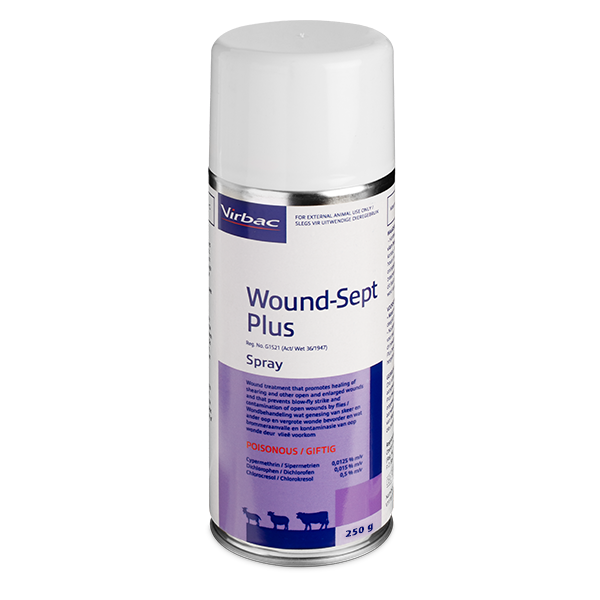
Image Source: za.virbac.com
Assessing the Severity of Your Dog’s Injury
Before you grab any item for first aid, look closely at the wound. Knowing the extent of the damage helps you choose the right product. Not all wounds need the same treatment.
Minor Wounds vs. Serious Trauma
Minor wounds are usually shallow. Think of small scrapes, small scratches, or very minor punctures. These often stop bleeding quickly. They are great for home treatment.
Serious trauma includes deep cuts, wounds that won’t stop bleeding, or large tears. These might need stitches. If you see bone or fat, the wound is serious. Pet first aid for lacerations must start with pressure, but professional help is usually needed fast.
When to Take Dog to Vet for Wound
Knowing when to stop home treatment is vital for your dog’s health. Do not delay a vet visit if you see these signs:
- The wound is deep or gaping.
- Bleeding does not stop after 10 minutes of direct pressure.
- The wound is on the face, eye, or genital area.
- You suspect a puncture wound, like a deep bite.
- You see signs of infection later (swelling, pus, foul smell).
- Your dog seems very weak or in severe pain.
Top 5 Best Options for Treating Dog Wounds
Once you decide the wound is minor enough for home care, you need the right supplies. Here are the top five trusted options for treating open wounds on dogs.
1. Saline Solution: The Gold Standard for Cleaning
Cleaning the wound properly is the first and most important step. You must remove dirt, debris, and bacteria before applying any treatment.
Why Saline is Ideal
Normal saline solution (0.9% sodium chloride) mimics the saltiness of the body. This means it cleans wounds without stinging or damaging healthy tissue. It is the safest choice for flushing debris out of healing dog skin abrasions and deeper cuts.
- Use: Flush the wound thoroughly. Use a gentle stream to push out dirt.
- Avoid: Never use tap water alone for deep wounds. Tap water has impurities and can cause cells to swell and die.
- Availability: You can buy sterile saline solution or make a safe version at home (boiled and cooled water mixed with salt).
2. Chlorhexidine Solution: The Best Antiseptic for Dog Wounds
For disinfecting, Chlorhexidine (often branded as Nolvasan) is widely considered the best antiseptic for dog wounds by veterinarians.
How Chlorhexidine Works
Chlorhexidine kills a wide range of bacteria and yeasts. It keeps working for a long time on the skin, which is great for preventing infection in minor cuts. It is much safer for use on skin than bleach or pure alcohol.
- Dilution is Key: You must always dilute Chlorhexidine to the correct strength (usually 1:40, 1:20, or 1:10 depending on the product and use). Always follow package instructions for dilution. A common antiseptic strength for wounds is 2% diluted to 0.05%.
- Application: Use the diluted solution to gently swab or rinse the wound after initial cleaning with saline.
- Caution: Avoid getting concentrated Chlorhexidine in the eyes or inner ears.
3. Gentle Povidone-Iodine (Betadine): A Reliable Disinfectant
Povidone-Iodine (often called Betadine) is another excellent choice for disinfection. It is an iodine complex that releases antiseptic action slowly.
Using Iodine Safely
Iodine is effective against many germs. When used correctly, it’s a staple in pet first aid for lacerations.
- The “Tea Test”: When mixing the solution, aim for the color of weak tea. If it is dark brown, it might be too strong and could burn or irritate the tissue.
- Rinsing: Unlike Chlorhexidine, some vets suggest lightly rinsing the area with sterile water after applying iodine, though many topical applications are left to dry.
- Limit Use: Iodine can be harsh if used too frequently or on very large open areas. It is best for initial disinfection of minor to moderate wounds.
4. Simple Triple Antibiotic Ointment (Veterinary Approved)
Once the wound is clean and disinfected, an ointment can keep it moist and protected. This helps prevent the wound from drying out, which speeds up healing.
Choosing the Right Ointment
When selecting an antibiotic ointment for dogs, you must be careful. Many human ointments contain ingredients toxic to dogs if licked.
- The Safe Bet: Look for simple triple antibiotic ointments (Bacitracin, Neomycin, Polymyxin B) without pain relievers like Lidocaine or Benzocaine. These pain relievers can sometimes cause irritation or are harmful if swallowed regularly.
- Neosporin Alternatives: While Neosporin is common, ask your vet if they prefer a specific veterinary formulation, especially if you are managing infected dog wounds.
- Application: Apply a thin layer after cleaning. Cover with a light, non-stick bandage if needed, or allow it to air dry if the area won’t get dirty.
5. Honey: A Natural Remedy with Proven Benefits
For those seeking natural remedies for dog cuts, medical-grade honey stands out. It is not the honey from your pantry, though!
Medical-Grade Honey’s Power
Medical-grade (or Manuka) honey has strong antibacterial properties. It works in a different way than chemical antiseptics. It draws moisture out of bacteria, killing them. It also creates a moist healing environment and reduces inflammation.
- Benefits: It helps speed up the healing process for minor scrapes and burns.
- Type Matters: Only use pure, medical-grade honey. Store-bought honey is not sterile and may contain spores that can cause illness.
- Veterinary Use: Some vets incorporate sterilized honey dressings into advanced wound management plans. Always discuss using honey with your vet first.
Specific Wound Scenarios and Treatments
Different injuries require slightly different approaches in dog wound care.
How to Clean Dog Bite Wound
Dog bites are tricky because the teeth often push deep bacteria under the skin surface, even if the outer tear looks small. This makes them high-risk for deep infection.
- Immediate Action: Apply firm, direct pressure with a clean cloth to control bleeding.
- Flush Aggressively: Use copious amounts of saline solution. You must flush deep into the puncture tract to wash out trapped bacteria.
- Seek Veterinary Care: Most bite wounds must be seen by a vet within hours. They often need deep cleaning, possibly sedation, and almost always a course of oral antibiotics to fight the bacteria forced deep into the tissue. Do not just rely on topical treatments for a bite wound.
Managing Infected Dog Wounds
If a wound gets infected, you will see signs like:
- Pus (yellow, green, or cloudy discharge).
- Foul odor coming from the wound.
- Increased heat and swelling around the injury.
- Your dog seems lethargic or has a fever.
If you suspect infection, stop all home remedies and call your vet immediately. Managing infected dog wounds requires proper diagnosis, often including bacterial cultures, and almost always requires prescribed oral antibiotics. Topical treatments alone cannot clear a deep infection.
Treating Minor Scratches and Abrasions
For simple scrapes where the skin surface is only rubbed off (like healing dog skin abrasions), the goal is simple protection and moisture.
- Clean gently with saline.
- Apply a thin layer of a veterinary-approved antibiotic ointment or a simple barrier balm.
- Keep the area dry and clean. A cone (Elizabethan collar) is essential to stop licking, which prevents healing.
Bandaging: When and How to Cover a Dog Wound
Covering a wound protects it from dirt and stops the dog from licking, but improper bandaging can trap bacteria and make things worse.
The Purpose of a Bandage
A bandage serves three main goals:
- Protection from the environment.
- Absorption of discharge.
- Holding dressings in place.
The Three Layers of a Dog Bandage
If you must bandage a wound (always seek vet advice for large wounds), use three layers:
| Layer | Material | Purpose |
|---|---|---|
| Primary Layer | Non-stick gauze, Telfa pad, or thin layer of antibiotic ointment | Touches the wound directly. Must not stick to the injury. |
| Secondary Layer | Cast padding or cotton roll | Provides cushioning and absorbs fluids. Should be thick. |
| Tertiary Layer | Cohesive wrap (VetWrap), adhesive tape | Holds the other layers on securely. |
Bandaging Cautions
- Check Circulation: Never wrap too tightly. Check the toes or the limb below the wrap twice a day. If they are cold, swollen, or blue, the bandage is too tight—remove it immediately and call the vet.
- Change Daily: Change the bandage daily, or immediately if it gets wet or dirty.
Deciphering Natural Options Beyond Honey
Many people look for natural remedies for dog cuts. While some are helpful supportively, they should never replace proper cleaning or veterinary care when needed.
Aloe Vera (Use with Caution)
Pure aloe vera gel, taken directly from the leaf (ensure it is not treated with additives), can be soothing for minor irritations or sunburns. However, it should not be used on deep or weeping wounds as it can hold moisture and promote bacterial growth.
Calendula
Calendula is often used in herbal medicine for its anti-inflammatory properties. Diluted calendula tincture might be used as a final rinse on very superficial scrapes to calm the skin. Again, consult with a holistic veterinarian before relying on this for anything more than a slight abrasion.
Essential Oils: A Major Warning
Do not use essential oils directly on dog wounds. Oils like tea tree oil are highly toxic to dogs, even in small amounts if licked. They can also be caustic and damage fragile healing tissue. Stick to proven, sterile, veterinary-approved treatments.
Comprehending the Healing Process
After initial treatment, monitoring the wound is key to ensuring proper healing.
Stages of Healing
Wounds go through predictable phases:
- Inflammation: The first few days. The body sends white blood cells to clean up debris. Some redness and swelling are normal.
- Proliferation: New tissue starts to form (the pink, bumpy tissue called granulation tissue).
- Maturation/Remodeling: The new tissue strengthens and remodels itself into scar tissue. This can take months.
Recognizing Trouble Signs
When managing infected dog wounds or just monitoring, look for changes that suggest the body is struggling:
- Excessive Weeping: Oozing clear fluid is normal early on. Thick, colored pus is not.
- Wound Edges Pulling Apart: If the skin edges around a stitched wound start to separate, this is dehiscence and requires immediate vet attention.
- Fever or Lethargy: A sick dog cannot heal well.
If a wound is taking longer than 10–14 days to show significant improvement, call your vet to check if underlying issues or infection are slowing the process of healing dog skin abrasions.
FAQ on Dog Wound Treatment
Can I use hydrogen peroxide on my dog’s wound?
No. Hydrogen peroxide should generally be avoided for routine wound cleaning. While it bubbles and kills surface bacteria, this bubbling action also damages the delicate new tissue trying to grow, which slows down healing. Use saline or diluted Chlorhexidine instead.
Is Neosporin safe for dogs if they lick it?
Standard Neosporin or triple antibiotic ointments contain ingredients that are generally low-toxicity if licked in small amounts. However, constant licking prevents healing. It is always safer to use a veterinary-specific product or try to keep the dog from licking using an E-collar. If your dog ingests a large amount, call your vet.
How often should I change the dressing on a minor cut?
For a minor cut kept uncovered, clean it once or twice a day with saline. If you have applied a bandage, change it daily, or immediately if it becomes soiled or wet.
What should I do if I find embedded debris in a wound?
If the debris is small and loose (like a piece of grass), you might gently flush it out with saline. If the debris is large, deeply embedded, or looks like glass or metal, do not try to remove it. Stabilize the area and seek veterinary care immediately, as removing it could cause major bleeding.
How do I stop my dog from licking the wound?
Licking introduces bacteria and tears out scabs, delaying healing. The most effective method is using an Elizabethan Collar (the “cone of shame”). Alternatively, your vet may prescribe soft protective sleeves or bandages. Never use human clothing or tape directly on the wound area.