
If your dog has a wound on their paw pad, the first step is always to gently clean the area with mild soap and water or a sterile saline solution to remove dirt and debris. For most minor scrapes and cuts, applying a thin layer of an antiseptic for dog wounds like diluted povidone-iodine (Betadine) or chlorhexidine solution is crucial to start preventing infection in dog cuts.
Caring for a dog’s paw pad injury requires quick, thoughtful action. Paw pads bear all of a dog’s weight, making them prone to repeated trauma and slow healing. Choosing the right topical treatment is key to promoting repair and keeping your pet comfortable while managing dog paw pad injury. This guide will walk you through what to apply, how to dress the wound, and when professional help is necessary for healing dog pad tears.
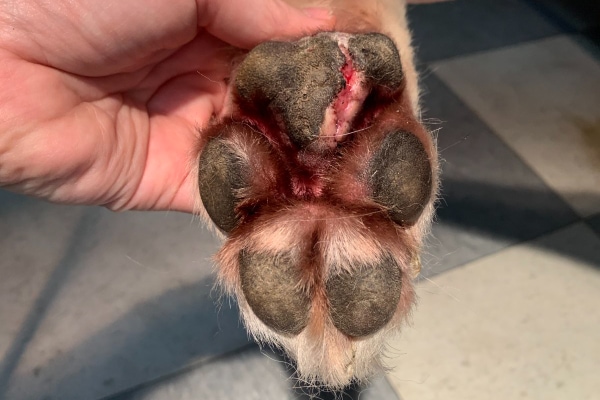
Image Source: toegrips.com
Initial Steps for Paw Pad Wounds
When you first notice an injury, act fast but stay calm. Your dog takes cues from you.
Inspecting the Injury Site
Before applying anything, you must look closely at the damage.
- Small Scrapes and Abrasions: These often look like red, raw areas. They usually heal well at home.
- Deep Cuts or Lacerations: If the wound is gaping, you can see deep tissue, or it is bleeding heavily, this needs a vet visit right away.
- Embedded Objects: Check for glass, thorns, or gravel stuck deep in the pad. Do not try to pull out deeply embedded objects yourself.
Cleaning the Wound Properly
Proper cleaning stops bacteria from taking hold. This is the foundation of good canine laceration care.
- Control Bleeding: Apply gentle, direct pressure with a clean cloth or gauze for five to ten minutes.
- Rinse Thoroughly: Use cool, running water or saline solution to flush out any loose debris.
- Apply Antiseptic: Use a pet-safe antiseptic rinse (like diluted chlorhexidine) to kill surface germs. Pat the area dry gently with a clean towel. Avoid rubbing.
Topical Treatments for Dog Pad Wounds
What you put directly on the wound dictates how fast it heals and if it gets infected. Many products work well, but selection depends on the wound type.
Essential Over-the-Counter Options
For minor wounds, simple, safe topical treatments are often the best choice.
Honey: Nature’s Healer
Medical-grade honey (like Manuka) is a surprisingly effective best dog wound balm.
- Why it works: Honey has natural antiseptic qualities. It keeps the wound moist, which speeds up healing. It also creates a barrier against germs.
- How to use it: Apply a thin layer directly to the clean wound. Cover it afterward, as dogs love to lick honey!
Aloe Vera
Pure aloe vera gel, taken directly from the plant or a pure product without additives, can soothe surface irritation.
- Benefit: It reduces inflammation and provides cooling relief for minor burns or scrapes.
- Caution: Use only 100% pure aloe. Many commercial gels contain alcohol or chemicals harmful to dogs if licked.
Veterinary-Recommended Antiseptics and Ointments
When dealing with deeper abrasions or when preventing infection in dog cuts is paramount, veterinary products are superior.
- Chlorhexidine Solution: This is excellent for cleaning and is often used as a final rinse before dressing. It remains active on the skin for hours, killing bacteria effectively.
- Triple Antibiotic Ointments (Use with Care): Products like Neosporin can be used sparingly, but owners must know that dogs will likely lick them off. If your dog licks it, it can cause stomach upset. Veterinary formulations often come in less palatable forms. Always check the ingredients—products containing pain relievers like lidocaine can be toxic if ingested in large amounts.
| Topical Treatment | Primary Benefit | Best For | Warning |
|---|---|---|---|
| Medical Honey | Moist environment, antiseptic action | Abrasions, minor cuts | Must be covered to prevent licking |
| Chlorhexidine Rinse | Kills bacteria, low toxicity | Initial cleaning, wound flushing | Not a dressing; must be covered |
| Pure Aloe Vera | Soothing, anti-inflammatory | Minor scrapes, irritation | Ensure no added chemicals |
| Veterinary Ointment | Barrier protection, healing support | Superficial wounds | Ensure no painful additives (e.g., hydrocortisone) |
Specialized Products for Deeper Wounds
For significant healing dog pad tears, specialized products are needed to maintain the moist wound environment vital for cell growth.
- Hydrogels: These gels hydrate the wound bed, which promotes faster tissue repair and cleans debris without harsh scrubbing.
- Silver Sulfadiazine Cream (Prescription Only): This is a powerful tool against many types of bacteria and is often used for serious burns or heavily contaminated wounds. This requires a vet’s prescription.
The Importance of Dog Wound Dressing
Applying a topical treatment is only half the battle. Dog wound dressing keeps the medicine in place, protects the sensitive tissue from dirt and friction, and stops the dog from irritating the injury by licking.
Principles of Effective Paw Bandaging
Wrapping a dog’s injured paw correctly is crucial. A poorly wrapped paw can cut off circulation or hold moisture, leading to infection. The goal is protection, not compression, unless specifically advised by a vet.
Layer 1: The Contact Layer (Non-Stick)
This layer sits directly on the wound. It should not stick to the healing tissue when removed.
- Tulle Gras or Non-Adherent Pads: These synthetic or impregnated gauze pads allow air flow while preventing the next layer from adhering to the injury. This is key for comfortable dressing changes.
Layer 2: The Absorbent Layer (Padding)
This layer wicks away any exudate (fluid) from the wound and provides cushioning.
- Gauze Rolls or Cotton Roll: Use sterile gauze to pad the entire foot, protecting the wound from pressure points. Ensure this layer is thick enough to absorb fluid but not so thick that it makes walking impossible.
Layer 3: The Securing Layer (Cohesion)
This layer holds the padding in place. It must be strong but easy to remove.
- Cohesive Wrap (Vet Wrap/Self-Adherent Bandage): This sticks to itself but not to hair or skin. It provides firm, uniform support. Wrap it firmly, but you should still be able to slip a finger easily underneath the bandage.
How to Wrap an Injured Paw (Step-by-Step)
Follow these steps when wrapping a dog’s injured paw:
- Clean and Treat: Apply your chosen topical (e.g., medical honey or thin layer of approved ointment).
- Apply Contact Layer: Place the non-stick pad directly over the wound.
- Pad Heavily: Wrap the cotton or gauze padding around the entire paw, ensuring the dressing extends well up the leg and over the top of the toes.
- Secure with Vet Wrap: Start wrapping from the toes upward. Overlap each layer by about half. Crucially, stop just above the carpus (wrist/ankle joint). Never wrap tightly around the lower leg or ankle, as this can cause severe swelling or circulation loss.
- Check Circulation: After wrapping, gently squeeze the paw pad through the bandage. If the toes turn pale or cold, the wrap is too tight. Reapply immediately.
When to See a Vet for Dog Wound
Self-care is great for minor issues, but some paw injuries need professional medical intervention immediately. Knowing when to see vet for dog wound saves a lot of pain and potential complications.
Urgent Indicators for Veterinary Care
If you notice any of the following signs, skip home remedies and head to the clinic:
- Uncontrolled Bleeding: Bleeding that doesn’t stop after 10 minutes of firm pressure.
- Deep Puncture or Large Laceration: Wounds that expose underlying muscle or bone, or cuts longer than half an inch.
- Foreign Bodies: Objects stuck deep that you cannot easily flush out.
- Signs of Severe Infection: Increasing redness, swelling extending up the leg, foul odor, or discharge that is thick and yellow/green.
- Limping Persistence: If the dog refuses to bear weight on the paw even after initial cleaning and bandaging.
Professional Treatments Vets Might Use
Veterinarians have access to stronger tools for canine laceration care and complex wound management.
- Suturing: For deep cuts, stitches or surgical glue may be necessary to close the wound, promoting clean healing.
- Debridement: Vets can surgically remove dead or damaged tissue to allow healthy tissue to grow back.
- Stronger Antibiotics: Oral antibiotics may be prescribed if the infection has penetrated deeper tissues.
Alternative Dog Wound Treatments and Support
Beyond topical creams, you can use supportive measures to boost the healing process. These alternative dog wound treatments focus on internal support and environmental management.
Nutritional Support for Healing
A strong immune system heals wounds faster. Ensure your dog is eating a high-quality, balanced diet. Supplements can help:
- Omega-3 Fatty Acids: Found in fish oil, these reduce systemic inflammation, which benefits skin and wound repair.
- Zinc and Vitamin C: These are essential co-factors in collagen production, the main building block of scar tissue.
Protection: Keeping the Dog Away from the Wound
The single greatest threat to a healing paw pad is the dog’s own licking. Saliva contains bacteria, and the licking action constantly rips apart delicate new tissue.
- E-Collars (The Cone of Shame): These are mandatory for most paw injuries until the wound is fully closed.
- Protective Boots: If your dog must go outside for potty breaks, use a waterproof, clean boot over the bandage. This prevents the bandage from getting wet and dirty, which is critical for preventing infection in dog cuts.
Managing Moisture and Contamination
Paw pads are constantly on the ground, meaning they are always exposed to moisture and dirt.
- Frequent Dressing Changes: Unless otherwise directed by your vet, change the dressing daily, especially if it gets wet or soiled. Cleaning the wound gently each time is part of effective dog wound dressing.
- Keep Areas Dry: After stepping outside, gently clean the outside of the bandage. Never let your dog walk barefoot on wet grass or muddy areas while healing.
Comprehending Paw Pad Anatomy and Healing Time
Paw pads are thick layers of fatty tissue covered by tough skin (keratin). They are designed to resist impact, but once the tough outer layer is broken, healing can be slow because the area receives constant mechanical stress.
Stages of Wound Healing
Understanding the phases helps manage expectations for healing dog pad tears:
- Inflammatory Phase (Days 1-5): Characterized by bleeding, swelling, and debris removal. This is when infection risk is highest.
- Proliferative Phase (Days 4-21): New blood vessels form, and granulation tissue (the pink, bumpy filling material) starts to build up. This is when topical aids work best.
- Remodeling Phase (Weeks to Months): The new tissue strengthens and matures into scar tissue. Full strength returns slowly.
Because pads are weight-bearing, the remodeling phase takes much longer than skin on the flank or back. Expect weeks, sometimes months, for a deep cut to fully regain its original toughness.
Dealing with Cracked or Dry Pads
Sometimes, the wound isn’t an acute injury but chronic dryness leading to fissures—small cracks, especially in dry weather or on hot pavement.
For these issues, focus less on antiseptic and more on deep moisturization:
- Use veterinary-approved, thick pad balms (often beeswax or shea butter-based) nightly.
- Apply the balm after walks and before bed when the dog is stationary. This supports the natural resilience needed for managing dog paw pad injury.
Frequently Asked Questions (FAQ) Regarding Dog Pad Wounds
Q: Can I use hydrogen peroxide on my dog’s paw pad wound?
A: No, avoid hydrogen peroxide. While it fizzes and seems to clean well, it is actually damaging to the healthy cells trying to repair the tissue. Stick to saline or diluted chlorhexidine for cleaning.
Q: How long should I leave the bandage on when wrapping a dog’s injured paw?
A: For a minor wound, the initial non-stick contact layer might stay for 24 hours. However, if you are using a full bandage (three layers), it usually needs changing every 12 to 24 hours, especially if it gets wet, to maintain cleanliness and prevent moisture-related infection. Always follow your vet’s specific instructions for deep wounds.
Q: Are essential oils a safe alternative dog wound treatment?
A: Most essential oils are toxic to dogs, either through ingestion (licking) or skin absorption. Oils like tea tree oil are highly dangerous. Stick to proven veterinary treatments or food-grade options like medical honey. Consult your vet before using any herbal remedy.
Q: My dog licked the wound despite the cone. Is this bad?
A: Yes, licking is very detrimental to healing. Saliva carries bacteria, and the constant friction breaks down the fragile new tissue (granulation tissue). If licking is persistent, you might need an alternative barrier, such as a soft recovery suit or prescription calming medication to reduce stress behaviors.
Q: What if the wound keeps reopening when my dog walks?
A: This is common with paw pads. It means the wound is not yet strong enough to handle weight bearing. You must restrict activity severely. Keep walks very short and only for elimination purposes. Your vet may recommend specialized rigid boots or even a short-term light splint to immobilize the area while the base tissue strengthens. This is a prime indicator of when to see vet for dog wound again for further immobilization advice.